AI-Powered Employee Monitoring: Real-World Applications and Insights
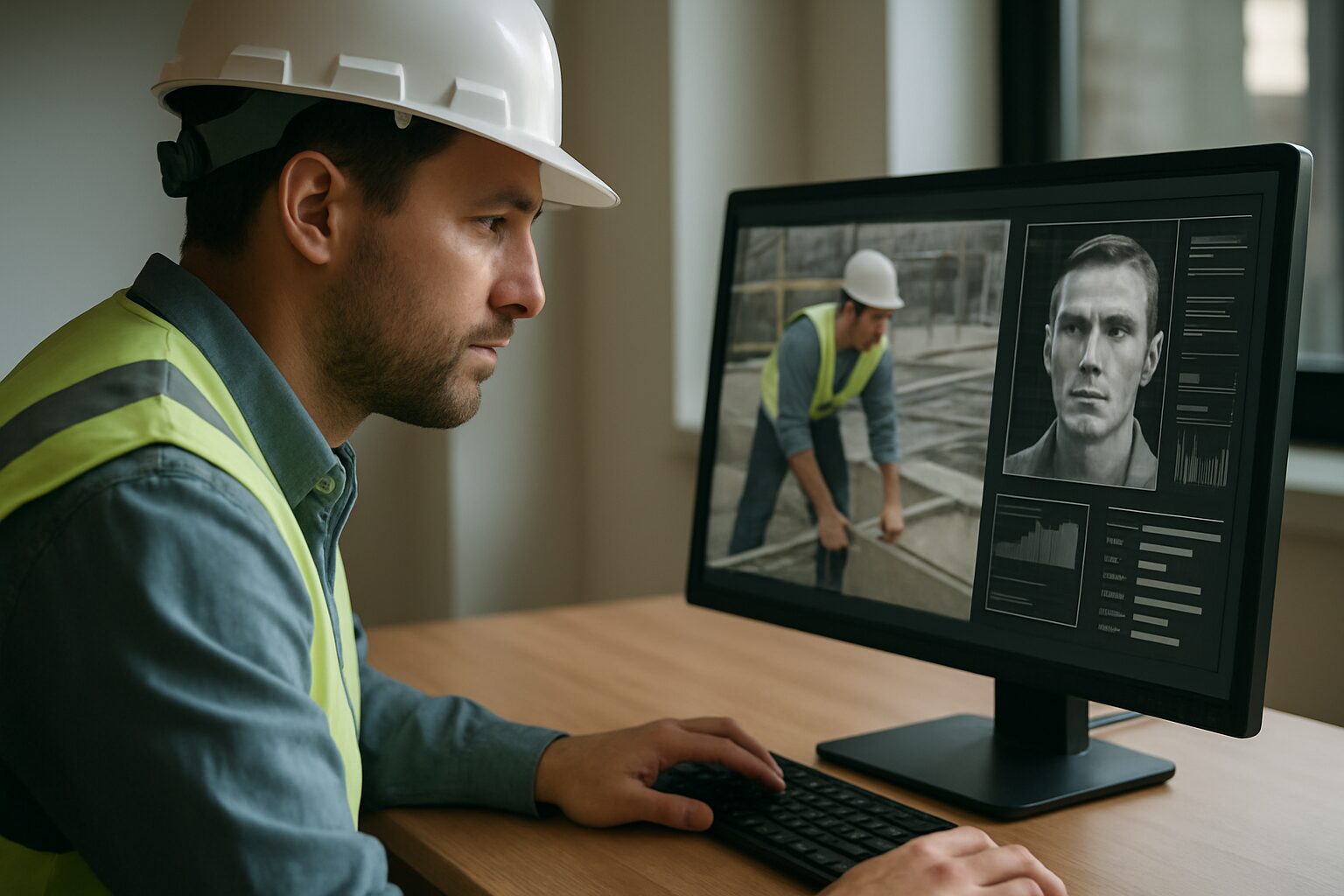
Worker surveillance using AI tools involves the monitoring of employees through technologies like computer vision, keystroke logging, and productivity analytics. These systems track behavior, performance, and even biometric data, often in real time, raising concerns about privacy and autonomy in the workplace. The practice has become more widespread as employers seek to optimize efficiency, but it also prompts ethical questions about the balance between oversight and worker rights.
Why It Matters - Real-world impact
Worker surveillance powered by AI affects millions of employees across industries, from warehouse workers monitored for "productivity" to remote employees tracked via keystrokes and screen recordings. When companies deploy opaque algorithms to measure performance or enforce efficiency, workers face heightened stress, loss of autonomy, and the risk of unfair disciplinary actions based on flawed or biased data. Beyond individual harm, pervasive surveillance erodes trust in workplaces and normalizes a culture of constant scrutiny, with marginalized groups often bearing the brunt of algorithmic discrimination. Regular people should care because these practices set dangerous precedents—what begins in certain sectors can spread, reshaping labor standards everywhere. Without transparency and accountability, AI-driven surveillance tools risk dehumanizing work, widening power imbalances, and undermining fundamental rights to privacy and dignity.
Ethical Concerns - What’s wrong or risky?
Worker Surveillance with AI Tools: Ethical Risks in Practice
AI-driven worker surveillance systems, which monitor productivity, behavior, and even biometric data, raise significant ethical concerns. One major issue is fairness, as these tools may evaluate employees based on metrics that don't account for context, collaboration, or well-being, leading to unjust performance assessments.
Another critical risk is discrimination, where algorithms might perpetuate biases—for example, by penalizing workers with disabilities or from certain demographic groups if the training data or metrics are skewed.
Lack of transparency compounds these problems, as employees often don't know what data is collected, how it's analyzed, or how decisions affecting them are made, eroding trust and autonomy.
There are also concerns about worker rights, such as privacy and dignity, as constant monitoring can create a culture of fear and stress, undermining mental health and work-life balance.
Some argue these tools boost efficiency and safety, benefiting both companies and workers. Others worry about the economic impact, including potential wage suppression or increased inequality if surveillance leads to heightened performance pressures without proportional rewards.
Additionally, the risk of job loss cannot be ignored, as AI surveillance might be used to justify replacing human roles with automation, especially in roles deemed "inefficient" by algorithmic standards.
Not everyone views these risks uniformly: proponents highlight gains in productivity and accountability, while critics emphasize the moral costs to individual autonomy and well-being.
Solutions - What’s being done or proposed?
Strengthening Data Protection Laws
Some advocates have pushed for stronger data protection laws that explicitly address AI-driven worker surveillance. These laws would require employers to disclose the types of data collected, how it is used, and obtain explicit consent from employees. The European Union's General Data Protection Regulation (GDPR) serves as a model, but tailored amendments could address workplace-specific concerns, such as limiting continuous monitoring or mandating transparency in algorithmic decision-making.
Union-Led Bargaining Agreements
Labor unions have begun negotiating collective bargaining agreements that include clauses restricting invasive AI surveillance. These agreements may set boundaries on what data can be collected, how long it can be stored, and how it can be used in performance evaluations. For example, some unions have successfully banned keystroke logging or facial recognition in break rooms, ensuring workers retain privacy in non-work-related activities.
Ethical AI Audits and Certification
Independent audits and certification programs for workplace AI tools have been proposed to ensure ethical use. These audits would evaluate whether surveillance systems comply with fairness, transparency, and privacy standards. Companies could voluntarily adopt such certifications or be required to do so by regulators, similar to how financial audits ensure accountability in corporate governance.
Employee-Led Transparency Initiatives
Workers in some organizations have formed committees or used whistleblower protections to expose excessive surveillance practices. By documenting and publicizing how AI tools are used, employees can pressure employers to adopt more ethical policies. Platforms like internal forums or worker-led surveys help aggregate concerns and present unified demands to management.
Technical Countermeasures
Some technologists have developed tools to counteract invasive surveillance, such as browser extensions that obfuscate activity data or VPNs to limit tracking. While these solutions can protect individual privacy, they may conflict with workplace policies and are not scalable without broader institutional support. Open-source projects also aim to create privacy-preserving alternatives to commercial surveillance software.
Public Awareness Campaigns
Advocacy groups have launched campaigns to educate workers and the public about the risks of AI surveillance. These efforts highlight how pervasive monitoring affects mental health, productivity, and autonomy. By raising awareness, they aim to shift cultural norms and create demand for policy changes or corporate accountability.
Sector-Specific Regulations
Certain industries, like healthcare and education, have explored sector-specific regulations to curb AI surveillance. For example, hospitals might prohibit emotion recognition software in patient-facing roles due to ethical concerns. These targeted rules address unique risks in different work environments while avoiding overly broad restrictions that could stifle innovation.
Examples and Real Cases
Amazon's Employee Monitoring System
In 2019, Amazon faced criticism for using AI-powered surveillance tools to monitor warehouse workers' productivity. Reports revealed the system tracked 'time off task' (TOT) and automatically generated warnings or terminations without human review. This led to worker complaints about unrealistic productivity quotas and a lack of transparency.
H&M's Emotion Recognition Software
In 2020, H&M was fined u20ac35.3 million by a Hamburg data protection authority for illegally using AI to analyze employees' personal lives. The system collected details about workers' family issues, religious beliefs, and even medical conditions under the guise of 'improving workplace conditions.' The case highlighted ethical concerns about invasive employee surveillance.
Hypothetical: AI-Powered Keyboard Monitoring in Call Centers
A realistic hypothetical scenario could involve call centers using AI to analyze keystroke patterns and voice tones to detect 'slacking' or stress levels. Workers might face disciplinary action if the system flags too many pauses or 'negative' vocal tones, creating pressure to perform under constant surveillance.
Tesla's Employee Productivity Tracking
In 2022, Tesla workers reported being monitored by AI systems that tracked their every movement via badge swipes and computer usage. Employees described being penalized for minor deviations like brief bathroom breaks, with some claiming the system contributed to a high-pressure, punitive work environment.
Hypothetical: Warehouse Worker Biomechanics Monitoring
A plausible future scenario could involve warehouses using AI-powered cameras to analyze workers' body movements for 'efficiency optimization.' While framed as injury prevention, such systems might also penalize workers for 'inefficient' motions or natural pauses, blurring the line between safety and surveillance.
Frequently Asked Questions
What is worker surveillance with AI tools?
Worker surveillance with AI tools refers to the use of artificial intelligence to monitor employees' activities, productivity, and behavior in the workplace. This can include tracking computer usage, analyzing communication, or even monitoring physical movements through cameras or sensors.
Why is AI surveillance in the workplace becoming more common?
AI surveillance is growing because employers aim to increase productivity, ensure compliance with company policies, and reduce risks. Advances in AI technology also make it cheaper and easier to implement, allowing businesses to gather detailed insights into employee performance and behavior.
How does AI worker surveillance impact employees?
AI surveillance can create stress and reduce trust among employees, as constant monitoring may feel invasive. However, it can also help identify inefficiencies and provide feedback for improvement. The impact depends on how employers use the datau2014whether for support or punitive measures.
What are the ethical concerns around AI surveillance at work?
Key ethical concerns include privacy violations, potential misuse of data, and the risk of bias in AI algorithms. Workers may feel their autonomy is undermined, and if surveillance is overly intrusive, it could harm morale and mental well-being.
Can workers refuse AI surveillance in the workplace?
This depends on local laws and company policies. In some regions, employees may have rights to privacy that limit surveillance, while in others, employers can enforce monitoring as a condition of employment. Workers should review their contracts and labor laws to understand their rights.