Bias and Fairness

What Is Bias and Fairness in AI?
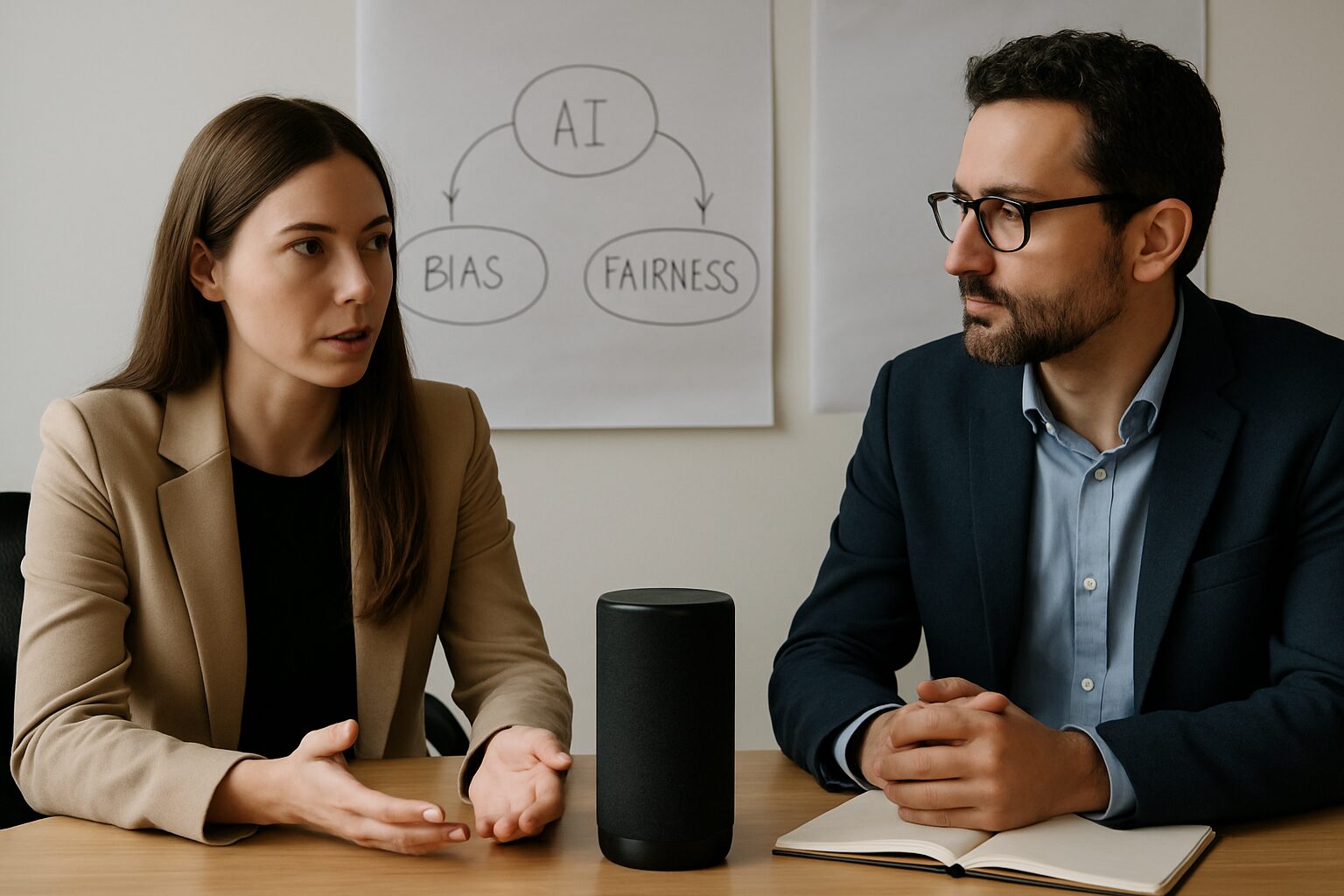
Bias and fairness are key concerns in the development and use of artificial intelligence. AI systems learn from data, and if that data reflects human biases—whether based on race, gender, age, or other factors—the AI can unintentionally perpetuate discrimination. This category explores how biases creep into AI, the real-world harms they can cause, and how to design systems that treat everyone fairly.
Why Does It Matter?
AI is increasingly used in high-stakes decisions like hiring, lending, and law enforcement. If these systems are biased, they can unfairly disadvantage certain groups, reinforcing inequality instead of progress. Addressing bias isn’t just about fixing technical flaws—it’s about ensuring AI aligns with ethical principles of justice and equal opportunity. This category examines strategies to detect, measure, and mitigate bias, helping create AI that works for everyone.
Common Issues
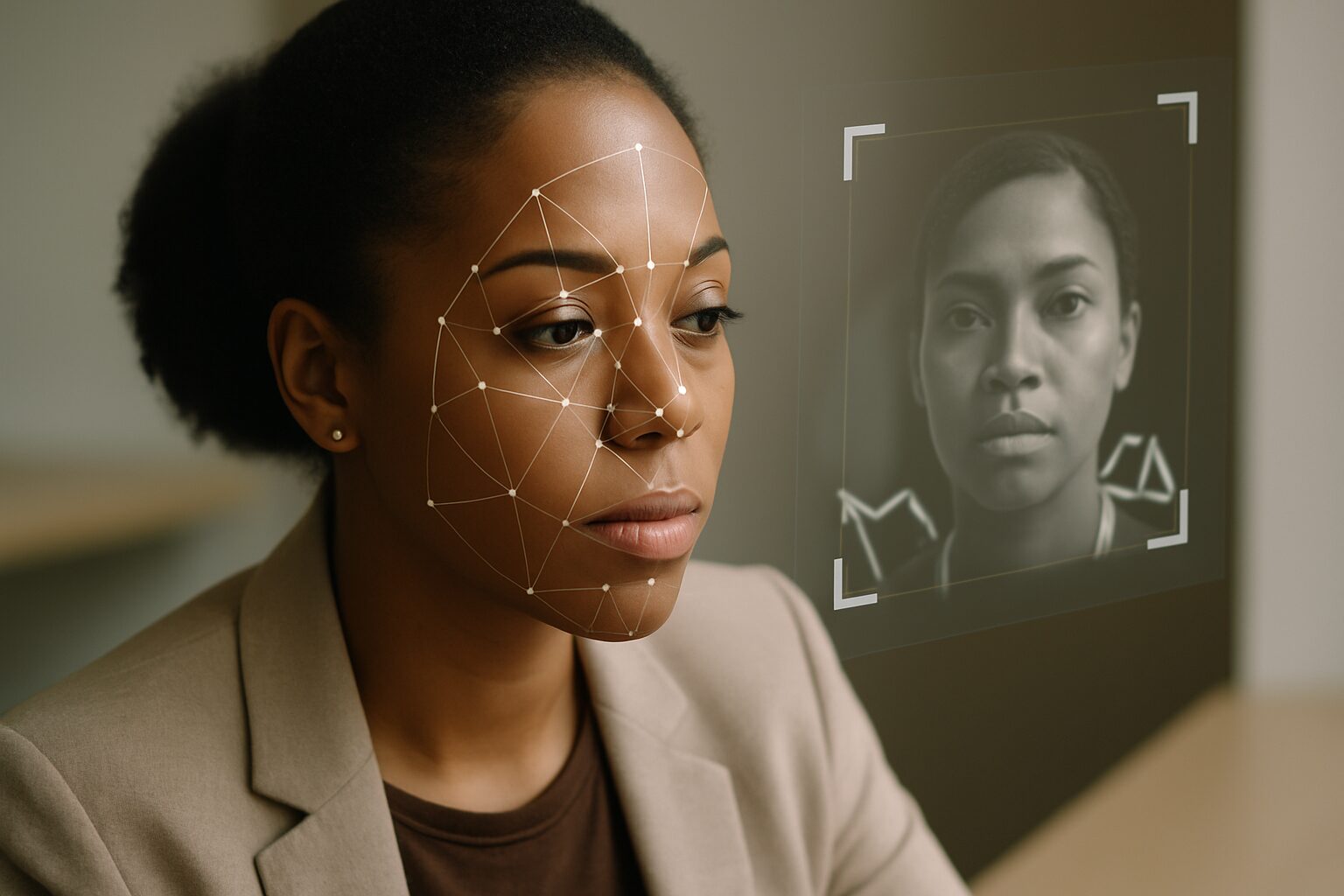
The "Bias and Fairness" category encompasses a wide range of ethical and technical challenges related to algorithmic decision-making. One recurring theme is the disproportionate impact of automated systems on marginalized groups, such as racial or gender biases in facial recognition technologies, which have been shown to misidentify individuals with darker skin tones at higher rates. Hiring tools that rely on historical data often perpetuate existing inequalities by favoring candidates from overrepresented demographics. Surveillance systems, particularly those deployed in policing, raise concerns about reinforcing discriminatory practices through predictive policing algorithms that target specific neighborhoods or communities. Debates also arise around fairness metrics, with discussions on whether to prioritize individual fairness, group fairness, or other mathematical formulations of equity. Another common concern is the transparency of automated decision-making processes, particularly in high-stakes domains like loan approvals or criminal sentencing, where biased training data can lead to unjust outcomes. The tension between accuracy and fairness frequently emerges, as optimizing for one may come at the expense of the other. These issues highlight the need for rigorous auditing, diverse training datasets, and ongoing monitoring to mitigate harmful biases in AI systems.
Why does it matter?
Bias and fairness in AI ethics directly impact marginalized groups, as algorithmic decisions can perpetuate existing inequalities in areas like hiring, lending, and law enforcement. If AI systems are trained on biased data or designed without accountability, they may reinforce discriminatory practices, affecting access to opportunities and resources. Businesses risk legal repercussions and reputational damage if their AI systems produce unfair outcomes, while policymakers face pressure to regulate these technologies to prevent harm.
Unchecked bias in AI can undermine public trust in automated systems, leading to resistance against their adoption even in beneficial applications. Companies deploying AI may face financial losses due to flawed decision-making, while governments could struggle with ineffective or unjust policy implementations. Addressing bias ensures AI systems work equitably, benefiting all stakeholders and maintaining societal confidence in emerging technologies.
Shared Themes
Shared Themes Between "Bias and Fairness" and Other AI Ethics Categories
1. Autonomy and Responsibility
Bias in AI systems can undermine human autonomy by making decisions that unfairly limit opportunities (e.g., biased hiring algorithms). Responsibility comes into play when developers and organizations must ensure fairness in AI outcomes, holding them accountable for biased systems.
2. Education and Access
Bias can worsen inequalities in education and access—for example, if AI-driven learning tools favor certain demographics. Fairness requires ensuring equal access to AI benefits, which ties into broader educational equity.
3. Labor and Economy
AI bias in hiring, promotions, or job automation can deepen workplace inequalities. Fairness in AI is critical to preventing systemic discrimination in labor markets and ensuring economic opportunities are distributed justly.
4. Manipulation and Influence
Biased algorithms can reinforce harmful stereotypes or manipulate public opinion (e.g., in social media recommendations). Fairness requires transparency to prevent AI from being used to exploit or mislead vulnerable groups.
5. Privacy and Consent
Bias often stems from flawed or unrepresentative data, raising privacy concerns—was consent given for how data is used? Fairness depends on ethical data collection and ensuring AI doesn’t discriminate based on private attributes.
6. Safety and Risk
Biased AI can create safety risks—for example, facial recognition errors harming certain groups. Fairness means mitigating these risks to ensure AI systems are safe and equitable for all users.
Frequently Asked Questions
What is bias in AI, and why should I care about it?
Bias in AI refers to systematic errors or unfair preferences in algorithms that can lead to discriminatory outcomes. You should care because biased AI can affect decisions in areas like hiring, loans, or law enforcement, potentially harming individuals or groups unfairly based on race, gender, or other characteristics.
How can AI become biased if it's just code?
AI learns from data created by humans, which can reflect historical biases or societal inequalities. If the training data contains biased patterns (e.g., favoring certain demographics), the AI will replicate and sometimes amplify those biases in its decisions, even if no programmer intentionally designed it that way.
Is it illegal for AI systems to be biased?
It depends on the context and jurisdiction. In many countries, discriminatory outcomes from AI may violate anti-discrimination laws if they affect protected characteristics like race or gender. However, legal frameworks are still catching up to address AI-specific cases, making this a developing area of law.
Can biased AI affect me even if I'm not part of a minority group?
Yes. While bias often disproportionately impacts marginalized groups, flawed AI systems can create problems for anyone. For example, a biased hiring algorithm might overlook qualified candidates of all backgrounds, or a flawed credit-scoring model could unfairly deny loans to people outside its 'preferred' patterns.
What can ordinary people do to address AI bias?
You can stay informed about AI systems affecting your life (e.g., asking how decisions are made), support organizations advocating for ethical AI, and demand transparency from companies and governments using these systems. Public pressure has led many organizations to audit their AI for fairness.


















What Is Bias and Fairness in AI?
Bias and fairness are key concerns in the development and use of artificial intelligence. AI systems learn from data, and if that data reflects human biases—whether based on race, gender, age, or other factors—the AI can unintentionally perpetuate discrimination. This category explores how biases creep into AI, the real-world harms they can cause, and how to design systems that treat everyone fairly.
Why Does It Matter?
AI is increasingly used in high-stakes decisions like hiring, lending, and law enforcement. If these systems are biased, they can unfairly disadvantage certain groups, reinforcing inequality instead of progress. Addressing bias isn’t just about fixing technical flaws—it’s about ensuring AI aligns with ethical principles of justice and equal opportunity. This category examines strategies to detect, measure, and mitigate bias, helping create AI that works for everyone.
Common Issues
The "Bias and Fairness" category encompasses a wide range of ethical and technical challenges related to algorithmic decision-making. One recurring theme is the disproportionate impact of automated systems on marginalized groups, such as racial or gender biases in facial recognition technologies, which have been shown to misidentify individuals with darker skin tones at higher rates. Hiring tools that rely on historical data often perpetuate existing inequalities by favoring candidates from overrepresented demographics. Surveillance systems, particularly those deployed in policing, raise concerns about reinforcing discriminatory practices through predictive policing algorithms that target specific neighborhoods or communities. Debates also arise around fairness metrics, with discussions on whether to prioritize individual fairness, group fairness, or other mathematical formulations of equity. Another common concern is the transparency of automated decision-making processes, particularly in high-stakes domains like loan approvals or criminal sentencing, where biased training data can lead to unjust outcomes. The tension between accuracy and fairness frequently emerges, as optimizing for one may come at the expense of the other. These issues highlight the need for rigorous auditing, diverse training datasets, and ongoing monitoring to mitigate harmful biases in AI systems.
Why does it matter?
Bias and fairness in AI ethics directly impact marginalized groups, as algorithmic decisions can perpetuate existing inequalities in areas like hiring, lending, and law enforcement. If AI systems are trained on biased data or designed without accountability, they may reinforce discriminatory practices, affecting access to opportunities and resources. Businesses risk legal repercussions and reputational damage if their AI systems produce unfair outcomes, while policymakers face pressure to regulate these technologies to prevent harm.
Unchecked bias in AI can undermine public trust in automated systems, leading to resistance against their adoption even in beneficial applications. Companies deploying AI may face financial losses due to flawed decision-making, while governments could struggle with ineffective or unjust policy implementations. Addressing bias ensures AI systems work equitably, benefiting all stakeholders and maintaining societal confidence in emerging technologies.
Shared Themes
Shared Themes Between "Bias and Fairness" and Other AI Ethics Categories
1. Autonomy and Responsibility
Bias in AI systems can undermine human autonomy by making decisions that unfairly limit opportunities (e.g., biased hiring algorithms). Responsibility comes into play when developers and organizations must ensure fairness in AI outcomes, holding them accountable for biased systems.
2. Education and Access
Bias can worsen inequalities in education and access—for example, if AI-driven learning tools favor certain demographics. Fairness requires ensuring equal access to AI benefits, which ties into broader educational equity.
3. Labor and Economy
AI bias in hiring, promotions, or job automation can deepen workplace inequalities. Fairness in AI is critical to preventing systemic discrimination in labor markets and ensuring economic opportunities are distributed justly.
4. Manipulation and Influence
Biased algorithms can reinforce harmful stereotypes or manipulate public opinion (e.g., in social media recommendations). Fairness requires transparency to prevent AI from being used to exploit or mislead vulnerable groups.
5. Privacy and Consent
Bias often stems from flawed or unrepresentative data, raising privacy concerns—was consent given for how data is used? Fairness depends on ethical data collection and ensuring AI doesn’t discriminate based on private attributes.
6. Safety and Risk
Biased AI can create safety risks—for example, facial recognition errors harming certain groups. Fairness means mitigating these risks to ensure AI systems are safe and equitable for all users.
Frequently Asked Questions
What is bias in AI, and why should I care about it?
Bias in AI refers to systematic errors or unfair preferences in algorithms that can lead to discriminatory outcomes. You should care because biased AI can affect decisions in areas like hiring, loans, or law enforcement, potentially harming individuals or groups unfairly based on race, gender, or other characteristics.
How can AI become biased if it's just code?
AI learns from data created by humans, which can reflect historical biases or societal inequalities. If the training data contains biased patterns (e.g., favoring certain demographics), the AI will replicate and sometimes amplify those biases in its decisions, even if no programmer intentionally designed it that way.
Is it illegal for AI systems to be biased?
It depends on the context and jurisdiction. In many countries, discriminatory outcomes from AI may violate anti-discrimination laws if they affect protected characteristics like race or gender. However, legal frameworks are still catching up to address AI-specific cases, making this a developing area of law.
Can biased AI affect me even if I'm not part of a minority group?
Yes. While bias often disproportionately impacts marginalized groups, flawed AI systems can create problems for anyone. For example, a biased hiring algorithm might overlook qualified candidates of all backgrounds, or a flawed credit-scoring model could unfairly deny loans to people outside its 'preferred' patterns.
What can ordinary people do to address AI bias?
You can stay informed about AI systems affecting your life (e.g., asking how decisions are made), support organizations advocating for ethical AI, and demand transparency from companies and governments using these systems. Public pressure has led many organizations to audit their AI for fairness.