Privacy and Consent

Privacy and Consent in AI
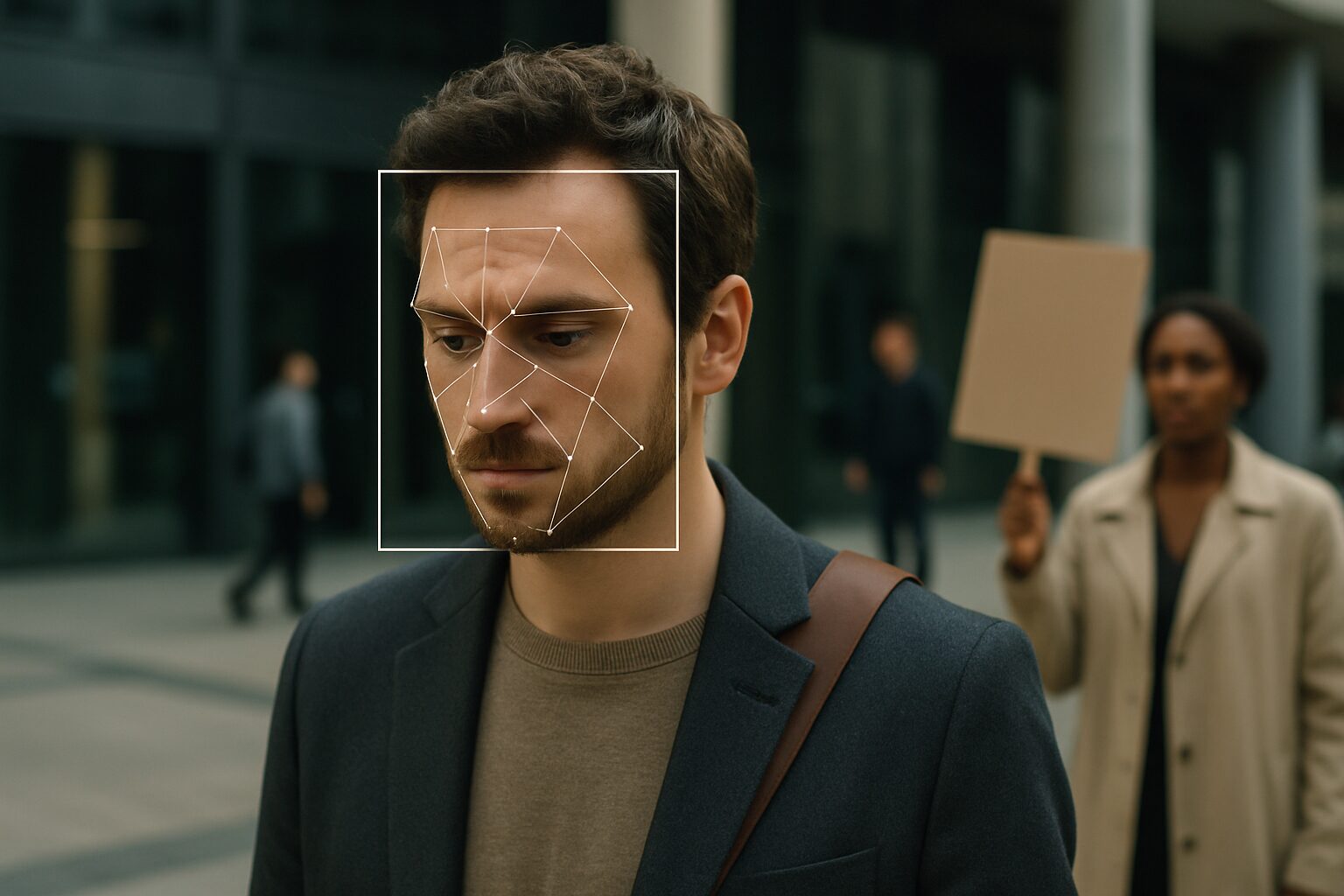
This category explores how AI systems handle personal data and whether they respect individuals' rights to privacy and informed consent. As AI becomes more integrated into daily life—from facial recognition to personalized recommendations—questions arise about how data is collected, stored, and used. Privacy and consent are foundational to ethical AI because they ensure people maintain control over their information and understand how it’s being used.
Why It Matters
Without strong privacy protections and clear consent processes, AI can unintentionally exploit or harm users. For example, an AI tool might collect sensitive data without permission or use it in ways the user didn’t agree to. This category examines real-world challenges, like biased algorithms or data breaches, and highlights best practices for designing AI systems that prioritize user trust and transparency. By addressing these issues, we can build AI that benefits society without compromising individual rights.
Common Issues
The "Privacy and Consent" category encompasses a wide range of topics centered on the ethical collection, use, and protection of personal data. A recurring theme is the deployment of surveillance technologies, such as facial recognition systems in public spaces, which raise concerns about mass monitoring and the erosion of anonymity. Workplace monitoring tools, including employee tracking software and keystroke logging, also spark debates over the balance between organizational security and individual privacy. In hiring and employment, algorithmic decision-making tools used for resume screening or personality assessments often face scrutiny for potential biases and the lack of transparency in how data informs outcomes. Another critical area is the use of health data, where wearable devices and telemedicine platforms collect sensitive information, prompting discussions about data ownership and third-party sharing. Additionally, the rise of targeted advertising based on behavioral tracking highlights tensions between personalized user experiences and intrusive data harvesting. These examples illustrate the ongoing struggle to define boundaries between technological advancement, corporate interests, and individual rights.
Why does it matter?
Privacy and consent in AI ethics directly impact individuals whose personal data is collected, processed, or shared without their knowledge or permission. When AI systems use data irresponsibly, it can lead to surveillance, discrimination, or misuse of sensitive information, disproportionately affecting marginalized groups. Businesses risk legal penalties and reputational damage if they fail to comply with regulations like GDPR or CCPA. Policymakers must balance innovation with safeguards to prevent harm, as unchecked data practices erode public trust in technology.
Transparent consent mechanisms ensure users understand how their data will be used, fostering accountability in AI development. Without clear guidelines, companies may exploit data for profit, while individuals lose control over their digital identities. The stakes include not only personal privacy but also broader societal issues like algorithmic bias and autonomy. Businesses that prioritize ethical data practices can avoid regulatory backlash, while policymakers play a key role in setting standards that protect rights without stifling innovation.
Shared Themes
Shared Themes Between "Privacy and Consent" and Other AI Ethics Categories
1. Autonomy and Responsibility
Privacy and consent are deeply tied to individual autonomy—the ability to control one's personal data is a key part of self-determination. When AI systems collect or use data without proper consent, they undermine autonomy. Conversely, respecting privacy reinforces responsible AI development by ensuring users have agency over their information.
2. Bias and Fairness
Privacy violations can lead to biased outcomes. For example, if an AI system uses personal data without consent to make decisions (like hiring or lending), it may disproportionately harm marginalized groups. Lack of transparency in data collection also makes it harder to detect and correct biases.
3. Education and Access
Informed consent requires that users understand how their data is used. Without proper education about AI and data practices, people can't meaningfully consent. Additionally, unequal access to privacy tools (like encryption) can leave some groups more vulnerable to misuse of their data.
4. Labor and Economy
Workplace surveillance powered by AI raises privacy concerns, especially when employees aren't fully aware of what data is collected. This ties into broader economic power imbalances—companies with vast amounts of personal data can exploit it for profit, often without user consent.
5. Manipulation and Influence
When AI systems gather personal data without consent, they can use it to manipulate behavior (e.g., targeted ads or political microtargeting). Privacy protections are a safeguard against such exploitative practices.
6. Safety and Risk
Poor data privacy practices increase risks like identity theft, doxxing, or misuse of sensitive information. AI systems that handle personal data must balance utility with safety, ensuring consent is obtained and risks are minimized.
Frequently Asked Questions
Why is privacy important in AI systems?
Privacy is crucial in AI because these systems often process large amounts of personal data. Without proper safeguards, AI could misuse or expose sensitive information, leading to identity theft, discrimination, or loss of personal autonomy. Ethical AI respects user privacy by minimizing data collection and ensuring transparency.
Do I have to consent to my data being used by AI?
In most jurisdictions, yesu2014organizations are legally required to obtain your informed consent before collecting or using your personal data in AI systems. This means they must clearly explain what data is being collected, how it will be used, and give you the option to opt out where applicable.
Can AI make decisions about me without my knowledge?
Unfortunately, yesu2014some AI systems automate decisions (like loan approvals or job screenings) using your data. However, regulations like the GDPR in the EU require transparency, meaning you have the right to know when AI is used and to contest automated decisions in certain cases.
How can I protect my privacy when interacting with AI?
You can protect your privacy by reviewing privacy policies before using AI services, limiting the personal data you share, adjusting privacy settings, and using tools like ad blockers or VPNs. Always opt out of unnecessary data collection when possible.
Is it legal for companies to sell my data to train AI?
This depends on local laws and the consent you provided. Many regions require companies to disclose if data is sold or shared with third parties. If a company sells your data without proper consent (or a lawful basis under regulations like GDPR), it may be illegal. Always check privacy policies to understand how your data is used.



















Privacy and Consent in AI
This category explores how AI systems handle personal data and whether they respect individuals' rights to privacy and informed consent. As AI becomes more integrated into daily life—from facial recognition to personalized recommendations—questions arise about how data is collected, stored, and used. Privacy and consent are foundational to ethical AI because they ensure people maintain control over their information and understand how it’s being used.
Why It Matters
Without strong privacy protections and clear consent processes, AI can unintentionally exploit or harm users. For example, an AI tool might collect sensitive data without permission or use it in ways the user didn’t agree to. This category examines real-world challenges, like biased algorithms or data breaches, and highlights best practices for designing AI systems that prioritize user trust and transparency. By addressing these issues, we can build AI that benefits society without compromising individual rights.
Common Issues
The "Privacy and Consent" category encompasses a wide range of topics centered on the ethical collection, use, and protection of personal data. A recurring theme is the deployment of surveillance technologies, such as facial recognition systems in public spaces, which raise concerns about mass monitoring and the erosion of anonymity. Workplace monitoring tools, including employee tracking software and keystroke logging, also spark debates over the balance between organizational security and individual privacy. In hiring and employment, algorithmic decision-making tools used for resume screening or personality assessments often face scrutiny for potential biases and the lack of transparency in how data informs outcomes. Another critical area is the use of health data, where wearable devices and telemedicine platforms collect sensitive information, prompting discussions about data ownership and third-party sharing. Additionally, the rise of targeted advertising based on behavioral tracking highlights tensions between personalized user experiences and intrusive data harvesting. These examples illustrate the ongoing struggle to define boundaries between technological advancement, corporate interests, and individual rights.
Why does it matter?
Privacy and consent in AI ethics directly impact individuals whose personal data is collected, processed, or shared without their knowledge or permission. When AI systems use data irresponsibly, it can lead to surveillance, discrimination, or misuse of sensitive information, disproportionately affecting marginalized groups. Businesses risk legal penalties and reputational damage if they fail to comply with regulations like GDPR or CCPA. Policymakers must balance innovation with safeguards to prevent harm, as unchecked data practices erode public trust in technology.
Transparent consent mechanisms ensure users understand how their data will be used, fostering accountability in AI development. Without clear guidelines, companies may exploit data for profit, while individuals lose control over their digital identities. The stakes include not only personal privacy but also broader societal issues like algorithmic bias and autonomy. Businesses that prioritize ethical data practices can avoid regulatory backlash, while policymakers play a key role in setting standards that protect rights without stifling innovation.
Shared Themes
Shared Themes Between "Privacy and Consent" and Other AI Ethics Categories
1. Autonomy and Responsibility
Privacy and consent are deeply tied to individual autonomy—the ability to control one's personal data is a key part of self-determination. When AI systems collect or use data without proper consent, they undermine autonomy. Conversely, respecting privacy reinforces responsible AI development by ensuring users have agency over their information.
2. Bias and Fairness
Privacy violations can lead to biased outcomes. For example, if an AI system uses personal data without consent to make decisions (like hiring or lending), it may disproportionately harm marginalized groups. Lack of transparency in data collection also makes it harder to detect and correct biases.
3. Education and Access
Informed consent requires that users understand how their data is used. Without proper education about AI and data practices, people can't meaningfully consent. Additionally, unequal access to privacy tools (like encryption) can leave some groups more vulnerable to misuse of their data.
4. Labor and Economy
Workplace surveillance powered by AI raises privacy concerns, especially when employees aren't fully aware of what data is collected. This ties into broader economic power imbalances—companies with vast amounts of personal data can exploit it for profit, often without user consent.
5. Manipulation and Influence
When AI systems gather personal data without consent, they can use it to manipulate behavior (e.g., targeted ads or political microtargeting). Privacy protections are a safeguard against such exploitative practices.
6. Safety and Risk
Poor data privacy practices increase risks like identity theft, doxxing, or misuse of sensitive information. AI systems that handle personal data must balance utility with safety, ensuring consent is obtained and risks are minimized.
Frequently Asked Questions
Why is privacy important in AI systems?
Privacy is crucial in AI because these systems often process large amounts of personal data. Without proper safeguards, AI could misuse or expose sensitive information, leading to identity theft, discrimination, or loss of personal autonomy. Ethical AI respects user privacy by minimizing data collection and ensuring transparency.
Do I have to consent to my data being used by AI?
In most jurisdictions, yesu2014organizations are legally required to obtain your informed consent before collecting or using your personal data in AI systems. This means they must clearly explain what data is being collected, how it will be used, and give you the option to opt out where applicable.
Can AI make decisions about me without my knowledge?
Unfortunately, yesu2014some AI systems automate decisions (like loan approvals or job screenings) using your data. However, regulations like the GDPR in the EU require transparency, meaning you have the right to know when AI is used and to contest automated decisions in certain cases.
How can I protect my privacy when interacting with AI?
You can protect your privacy by reviewing privacy policies before using AI services, limiting the personal data you share, adjusting privacy settings, and using tools like ad blockers or VPNs. Always opt out of unnecessary data collection when possible.
Is it legal for companies to sell my data to train AI?
This depends on local laws and the consent you provided. Many regions require companies to disclose if data is sold or shared with third parties. If a company sells your data without proper consent (or a lawful basis under regulations like GDPR), it may be illegal. Always check privacy policies to understand how your data is used.