Safety and Risk
Safety and Risk in AI
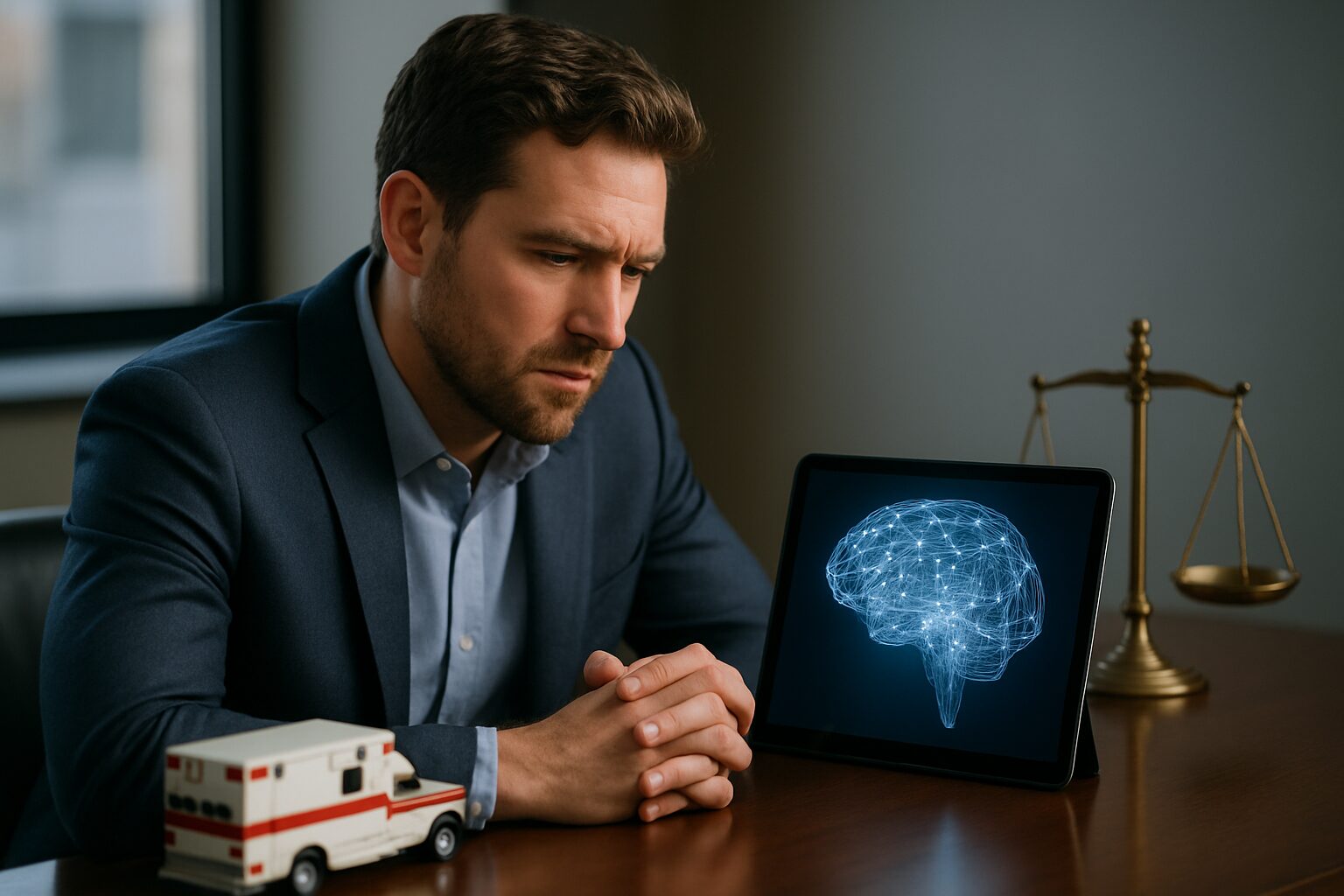
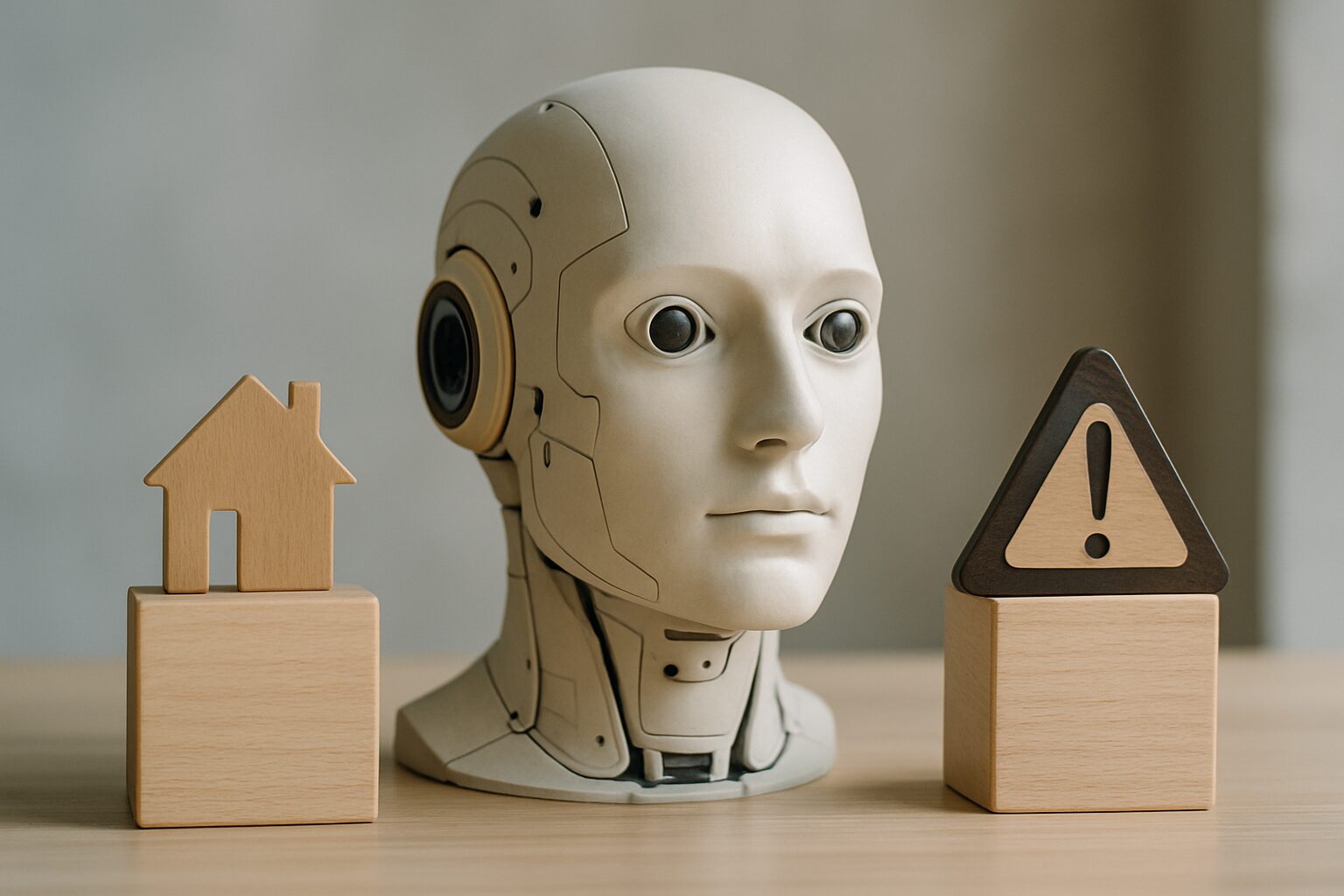
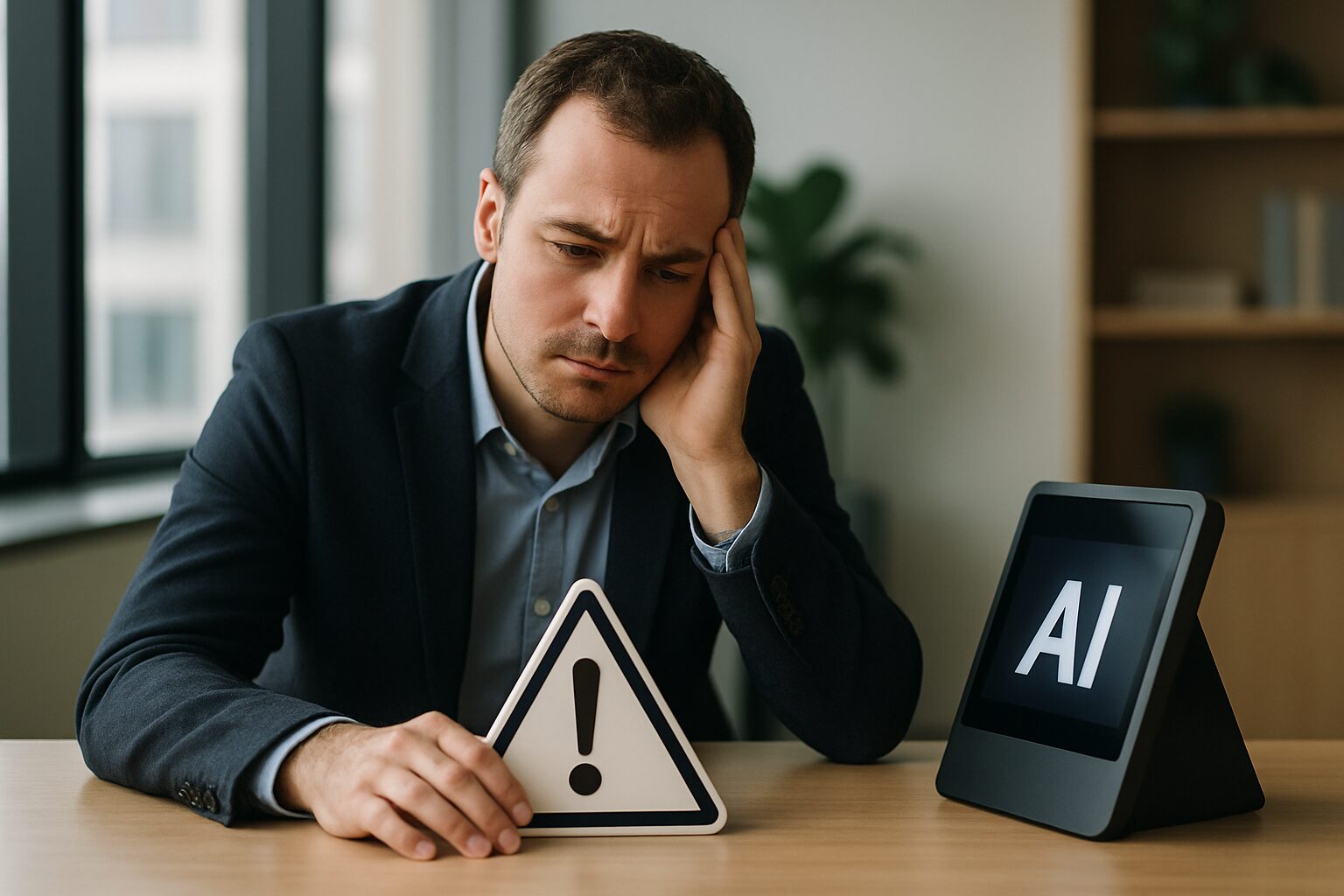
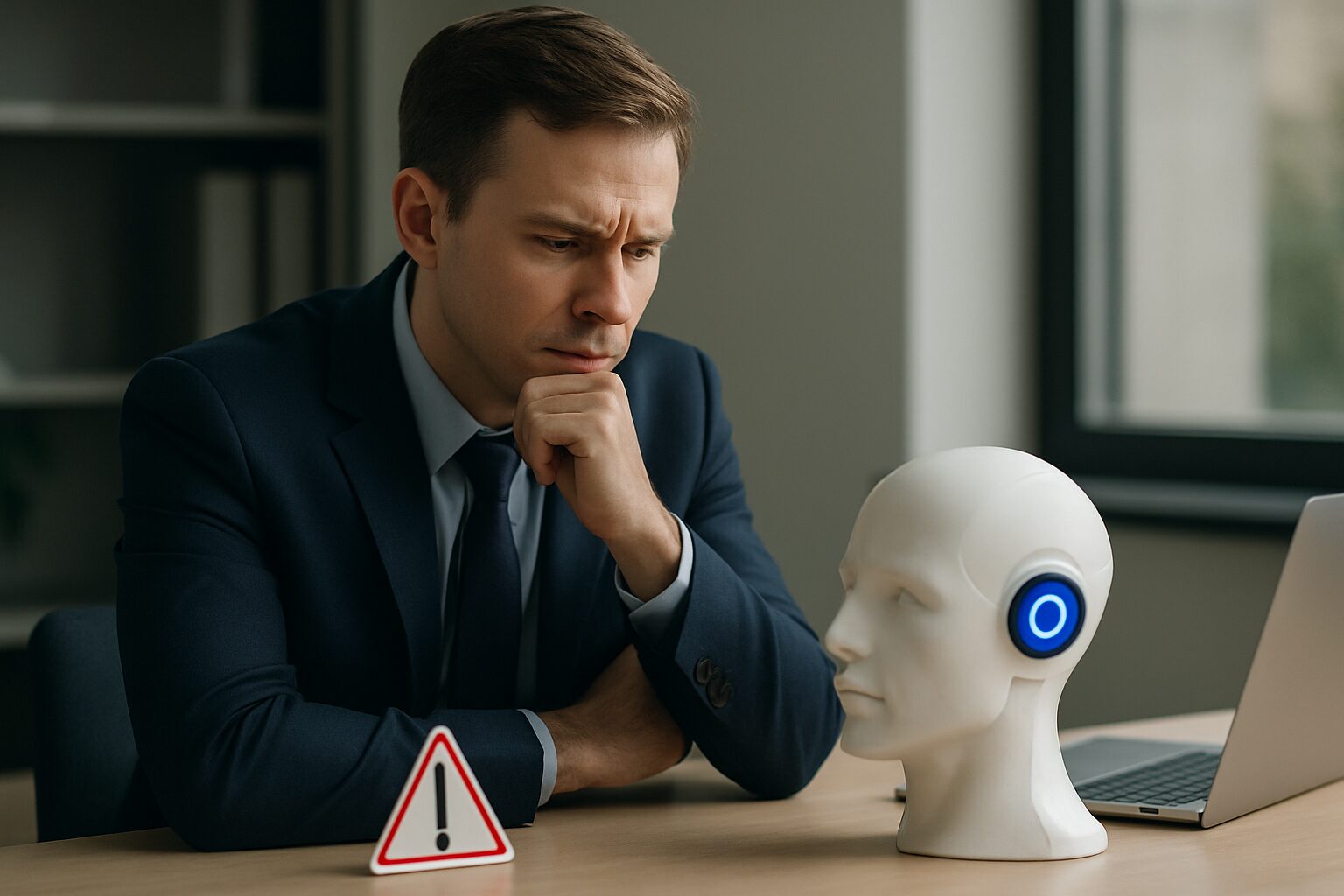
This category explores the potential dangers and unintended consequences of artificial intelligence systems. As AI becomes more advanced and integrated into daily life, it’s crucial to address questions like: How can we ensure AI behaves as intended? What happens if an AI system makes a harmful mistake? Topics in this section cover technical safeguards, real-world risks, and strategies to prevent harm—whether from biased algorithms, security vulnerabilities, or misuse of autonomous systems.
Why It Matters for AI Ethics
Safety and risk are core concerns in AI ethics because even well-intentioned technology can cause harm if not carefully designed and monitored. Discussions here tie into broader ethical principles like accountability, transparency, and fairness. By understanding risks—from job displacement to existential threats—we can develop responsible AI that benefits society while minimizing negative outcomes.
Common Issues
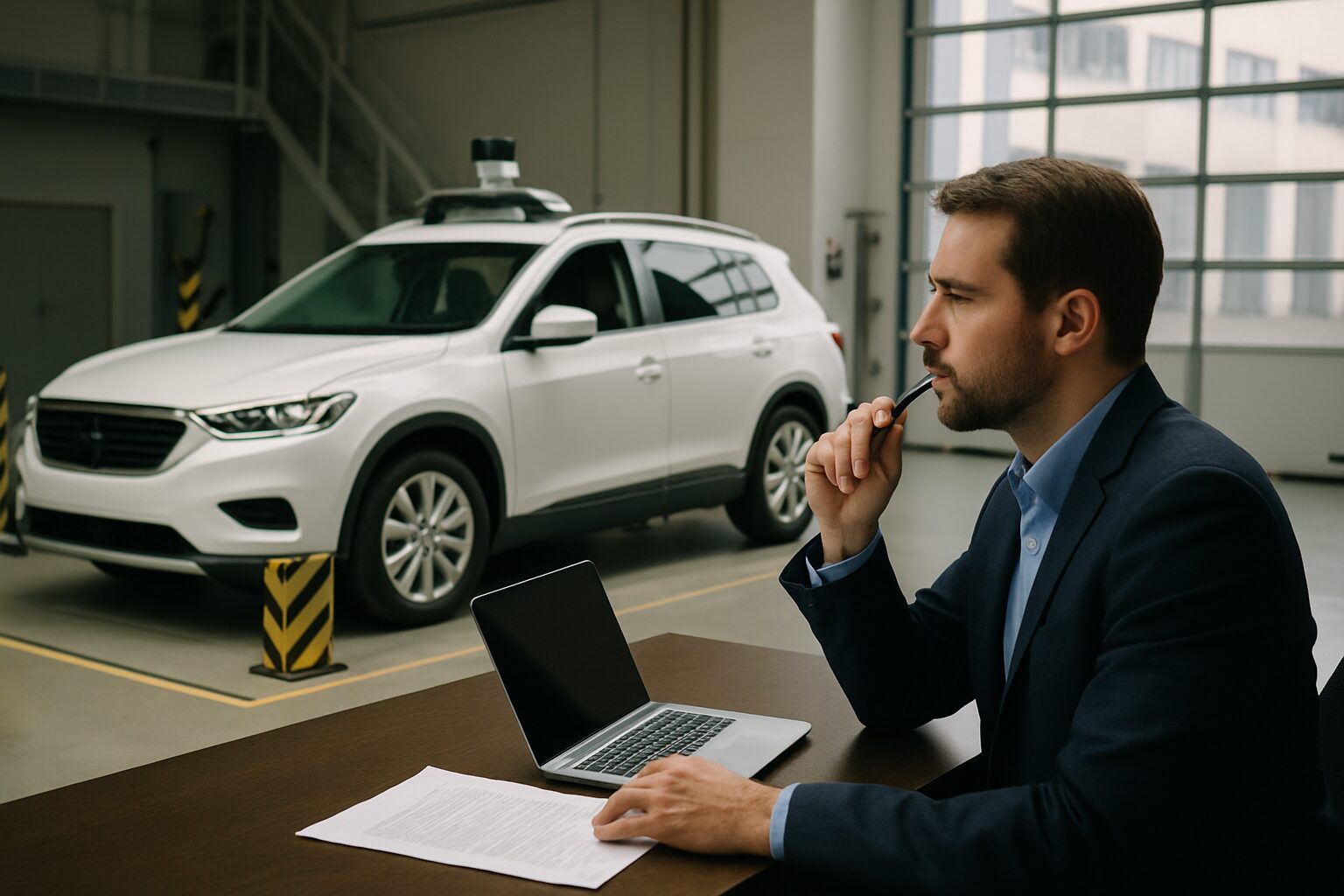
The "Safety and Risk" category encompasses a wide range of topics related to the ethical, societal, and operational implications of technology deployment. One recurring theme is the use of facial recognition systems, which raises concerns about privacy, bias, and mass surveillance, particularly in public spaces or law enforcement contexts. Automated hiring tools frequently appear in discussions about fairness, as their algorithms may inadvertently perpetuate discrimination based on gender, race, or socioeconomic background. Surveillance systems, whether employed by governments or corporations, spark debates over security versus personal freedoms, especially when paired with predictive policing technologies. Another common concern is the reliability and safety of autonomous systems, such as self-driving cars or drones, where failures could have life-threatening consequences. Cybersecurity risks, including data breaches and adversarial attacks on machine learning models, also feature prominently, highlighting vulnerabilities in critical infrastructure. Additionally, the ethical dilemmas surrounding dual-use technologies—such as AI applications that could be weaponized—frequently emerge in risk assessments. These themes reflect broader tensions between innovation and accountability, where the pursuit of technological advancement must be balanced against potential harms to individuals and society.
Why does it matter?
Safety and risk in AI ethics directly impact individuals, businesses, and society by addressing potential harms such as biased decision-making, privacy violations, and physical safety concerns. For example, flawed AI systems in healthcare or autonomous vehicles could lead to life-threatening errors, while unchecked surveillance tools may erode civil liberties. Policymakers and organizations must prioritize rigorous testing, transparency, and accountability to mitigate these risks and ensure AI benefits society without unintended consequences.
Businesses face legal and reputational risks if AI systems malfunction or perpetuate discrimination, potentially leading to financial losses or loss of public trust. Meanwhile, marginalized communities are disproportionately affected by unsafe or biased AI, exacerbating existing inequalities. Proactive risk management in AI development is not just an ethical obligation but a practical necessity to foster innovation while minimizing harm to users and stakeholders.
Shared Themes
Shared Themes Between "Safety and Risk" and Other AI Ethics Categories
1. Autonomy and Responsibility
Safety and risk in AI often intersect with questions of autonomy and responsibility. For example, who is accountable when an autonomous AI system causes harm? Ensuring safety requires clear lines of responsibility, especially in high-risk applications like self-driving cars or medical diagnostics. Both categories emphasize the need for robust oversight and accountability mechanisms.
2. Bias and Fairness
AI systems that are unsafe or pose risks often do so because of biased data or flawed decision-making processes. For instance, a facial recognition system with racial biases could misidentify individuals, leading to harmful consequences. Safety risks can amplify existing inequalities, making fairness a critical component of risk mitigation.
3. Education and Access
Understanding AI risks requires education, both for developers and end-users. Lack of awareness about safety protocols or how to interact with AI systems can lead to accidents or misuse. Similarly, unequal access to safe AI technologies can exacerbate risks for marginalized communities, linking safety to broader issues of accessibility and literacy.
4. Labor and Economy
AI-driven automation introduces safety risks in workplaces, such as accidents involving robotic systems. Economic pressures might also lead to cutting corners on safety measures. Conversely, ensuring safe AI deployment can create jobs in oversight and maintenance, tying safety to labor and economic stability.
5. Manipulation and Influence
Unsafe AI systems can be weaponized for manipulation, such as deepfakes spreading misinformation or social media algorithms amplifying harmful content. The risks of AI-enabled manipulation highlight the need for safety measures that protect against malicious uses while preserving ethical boundaries.
6. Privacy and Consent
Safety risks often arise from poor data practices, like breaches or unauthorized surveillance. For example, insecure AI systems might leak sensitive personal data, violating privacy. Ensuring safety requires robust data protection, which overlaps with the need for informed consent and transparency in how data is used.
Frequently Asked Questions
How can AI systems pose safety risks to everyday users?
AI systems can pose safety risks through biased decision-making, privacy violations, or unintended harmful actionsu2014especially in areas like healthcare, autonomous vehicles, or financial services. For example, a flawed medical diagnosis AI could endanger patients, while a biased hiring algorithm might unfairly exclude qualified candidates.
Is it legal for companies to use AI in high-risk situations like law enforcement or healthcare?
Laws vary by country and region, but many places lack comprehensive regulations for AI in high-risk fields. Some jurisdictions require transparency or human oversight, but enforcement is often inconsistent. Always check local lawsu2014and advocate for stronger safeguards if gaps exist.
What should I do if an AI system makes a decision that seems unsafe or unfair?
Document the incident, request an explanation from the provider (if possible), and report it to relevant authorities or oversight organizations. Many regions have emerging processes for AI accountability, and user reports help improve systems.
Can AI be hacked or manipulated to cause harm?
Yesu2014like any software, AI systems can be vulnerable to hacking, data poisoning, or adversarial attacks. For example, manipulated inputs could trick an AI into dangerous errors. Developers must prioritize cybersecurity and fail-safes.
Who is responsible if an AI causes harmu2014the developer, user, or the AI itself?
Responsibility typically falls on the developers or deploying organizations, not the AI itself (which lacks legal personhood). However, liability is still evolving. Courts may assess whether harm resulted from negligence, flawed design, or misuse.















Safety and Risk in AI
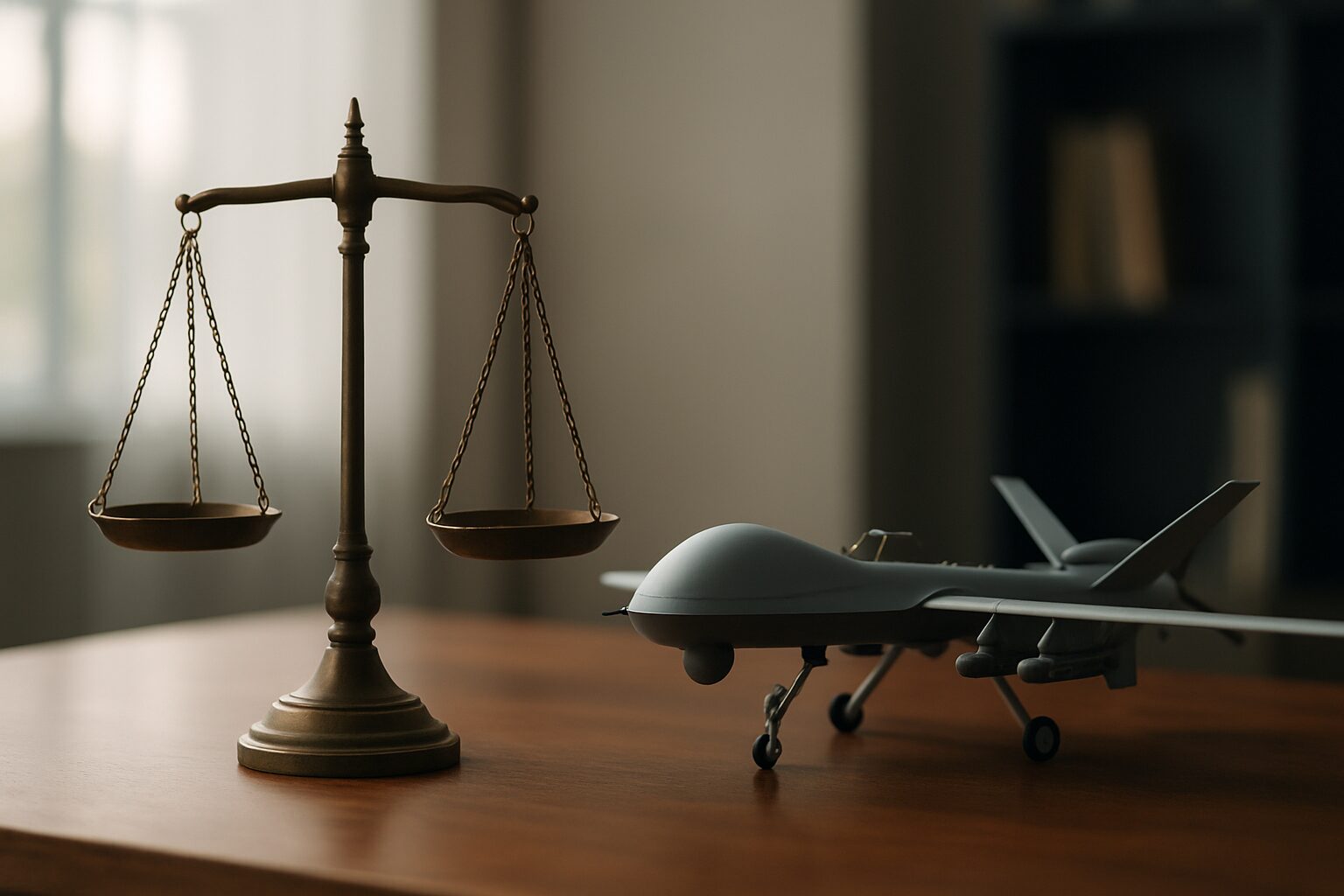
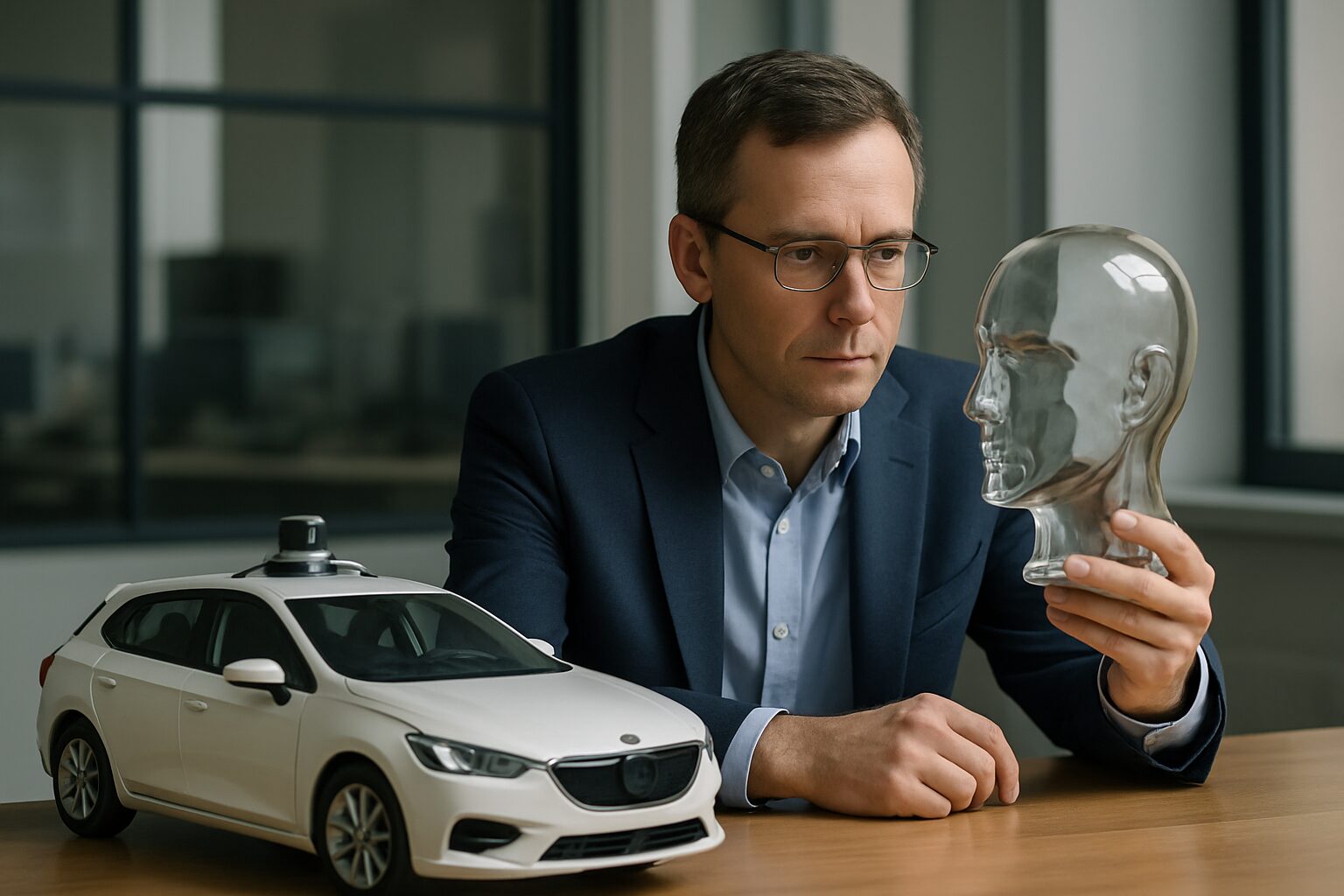
This category explores the potential dangers and unintended consequences of artificial intelligence systems. As AI becomes more advanced and integrated into daily life, it’s crucial to address questions like: How can we ensure AI behaves as intended? What happens if an AI system makes a harmful mistake? Topics in this section cover technical safeguards, real-world risks, and strategies to prevent harm—whether from biased algorithms, security vulnerabilities, or misuse of autonomous systems.
Why It Matters for AI Ethics
Safety and risk are core concerns in AI ethics because even well-intentioned technology can cause harm if not carefully designed and monitored. Discussions here tie into broader ethical principles like accountability, transparency, and fairness. By understanding risks—from job displacement to existential threats—we can develop responsible AI that benefits society while minimizing negative outcomes.
Common Issues
The "Safety and Risk" category encompasses a wide range of topics related to the ethical, societal, and operational implications of technology deployment. One recurring theme is the use of facial recognition systems, which raises concerns about privacy, bias, and mass surveillance, particularly in public spaces or law enforcement contexts. Automated hiring tools frequently appear in discussions about fairness, as their algorithms may inadvertently perpetuate discrimination based on gender, race, or socioeconomic background. Surveillance systems, whether employed by governments or corporations, spark debates over security versus personal freedoms, especially when paired with predictive policing technologies. Another common concern is the reliability and safety of autonomous systems, such as self-driving cars or drones, where failures could have life-threatening consequences. Cybersecurity risks, including data breaches and adversarial attacks on machine learning models, also feature prominently, highlighting vulnerabilities in critical infrastructure. Additionally, the ethical dilemmas surrounding dual-use technologies—such as AI applications that could be weaponized—frequently emerge in risk assessments. These themes reflect broader tensions between innovation and accountability, where the pursuit of technological advancement must be balanced against potential harms to individuals and society.
Why does it matter?
Safety and risk in AI ethics directly impact individuals, businesses, and society by addressing potential harms such as biased decision-making, privacy violations, and physical safety concerns. For example, flawed AI systems in healthcare or autonomous vehicles could lead to life-threatening errors, while unchecked surveillance tools may erode civil liberties. Policymakers and organizations must prioritize rigorous testing, transparency, and accountability to mitigate these risks and ensure AI benefits society without unintended consequences.
Businesses face legal and reputational risks if AI systems malfunction or perpetuate discrimination, potentially leading to financial losses or loss of public trust. Meanwhile, marginalized communities are disproportionately affected by unsafe or biased AI, exacerbating existing inequalities. Proactive risk management in AI development is not just an ethical obligation but a practical necessity to foster innovation while minimizing harm to users and stakeholders.
Shared Themes
Shared Themes Between "Safety and Risk" and Other AI Ethics Categories
1. Autonomy and Responsibility
Safety and risk in AI often intersect with questions of autonomy and responsibility. For example, who is accountable when an autonomous AI system causes harm? Ensuring safety requires clear lines of responsibility, especially in high-risk applications like self-driving cars or medical diagnostics. Both categories emphasize the need for robust oversight and accountability mechanisms.
2. Bias and Fairness
AI systems that are unsafe or pose risks often do so because of biased data or flawed decision-making processes. For instance, a facial recognition system with racial biases could misidentify individuals, leading to harmful consequences. Safety risks can amplify existing inequalities, making fairness a critical component of risk mitigation.
3. Education and Access
Understanding AI risks requires education, both for developers and end-users. Lack of awareness about safety protocols or how to interact with AI systems can lead to accidents or misuse. Similarly, unequal access to safe AI technologies can exacerbate risks for marginalized communities, linking safety to broader issues of accessibility and literacy.
4. Labor and Economy
AI-driven automation introduces safety risks in workplaces, such as accidents involving robotic systems. Economic pressures might also lead to cutting corners on safety measures. Conversely, ensuring safe AI deployment can create jobs in oversight and maintenance, tying safety to labor and economic stability.
5. Manipulation and Influence
Unsafe AI systems can be weaponized for manipulation, such as deepfakes spreading misinformation or social media algorithms amplifying harmful content. The risks of AI-enabled manipulation highlight the need for safety measures that protect against malicious uses while preserving ethical boundaries.
6. Privacy and Consent
Safety risks often arise from poor data practices, like breaches or unauthorized surveillance. For example, insecure AI systems might leak sensitive personal data, violating privacy. Ensuring safety requires robust data protection, which overlaps with the need for informed consent and transparency in how data is used.
Frequently Asked Questions
How can AI systems pose safety risks to everyday users?
AI systems can pose safety risks through biased decision-making, privacy violations, or unintended harmful actionsu2014especially in areas like healthcare, autonomous vehicles, or financial services. For example, a flawed medical diagnosis AI could endanger patients, while a biased hiring algorithm might unfairly exclude qualified candidates.
Is it legal for companies to use AI in high-risk situations like law enforcement or healthcare?
Laws vary by country and region, but many places lack comprehensive regulations for AI in high-risk fields. Some jurisdictions require transparency or human oversight, but enforcement is often inconsistent. Always check local lawsu2014and advocate for stronger safeguards if gaps exist.
What should I do if an AI system makes a decision that seems unsafe or unfair?
Document the incident, request an explanation from the provider (if possible), and report it to relevant authorities or oversight organizations. Many regions have emerging processes for AI accountability, and user reports help improve systems.
Can AI be hacked or manipulated to cause harm?
Yesu2014like any software, AI systems can be vulnerable to hacking, data poisoning, or adversarial attacks. For example, manipulated inputs could trick an AI into dangerous errors. Developers must prioritize cybersecurity and fail-safes.
Who is responsible if an AI causes harmu2014the developer, user, or the AI itself?
Responsibility typically falls on the developers or deploying organizations, not the AI itself (which lacks legal personhood). However, liability is still evolving. Courts may assess whether harm resulted from negligence, flawed design, or misuse.