The Ethics of AI Monitoring: Balancing Productivity and Privacy in the Workplace
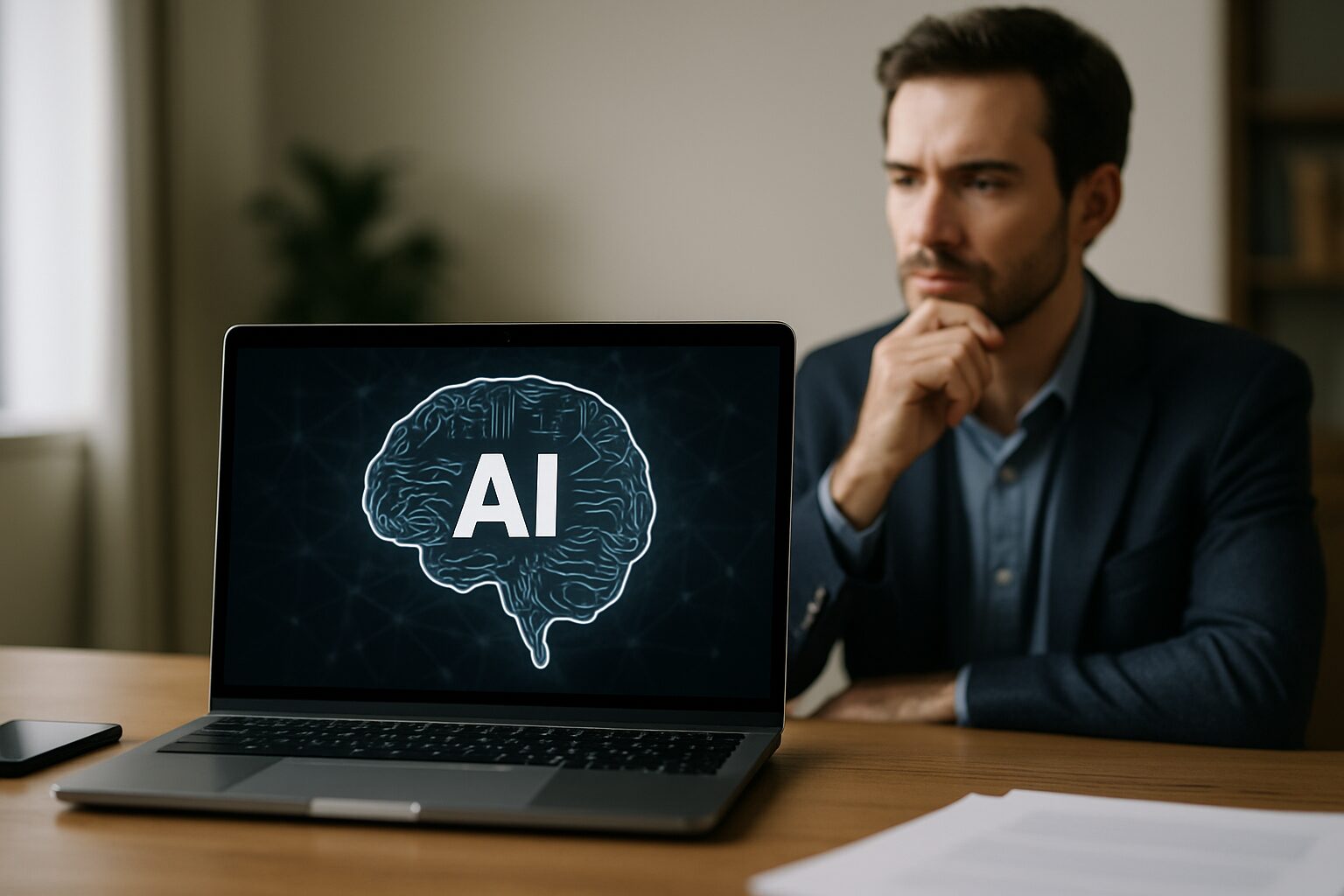
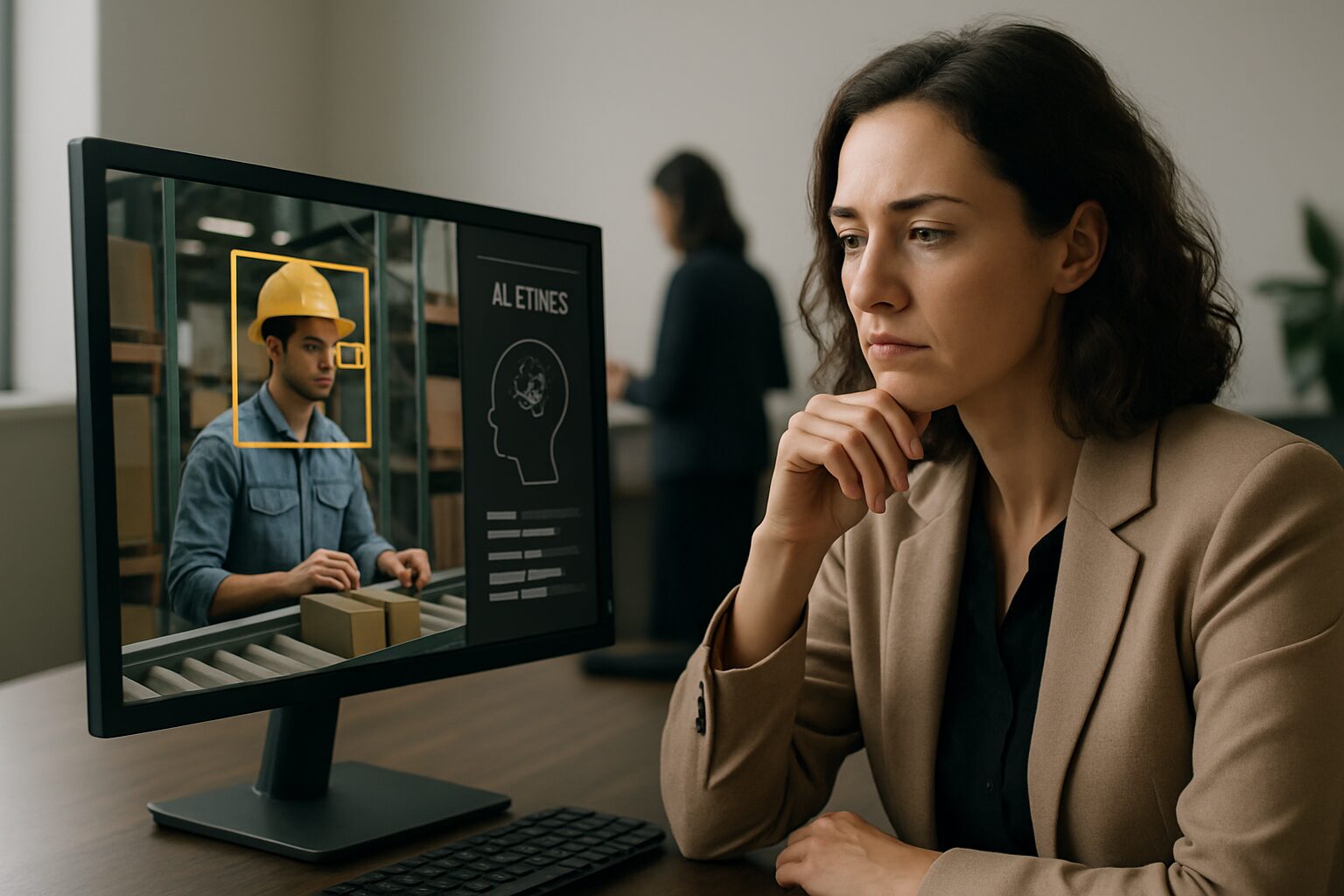
Worker surveillance using AI tools involves monitoring employees through technologies like computer vision, keystroke tracking, and productivity analytics. These systems collect data on behavior, performance, and even biometrics, raising ethical concerns about privacy, autonomy, and consent. The practice has become more widespread as businesses seek efficiency gains, prompting debates over fair labor standards and the balance between oversight and worker rights.
Why It Matters - Real-world impact
Worker surveillance powered by AI tools raises critical ethical concerns with real-world consequences for employees, employers, and society at large. Employees face heightened stress and eroded trust when subjected to constant monitoring, while employers risk fostering toxic work environments that prioritize metrics over well-being. If left unchecked, these practices could normalize invasive data collection, disproportionately harm marginalized workers, and widen power imbalances in the workplace. Regular people should care because these technologies often operate opaquely, setting precedents that may eventually extend beyond workplaces into other facets of daily life. The ethical implications—from loss of autonomy to algorithmic bias—demand scrutiny before such systems become entrenched in labor practices.
Ethical Concerns - What’s wrong or risky?
Economic Impact and Job Loss
AI-driven surveillance can lead to significant economic impacts, such as wage suppression or increased pressure on workers to meet unrealistic productivity targets. This may also contribute to job loss, as automation and constant monitoring could justify replacing human roles with fully automated systems.
Fairness and Discrimination
Algorithmic systems used in surveillance may inadvertently perpetuate biases, raising concerns about fairness in evaluations. For example, performance metrics might favor certain work styles over others, unrelated to actual productivity. This can also lead to discrimination, as AI tools might disproportionately flag or penalize workers from marginalized groups based on flawed data or biased design.
Transparency and Worker Rights
Many AI surveillance tools operate as "black boxes," making it difficult for employees to understand how they are being evaluated, which challenges transparency. This lack of clarity can infringe upon worker rights, such as privacy and the right to contest unfair decisions, potentially creating an environment of distrust and disempowerment.
Differing Perspectives
Some argue that AI surveillance boosts productivity and safety, benefiting both companies and workers. Others contend that the ethical risks—such as eroded autonomy and well-being—outweigh these benefits, calling for stricter regulations and ethical guidelines.
Solutions - What’s being done or proposed?
Implementing Stronger Legal Protections for Workers
Several jurisdictions have introduced or proposed laws to limit the use of AI surveillance in workplaces. For example, the European Union's General Data Protection Regulation (GDPR) includes provisions that require transparency and consent for data collection, which can apply to workplace monitoring. In the U.S., some states have explored bills to mandate disclosure of surveillance tools and restrict invasive monitoring practices. Legal frameworks like these aim to balance employer interests with worker privacy rights.
Developing Ethical AI Guidelines for Employers
Industry groups and labor organizations have advocated for the creation of ethical guidelines governing AI surveillance in the workplace. These guidelines often emphasize principles like proportionality (using surveillance only when necessary), transparency (clearly informing workers about monitoring), and accountability (ensuring human oversight of AI decisions). Some companies have adopted such policies voluntarily to build trust with employees and avoid reputational risks.
Promoting Worker Participation in Surveillance Policies
Unions and worker advocacy groups have pushed for collective bargaining agreements that include clauses on AI surveillance. By involving employees in decisions about monitoring tools, employers can address concerns before they escalate. For instance, some workplaces have established joint labor-management committees to review and approve surveillance technologies, ensuring they are used fairly and without undue harm to workers.
Creating Technical Safeguards Against Abuse
Technologists have proposed designing AI surveillance tools with built-in privacy protections. Features like anonymizing data, limiting retention periods, and allowing workers to access their own data can mitigate some risks. Open-source audits and third-party certifications of surveillance software have also been suggested to ensure systems operate as advertised and do not covertly exploit workers.
Encouraging Alternative Productivity Measures
Instead of relying on intrusive surveillance, some organizations have shifted toward outcome-based performance metrics. By focusing on results rather than monitoring every minute of work, employers can reduce the need for pervasive AI tools. This approach has been particularly effective in knowledge-based industries, where trust and autonomy are linked to higher productivity and job satisfaction.
Raising Public Awareness and Advocacy
Nonprofits and media outlets have worked to expose harmful surveillance practices, putting pressure on companies to change. Campaigns educating workers about their rights and how to push back against excessive monitoring have also gained traction. Public scrutiny has led some employers to scale back or abandon invasive AI tools due to backlash from customers and employees alike.
Examples and Real Cases
Amazon's Employee Monitoring System
In 2019, Amazon implemented an AI-driven tracking system in its warehouses that monitors employee productivity in real-time. Reports revealed that the system automatically generates warnings or terminations for workers who fail to meet strict productivity quotas, raising ethical concerns about worker autonomy and mental health.
H&M's AI-Powered Employee Surveillance
In 2020, H&M faced backlash after it was discovered that the company used AI tools to collect detailed data on warehouse workers, including their movements and break times. Critics argued this invasive monitoring created a high-pressure environment with little privacy for employees.
Hypothetical: AI-Driven Call Center Monitoring
A hypothetical scenario could involve a call center using AI to analyze employee tone, speech patterns, and response times during customer interactions. If the system penalizes workers for perceived negative emotions, it could lead to stress and unfair performance evaluations.
Tesla's Workplace Safety Monitoring
In 2022, Tesla was reported to use AI-powered cameras to monitor employees for safety violations in its factories. While intended to reduce accidents, workers expressed concerns about constant surveillance and the potential misuse of collected data.
Hypothetical: Retail Worker Facial Recognition
A retail chain might hypothetically deploy facial recognition AI to track employee attentiveness at checkout counters. If workers are disciplined for 'inattentiveness' based on algorithmic judgments, ethical issues around bias and worker dignity could arise.
Frequently Asked Questions
What is worker surveillance with AI tools?
Worker surveillance with AI tools refers to the use of artificial intelligence to monitor employees' activities, productivity, and behavior in the workplace. This can include tracking keystrokes, analyzing emails, monitoring camera footage, or even predicting performance using algorithms.
Why is AI surveillance in the workplace controversial?
AI surveillance is controversial because it raises ethical concerns about privacy, autonomy, and fairness. Workers may feel constantly watched, leading to stress, while biases in AI algorithms could unfairly target certain employees. It also sparks debates about the balance between productivity and human rights.
How does AI worker surveillance affect the economy?
AI surveillance can increase efficiency and reduce costs for businesses, but it may also lead to job dissatisfaction, higher turnover rates, or even job losses if AI replaces human roles. Economists debate whether these tools create a more productive workforce or exploit workers for corporate gain.
What are the ethical concerns about AI monitoring employees?
Key ethical concerns include invasion of privacy, lack of transparency in how data is used, potential discrimination from biased algorithms, and the psychological impact of constant monitoring. Ethical guidelines are needed to ensure fair and respectful use of these tools.
Can workers refuse AI surveillance in their workplace?
This depends on local laws and company policies. In some regions, workers may have legal protections against excessive surveillance, while in others, employers have broad rights to monitor employees. Workers can often negotiate or advocate for clearer policies through unions or labor rights organizations.