AI in the Workplace: Balancing Efficiency and Human Rights
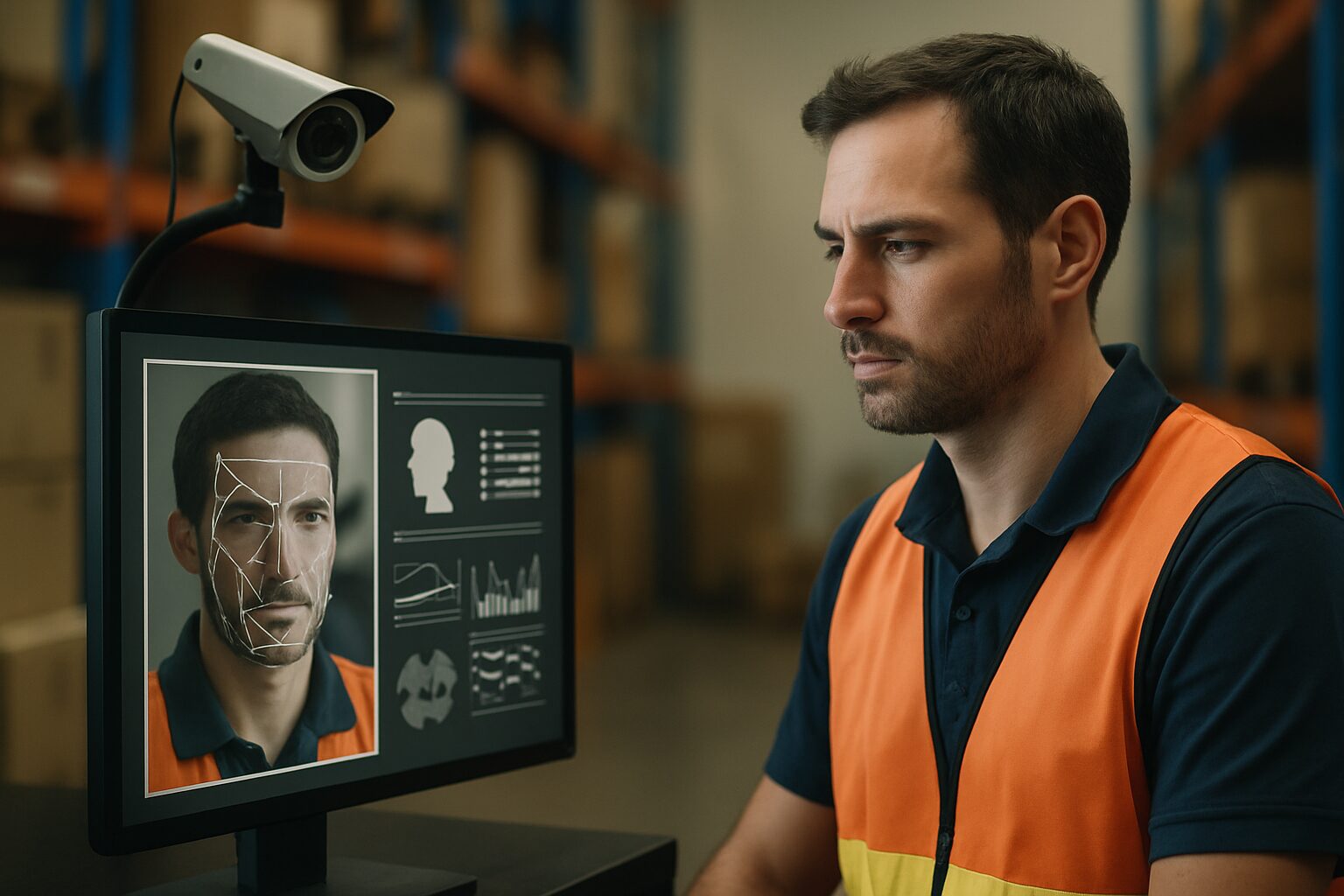
Worker surveillance using AI tools involves the monitoring of employees through technologies like computer vision, keystroke tracking, and productivity analytics. This practice raises human rights concerns related to privacy, autonomy, and fair working conditions. As AI-driven surveillance becomes more widespread, questions emerge about the balance between employer oversight and worker protections.
Why It Matters - Real-world impact
The rise of AI-powered worker surveillance threatens fundamental human rights, including privacy, autonomy, and dignity. Employees across industries—from warehouse workers monitored by motion-tracking algorithms to remote workers subjected to keystroke logging—face unprecedented scrutiny that can lead to stress, burnout, and a loss of trust in employers. When surveillance data is used to enforce unrealistic productivity quotas or justify discriminatory decisions, it exacerbates workplace inequality and undermines fair labor practices. Regular people should care because these technologies normalize invasive monitoring, setting dangerous precedents that could extend beyond workplaces into broader societal surveillance. Without safeguards, the unchecked use of these tools risks eroding worker rights and shifting power further toward employers, leaving individuals with little recourse against algorithmic exploitation.
Ethical Concerns - What’s wrong or risky?
Worker Surveillance with AI Tools and Human Rights
AI-powered surveillance tools in the workplace raise significant ethical concerns, particularly regarding fairness and discrimination. These systems can perpetuate biases by disproportionately targeting certain groups based on data patterns, leading to unfair treatment.
Transparency and Accountability
A lack of transparency in how these tools operate makes it difficult for workers to understand or challenge decisions based on surveillance data. This opacity can erode trust and accountability within organizations.
Economic and Employment Concerns
Some argue that surveillance boosts productivity, but critics highlight risks like job loss due to automated performance evaluations. There is also concern about the broader economic impact, as constant monitoring may dehumanize labor and reduce job satisfaction.
Worker Rights and Autonomy
Continuous monitoring infringes on worker rights, such as privacy and autonomy. While employers may justify surveillance for security or efficiency, employees often view it as an overreach that creates a culture of mistrust.
Differing Perspectives
Supporters claim AI surveillance ensures fairness by removing human bias from evaluations. Opponents argue it introduces new forms of bias and exacerbates power imbalances between employers and workers.
Solutions - What’s being done or proposed?
Strengthening Legal Protections for Workers
Several countries have introduced or updated labor laws to address AI-driven surveillance. These laws often require employers to disclose surveillance practices, obtain consent, and limit data collection to what is necessary. For example, the EU's General Data Protection Regulation (GDPR) includes provisions that can be applied to workplace monitoring. Advocates suggest expanding such regulations globally to ensure transparency and protect workers' privacy rights.
Developing Ethical AI Guidelines for Employers
Industry groups and labor organizations have proposed ethical guidelines for AI use in workplaces. These guidelines encourage employers to balance productivity gains with respect for workers' dignity. Recommendations include regular audits of AI tools, involving workers in decision-making about surveillance systems, and ensuring algorithms are free from bias. Some companies have adopted these voluntarily, though enforcement remains a challenge.
Implementing Technical Safeguards
Technologists have designed tools to counteract invasive surveillance, such as privacy-preserving algorithms that anonymize worker data or limit granular tracking. For instance, some software now aggregates productivity metrics without identifying individuals. Open-source projects are also creating alternatives to proprietary surveillance tools, giving workers and employers more control over data.
Union and Worker Advocacy
Labor unions have negotiated contracts that restrict or ban certain forms of AI surveillance. In some cases, strikes or collective bargaining have led to agreements requiring human oversight of AI decisions. Worker-led campaigns have also raised public awareness, pressuring companies to roll back intrusive monitoring practices. These efforts highlight the power of organized labor in shaping ethical AI use.
Creating Independent Oversight Bodies
Some experts propose establishing independent committees to monitor workplace AI systems. These bodies could include worker representatives, ethicists, and technologists who assess fairness and compliance with standards. Pilot programs in Scandinavia have tested this model, with mixed results due to employer resistance but showing promise for accountability.
Promoting Worker-Centric AI Design
A growing movement advocates for 'worker-first' AI that enhances rather than monitors labor. Examples include AI assistants that reduce repetitive tasks or tools that provide skill development feedback instead of punitive metrics. Early adopters report higher job satisfaction without sacrificing efficiency, suggesting a viable middle ground for reskilling and job creation.
Examples and Real Cases
Amazon's Employee Monitoring System
In 2021, Amazon faced criticism for using AI-powered surveillance tools to monitor warehouse workers' productivity. Reports revealed that the system tracked 'time off task' (TOT) and automatically generated warnings or terminations without human review, leading to concerns about worker stress and unfair dismissals.
H&M's Emotion Recognition Software
In 2020, H&M was fined u20ac35.3 million by a German data protection authority for illegally using AI to analyze employees' personal lives through video calls. The software assessed workers' emotional states and personal circumstances, violating GDPR and worker privacy rights.
Hypothetical: AI-Powered Keyboard Monitoring in Call Centers
A fictional example could involve a call center deploying AI tools to analyze keystrokes and mouse movements to detect 'lazy' behavior. Workers might face penalties for minor deviations from rigid efficiency metrics, creating a high-pressure environment with little regard for mental health.
Uber's Real-Time Driver Monitoring
Uber has used AI algorithms to monitor drivers' behavior in real-time, including acceleration, braking, and phone usage. In 2019, drivers reported being unfairly penalized or deactivated by the system without clear explanations or appeal processes.
China's Social Credit System for Factory Workers
In 2018, reports emerged of Chinese factories using AI-driven 'social credit' systems to score workers based on productivity, behavior, and even social media activity. Low-scoring employees faced reduced pay or dismissal, raising human rights concerns about mass surveillance in workplaces.
Frequently Asked Questions
What is worker surveillance with AI tools?
Worker surveillance with AI tools refers to the use of artificial intelligence technologies, such as cameras, software, and algorithms, to monitor employees' activities, productivity, and behavior in the workplace. This can include tracking keystrokes, analyzing emails, or even using facial recognition to assess engagement.
Why is AI surveillance in the workplace a human rights issue?
AI surveillance in the workplace raises human rights concerns because it can infringe on privacy, create excessive stress, and lead to unfair treatment. Constant monitoring may violate workers' dignity and autonomy, while biased algorithms could result in discrimination or unjust disciplinary actions.
How does AI worker surveillance affect job performance?
While some employers use AI surveillance to boost productivity, it can also increase stress, reduce trust, and lower morale among workers. Studies show that excessive monitoring may lead to burnout and decreased job satisfaction, ultimately harming long-term performance.
Are there laws regulating AI surveillance of workers?
Laws vary by country, but many regions lack clear regulations on AI surveillance in workplaces. Some places, like the EU under GDPR, have privacy protections, but enforcement is often weak. Labor unions and activists are pushing for stronger legal safeguards globally.
What can workers do about unfair AI surveillance at their jobs?
Workers can educate themselves on company policies, join or form unions to negotiate limits on surveillance, and advocate for transparency in how AI tools are used. Reporting violations to labor authorities or supporting legislation for worker privacy rights are also effective steps.