The Future of Fair Work: How Tech Shapes Hiring, Firing, and Openness
The use of artificial intelligence in hiring and firing decisions raises ethical concerns around transparency and fairness. Companies increasingly rely on AI tools to screen candidates, evaluate performance, or determine layoffs, often without clear disclosure of how these systems operate. This lack of visibility can lead to biased outcomes, accountability gaps, and diminished trust in workplace decisions.
Why It Matters - Real-world impact
The use of AI in hiring and firing decisions has profound real-world implications, affecting job seekers, employees, and employers alike. Automated systems may inadvertently perpetuate biases based on gender, race, or socioeconomic background, locking qualified candidates out of opportunities or unfairly targeting workers for termination. For businesses, overreliance on opaque algorithms can lead to reputational damage, legal risks, and eroded trust among employees. Regular people should care because these systems increasingly dictate who gets hired, promoted, or dismissed—shaping livelihoods and economic stability. Without transparency and accountability, AI-driven decisions could deepen workplace inequalities and leave individuals powerless to challenge unfair outcomes.
Ethical Concerns - What’s wrong or risky?
AI in Hiring and Firing: Navigating Ethical Risks
As artificial intelligence becomes more integrated into employment decisions, it raises significant ethical questions. While AI promises efficiency, it also introduces risks that demand careful consideration.
Fairness and Bias in Decision-Making
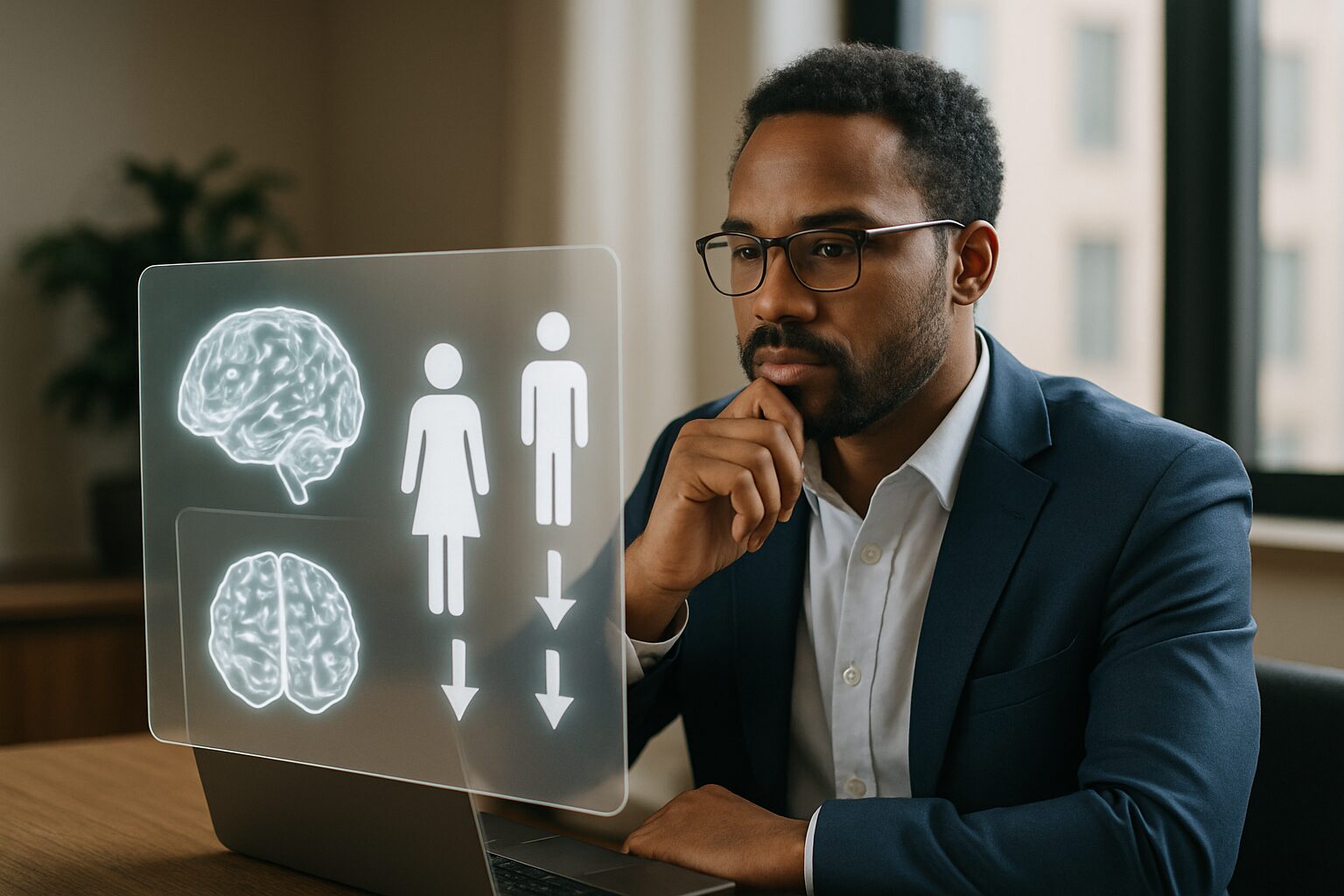
AI systems used in hiring or firing may inadvertently perpetuate or even amplify existing biases. If trained on historical data that reflects discriminatory practices, algorithms can unfairly disadvantage certain groups. For example, an AI that screens resumes might downgrade applicants from underrepresented backgrounds if past hiring data favored others. This ties directly into concerns about fairness, as the goal should be equitable treatment for all candidates and employees.
Discrimination Risks
Beyond fairness, AI can lead to overt or subtle discrimination. Algorithms might use proxies for protected characteristics—such as zip codes correlating with race or names suggesting gender—to make decisions. This not only violates ethical norms but may also breach legal standards in many jurisdictions.
Lack of Transparency
Many AI systems operate as "black boxes," where the reasoning behind a decision is unclear. This lack of transparency makes it difficult for applicants or employees to understand why they were rejected or terminated, undermining trust and accountability.
Economic and Job Security Implications
The use of AI in firing decisions, especially through performance analytics, could lead to unjust dismissals or contribute to broader job loss trends. If companies prioritize short-term efficiency over employee well-being, workers may face instability without clear justification.
Worker Rights in the Algorithmic Age
AI-driven decisions can erode worker rights, such as the right to appeal or to receive meaningful feedback. When algorithms make final calls, human oversight and empathy may be sidelined, leaving employees with little recourse.
Differing Perspectives
Not all stakeholders view these risks uniformly. Proponents argue that AI can reduce human bias and increase objectivity, while critics emphasize that without rigorous safeguards, AI can deepen inequalities. Some employers may prioritize the economic benefits—such as cost savings and scalability—while advocates for workers stress the moral imperative of protecting dignity and rights.
Additional Concerns
Other ethical issues include privacy violations, as AI systems often require vast amounts of personal data, and the potential for dehumanization, where employees are treated as data points rather than individuals. The economic impact of widespread AI adoption in HR could also reshape labor markets, potentially concentrating power among tech-savvy employers.
Solutions - What’s being done or proposed?
Legislation Mandating Transparency
Several jurisdictions have proposed or enacted laws requiring companies to disclose when AI is used in hiring or firing decisions. These laws often mandate that candidates and employees be informed about the use of AI, the criteria it evaluates, and the right to appeal or request human review. For example, the EU's proposed AI Act includes provisions for transparency in high-risk AI systems, including those used in employment decisions. Such legal frameworks aim to ensure accountability and give individuals recourse if they believe an AI system has treated them unfairly.
Algorithmic Audits and Third-Party Reviews
Some organizations have adopted third-party audits of their AI systems to assess fairness, bias, and accuracy. These audits, conducted by independent experts or specialized firms, evaluate whether the AI aligns with ethical guidelines and legal standards. For instance, companies like IBM and Microsoft have partnered with auditors to review their hiring algorithms. This approach helps identify and mitigate biases while building public trust in AI-driven decisions.
Human-in-the-Loop Systems
To balance efficiency with fairness, many companies integrate human oversight into AI-driven hiring and firing processes. Human-in-the-loop systems ensure that AI recommendations are reviewed by HR professionals or managers before final decisions are made. This hybrid model leverages AI for initial screening but retains human judgment for critical evaluations, reducing the risk of algorithmic bias or errors going unchecked.
Bias Mitigation Tools and Techniques
Developers have created technical solutions to detect and reduce bias in AI systems. Techniques like adversarial debiasing, reweighting training data, and fairness constraints are applied to ensure algorithms do not disproportionately disadvantage certain groups. Tools such as IBM's Fairness 360 or Google's What-If Tool allow organizations to analyze and adjust their models for equitable outcomes. While not perfect, these tools represent a proactive step toward fairer AI systems.
Employee and Candidate Education
Some advocates emphasize educating job applicants and employees about how AI is used in decision-making. Transparent communication, such as providing clear explanations of AI's role, the factors it considers, and how to challenge decisions, empowers individuals. Workshops, FAQs, and dedicated support channels can demystify the process and reduce anxiety, fostering a more trusting relationship between employers and workers.
Industry Standards and Ethical Guidelines
Professional organizations and consortiums have developed ethical guidelines for AI in employment. Groups like the Partnership on AI and the IEEE have published frameworks recommending best practices, such as regular bias testing, diversity in training data, and stakeholder involvement in AI design. While voluntary, these standards encourage companies to adopt responsible practices and provide a benchmark for evaluating AI systems.
Union and Worker Advocacy
Labor unions and worker advocacy groups have pushed for collective bargaining agreements that limit or regulate AI's role in hiring and firing. For example, some unions have negotiated clauses requiring human review of AI-generated decisions or prohibiting fully automated terminations. These efforts aim to protect workers' rights and ensure that AI tools are used fairly and transparently in the workplace.
Examples and Real Cases
Amazon's AI Recruitment Tool Bias (2018)
In 2018, Amazon scrapped an AI recruitment tool after discovering it discriminated against women. The system, trained on resumes submitted over a 10-year period, penalized applications that included the word 'womenu2019s' and downgraded graduates of all-womenu2019s colleges.
HireVue's Algorithmic Assessments (2019)
In 2019, HireVue faced criticism for using AI to analyze candidates' facial expressions and tone of voice in video interviews. Critics argued the system lacked transparency and could perpetuate biases, leading HireVue to discontinue facial analysis in 2021.
Russian X5 Retail Group Layoffs (2021)
X5 Retail Group, a Russian grocery chain, used an AI system called 'Platforma X' to automate layoff decisions during restructuring in 2021. Employees reported a lack of transparency in how the algorithm selected workers for termination.
Hypothetical: AI-Driven Performance Monitoring
A hypothetical scenario could involve a company using opaque AI systems to monitor employee productivity through keystrokes, email activity, and meeting attendance. Without clear criteria, employees might be terminated based on algorithmic judgments they can't understand or appeal.
Facebook's Alleged Ad Targeting in Hiring (2021-2019)
Until 2019, Facebook allowed job advertisers to target ads based on age and gender, potentially enabling discriminatory hiring practices. This raised concerns about AI-driven ad delivery systems reinforcing biases in recruitment processes.
Frequently Asked Questions
What is AI in hiring and firing decisions?
AI in hiring and firing decisions refers to the use of artificial intelligence tools and algorithms to screen job applicants, evaluate employee performance, or make termination recommendations. These systems analyze data like resumes, work history, or behavior patterns to assist or automate employment decisions.
Why is transparency important in AI hiring tools?
Transparency is crucial because job applicants and employees have the right to understand how decisions affecting their careers are made. Without transparency, AI systems might unintentionally favor or discriminate against certain groups, leading to unfair outcomes or legal issues for companies.
Can AI in hiring be biased?
Yes, AI hiring tools can be biased if they're trained on historical data that reflects past discrimination or unequal opportunities. For example, if a company historically hired more men for technical roles, the AI might learn to favor male applicants unless carefully designed to avoid such biases.
How are companies using AI for firing decisions today?
Some companies use AI to analyze employee productivity, attendance, or behavior patterns to identify who might be underperforming. However, this practice is controversial because it may not account for personal circumstances or the human aspects of work performance.
What should workers know about AI in employment decisions?
Workers should know that AI is increasingly used in hiring and firing, and they may ask employers about what data is being collected and how it's used. Many regions are introducing laws requiring transparency in automated employment decisions to protect workers' rights.