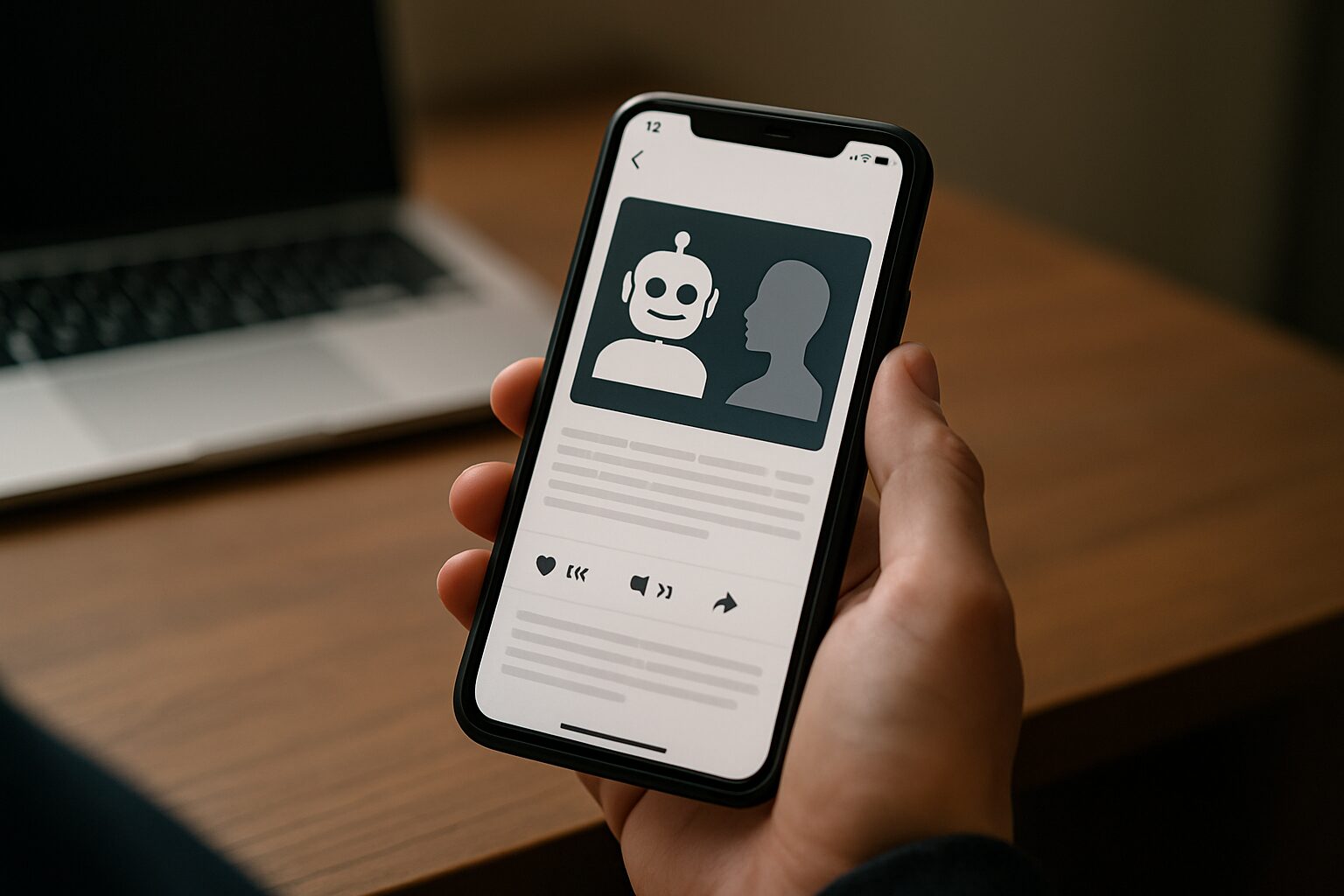
The Hidden Dangers of Microtargeting Voters with Smart Algorithms
Political microtargeting uses AI to analyze vast amounts of personal data, allowing campaigns to tailor messages to specific individuals or groups. This raises ethical concerns about manipulation, as AI-driven strategies can exploit psychological biases or amplify divisive content without transparency. The lack of oversight in how data is collected and used further complicates issues of consent and democratic fairness.
Why It Matters - Real-world impact
The risks of AI-driven political microtargeting extend far beyond theoretical concerns—they threaten the foundations of democratic societies. Voters are affected as personalized disinformation and hyper-targeted messaging can manipulate opinions, distort public discourse, and deepen societal polarization. Marginalized communities, in particular, may face exploitation through discriminatory ad targeting or suppression tactics. If left unchecked, these practices could erode trust in institutions, skew election outcomes, and undermine collective decision-making. Everyday citizens should care because unchecked microtargeting diminishes transparency in politics, making it harder to hold power accountable. The consequences—fragmented societies and weakened democracy—impact everyone, not just those directly targeted.
Ethical Concerns - What’s wrong or risky?
AI in Political Microtargeting: Unpacking the Ethical Risks
Political microtargeting powered by AI raises profound ethical questions, particularly around how voter data is used to influence behavior. While proponents argue it enables more efficient campaigning and voter engagement, critics highlight significant moral pitfalls.
Threats to Fairness
AI-driven microtargeting can undermine electoral fairness by allowing campaigns to tailor messages so precisely that they may present conflicting promises to different groups, distorting public debate and creating an unlevel playing field.
Discrimination and Exclusion
By analyzing demographic and behavioral data, these systems risk perpetuating or even amplifying discrimination. Voters from marginalized communities might be deliberately excluded from certain messaging or targeted with disinformation, suppressing their political participation.
Lack of Transparency
The algorithms used are often proprietary and opaque, making it difficult for voters to know why they are seeing certain content. This lack of transparency challenges democratic accountability and informed consent.
Manipulation of Vulnerable Groups
AI can identify and exploit psychological vulnerabilities, such as fears or biases, to sway voter opinion. This manipulative practice raises concerns about autonomy and the integrity of democratic processes, as it may coerce rather than persuade.
Erosion of Public Trust
When voters realize they are being microtargeted, it can lead to widespread distrust in political institutions and media, polarizing societies and weakening the shared foundations of democracy.
Differing Perspectives
Not everyone views these risks uniformly. Some argue that microtargeting is simply a technological extension of traditional campaigning, allowing better voter outreach. Others believe that, with robust regulation, the benefits could outweigh the harms, fostering more inclusive political dialogue.
Solutions - What’s being done or proposed?
Regulatory Frameworks and Legislation
Governments and regulatory bodies have proposed or implemented laws to restrict the use of AI in political microtargeting. Examples include the EU's General Data Protection Regulation (GDPR), which limits data collection practices, and proposals for transparency laws requiring disclosure of targeting criteria. These measures aim to curb manipulative practices by ensuring accountability and giving users more control over their data.
Transparency in Algorithmic Targeting
Some advocates suggest mandating transparency in how AI algorithms select and target individuals for political ads. Platforms could be required to disclose the criteria used for microtargeting, such as demographics or behavioral data, allowing independent audits. This would help identify biases or manipulative tactics and enable public scrutiny.
Public Awareness and Media Literacy Campaigns
Educational initiatives aim to equip voters with the skills to recognize and critically evaluate microtargeted political content. By improving media literacy, individuals may become less susceptible to manipulation. Organizations and governments have launched campaigns to teach people how to identify AI-generated or hyper-targeted messaging.
Ethical AI Development Standards
Tech companies and AI researchers have proposed ethical guidelines for developing and deploying AI in political contexts. These standards often include principles like fairness, accountability, and avoiding harm. While voluntary, they encourage self-regulation and responsible innovation in microtargeting practices.
Platform-Level Restrictions on Microtargeting
Some social media platforms have introduced their own policies to limit political microtargeting. For example, Twitter banned political ads entirely, while Meta (Facebook) reduced the granularity of targeting options for political campaigns. These measures aim to reduce the precision of manipulative messaging, though enforcement remains inconsistent.
Independent Oversight and Auditing
Proposals for independent oversight bodies or third-party audits of political ad targeting systems have gained traction. These entities would monitor compliance with regulations, assess algorithmic fairness, and investigate complaints. Such oversight could deter misuse while maintaining public trust in digital political discourse.
Examples and Real Cases
Cambridge Analytica and the 2016 US Presidential Election
In 2016, Cambridge Analytica used AI-driven microtargeting to influence voters during the US presidential election. The firm harvested data from millions of Facebook users without consent to create personalized political ads, raising ethical concerns about privacy and manipulation.
2019 Indian General Election and WhatsApp
During India's 2019 general election, political parties leveraged AI-powered microtargeting on WhatsApp to spread tailored messages. Misinformation and divisive content were disseminated to specific voter groups, highlighting risks of AI in amplifying political polarization.
Hypothetical: AI-Generated Deepfake Campaigns in 2024
In a hypothetical 2024 election, AI-generated deepfake videos could microtarget voters with hyper-realistic but false endorsements. Such tactics might deceive voters on an unprecedented scale, undermining democratic processes.
2018 Brazilian Election and Social Media Bots
AI-powered bots were used extensively in Brazil's 2018 presidential election to microtarget voters with pro-Bolsonaro content. These bots spread misinformation and attacked opponents, demonstrating how AI can skew public perception.
UK Brexit Campaign and AggregateIQ
AggregateIQ, linked to Cambridge Analytica, used AI microtargeting to sway voters during the 2016 Brexit referendum. The firm analyzed voter data to deliver tailored ads, raising questions about foreign influence and democratic integrity.
Frequently Asked Questions
What is AI political microtargeting?
AI political microtargeting is the use of artificial intelligence to analyze vast amounts of personal data (like online behavior, demographics, or interests) to deliver highly customized political ads or messages to small, specific groups of people, often to influence their opinions or voting behavior.
Why is AI microtargeting a risk in elections?
It's a risk because AI can manipulate voters by showing them tailored content that plays on their emotions, biases, or fearsu2014sometimes spreading misleading or divisive information. This can distort democratic processes by influencing decisions without transparency or accountability.
How does AI microtargeting manipulate people?
AI identifies personal vulnerabilities (e.g., fears, preferences) and delivers ads or messages designed to trigger strong emotional reactions. Over time, this can subtly shift opinions, reinforce echo chambers, or even suppress voter turnout among certain groups.
Can AI microtargeting be detected or stopped?
It's hard to detect because ads are personalized and invisible to the public. Regulations like transparency in political ads or data privacy laws (e.g., GDPR) can help, but enforcement is challenging as AI and data collection evolve rapidly.
What are real-world examples of AI microtargeting risks?
Examples include the Cambridge Analytica scandal, where Facebook data was used to target voters in the 2016 U.S. election, and recent elections where AI-generated deepfakes or hyper-targeted social media ads spread disinformation.