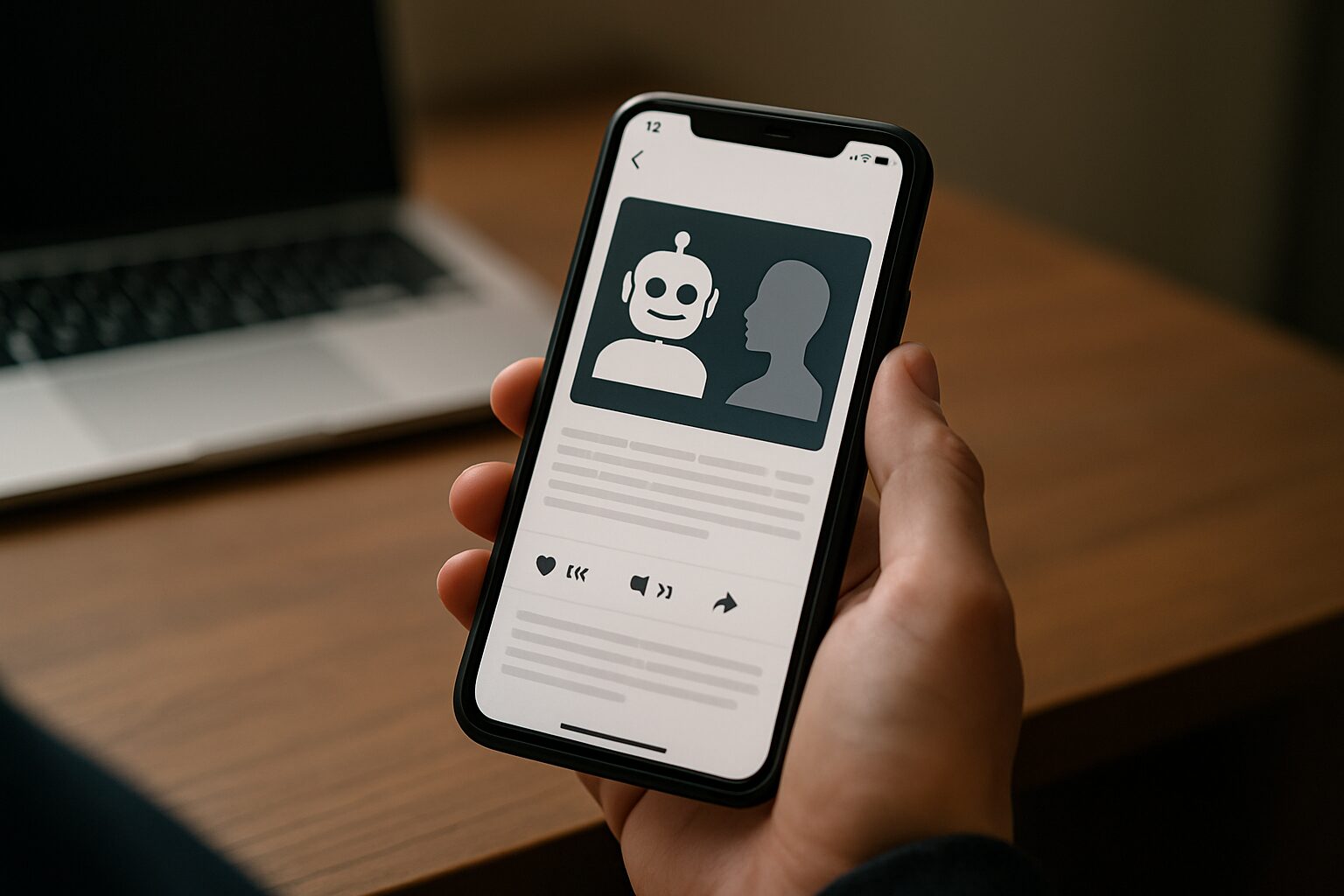
How AI Bots Are Reshaping Social Media and Modern Life
AI bots on social media are automated accounts designed to mimic human behavior, often used to spread content, engage with users, or influence discussions. Their presence raises ethical concerns about manipulation, as they can amplify certain viewpoints, distort public perception, or deceive users into believing they are interacting with real people. The widespread use of these bots challenges the integrity of online discourse and poses risks to democratic processes and societal trust.
Why It Matters - Real-world impact
The proliferation of AI bots on social media poses significant risks to individuals and society at large. These bots can amplify misinformation, manipulate public opinion, and distort democratic processes, such as elections or policy debates, by creating false perceptions of consensus or popularity. Vulnerable groups, including young people and those less digitally literate, are particularly susceptible to their influence, potentially falling prey to scams, radicalization, or emotional manipulation. Even regular users may unknowingly engage with bots, spreading their content and further entrenching divisive narratives. The erosion of trust in online spaces undermines genuine discourse, making it harder to distinguish truth from deception. Without awareness and safeguards, these automated systems threaten the integrity of both social interactions and societal institutions.
Ethical Concerns - What’s wrong or risky?
AI Bots on Social Media: Unpacking the Ethical Risks
The proliferation of AI bots on social media platforms raises significant ethical concerns, particularly in the realm of manipulation and influence. These automated systems can shape public opinion, sway elections, and alter social dynamics, often without users' awareness. Below, we explore key ethical risks tied to their deployment.
Transparency
One of the most pressing issues is the lack of transparency. Many AI bots operate without clear disclosure, making it difficult for users to distinguish between human and automated interactions. This opacity can erode trust in online communities and platforms, as users may feel deceived or manipulated by undisclosed automated influences.
Discrimination
AI bots can perpetuate or even amplify discrimination. If trained on biased data, these systems may target or exclude certain demographic groups, reinforcing harmful stereotypes or skewing public discourse in unfair ways. For example, political bots might disproportionately target vulnerable communities with misleading information.
Fairness
Closely related to discrimination is the issue of fairness. AI bots can create uneven playing fields in areas like marketing, politics, or public debate. Well-resourced entities might deploy armies of bots to drown out genuine human voices, undermining democratic principles and equitable participation.
Economic Impact
The use of AI bots also carries economic implications. For instance, bots can manipulate markets or consumer behavior by artificially inflating trends, reviews, or stock sentiments. This can lead to financial losses for individuals or organizations that rely on authentic signals from social media.
Worker Rights
Behind some AI bots are human workers tasked with training, monitoring, or cleaning up abusive content. These roles often involve exposure to harmful material with little support, raising concerns about worker rights and well-being in the AI supply chain.
Job Loss
Automation via AI bots may contribute to job displacement in sectors like customer service, content moderation, or digital marketing. While bots can increase efficiency, they also risk reducing opportunities for human workers, particularly in lower-skilled roles.
Additional Moral Concerns
Beyond these categories, AI bots pose risks to mental health by spreading anxiety-inducing or polarizing content. They can also challenge accountability—when bots cause harm, it is often unclear who is responsible: the developer, the platform, or the user deploying them.
Differing Perspectives
Not all viewpoints align on the severity of these risks. Some argue that AI bots are simply tools, and any unethical outcomes stem from human misuse rather than the technology itself. Others believe that the scale and autonomy of bots necessitate strict regulations. There is also debate over whether transparency (e.g., labeling bots) is sufficient or if more radical measures, like limiting bot use altogether, are needed to protect societal values.
Solutions - What’s being done or proposed?
Legislation and Regulation
Governments and regulatory bodies have proposed laws to mandate transparency in AI use on social media. For example, some countries require bots to be labeled as such, ensuring users know when they are interacting with AI. Penalties for deceptive practices, such as undisclosed bot activity, aim to deter misuse. However, enforcement remains challenging due to the global nature of social media platforms.
AI Detection Tools
Technical solutions include developing AI-powered detection tools to identify and flag bot accounts. These tools analyze behavior patterns, posting frequency, and language use to distinguish bots from humans. While effective in some cases, sophisticated bots can evade detection by mimicking human behavior more closely, leading to an ongoing arms race between detection and evasion techniques.
Platform Accountability
Social media platforms have been pressured to take responsibility for bot activity on their sites. Some have implemented policies to remove or restrict bots, while others provide users with more control over their feeds. Transparency reports and third-party audits are suggested to hold platforms accountable, though critics argue these measures are often reactive rather than proactive.
Public Awareness Campaigns
Educational initiatives aim to inform users about the presence and risks of AI bots. By teaching critical thinking and media literacy, these campaigns help users recognize manipulative content. Workshops, online resources, and school programs are some methods used, but widespread adoption and long-term impact remain uncertain.
Ethical AI Development
Some organizations advocate for ethical guidelines in AI development to prevent misuse. Principles like fairness, accountability, and transparency are promoted to ensure bots are designed responsibly. While voluntary adherence is a start, critics argue binding standards and oversight are needed to enforce ethical practices industry-wide.
Decentralized Social Networks
Alternative platforms with decentralized architectures aim to reduce bot manipulation by giving users more control over content moderation. Blockchain-based systems and community governance models are explored to limit centralized control and bot infiltration. However, these networks face scalability and adoption challenges compared to mainstream platforms.
Examples and Real Cases
Russian Troll Farms and the 2016 US Election
During the 2016 US presidential election, Russian troll farms like the Internet Research Agency used AI-powered bots to spread divisive content on platforms like Facebook and Twitter. These bots amplified fake news and manipulated public opinion, with over 10 million tweets linked to Russian interference.
Deepfake Videos in Indian Elections (2019)
In the 2019 Indian general elections, AI-generated deepfake videos of politicians like Manoj Tiwari circulated on WhatsApp. These manipulated videos spread misinformation rapidly, influencing voter perceptions and raising concerns about the role of AI in democratic processes.
ChatGPT-Powered Bot Networks (2023)
In 2023, researchers identified networks of AI-generated accounts on Twitter (now X) using ChatGPT to produce and spread propaganda. These bots mimicked human behavior, making it harder to detect their influence in debates on topics like climate change and geopolitics.
Hypothetical: AI-Generated Influencer Scandal
A hypothetical scenario could involve an AI-generated social media influencer gaining millions of followers and promoting harmful products without disclosure. If exposed, this could erode trust in digital platforms and highlight the ethical risks of unregulated AI content creation.
Cambridge Analytica and AI Profiling (2018)
Cambridge Analytica used AI algorithms to analyze Facebook user data and target voters with personalized political ads during the 2016 US election and Brexit referendum. This demonstrated how AI could exploit social media for large-scale behavioral manipulation.
Frequently Asked Questions
What are AI bots on social media?
AI bots on social media are automated programs designed to mimic human behavior, such as posting content, liking posts, or sending messages. They can be used for helpful purposes like customer service, but some are used to spread misinformation or manipulate public opinion.
Why are AI bots a concern for society?
AI bots can manipulate public opinion by spreading fake news, amplifying divisive content, or creating the illusion of widespread support for certain ideas. This can influence elections, fuel social unrest, and undermine trust in online information.
How do AI bots influence social media trends?
AI bots can artificially boost trends by mass-sharing hashtags, posts, or comments, making certain topics appear more popular than they are. This can sway public perception and even impact real-world decisions like purchases or voting.
Can AI bots pretend to be real people online?
Yes, advanced AI bots can create realistic profiles, generate human-like text, and even interact naturally in conversations. This makes it hard for users to distinguish between real people and bots, increasing the risk of manipulation.
How can I spot an AI bot on social media?
Look for red flags like generic or repetitive comments, a high posting frequency, lack of personal details, or accounts that only share polarizing content. However, as AI improves, detecting bots is becoming harder.