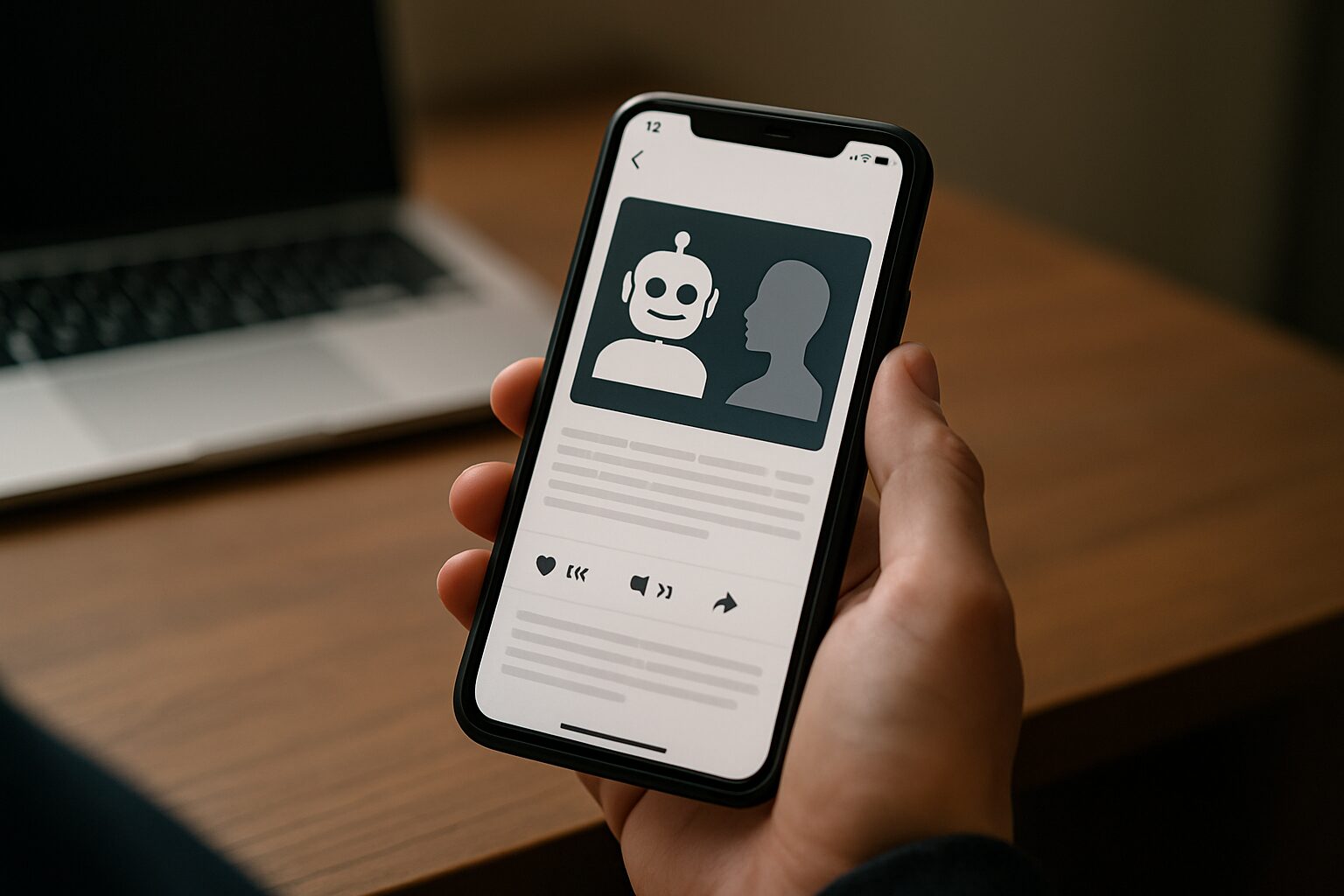
The Rise of AI-Generated Deception: How Fake Reviews Are Shaping Consumer Trust
Generative AI can create realistic fake reviews that mimic human writing, making it difficult to distinguish genuine feedback from fabricated content. This raises ethical concerns about manipulation, as businesses or individuals may use AI-generated reviews to influence consumer decisions unfairly. The issue highlights the need for transparency and accountability in how AI tools are deployed in online marketplaces and review platforms.
Why It Matters - Real-world impact
The proliferation of AI-generated fake reviews undermines trust in online platforms, distorting consumer decisions and harming businesses that rely on authentic feedback. Consumers may waste money on inferior products or services, while honest companies lose sales to competitors who manipulate ratings. Small businesses, in particular, suffer when they cannot compete with fraudulent reviews generated at scale. Beyond commerce, fake reviews erode confidence in digital ecosystems, making it harder for people to discern truth from deception. This issue also raises legal and ethical concerns, as deceptive practices can violate consumer protection laws. For regular people, the consequences range from minor inconveniences to significant financial losses, making it a problem that demands awareness and accountability.
Ethical Concerns - What’s wrong or risky?
Generative AI and the Proliferation of Fake Reviews
The rise of generative AI has introduced powerful tools capable of creating highly convincing fake reviews, posing significant ethical risks across multiple domains. These risks challenge core principles of integrity and trust in digital marketplaces and information ecosystems.
Economic Impact
Fake reviews generated by AI can distort market dynamics, misleading consumers and unfairly advantaging or disadvantaging businesses. This manipulation can lead to misallocated consumer spending and undermine healthy competition. For more on this, see our analysis on Ethical Concern: Economic Impact.
Discrimination
AI systems might be trained on or generate content that reflects or amplifies biases, leading to discriminatory outcomes in reviews—such as unfairly targeting businesses based on ownership demographics. This perpetuates inequality and harms marginalized communities. Explore further at Ethical Concerns: Discrimination.
Fairness
The use of generative AI for fake reviews creates an uneven playing field, where businesses that engage in such practices gain an unfair advantage over those relying on genuine feedback. This erodes trust in review systems and penalizes ethical operators. Learn more about Ethical Concerns: Fairness.
Transparency
AI-generated reviews often lack disclosure, making it difficult for users to distinguish between authentic and synthetic content. This opacity violates consumer rights to informed decision-making and challenges accountability mechanisms. Details on this issue are available at Ethical Concerns: Transparency.
Additional Ethical Concerns
Beyond the linked categories, other moral issues include the erosion of public trust in digital platforms, potential legal ramifications for deceptive advertising, and the psychological impact on consumers who feel manipulated. There are also concerns about autonomy, as AI-generated content can subtly influence choices without user awareness.
Divergent Perspectives
Not all stakeholders view these risks uniformly. Some argue that generative AI can be harnessed responsibly to assist in generating helpful, templated reviews that save time, provided there is clear labeling. Others believe that any synthetic review constitutes deception. Businesses might see competitive necessity in using such tools, while consumer advocates emphasize the right to authentic information. Regulatory bodies are divided on whether to ban AI-generated reviews outright or to manage them through strict disclosure requirements.
Solutions - What’s being done or proposed?
Legal Regulations and Penalties
Some governments and regulatory bodies have proposed or implemented laws that specifically target fake reviews generated by AI. These laws often include hefty fines for companies caught using AI to create or disseminate fake reviews. For example, the U.S. Federal Trade Commission (FTC) has taken action against businesses for deceptive practices, including fake reviews. Legal frameworks are also being developed to hold AI developers accountable if their tools are used for such purposes.
AI Detection Tools
Technical solutions include the development of AI-powered detection tools that can identify fake reviews by analyzing patterns, language use, and other metadata. Companies like Yelp and Amazon have invested in machine learning algorithms to flag suspicious reviews. These tools often look for unnatural phrasing, repetitive content, or sudden spikes in reviews as red flags. While not foolproof, they help reduce the prevalence of AI-generated fake reviews.
Blockchain for Review Authenticity
Some platforms are exploring blockchain technology to verify the authenticity of reviews. By tying reviews to verified user identities and timestamps stored on a decentralized ledger, it becomes harder for AI-generated fake reviews to go undetected. This method ensures transparency and traceability, making it easier to audit reviews and hold bad actors accountable.
User Education and Awareness
Educating consumers about the prevalence and dangers of fake reviews is another approach. Campaigns and guidelines help users identify suspicious reviews, such as those with overly generic language or excessive praise. Platforms may also provide tips on how to spot fake reviews, empowering users to make more informed decisions and reducing the impact of AI-generated misinformation.
Platform Accountability Measures
Online platforms are increasingly being pressured to take responsibility for the content they host. Some have introduced stricter policies, such as requiring verified purchases for reviews or limiting the number of reviews a user can post in a short period. Platforms may also employ human moderators to manually review suspicious content, though this can be resource-intensive. Transparency reports detailing actions taken against fake reviews are another step toward accountability.
Ethical AI Development Guidelines
Industry groups and AI ethics organizations have proposed guidelines for developers to prevent the misuse of generative AI for fake reviews. These include embedding ethical considerations into AI design, such as watermarking AI-generated content or restricting certain use cases. By promoting responsible AI development, the hope is to reduce the availability of tools that can easily create deceptive content.
Examples and Real Cases
Amazon's Fake Review Problem (2021)
In 2021, Amazon faced widespread criticism for fake reviews on its platform. Investigations revealed that some sellers used generative AI to create realistic but entirely fabricated positive reviews for their products, misleading consumers.
TripAdvisor's AI-Generated Hotel Reviews (2020)
TripAdvisor identified and removed a large number of AI-generated fake reviews in 2020. These reviews were created using language models to mimic genuine guest experiences, artificially boosting ratings for certain hotels.
Hypothetical: AI-Generated Restaurant Reviews
A restaurant chain could use generative AI to create hundreds of fake positive reviews across platforms like Yelp and Google. These reviews might describe detailed but entirely fictional dining experiences to attract more customers.
Fiverr's Fake Review Services (2019)
In 2019, Fiverr was found to host freelancers offering to write fake reviews using AI tools. These services provided businesses with artificially generated positive feedback, undermining trust in online review systems.
Hypothetical: AI-Generated Product Reviews on Social Media
An influencer marketing agency might use generative AI to create fake user testimonials for products. These could be posted on social media platforms, appearing as genuine endorsements from satisfied customers.
Frequently Asked Questions
What is generative AI and how is it used to create fake reviews?
Generative AI is a type of artificial intelligence that can create text, images, or other content based on patterns it learns from existing data. It can be used to generate fake reviews by mimicking human writing styles, making it hard to distinguish from real customer feedback.
Why are fake reviews created using AI a problem?
Fake reviews created using AI can mislead consumers into buying poor-quality products or services, damage trust in online marketplaces, and unfairly manipulate business reputations. They undermine honest competition and consumer confidence.
How can I spot a fake review generated by AI?
Look for overly generic language, repetitive phrases, or unnatural perfection in reviews. AI-generated reviews may lack personal details or emotional authenticity. Tools and browser extensions are also emerging to help detect AI-written content.
What are companies doing to stop AI-generated fake reviews?
Many platforms use AI detection tools, human moderators, and reporting systems to flag or remove suspicious reviews. Some also implement stricter verification processes, like requiring proof of purchase before posting a review.
How does AI-generated content influence public opinion beyond fake reviews?
AI can be used to spread misinformation, create fake social media accounts, or generate biased articles, shaping perceptions on products, politics, or social issues. This raises concerns about manipulation in advertising, news, and online discourse.