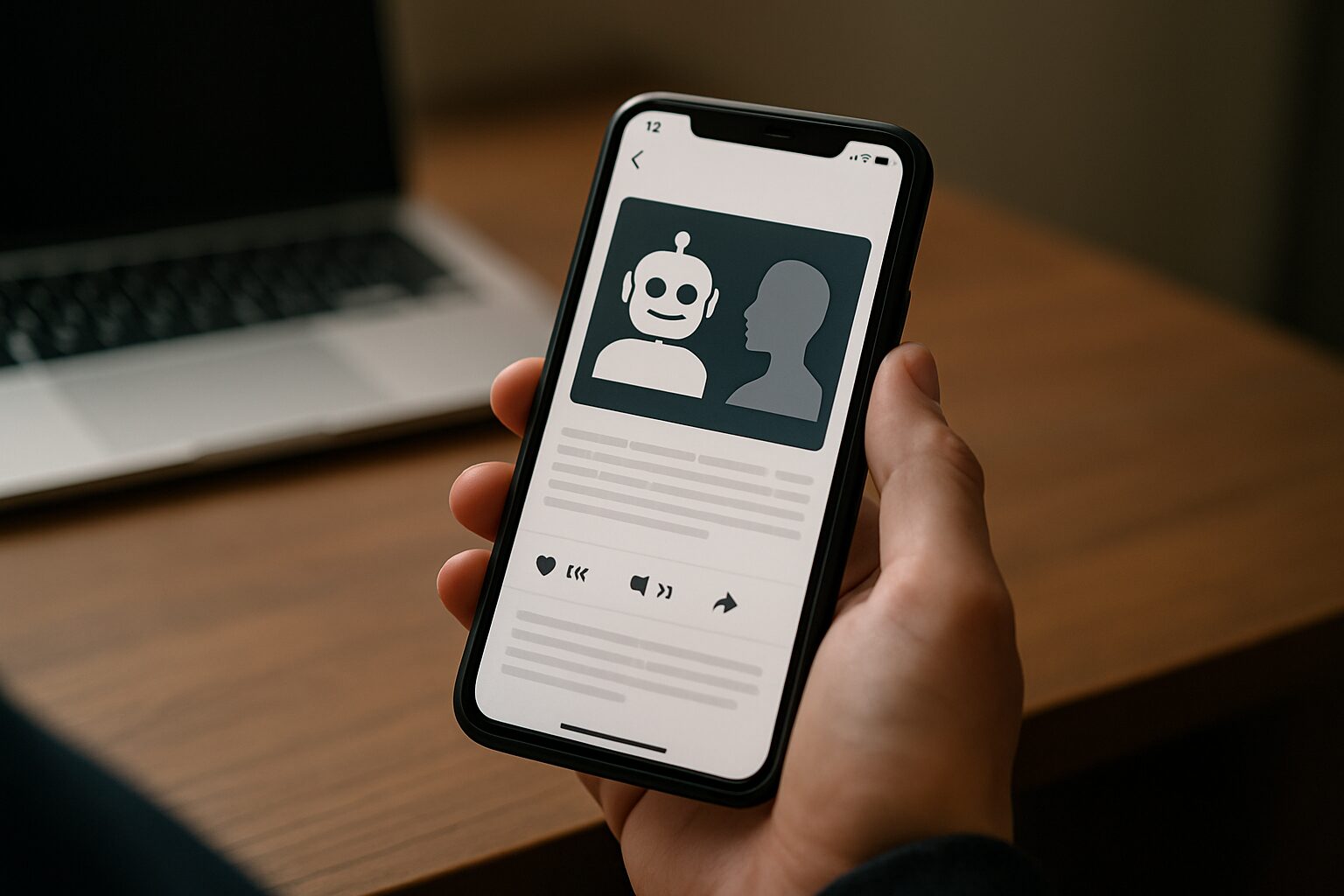
The Hidden Power of AI Nudges: Who’s Responsible for Your Choices?
Behavioral nudging through AI involves using algorithms to subtly influence user decisions, often without their explicit awareness. This raises ethical concerns about transparency, consent, and the extent to which such systems should be allowed to shape behavior. A key question is who bears accountability when AI-driven nudges lead to unintended or harmful outcomes.
Why It Matters - Real-world impact
The ethics of AI-driven behavioral nudging matters because it directly impacts individual autonomy, societal trust, and democratic processes. From personalized advertising to algorithmic recommendations on social media, AI systems subtly shape decisions—often without users' awareness—affecting consumers, voters, and vulnerable populations disproportionately. If left unchecked, opaque nudging can exploit cognitive biases, reinforce echo chambers, or manipulate choices for corporate or political gain, undermining informed consent. Regular people should care because these technologies influence everything from personal finances to public health behaviors, often with limited transparency or accountability. The stakes are high: unchecked AI nudging risks eroding privacy, amplifying inequality, and distorting collective decision-making in ways that may be difficult to reverse.
Ethical Concerns - What’s wrong or risky?
Ethical Risks in AI Behavioral Nudging
AI-driven behavioral nudging raises significant ethical concerns, particularly around fairness. Algorithms may prioritize outcomes that benefit certain groups while disadvantaging others, often unintentionally. For example, nudges designed to encourage healthy behaviors might be less effective or accessible for marginalized communities, exacerbating existing inequalities.
Discrimination and Bias
Another critical issue is discrimination. AI systems can perpetuate or even amplify biases present in training data, leading to nudges that unfairly target or exclude individuals based on race, gender, or socioeconomic status. This not only harms those affected but also erodes trust in AI applications.
Lack of Transparency
Transparency is often compromised in AI nudging, as the complexity of algorithms can make it difficult for users to understand how or why they are being influenced. This opacity challenges informed consent and accountability, especially when nudges manipulate choices without the user’s awareness.
Economic and Social Ramifications
Beyond these, AI nudging can have unintended economic impacts, such as steering consumer behavior in ways that concentrate wealth or power. There are also concerns about job loss if nudges automate roles traditionally filled by humans, like marketing or counseling, though some argue AI could create new opportunities instead.
Worker and User Rights
Ethical debates extend to worker rights, particularly when AI systems monitor and nudge employees for productivity, potentially infringing on autonomy and privacy. Additionally, nudges might undermine individual agency, leading to moral questions about manipulation versus empowerment.
Diverse Perspectives
Not all experts agree on the severity of these risks. Some argue that AI nudging, if designed ethically, can promote positive behaviors (e.g., health or sustainability) more effectively than traditional methods. Others caution that without strict oversight, the potential for abuse—especially by corporations or governments—is too high to ignore.
Solutions - What’s being done or proposed?
Transparency and Disclosure Requirements
One proposed solution is implementing legal mandates that require AI systems used for behavioral nudging to disclose their intent and mechanisms to users. This could involve clear labeling when AI is influencing decisions, along with accessible explanations of how the nudging works. For example, platforms might be required to notify users when an algorithm is prioritizing certain content to shape behavior, similar to how ads are labeled. Transparency laws could also mandate that companies provide opt-out options for users who do not wish to be influenced by such systems.
Ethical AI Design Frameworks
Technical solutions include the development of ethical AI design frameworks that prioritize user autonomy and minimize manipulative practices. These frameworks could incorporate principles like 'nudging for good,' where AI is programmed to avoid exploitative patterns and instead promote beneficial behaviors without coercion. For instance, AI could be designed to encourage healthy habits like exercise or savings while avoiding dark patterns that trap users in addictive loops. Independent audits and certifications for ethical AI design could help enforce these standards.
Public Awareness and Education Campaigns
Social solutions focus on educating the public about how AI-driven nudging works and its potential impacts. Awareness campaigns could teach users to recognize when they are being nudged and how to critically evaluate AI-influenced choices. Schools, media, and online platforms might collaborate to disseminate this information, empowering individuals to make informed decisions. For example, digital literacy programs could include modules on AI influence tactics, helping people resist unwanted manipulation.
Regulatory Oversight and Accountability Bodies
Institutional solutions propose the creation of regulatory bodies to oversee AI-driven behavioral nudging and hold organizations accountable. These agencies could set guidelines, investigate complaints, and impose penalties for unethical practices. Similar to how financial regulators monitor fair lending practices, an AI ethics board could ensure nudging systems do not exploit vulnerable populations. Companies might also be required to submit impact assessments demonstrating that their AI systems do not harm user autonomy or well-being.
User Control and Customization Tools
Another technical approach is giving users more control over how AI influences them. Platforms could provide settings that allow individuals to adjust or disable nudging features according to their preferences. For example, a social media app might let users choose whether they want the algorithm to prioritize productivity-related content over entertainment. By putting the power in users' hands, this solution balances AI influence with personal agency, reducing the risk of manipulation.
Examples and Real Cases
Facebook's Emotional Contagion Experiment (2014)
In 2014, Facebook conducted a secret experiment on 689,000 users, manipulating their news feeds to show more positive or negative content to study 'emotional contagion.' The study, published in PNAS, sparked outrage over lack of informed consent and ethical oversight in AI-driven behavioral nudging.
Cambridge Analytica and Political Microtargeting (2016)
During the 2016 US elections, Cambridge Analytica used AI to analyze Facebook user data and deliver personalized political ads, effectively nudging voter behavior. The scandal revealed how AI-powered nudging could undermine democratic processes without transparency.
Hypothetical: AI-Powered Insurance Premium Adjustments
An insurance company uses AI to analyze customers' social media activity, adjusting premiums based on perceived lifestyle risks without disclosure. While not confirmed, such practices raise ethical concerns about opaque behavioral nudging in financial services.
TikTok's Algorithmic Nudging (2020-Present)
TikTok's AI-driven 'For You Page' has been criticized for aggressively nudging users toward extreme content through addictive feedback loops. Internal leaks revealed the platform's 'heating' tool manually boosts certain videos, raising accountability questions.
Uber's Driver Nudging Algorithms (2017)
Uber's AI system used behavioral nudges like 'You're $10 away from making $330' to keep drivers working longer. A 2017 study exposed these manipulative designs, showing how AI can exploit cognitive biases in gig workers.
Frequently Asked Questions
What is AI behavioral nudging?
AI behavioral nudging is when artificial intelligence systems subtly influence people's decisions or behaviors, often without them realizing it. It uses small prompts, suggestions, or design choices to guide users toward certain actions, like choosing healthier options or spending more time on an app.
Why is AI nudging controversial?
AI nudging is controversial because it can manipulate people's choices without their full awareness. While it can encourage positive behaviors (like saving money), critics argue it may cross ethical lines by exploiting psychological biases or limiting free will, especially when used for profit or control.
How can AI nudging be used responsibly?
Responsible AI nudging should prioritize transparency (telling users when they're being nudged), user consent, and alignment with the user's best interests. It should avoid deception and allow people to opt out easily, ensuring the technology serves users rather than manipulates them.
What are real-world examples of AI nudging today?
Common examples include social media algorithms showing 'you might like' suggestions to keep you scrolling, fitness apps sending reminders to exercise, or shopping sites highlighting limited-time deals. Even default settings (like auto-renew subscriptions) are a form of nudging.
Who should be accountable for unethical AI nudging?
Accountability typically falls on the companies or developers creating the AI systems. However, regulators, policymakers, and ethics boards also play a role in setting boundaries. Users can hold organizations accountable by demanding transparency and supporting ethical design standards.