The Rise of Digital Bots: Navigating Social Media Rules and Risks
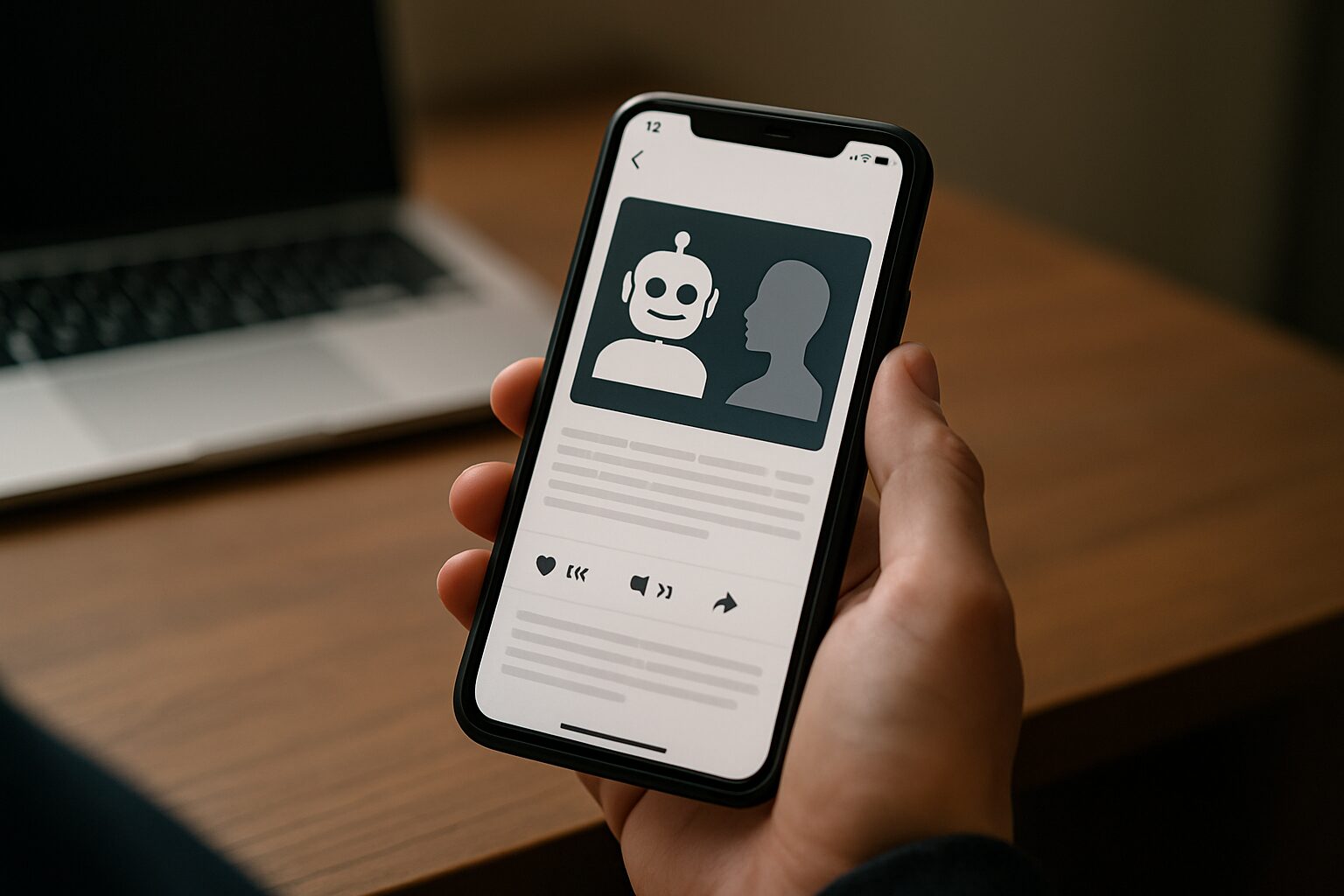
AI bots on social media are automated accounts designed to mimic human behavior, often used to spread content, engage with users, or influence discussions. Their growing presence raises ethical concerns about manipulation, misinformation, and the distortion of public discourse. The lack of clear regulation allows these bots to operate with minimal transparency, making it difficult to distinguish between genuine and artificial interactions. Addressing this issue requires balancing free expression with safeguards against deceptive practices.
Why It Matters - Real-world impact
The proliferation of AI bots on social media poses significant real-world risks, affecting individuals, democracies, and businesses alike. These bots can amplify misinformation, manipulate public opinion, and distort online discourse, undermining trust in institutions and media. Vulnerable populations, such as the elderly or politically disengaged, may be disproportionately targeted by deceptive content, while businesses face reputational damage from bot-driven scams or fake reviews. For regular people, this erosion of authenticity online can lead to polarized communities, financial losses, or even threats to personal safety. Without proper regulation, the unchecked spread of AI bots threatens the very fabric of informed, democratic society.
Ethical Concerns - What’s wrong or risky?
AI Bots on Social Media: The Ethical Landscape
The proliferation of AI bots on social media platforms presents a range of ethical risks that demand attention. These automated systems, designed to mimic human interaction, can manipulate public opinion, spread misinformation, and influence behavior on a massive scale, raising profound moral questions.
Transparency and Accountability
A primary concern is the lack of transparency regarding the use and identity of AI bots. Users often cannot distinguish between human and automated accounts, which can erode trust and enable covert manipulation. This opacity complicates accountability, making it difficult to assign responsibility when bots cause harm.
Discrimination and Bias
AI bots can perpetuate and amplify discrimination if they are trained on biased data. They may target or exclude certain demographic groups, reinforce stereotypes, or spread hate speech, exacerbating social divisions and harming vulnerable communities.
Fairness in Public Discourse
The use of bots to sway public opinion challenges fairness in democratic processes. By artificially inflating support for certain viewpoints or candidates, bots can distort public discourse, undermine electoral integrity, and marginalize authentic human voices.
Economic and Labor Implications
While not always directly related, the deployment of AI bots can have economic impact, such as devaluing human content creation or influencing markets through manipulated trends. Some argue that bots could lead to job loss in areas like social media management, though others believe they may create new roles in oversight and ethics.
Worker Rights in the AI Era
The development and maintenance of AI bots also touch on worker rights, particularly for those tasked with moderating harmful bot-generated content. These workers often face psychological risks and inadequate protections, highlighting the need for ethical labor practices in tech.
Differing Perspectives
Not everyone views AI bots as inherently negative. Some argue that bots can enhance user experience by providing quick customer service or curating personalized content. Others emphasize that regulation should focus on malicious use rather than the technology itself, advocating for a balanced approach that fosters innovation while safeguarding ethical standards.
Additional Ethical Risks
Beyond the linked concerns, issues like privacy invasion, consent, and autonomy arise when bots collect and exploit user data without clear disclosure. The potential for bots to create echo chambers and deepen polarization also warrants critical examination.
Solutions - What’s being done or proposed?
Legislation and Government Regulation
Several countries have proposed or enacted laws to regulate AI bots on social media. These laws often require bots to be clearly labeled, ensuring users know they are interacting with AI rather than humans. For example, California's BOT Act mandates disclosure for bots attempting to influence elections. Governments are also exploring frameworks to hold platforms accountable for bot-related misinformation, imposing fines or sanctions for non-compliance.
Platform-Level Detection and Labeling
Social media platforms have invested in AI-driven tools to detect and label bots. Twitter (now X) and Facebook use machine learning algorithms to identify suspicious accounts and flag them as bots. Some platforms also allow users to report suspected bots, which are then reviewed by moderators. While these measures are not foolproof, they aim to increase transparency and reduce bot-driven manipulation.
Public Awareness and Media Literacy
Educational campaigns have been launched to help users recognize and critically evaluate bot interactions. Organizations like the Stanford History Education Group provide resources to teach digital literacy, helping users identify fake accounts and misinformation. By empowering users to discern bot activity, these initiatives reduce the effectiveness of AI-driven manipulation.
Ethical AI Development Standards
Tech companies and industry groups have proposed ethical guidelines for AI bot development. These standards encourage transparency, accountability, and fairness in bot design. For instance, the IEEE's Ethically Aligned Design framework suggests principles like user consent and avoidable harm. While voluntary, these guidelines aim to foster responsible AI deployment on social media.
Collaborative Industry Efforts
Some platforms have joined forces to combat bot proliferation. Initiatives like the Coalition for Content Provenance and Authenticity (C2PA) work on technical standards to verify content origins, making it harder for bots to spread disinformation. Cross-platform data sharing to identify and block malicious bots is another proposed solution, though privacy concerns remain a challenge.
User Verification Systems
Platforms like LinkedIn and WeChat use identity verification to reduce bot accounts. Requiring phone numbers, email confirmations, or even government IDs can deter mass bot creation. However, this approach raises privacy issues and may exclude anonymous but legitimate users. Striking a balance between security and accessibility is an ongoing debate.
Examples and Real Cases
Russian Troll Farms in the 2016 US Election
During the 2016 US Presidential Election, Russian troll farms like the Internet Research Agency used AI-powered bots to spread disinformation on platforms like Facebook and Twitter. These bots amplified divisive content, fake news, and manipulated public opinion to influence the election outcome.
Deepfake Videos of Ukrainian President Zelensky (2022)
In March 2022, a deepfake video of Ukrainian President Volodymyr Zelensky falsely surrendering to Russia circulated on social media. AI-generated bots helped spread the video rapidly before platforms could remove it, causing temporary confusion and panic.
ChatGPT-Powered Twitter Bots (2023)
In 2023, researchers identified a network of Twitter bots using ChatGPT to generate human-like replies to political posts. These bots mimicked real users to sway discussions on topics like climate change and healthcare, making it harder to distinguish genuine debate from manipulation.
Hypothetical: AI-Generated Influencer Scandal
A hypothetical scenario could involve an AI-generated influencer amassing millions of followers by posting controversial opinions. Brands unknowingly partner with this bot, which then promotes harmful products or misinformation before its true nature is revealed.
Meta's Takedown of Chinese Spam Networks (2023)
In August 2023, Meta removed thousands of fake accounts linked to Chinese spam networks that used AI to post pro-China content. These bots targeted global audiences with propaganda about Taiwan and other sensitive geopolitical issues.
Frequently Asked Questions
What are AI bots on social media?
AI bots on social media are automated accounts powered by artificial intelligence that can post content, interact with users, and mimic human behavior. They are often used for marketing, customer service, or, in some cases, spreading misinformation or manipulating public opinion.
Why is regulating AI bots on social media important?
Regulating AI bots is important because they can be used to spread fake news, manipulate elections, or influence public opinion unfairly. Without regulation, these bots can deceive people, disrupt democratic processes, and create chaos online.
How do AI bots manipulate people on social media?
AI bots manipulate people by spreading false information, amplifying divisive content, or creating the illusion of widespread support for certain ideas. They can also engage in mass liking, sharing, or commenting to make certain topics trend, influencing what people see and believe.
Can AI bots be detected on social media?
Yes, AI bots can sometimes be detected through unusual activity patterns, such as posting too frequently, repetitive content, or lack of personal details. Social media platforms use algorithms to identify and remove suspicious accounts, but some bots still evade detection.
What can we learn from the rise of AI bots in social media?
The rise of AI bots teaches us about the risks of unchecked automation and the need for digital literacy. It highlights how technology can be misused for manipulation and why transparency, regulation, and critical thinking are essential in the digital age.