The Future of Fair Trials: How AI is Transforming Courtroom Decisions
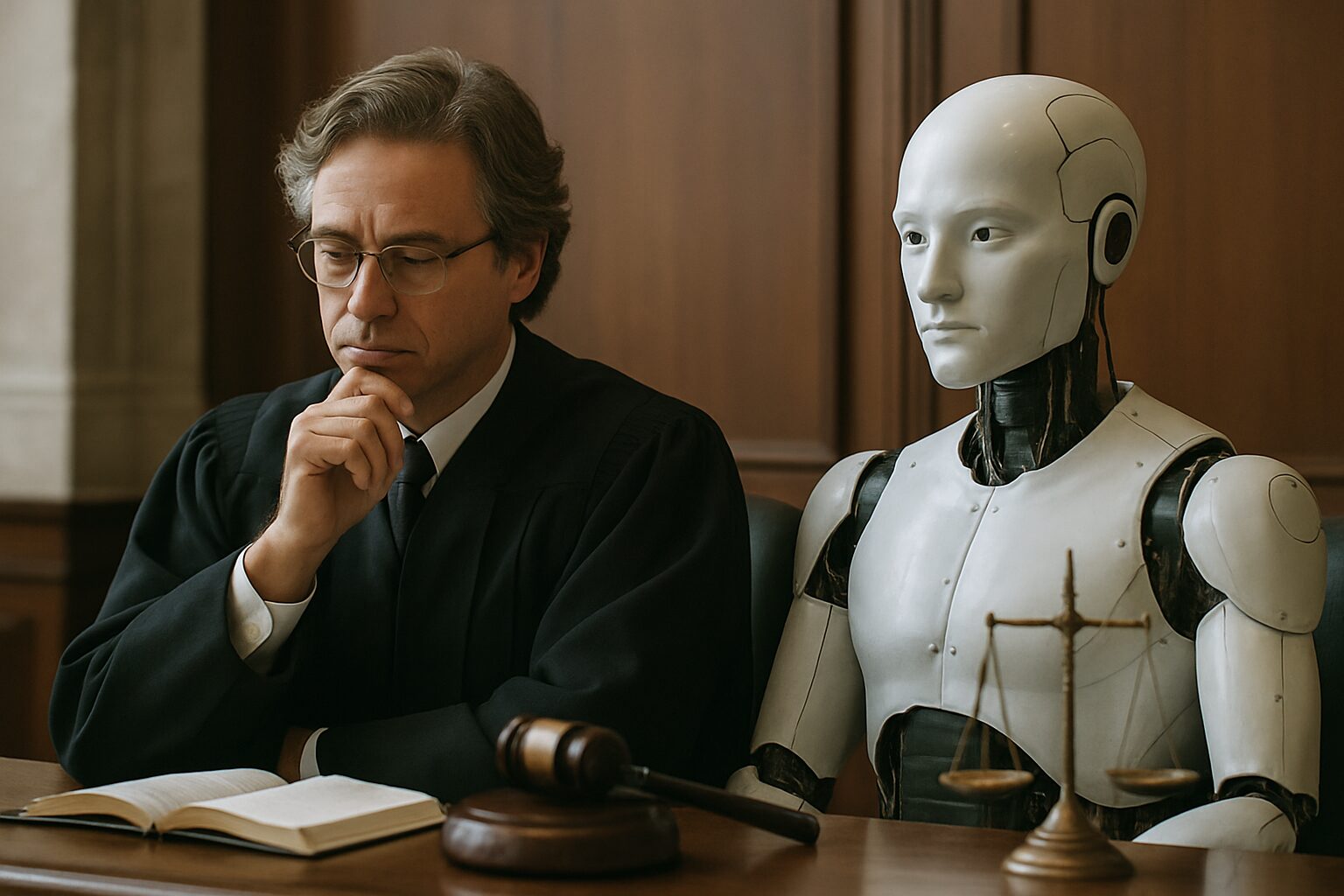
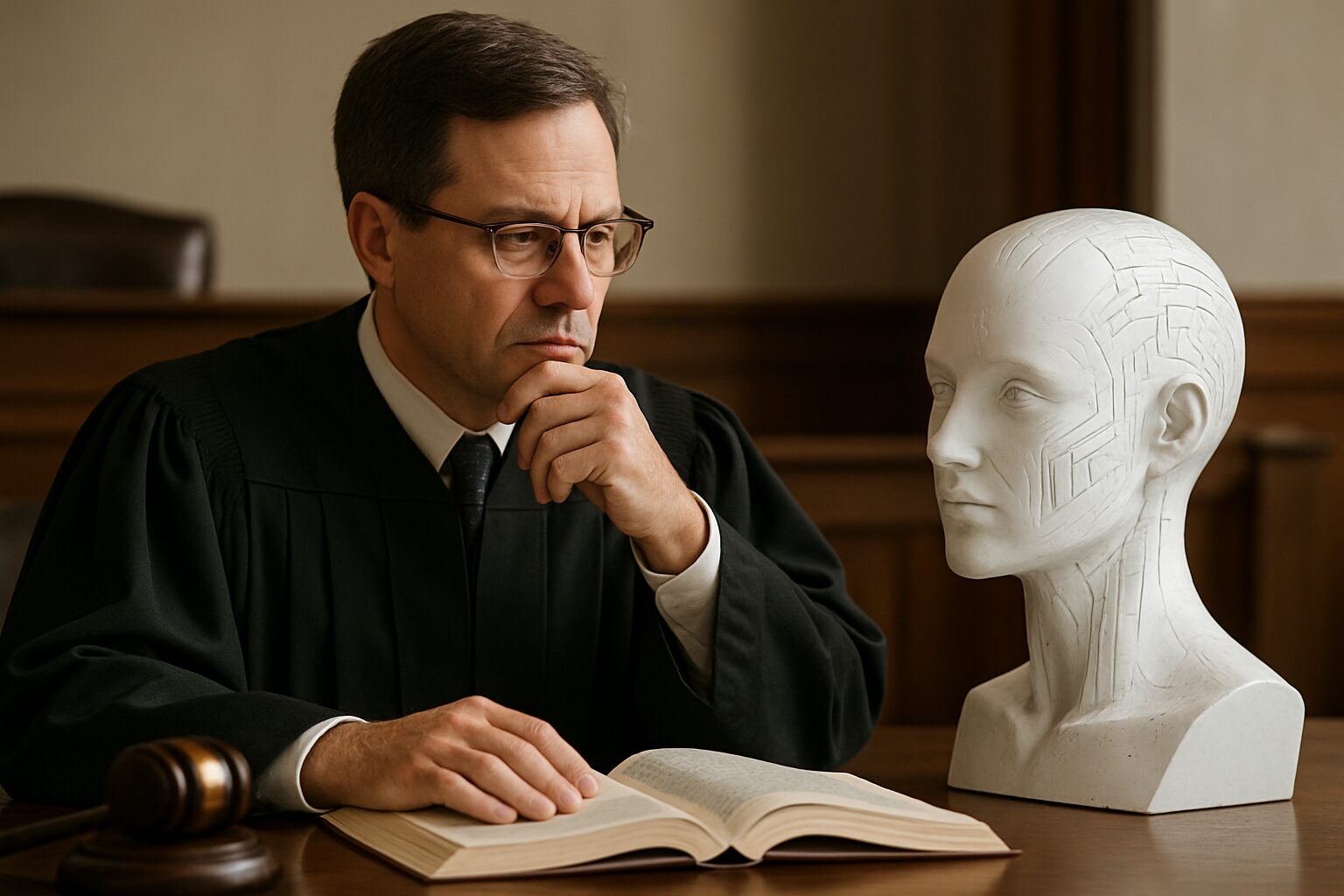
The use of AI judges in legal systems raises questions about autonomy and responsibility in decision-making. AI judges are algorithms designed to evaluate legal cases, predict outcomes, or recommend rulings, potentially reducing human bias and increasing efficiency. However, concerns include transparency, accountability, and the ethical implications of delegating judicial authority to machines. Establishing best practices is critical to ensure fairness, uphold legal standards, and maintain public trust in automated justice systems.
Why It Matters - Real-world impact
The integration of AI judges into legal systems has profound real-world implications, affecting defendants, legal professionals, and society at large. If biased or opaque algorithms influence sentencing or parole decisions, marginalized communities could face systemic discrimination, exacerbating existing inequalities. Errors in AI judgment—whether from flawed data or design—may lead to unjust incarcerations, overturned verdicts, or eroded public trust in justice. Ordinary citizens should care because these systems could determine their rights, freedoms, or access to reparations without transparency or accountability. The stakes are high: unchecked AI adjudication risks automating injustice under the guise of efficiency.
Ethical Concerns - What’s wrong or risky?
Ethical Risks of AI Judges in Legal Systems
The integration of AI into judicial roles introduces significant ethical challenges that demand careful consideration. One primary concern is fairness, as algorithms may struggle to interpret nuanced human contexts, potentially leading to unjust outcomes. Similarly, issues of discrimination arise if training data reflects historical biases, perpetuating inequalities against marginalized groups.
Transparency and Accountability
Another critical issue is transparency. AI decision-making processes are often opaque, making it difficult for defendants or legal professionals to understand or challenge rulings, undermining trust in the justice system.
Economic and Social Implications
The adoption of AI judges could lead to job loss among legal professionals, raising concerns about economic displacement. Additionally, the economic impact might include reduced costs for courts but also risks privatizing justice in ways that favor wealthier entities.
Worker and Societal Rights
There are also worries about worker rights, as the roles of clerks, paralegals, and even judges might be devalued or replaced, affecting livelihoods and professional dignity.
Diverse Perspectives
Not everyone agrees on the severity of these risks. Proponents argue that AI can reduce human error and increase efficiency, while critics emphasize that justice requires empathy and moral reasoning beyond algorithmic capabilities. Some also highlight that without robust oversight, AI could centralize power in ways that threaten democratic values.
Solutions - What’s being done or proposed?
Hybrid Human-AI Judicial Systems
One approach is to integrate AI as an advisory tool within human-judged legal systems. AI can analyze vast amounts of legal precedents, statutes, and case details to provide recommendations, while human judges retain final decision-making authority. This balances efficiency with ethical oversight, ensuring that nuanced human judgment is not entirely replaced by algorithmic outputs.
Transparency and Explainability Requirements
To address concerns about 'black box' decision-making, some jurisdictions have proposed or implemented transparency mandates for AI judges. These require that any AI used in legal decisions must provide clear, interpretable explanations for its rulings, allowing defendants and legal professionals to understand and challenge the reasoning behind automated judgments.
Bias Auditing and Regular Testing
Recognizing that AI systems can inherit or amplify biases, solutions include mandatory bias audits before deployment and periodic testing during operation. Independent organizations would assess the AI's decisions across different demographic groups to identify and correct discriminatory patterns, similar to existing judicial conduct reviews.
Limited Jurisdiction for AI Judges
Some proposals suggest restricting AI judges to specific, well-defined legal areas with clear rules, such as traffic violations or small claims. This containment limits risks while allowing efficiency gains in high-volume, lower-stakes cases where human judicial resources are often overburdened.
Human Oversight and Appeal Processes
Even in systems utilizing AI judges, maintaining robust human oversight mechanisms is critical. This includes guaranteed rights to human review of AI decisions and multi-layered appeal processes where humans re-evaluate the case, ensuring that technology does not become the final arbiter without accountability.
Ethical Training for AI Developers
Technical solutions include requiring AI developers working on judicial systems to undergo specialized training in legal ethics, fairness, and constitutional principles. This aims to embed ethical considerations at the design stage rather than treating them as afterthoughts in the development process.
International Standards for Judicial AI
Given the global nature of AI development, some organizations advocate for international standards governing the use of AI in legal systems. These would establish baseline requirements for accuracy, fairness, and human rights protections, similar to existing international judicial standards.
Public Participation in AI Judicial Design
To build trust, some suggest involving diverse community representatives in the design and evaluation of judicial AI systems. This participatory approach aims to ensure that the systems reflect societal values and have democratic legitimacy, rather than being purely technocratic solutions.
Examples and Real Cases
COMPAS Algorithm in US Courts
The COMPAS (Correctional Offender Management Profiling for Alternative Sanctions) algorithm was used in US courts to assess the risk of recidivism. In 2016, ProPublica found that the algorithm was biased against Black defendants, labeling them as higher risk at twice the rate of white defendants.
China's AI Judges in Internet Courts
In 2018, China introduced AI judges in its internet courts to handle minor cases like e-commerce disputes. The system, developed by Alibaba, processes cases quickly but raises concerns about transparency and accountability in legal decisions.
Hypothetical: AI-Powered Sentencing in European Courts
In a hypothetical scenario, European courts adopt an AI system for sentencing recommendations. The system, trained on historical data, inadvertently perpetuates biases against marginalized communities, leading to public outcry and calls for stricter oversight.
AI in UK Family Courts (Hypothetical)
A hypothetical AI system is introduced in UK family courts to predict child welfare risks. Despite high accuracy claims, critics argue the system lacks empathy and contextual understanding, potentially harming vulnerable families.
ECtHR's Exploration of AI Advisors
In 2021, the European Court of Human Rights (ECtHR) explored using AI to assist judges in analyzing case law. While aimed at efficiency, concerns were raised about over-reliance on AI and the erosion of human judgment in critical rights decisions.
Frequently Asked Questions
What is an AI judge in legal systems?
An AI judge is an artificial intelligence system designed to assist or, in some cases, make legal decisions by analyzing case data, laws, and precedents. It aims to improve efficiency and consistency in legal processes.
Why is autonomy important for AI judges?
Autonomy allows AI judges to operate independently in analyzing cases, reducing human bias and errors. However, it must be carefully balanced with oversight to ensure fairness and accountability.
How can AI judges be held responsible for their decisions?
Responsibility for AI judges involves clear accountability frameworks, transparency in decision-making processes, and human oversight to review and correct potential errors or biases in AI-generated rulings.
What are the risks of using AI judges in legal systems?
Risks include algorithmic bias, lack of human empathy in judgments, data privacy concerns, and the challenge of ensuring transparency in complex AI decision-making processes.
How are AI judges being used in legal systems today?
Today, AI judges are primarily used for preliminary case assessments, legal research, and predicting case outcomes. Some jurisdictions experiment with AI-assisted decision-making, but fully autonomous AI judges are rare.