Digital Justice: How Algorithmic Adjudication is Reshaping Law and Order
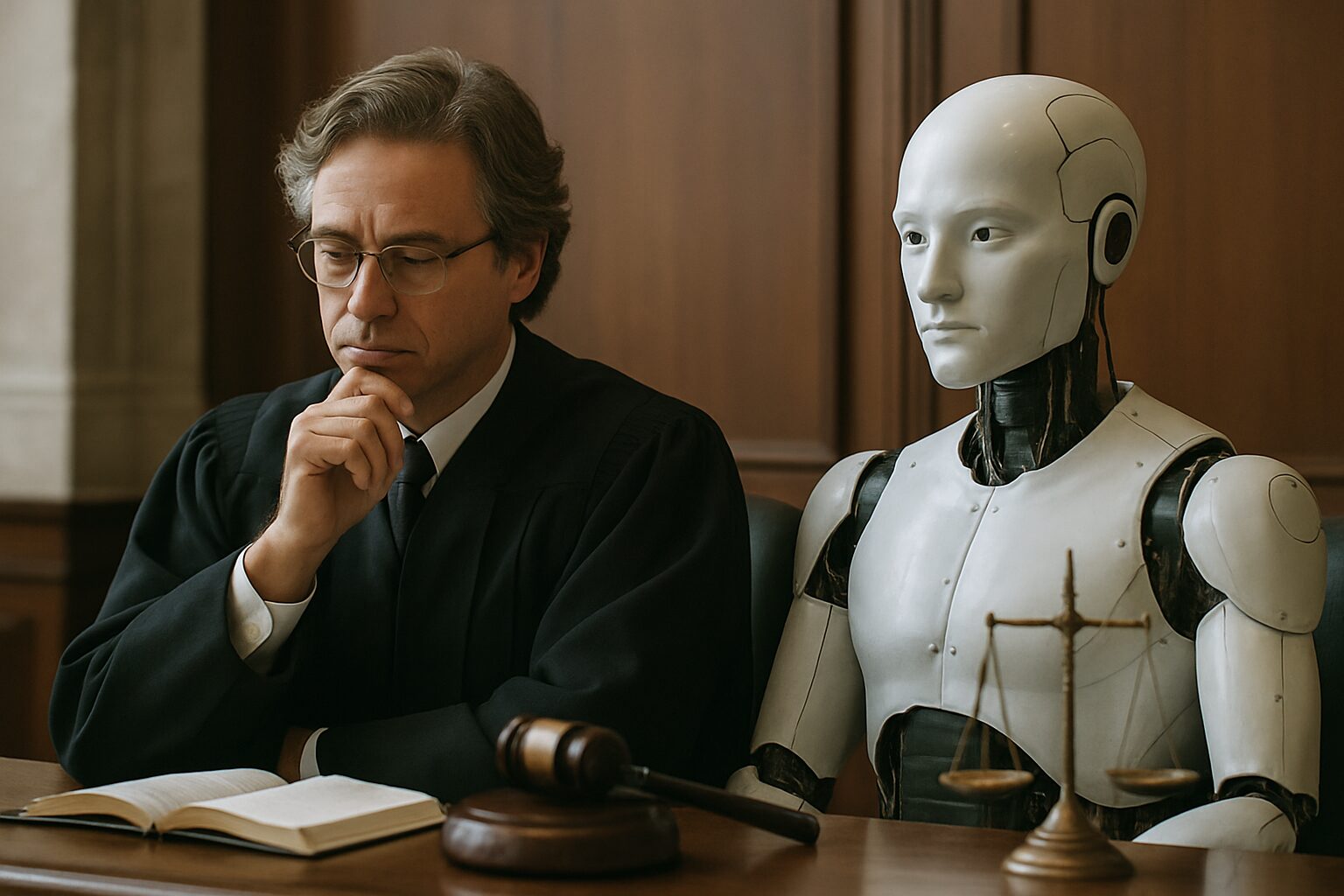
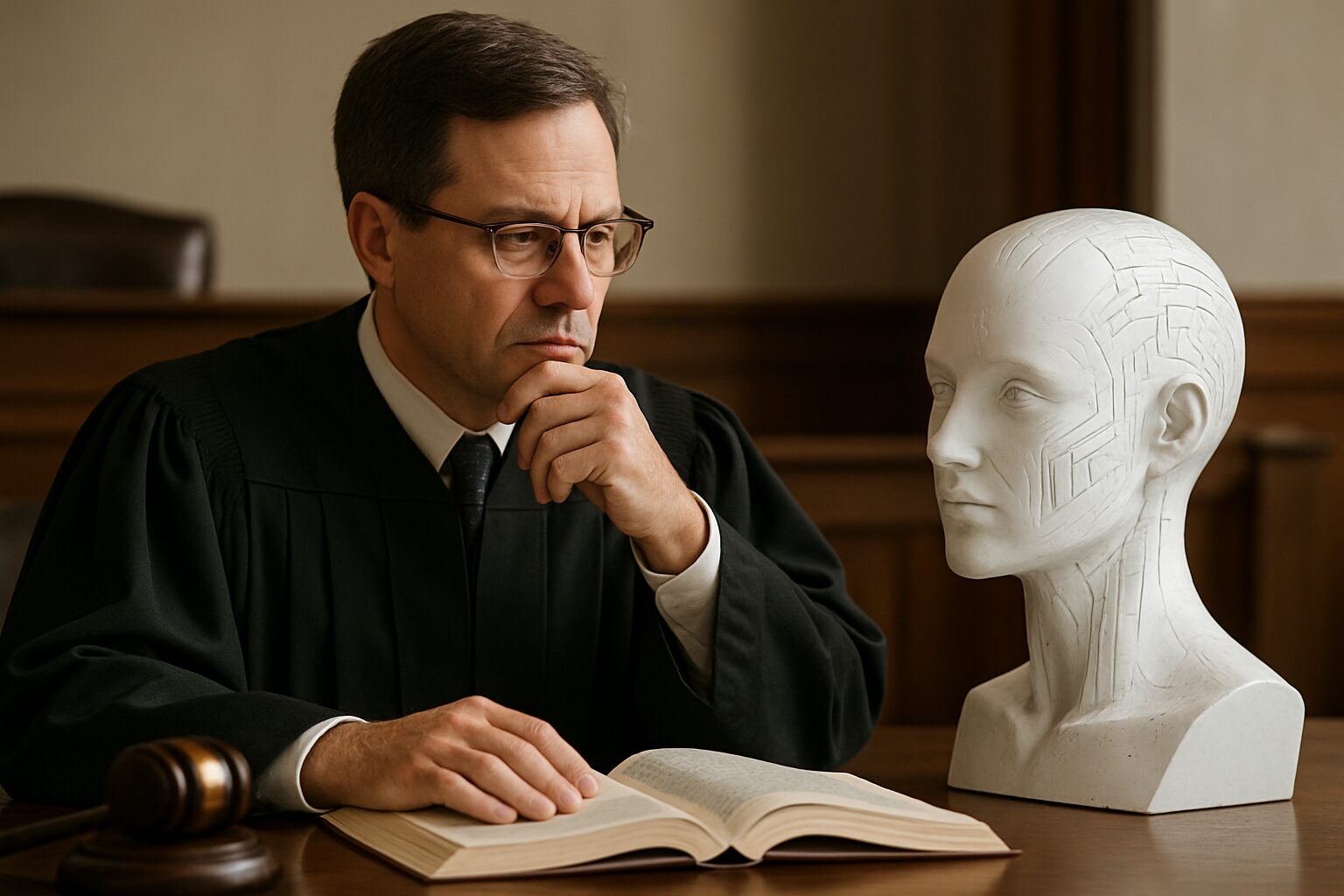
The use of artificial intelligence as decision-makers in legal systems raises questions about autonomy and responsibility. AI judges could process vast amounts of data quickly, but their role in interpreting laws and delivering verdicts challenges traditional notions of accountability. Ethical concerns include transparency, bias, and the delegation of judicial authority to non-human systems. These issues require careful examination as AI becomes more integrated into governance.
Why It Matters - Real-world impact
The integration of AI judges into legal systems has profound real-world implications, affecting everyone from defendants and plaintiffs to legal professionals and society at large. If biased or opaque algorithms are used, marginalized communities could face systemic discrimination, while errors in automated decisions might deny individuals fair trials or due process. Over-reliance on AI could also erode public trust in judicial systems, particularly if decisions lack transparency or accountability. Regular people should care because these systems may determine everything from sentencing in criminal cases to child custody rulings—outcomes that shape lives and communities. The stakes are high: without rigorous ethical safeguards, AI judges risk perpetuating injustice under the guise of objectivity.
Ethical Concerns - What’s wrong or risky?
Economic Impact of AI Judges
The integration of AI into legal systems could have significant economic implications, potentially reducing costs for courts and litigants but also concentrating resources in the hands of those who develop and control the technology. This raises concerns about equitable access to justice.
Discrimination Risks
AI systems may perpetuate or even amplify existing societal biases, leading to unjust outcomes. For example, if training data reflects historical prejudices, algorithms could disproportionately harm marginalized groups, highlighting serious discrimination issues.
Fairness in Decision-Making
Ensuring that AI judges apply laws consistently and impartially is a major challenge. Factors like opaque algorithms or flawed data can undermine fairness, potentially eroding trust in legal institutions.
Transparency and Accountability
Many AI systems operate as "black boxes," making it difficult to understand how decisions are reached. This lack of transparency complicates accountability, especially when errors occur, and may violate defendants' rights to a fair trial.
Job Displacement in Legal Professions
The automation of judicial tasks could lead to significant job loss among legal professionals, from clerks to judges, raising questions about the societal value of human expertise in governance.
Worker Rights and Labor Ethics
As AI takes on more roles in legal systems, the rights of those who develop, maintain, or are overseen by these systems must be protected. This includes ensuring fair labor practices and addressing worker rights in the tech and legal sectors.
Differing Perspectives on AI Judges
Proponents argue that AI can enhance efficiency, reduce human error, and provide more consistent rulings. Critics, however, worry about the erosion of human judgment, empathy, and the nuanced understanding of context that is essential in justice.
Additional Ethical Considerations
Beyond the linked concerns, issues like privacy, autonomy, and the potential for misuse of power by those controlling AI systems also warrant attention. Balancing innovation with ethical safeguards remains a critical debate.
Solutions - What’s being done or proposed?
Hybrid Human-AI Judicial Systems
One proposed solution is the implementation of hybrid systems where AI assists human judges rather than replacing them entirely. In this model, AI tools analyze legal precedents, statutes, and case details to provide recommendations, while human judges retain final decision-making authority. This approach aims to combine the efficiency and data-processing capabilities of AI with the nuanced judgment, empathy, and ethical reasoning of humans. Pilot programs in some jurisdictions have tested AI for tasks like bail decisions or sentencing guidelines, with oversight mechanisms to ensure accountability.
Transparency and Explainability Standards
To address concerns about 'black box' AI decisions, legal and technical experts have advocated for strict transparency and explainability standards. This includes requiring AI systems used in legal contexts to provide clear, interpretable explanations for their outputs, such as highlighting which factors most influenced a decision. Some jurisdictions are exploring laws mandating algorithmic audits and public disclosure of training data and decision-making processes. Technical solutions like interpretable machine learning models and post-hoc explanation tools are also being developed to meet these requirements.
Bias Mitigation Frameworks
Recognizing that AI systems can perpetuate or amplify societal biases, researchers and policymakers have proposed comprehensive bias mitigation frameworks. These include diverse training datasets, regular bias testing across demographic groups, and algorithmic fairness constraints that ensure equitable outcomes. Some courts have implemented review boards to assess AI tools for disparate impact before deployment, while technical approaches like adversarial debiasing and fairness-aware machine learning are being tested to reduce discriminatory patterns in judicial AI systems.
Legal Personhood and Liability Structures
As AI takes on more decision-making roles, legal scholars have debated establishing clear liability frameworks. Some propose extending limited legal personhood to AI systems in judicial contexts, allowing them to be held accountable for errors or harms. Others suggest maintaining traditional liability with human overseers or institutions responsible for AI actions. These frameworks often include insurance requirements, compensation funds for wrongful AI decisions, and clear chains of responsibility from developers to end-users in the legal system.
Public Oversight and Citizen Review Boards
To maintain public trust, some jurisdictions have established independent oversight bodies to monitor AI use in legal systems. These citizen review boards, often composed of legal experts, technologists, and community representatives, evaluate AI tools for fairness, accuracy, and compliance with ethical standards. They may have authority to audit systems, investigate complaints, and recommend suspensions or modifications. Public participation in designing and reviewing judicial AI systems is also encouraged through town halls and participatory design processes.
International Ethical Guidelines for Judicial AI
Given the global nature of AI development, multinational organizations like the UN and EU have worked to establish cross-border ethical guidelines for AI in legal systems. These frameworks outline principles such as proportionality (AI should only be used where appropriate), human dignity, and the right to appeal automated decisions. While not legally binding, these guidelines influence national policies and provide benchmarks for evaluating judicial AI systems. Some proposals include certification systems where AI tools must meet international standards before use in courts.
Specialized AI Courts and Appeals Processes
Some legal experts suggest creating specialized courts or procedures to handle cases involving AI decisions or to review outputs from AI-assisted judgments. These courts would have judges trained in both law and AI systems, with streamlined processes to challenge algorithmic decisions. Appeals might involve human review of AI recommendations or independent algorithmic analysis. This approach aims to maintain legal rigor while adapting traditional judicial structures to accommodate AI's unique characteristics and potential errors.
Examples and Real Cases
COMPAS in US Courts
In 2016, the algorithmic risk assessment tool COMPAS was used in US courts to predict the likelihood of defendants reoffending. A ProPublica investigation found that the tool was biased against Black defendants, incorrectly flagging them as high-risk at twice the rate of white defendants.
China's AI Judges
As of 2021, China has implemented AI judges in over 300 courts to handle minor cases like traffic violations. These systems analyze legal documents and suggest rulings, though human judges retain final decision-making authority.
UK's Harm Assessment Risk Tool
In 2020, UK police began using the Harm Assessment Risk Tool (HART) to assess the risk level of suspects. A Durham University study later raised concerns about potential racial bias in the algorithm's predictions.
Hypothetical: AI Supreme Court Justice
In a hypothetical 2030 scenario, a country appoints an AI as a non-voting Supreme Court advisor. The AI analyzes all case law and suggests rulings, but controversy erupts when its decisions consistently favor corporate defendants over individuals.
Polish Social Benefit Algorithm
In 2020, Poland introduced an algorithm to assess eligibility for social benefits. The system faced criticism when it wrongfully denied assistance to thousands of vulnerable citizens due to flawed data inputs.
Frequently Asked Questions
What is an AI judge in legal systems?
An AI judge is an artificial intelligence system designed to assist or make decisions in legal cases by analyzing data, laws, and precedents. It can help streamline court processes but raises questions about fairness and human oversight.
Why are people talking about AI judges now?
AI judges are gaining attention because advances in machine learning allow AI to process legal information quickly. However, debates focus on whether AI can handle complex human nuances and ethical responsibilities in justice systems.
Can AI judges replace human judges completely?
No, AI judges cannot fully replace humans because legal decisions often require empathy, moral judgment, and contextual understandingu2014qualities AI lacks. They are more likely to assist rather than replace human judges.
What are the risks of using AI in legal judgments?
Risks include biased algorithms, lack of transparency in decision-making, and reduced accountability. If AI makes errors, itu2019s unclear who is responsibleu2014the developers, users, or the system itself.
How are AI judges being used today?
Some courts use AI for routine tasks like scheduling or analyzing case documents. Experimental systems assess bail or sentencing risks, but full autonomy remains rare due to ethical and legal concerns.