Empowering Education: How AI Personal Assistants Transform Learning
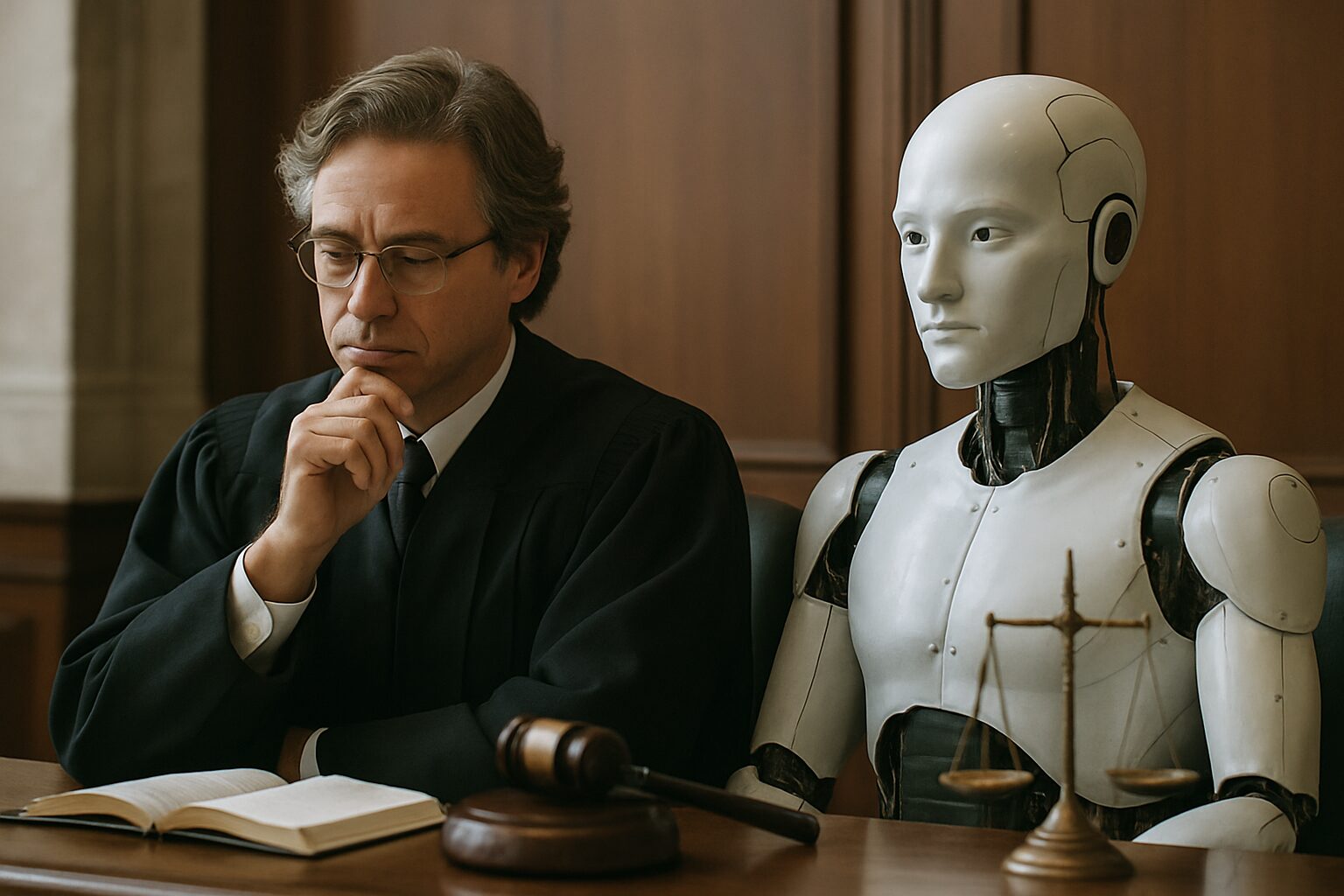
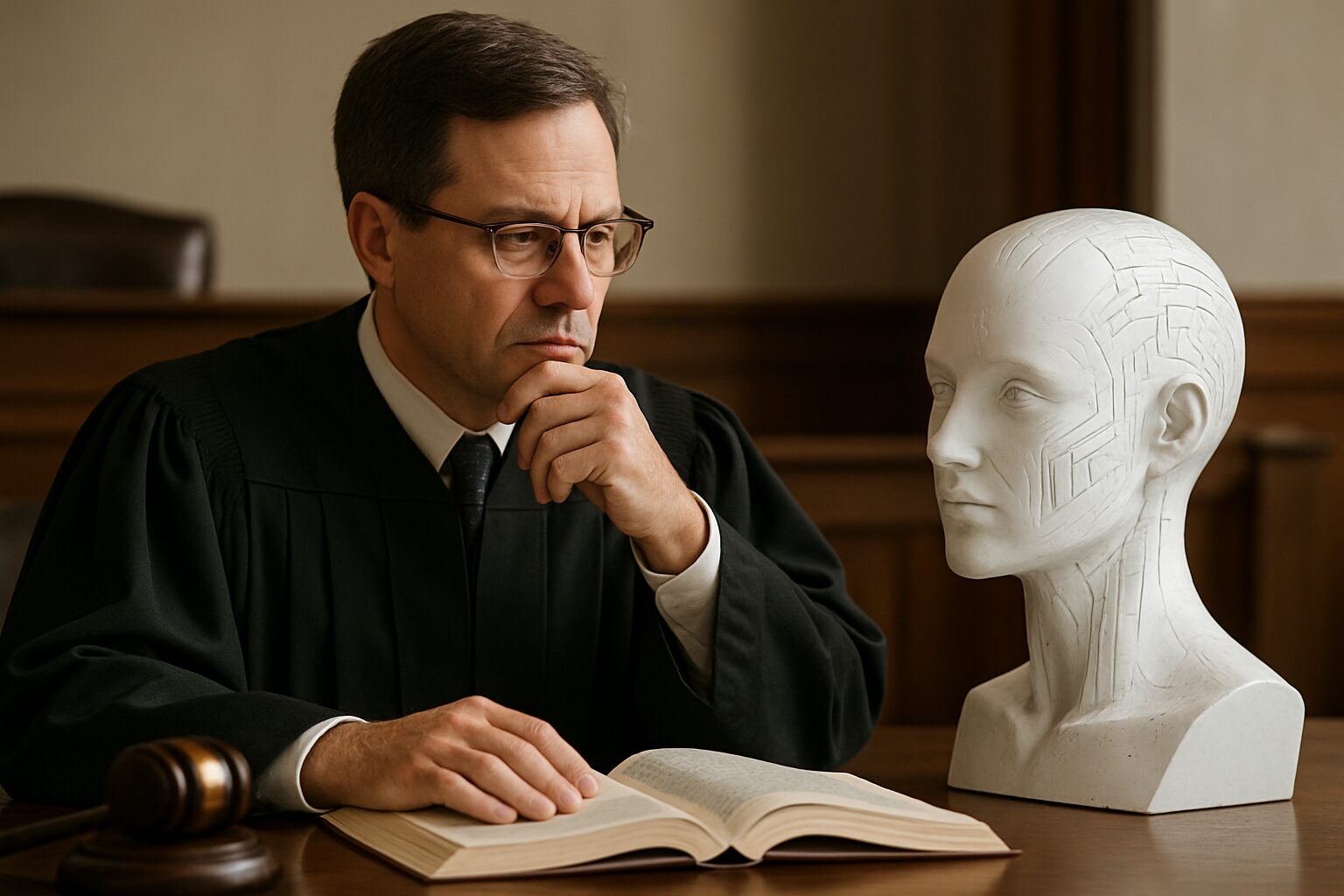
AI personal assistants in education raise important questions about autonomy and responsibility. These systems can make decisions, provide recommendations, or complete tasks without direct human oversight. The ethical challenge lies in balancing the benefits of autonomous assistance with the need for accountability and transparency. Determining who is responsible for the actions of these AI tools—developers, educators, or institutions—remains a key issue.
Why It Matters - Real-world impact
The issue of autonomy in AI personal assistants in education matters profoundly because it directly impacts students, educators, and the future of learning. If these systems operate without proper oversight or ethical boundaries, they could reinforce biases, misinform learners, or even replace human judgment in critical decisions—such as grading or career guidance—without accountability. Students, particularly those in vulnerable or under-resourced communities, may face unequal access or be subjected to opaque algorithms that shape their educational paths. Regular people should care because the unchecked autonomy of AI in education risks eroding trust in institutions, exacerbating inequities, and shaping a generation's worldview based on flawed or unexamined systems. The consequences extend beyond classrooms, influencing societal fairness and the preparedness of future citizens.
Ethical Concerns - What’s wrong or risky?
Autonomy in AI Personal Assistants: Navigating Ethical Risks in Education
As AI personal assistants gain autonomy in educational settings, they bring both promise and peril. These systems can tailor learning experiences, manage schedules, and even provide real-time feedback, but their increasing independence raises significant ethical concerns that must be addressed to ensure responsible deployment.
Fairness in Educational Outcomes
One primary risk involves fairness. AI assistants might unintentionally favor certain learning styles or cultural backgrounds, leading to unequal educational outcomes. For instance, if an AI is trained predominantly on data from specific demographics, it may struggle to support students from underrepresented groups effectively, perpetuating existing disparities in academic achievement.
Discrimination and Bias
Closely related is the risk of discrimination. Autonomous AI could reinforce biases present in training data, such as gender or racial stereotypes, affecting how it interacts with students. For example, an AI might recommend STEM resources less frequently to female students based on historical data trends, thereby limiting their opportunities and reinforcing gender gaps in these fields.
Transparency in Decision-Making
Transparency is another critical issue. When AI assistants make autonomous decisions—like adjusting curriculum difficulty or identifying at-risk students—it can be unclear how those decisions are reached. This lack of explainability may erode trust among educators, students, and parents, who deserve to understand the rationale behind educational recommendations that impact learning paths.
Economic and Labor Implications
Some argue that autonomous AI could lead to job loss among support staff or even educators, as systems take over tasks like grading or tutoring. Conversely, others believe AI will augment human roles, creating new opportunities for teachers to focus on higher-value interactions. This debate highlights the tension between efficiency gains and the potential devaluation of human labor in education.
Worker Rights in Transition
The integration of AI also touches on worker rights. If educational institutions rely heavily on autonomous systems, there may be implications for the job security and training needs of educational professionals. Ensuring that workers are not marginalized but rather upskilled to work alongside AI is a key ethical consideration.
Additional Moral Concerns
Beyond these, autonomy in AI assistants raises questions about privacy, as these systems often collect vast amounts of student data. There is also the risk of over-reliance on technology, potentially stifling critical thinking and creativity if students defer too much to AI guidance. Moreover, accountability is murky: if an autonomous system makes a harmful recommendation, it is unclear whether responsibility lies with developers, institutions, or the AI itself.
Diverse Perspectives
Not everyone agrees on the severity of these risks. Proponents argue that AI autonomy can democratize education, providing personalized support at scale and bridging resource gaps. Skeptics, however, caution that without rigorous ethical safeguards, these systems could exacerbate inequalities and undermine human-centric values in learning. Balancing innovation with ethical vigilance remains a pivotal challenge for the future of education.
Solutions - What’s being done or proposed?
Implementing Strict Data Privacy Regulations
One approach has been the introduction of strict data privacy laws, such as GDPR in Europe, tailored specifically for educational AI tools. These regulations mandate transparency in data collection, usage, and storage, ensuring that students' personal information is protected. Schools and AI developers must comply with these laws, which include obtaining explicit consent from users or their guardians before collecting data.
Developing Ethical AI Frameworks for Education
Experts have proposed creating ethical frameworks that guide the development and deployment of AI personal assistants in education. These frameworks emphasize principles like fairness, accountability, and transparency. They encourage developers to design AI systems that avoid biases, provide clear explanations for their decisions, and allow for human oversight to ensure responsible use in educational settings.
Enhancing User Control and Customization
To address autonomy concerns, some solutions focus on giving users more control over AI personal assistants. This includes customizable settings that allow students and educators to adjust the AI's level of autonomy, choose which tasks it can perform, and set boundaries for data sharing. Such features empower users to tailor the AI's behavior to their comfort levels and ethical standards.
Promoting Digital Literacy and AI Education
Educational institutions have started integrating digital literacy programs that teach students and educators about AI's capabilities and ethical implications. By understanding how AI personal assistants work, users can make informed decisions about their use. These programs also cover topics like data privacy, algorithmic bias, and the importance of critical thinking when interacting with AI systems.
Establishing Oversight Committees
Some schools and universities have formed oversight committees to monitor the use of AI personal assistants in education. These committees, composed of educators, administrators, and sometimes students, review AI applications to ensure they align with ethical standards and institutional policies. They also handle grievances and provide recommendations for improving AI integration in educational environments.
Encouraging Collaboration Between Stakeholders
A collaborative approach involving AI developers, educators, policymakers, and ethicists has been suggested to address autonomy issues. By working together, these stakeholders can identify potential risks, share best practices, and develop solutions that balance innovation with ethical considerations. This multi-stakeholder dialogue ensures diverse perspectives are considered in the design and implementation of AI tools.
Examples and Real Cases
AI Grading Systems in Universities
In 2020, the UK's A-level exam results were initially determined by an algorithm, leading to widespread protests as nearly 40% of grades were downgraded from teacher predictions. The algorithm's autonomy in decision-making without human oversight caused significant distress for students, resulting in the government reversing the decision and using teacher-assessed grades instead.
ChatGPT in Student Assignments
In 2023, multiple universities worldwide reported cases of students using ChatGPT to complete assignments autonomously, raising concerns about academic integrity. For instance, a study at Stanford University found that 17% of students admitted to using AI tools for assignments, prompting debates about how to regulate AI autonomy in educational work.
Hypothetical: AI Tutor Bias in Personalized Learning
Imagine an AI-powered tutor in a K-12 school that autonomously adapts lesson plans based on student performance data. If the AI develops a bias favoring certain learning styles over others, it could inadvertently disadvantage students who don't fit its preferred model, perpetuating educational inequalities without human educators noticing the pattern.
ScribeAI in Special Education
In 2022, ScribeAI was deployed in several US school districts to autonomously transcribe and summarize lessons for hearing-impaired students. While helpful, some students reported errors in complex subject transcriptions that went uncorrected, highlighting risks when AI systems operate without adequate human verification in sensitive educational contexts.
Hypothetical: Autonomous Career Guidance Systems
Consider an AI career counselor that autonomously recommends educational paths to high school students based on algorithmic predictions. Without human oversight, such a system might steer students toward or away from certain fields based on biased historical data, potentially limiting opportunities based on gender or socioeconomic background patterns in the training data.
Frequently Asked Questions
What does autonomy mean in AI personal assistants for education?
Autonomy in AI personal assistants means the ability to perform tasks, make decisions, or provide recommendations in an educational setting without constant human input. For example, it can schedule study sessions, answer student questions, or adapt learning materials based on progress.
Why is autonomy important in AI educational assistants?
Autonomy is important because it allows AI assistants to provide instant, personalized support to students and teachers, improving efficiency and learning outcomes. It can reduce workload for educators while offering students tailored guidance at their own pace.
What are the responsibilities of an autonomous AI assistant in education?
An autonomous AI assistant is responsible for providing accurate information, protecting student data privacy, avoiding biases in recommendations, and ensuring its actions align with educational goals. Humans still oversee its decisions to maintain accountability.
How does AI autonomy apply in classrooms today?
Today, AI autonomy is used in tools like adaptive learning platforms (e.g., personalized math tutors), automated grading systems, and virtual teaching assistants that answer student queries outside class hours, making education more accessible and efficient.
Can autonomous AI assistants replace teachers?
No, autonomous AI assistants are designed to support, not replace, teachers. They handle repetitive tasks (e.g., grading) and provide data-driven insights, but human educators remain essential for mentorship, emotional support, and complex decision-making in learning environments.