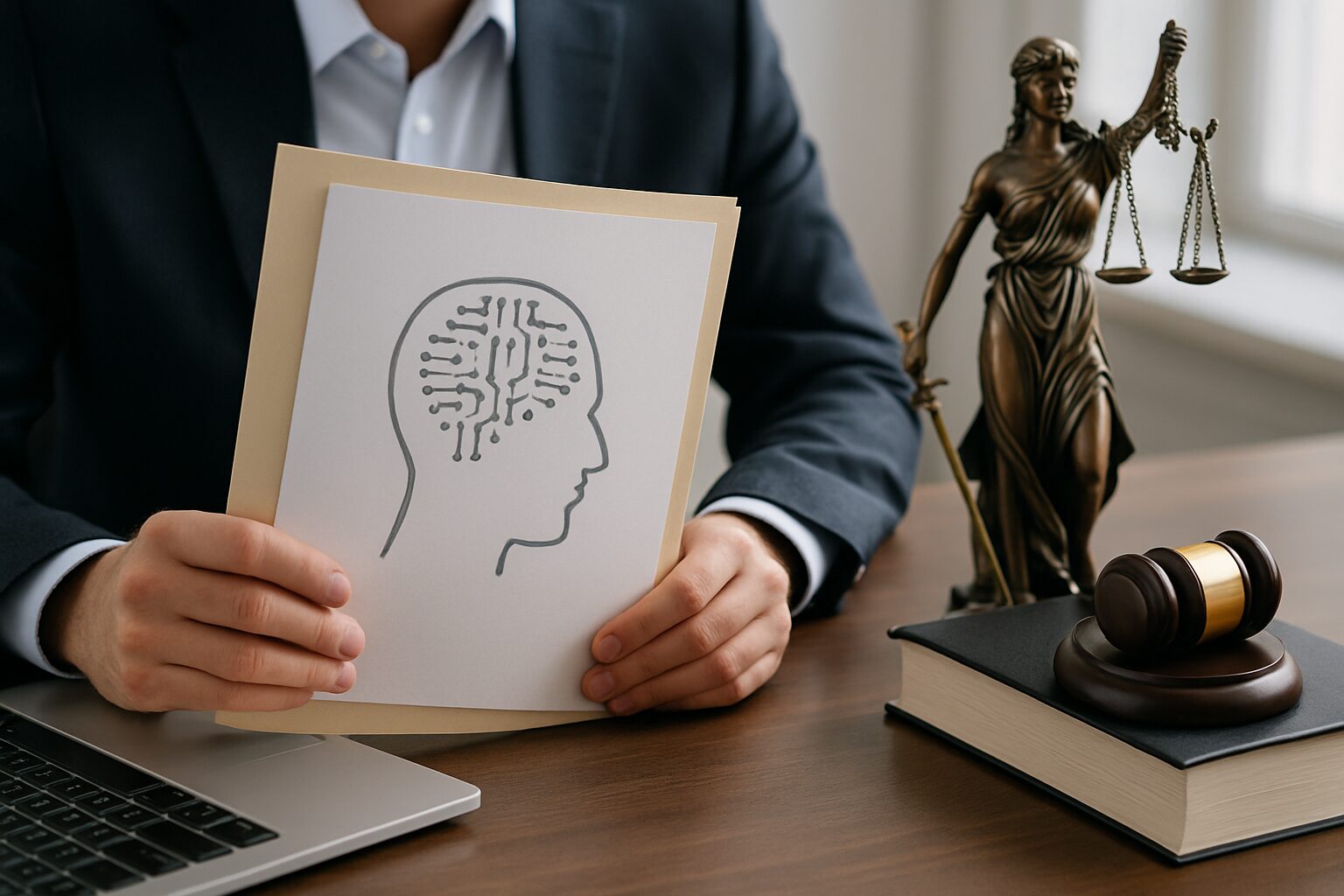
The Legal Future of AI-Driven Employment Decisions: Risks and Regulations
The use of artificial intelligence in hiring and firing decisions raises legal and ethical questions about fairness, accountability, and compliance with labor laws. AI systems may analyze resumes, conduct interviews, or evaluate employee performance, but biases in data or algorithms can lead to discriminatory outcomes. Regulators are increasingly examining how these tools align with anti-discrimination statutes and workers' rights.
Why It Matters - Real-world impact
The use of AI in hiring and firing decisions has profound real-world consequences for workers, employers, and society at large. Job applicants may face opaque algorithmic screening that perpetuates biases based on gender, race, or age, while employees could be terminated by systems analyzing productivity metrics without human oversight. Companies risk legal liability for discriminatory outcomes, and marginalized groups often bear the brunt of flawed automated decisions. Regular people should care because these systems increasingly dictate economic opportunities—determining who gets hired, promoted, or dismissed—without transparency or recourse. When AI replicates historical inequities or makes errors, it undermines fair labor practices and erodes trust in workplaces.
Ethical Concerns - What’s wrong or risky?
AI in Hiring and Firing: Navigating Ethical Risks
As artificial intelligence becomes more integrated into human resources, its use in hiring and firing decisions raises significant ethical questions. These systems promise efficiency and objectivity, but they also introduce new forms of risk that challenge existing legal frameworks and moral principles.
Discrimination Risks
One of the most pressing concerns is the potential for AI to perpetuate or even amplify discrimination. Algorithms trained on historical data may learn and replicate biases related to race, gender, age, or other protected characteristics. For example, if past hiring data reflects a preference for male candidates in tech roles, an AI might unfairly disadvantage female applicants. This not only violates ethical norms but also exposes organizations to legal liability under anti-discrimination laws.
Fairness and Equity
Questions of fairness arise when AI systems make decisions based on proxies or correlations that are not directly related to job performance. An algorithm might favor candidates from certain universities or geographic locations, indirectly excluding qualified individuals from underrepresented backgrounds. Critics argue that this undermines meritocracy, while proponents claim AI can reduce human subjectivity if carefully designed.
Transparency and Explainability
Many AI hiring tools operate as "black boxes," making it difficult to understand how decisions are reached. This lack of transparency can erode trust among job applicants and employees, who have a right to know why they were rejected or terminated. Some argue that opaque systems hinder accountability, while others contend that disclosing too much about the algorithm could enable gaming of the system.
Economic and Job Loss Concerns
The automation of hiring and firing decisions could lead to significant economic impact, including shifts in the job market for HR professionals. Additionally, the use of AI in termination decisions—such as monitoring productivity to justify layoffs—may contribute to job loss without adequate human oversight. Supporters highlight potential cost savings and efficiency, but skeptics worry about dehumanizing workforce management.
Worker Rights and Autonomy
AI systems in employment decisions can infringe on worker rights, such as the right to privacy, due process, and meaningful appeal. Continuous monitoring and algorithmic performance assessments may create a culture of surveillance, reducing employee autonomy. Advocates for workers argue that human judgment is essential in sensitive decisions, while some employers believe AI can help standardize and document processes fairly.
Additional Ethical Considerations
Beyond these linked categories, other moral concerns include the potential for AI to prioritize profit over people, the erosion of human empathy in workplace relationships, and the long-term societal effects of automating career-altering decisions. Not everyone agrees on the severity of these risks—some view AI as a tool for progress, while others caution against ceding too much control to machines.
Solutions - What’s being done or proposed?
Legislation to Regulate AI in Employment Decisions
Several jurisdictions have introduced or proposed laws to regulate the use of AI in hiring and firing. For example, the EU's AI Act classifies employment-related AI as high-risk, requiring transparency, human oversight, and bias mitigation. In the U.S., states like Illinois and Maryland have passed laws requiring consent for AI-driven video interviews and banning facial analysis in hiring. These legal frameworks aim to ensure accountability and protect workers' rights.
Bias Audits and Algorithmic Transparency
Some companies and researchers advocate for regular bias audits of AI hiring tools. These audits involve testing algorithms for discriminatory outcomes based on gender, race, or other protected characteristics. Transparency initiatives, such as disclosing the data and criteria used by AI systems, help stakeholders assess fairness. However, audits can be costly, and proprietary algorithms often resist full transparency.
Human-in-the-Loop Systems
A widely suggested approach is integrating human oversight into AI-driven decisions. Human-in-the-loop systems ensure that AI recommendations are reviewed by HR professionals before final actions. This hybrid model balances efficiency with ethical judgment, though it doesn't eliminate biases entirely if human reviewers are also influenced by unconscious prejudices.
Diverse Training Data and Inclusive Design
Technical solutions focus on improving the datasets used to train AI models. By ensuring diverse representation in training datau2014covering different genders, ethnicities, and backgroundsu2014developers can reduce discriminatory outcomes. Inclusive design principles also encourage involving ethicists and marginalized groups in the development process to identify potential harms early.
Worker Advocacy and Collective Bargaining
Labor unions and advocacy groups have pushed for collective bargaining agreements that restrict or govern AI use in workplaces. For instance, some unions negotiate clauses requiring employers to disclose AI tools used for monitoring or evaluations. Worker-led initiatives emphasize the need for consent and appeal mechanisms in AI-driven disciplinary actions.
Ethical Certification for AI Vendors
Proposals exist for third-party certifications to evaluate AI hiring tools against ethical standards. Similar to privacy seals (e.g., GDPR compliance), these certifications would assess fairness, accuracy, and accountability. However, critics note that certification processes may lack enforcement power or become superficial without rigorous standards.
Right-to-Explanation Policies
Some legal scholars argue for a 'right to explanation,' where employees or candidates can demand clear reasoning behind AI-generated decisions. The EU's GDPR already includes limited provisions for this. Implementing such policies in hiring/firing contexts could empower individuals to challenge unfair outcomes, though explaining complex algorithms remains technically challenging.
Examples and Real Cases
Amazon's AI Recruitment Tool Bias (2018)
In 2018, Amazon scrapped an AI recruitment tool after discovering it discriminated against female candidates. The system, trained on resumes submitted over a 10-year period, penalized applications containing words like 'womenu2019s' and downgraded graduates of all-women colleges.
iTutorGroup's Age Discrimination Case (2022)
In 2022, the U.S. Equal Employment Opportunity Commission sued iTutorGroup for programming its hiring software to automatically reject female applicants aged 55 or older and male applicants aged 60 or older. The company paid $365,000 to settle the age discrimination lawsuit.
Hypothetical: AI Layoff Algorithm Favors Younger Employees
A hypothetical scenario could involve a company using an AI system to select employees for layoffs based on 'productivity metrics.' If the system disproportionately targets older workers due to biased training data measuring output speed over experience, it could lead to age discrimination lawsuits.
HireVue's Controversial Facial Analysis (2019-2021)
HireVue's AI-powered video interviewing tool, which analyzed facial expressions and voice tones to assess candidates, faced criticism for potential bias. While the company claimed it improved hiring diversity, experts raised concerns about discrimination against neurodiverse applicants and different ethnic groups until HireVue discontinued the facial analysis feature in 2021.
Hypothetical: AI Firing System Misinterprets Medical Leave
A realistic hypothetical case might involve an AI system automatically terminating employees who take extended medical leave, interpreting it as 'low engagement.' Without human oversight, this could unlawfully discriminate against employees with disabilities or serious health conditions protected under the ADA.
Frequently Asked Questions
What is AI in hiring and firing decisions?
AI in hiring and firing decisions refers to the use of artificial intelligence tools and algorithms to assist or automate processes like screening resumes, conducting interviews, or evaluating employee performance. These systems analyze data to make or recommend employment decisions.
Why is AI in hiring and firing decisions controversial?
AI in hiring and firing is controversial because it can unintentionally discriminate against certain groups if the data or algorithms are biased. Laws like the Equal Employment Opportunity Act (EEOA) require fair treatment, so flawed AI systems may lead to legal risks for companies.
How does AI impact job applicants and employees?
AI can speed up hiring processes and remove some human biases, but it may also reject qualified candidates if the system is poorly designed. Employees might also face unfair termination if AI tools inaccurately assess their performance or behavior.
Are there laws regulating AI in employment decisions?
Yes, in many countries, existing labor and anti-discrimination laws apply to AI tools. For example, in the U.S., the Equal Employment Opportunity Commission (EEOC) enforces rules to ensure AI doesn't discriminate based on race, gender, age, or other protected characteristics.
What should companies consider before using AI for hiring or firing?
Companies should test AI systems for bias, ensure transparency in how decisions are made, and comply with labor laws. Human oversight is also critical to correct errors and avoid unfair outcomes that could lead to legal challenges or harm employee morale.