How Algorithmic News Feeds Shape Our Beliefs and Bias
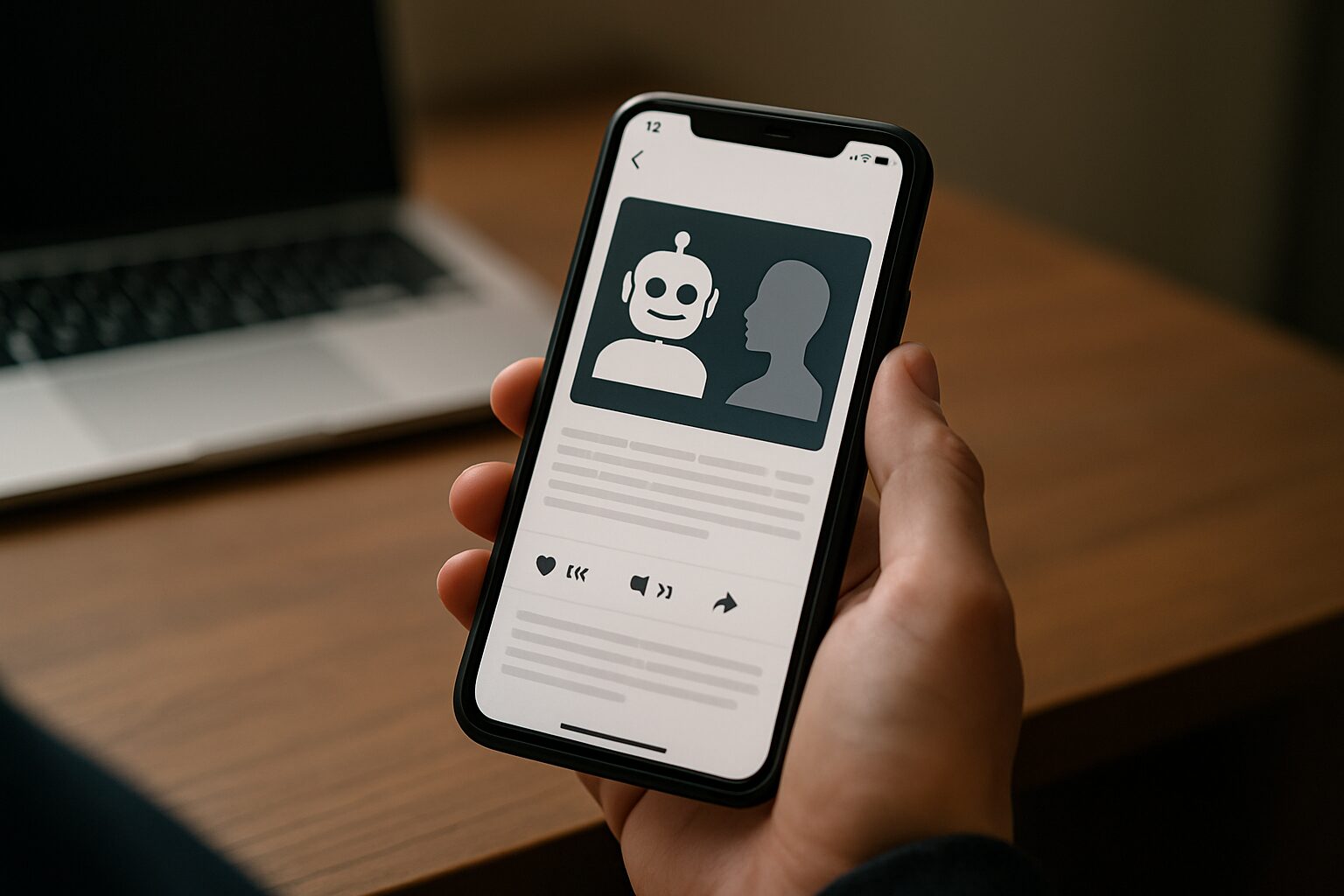
AI-curated news platforms use algorithms to personalize content based on user preferences, often prioritizing engagement over diversity of perspectives. This can create echo chambers, where individuals are repeatedly exposed to similar viewpoints, reinforcing their existing beliefs. The ethical concern lies in whether such systems unintentionally manipulate public opinion by limiting exposure to balanced information.
Why It Matters - Real-world impact
AI-curated news and the resulting echo chambers have profound real-world consequences, affecting individuals, communities, and democratic societies at large. When algorithms prioritize content that aligns with users' existing beliefs, they reinforce polarization, making it harder for people to engage with diverse perspectives or factual information. This can lead to increased societal divisions, misinformation, and even radicalization, as seen in political extremism or public health crises. Everyday people are affected as their worldviews become increasingly narrow, undermining informed decision-making and civil discourse. Without intervention, these systems risk eroding trust in media and institutions, with long-term implications for democracy and social cohesion.
Ethical Concerns - What’s wrong or risky?
AI-Curated News and Echo Chambers: Ethical Risks
AI-curated news algorithms personalize content based on user data, but this raises significant ethical concerns. One major risk is the reinforcement of echo chambers, where users are only exposed to information that aligns with their existing beliefs, limiting diverse perspectives and informed public discourse.
Fairness
AI systems may not treat all news sources or viewpoints fairly, potentially amplifying certain voices while suppressing others. This undermines the principle of fairness in information distribution, as the algorithm's design could prioritize engagement over balanced coverage.
Discrimination
Personalization can lead to discriminatory outcomes if algorithms infer sensitive characteristics like political affiliation or socioeconomic status. This may result in some groups receiving skewed or biased information, exacerbating existing societal divides and raising concerns about discrimination.
Transparency
The opacity of AI decision-making processes is a critical issue. Users often don’t know why certain stories are highlighted or omitted, which challenges transparency and accountability. Without clear insight, it's difficult to assess whether the curation serves the public interest or hidden agendas.
Other Moral Concerns
Beyond these, there are worries about manipulation, as curated feeds can subtly shape public opinion and behavior. Some argue this erodes autonomy, while others believe personalization enhances user experience by reducing information overload. Additionally, there are economic implications, such as the impact on journalism revenue models and potential job loss in traditional news roles, though this is debated. Not everyone agrees on the severity of these risks; proponents highlight efficiency and relevance, whereas critics emphasize the dangers to democracy and informed citizenship.
Solutions - What’s being done or proposed?
Algorithmic Transparency and Auditing
One proposed solution is to mandate transparency in how AI algorithms curate news content. This could involve requiring companies to disclose the criteria and weightings used in their recommendation systems. Independent audits could be conducted to ensure these algorithms do not disproportionately favor certain viewpoints or create filter bubbles. While this approach promotes accountability, challenges remain in protecting proprietary information while ensuring meaningful transparency.
Diverse Source Promotion
Some platforms have experimented with intentionally promoting news from diverse perspectives, even if they fall outside a user's typical engagement patterns. This could involve highlighting opposing viewpoints or lesser-known sources to break echo chambers. However, the effectiveness of this approach depends on user willingness to engage with content that may challenge their beliefs, and there is a risk of backlash if users perceive it as forced or unnatural.
Regulatory Oversight and Standards
Governments and regulatory bodies have considered establishing standards for AI-curated news to prevent manipulation. This could include guidelines on fairness, bias mitigation, and the avoidance of harmful amplification. The European Union's Digital Services Act is an example of such efforts. While regulation can set baseline expectations, enforcement can be difficult across jurisdictions, and overly prescriptive rules may stifle innovation.
User Control and Customization
Empowering users with more control over their news feeds is another approach. This could include adjustable filters, the ability to see why certain content is recommended, or options to prioritize certain types of sources. Giving users agency can mitigate passive consumption of algorithmically curated content, though it also places the burden of responsibility on individuals to actively manage their information diets.
Media Literacy Education
Educational initiatives aimed at improving media literacy can help users recognize and counteract echo chamber effects. Schools, nonprofits, and platforms themselves have launched programs to teach critical thinking about news sources and algorithmic influence. While valuable, this solution is long-term and may not address immediate systemic issues in AI curation.
Decentralized and Open-Source Alternatives
Some advocate for decentralized or open-source news aggregation platforms where algorithms are community-governed or transparent by design. These systems aim to reduce the monopolistic control of a few tech giants over news distribution. However, such platforms often struggle with scalability, funding, and attracting a critical mass of users away from established networks.
Examples and Real Cases
Facebook's News Feed Algorithm (2016)
During the 2016 U.S. presidential election, Facebook's algorithm was found to prioritize sensational and polarizing content, reinforcing users' existing beliefs. A study by Pew Research Center showed that 62% of U.S. adults got news from social media, with many exposed only to ideologically aligned perspectives.
YouTube's Recommendation System (2018)
In 2018, a study by Mozilla and the Guardian revealed YouTube's recommendation algorithm often pushed users toward extremist content after watching politically charged videos. For example, users who watched conservative commentator Ben Shapiro were frequently directed to far-right content.
Twitter's Trending Topics (2020)
During the 2020 U.S. elections, Twitter's trending topics were criticized for amplifying divisive narratives without context. Researchers found that false or misleading claims often trended due to algorithmic prioritization of engagement over accuracy.
Hypothetical: AI-Powered Local News Aggregator
Imagine a local news app using AI to curate stories based on user preferences, consistently omitting opposing political views in a small town. Over time, residents become more polarized as they only see stories reinforcing their biases, worsening community divisions.
China's Toutiao App (2017)
In 2017, China's Jinri Toutiao (Today's Headlines) app faced backlash for its AI-driven content curation, which created 'information cocoons.' Users were fed hyper-partisan or sensationalist news, leading to public criticism and government intervention.
Frequently Asked Questions
What is an echo chamber in the context of AI-curated news?
An echo chamber refers to a situation where AI algorithms show you news and content that aligns with your existing beliefs and preferences, reinforcing your views without exposing you to different perspectives. This can limit critical thinking and create a biased understanding of the world.
Why is AI-curated news a concern for manipulation and influence?
AI-curated news can be a concern because it can be designed to amplify certain narratives, suppress opposing views, or spread misinformation. This makes it easier for bad actors to manipulate public opinion or influence behavior without users realizing it.
How does AI contribute to the creation of echo chambers?
AI contributes to echo chambers by using engagement-based algorithms that prioritize content similar to what you've liked or interacted with before. Over time, this narrows your exposure, making it harder to encounter diverse or challenging viewpoints.
What can we learn from studying AI-curated news and echo chambers?
We can learn how technology shapes our perception of reality and the importance of seeking diverse sources of information. It highlights the need for media literacy and critical thinking to avoid being unknowingly influenced by biased or manipulated content.
How does AI-curated news apply to today's social media and news consumption?
Today, many people get their news from AI-driven platforms like social media or news apps. These systems often prioritize engagement over accuracy, which can lead to polarized communities, misinformation spread, and reduced trust in reliable journalism.