How AI-Generated Fake Media Shapes Political Truths and Trust
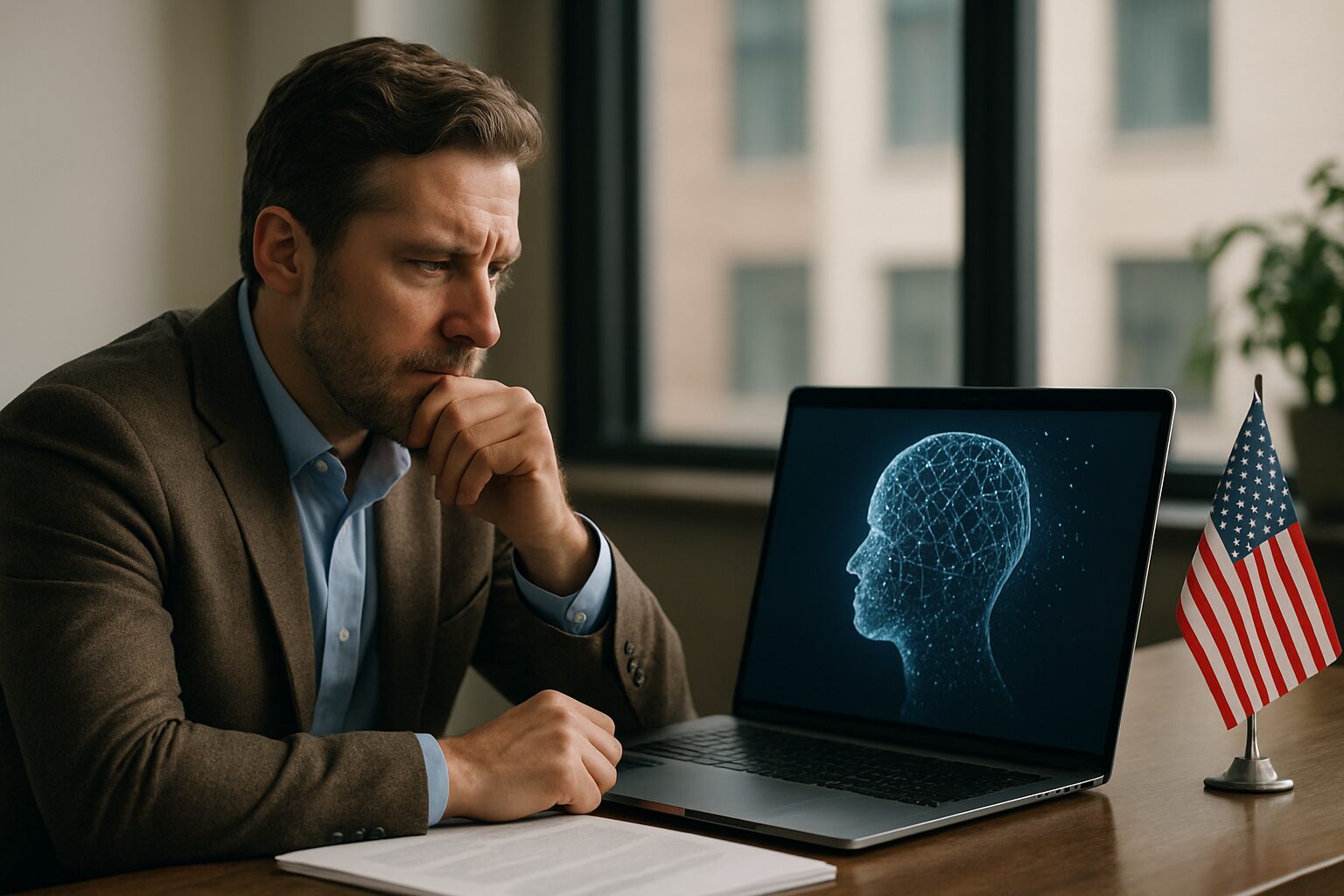
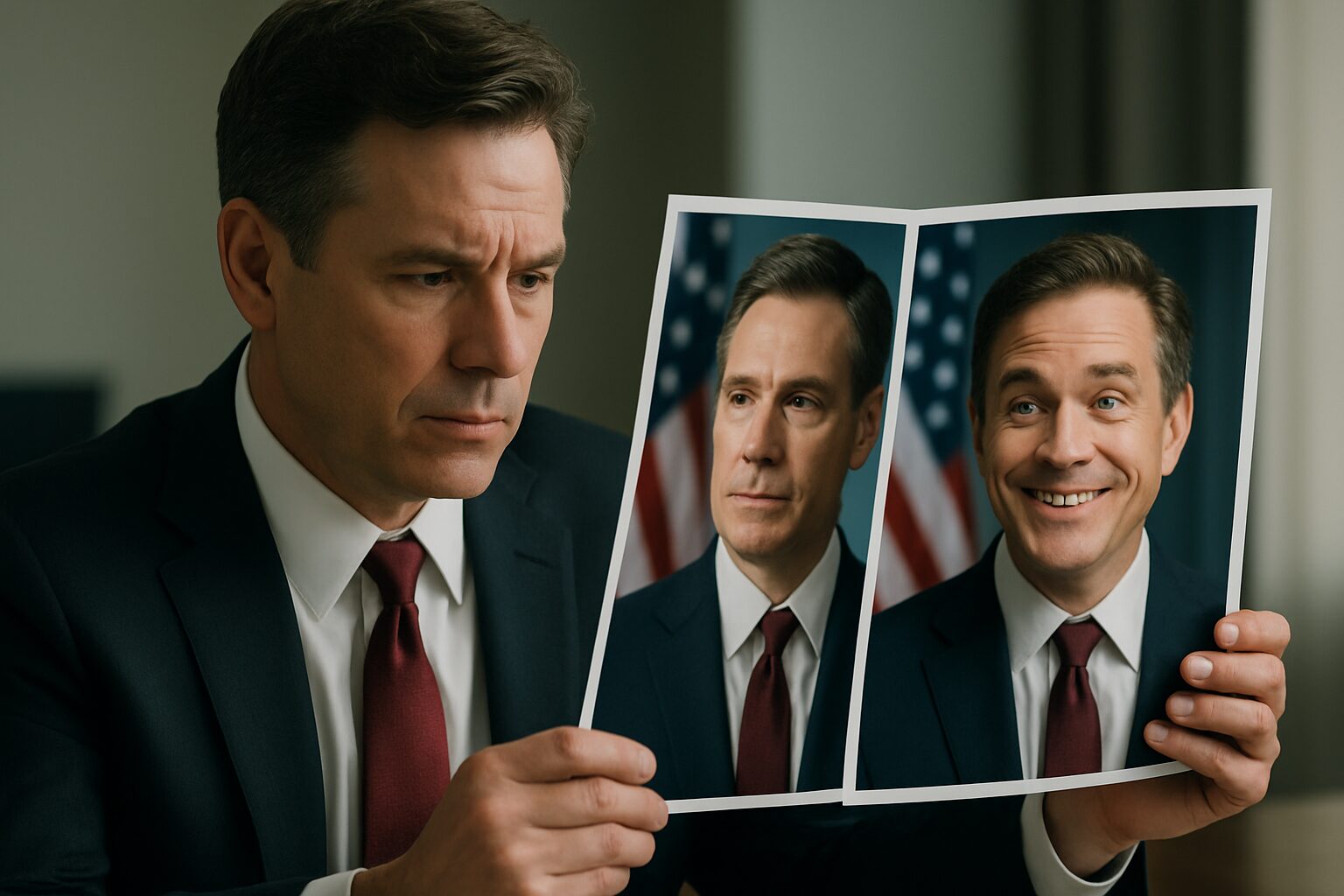
Deepfakes—highly realistic synthetic media generated using artificial intelligence—pose growing ethical concerns in election campaigns. These manipulated videos, audio clips, or images can falsely depict candidates saying or doing things they never did, potentially misleading voters. The lack of transparency around their creation and dissemination raises questions about accountability, trust, and the integrity of democratic processes.
Why It Matters - Real-world impact
Deepfakes in election campaigns threaten the foundation of democratic processes by eroding public trust in information. Voters, candidates, and entire electoral systems are affected, as manipulated content can spread misinformation, distort candidates' positions, or fabricate events that never occurred. If left unchecked, deepfakes could sway elections, legitimize fraudulent narratives, and deepen societal polarization. Regular people should care because their votes—and thus their voices—may be influenced by deceptive media rather than facts. Without transparency and safeguards, democracy itself risks becoming vulnerable to digital manipulation.
Ethical Concerns - What’s wrong or risky?
Deepfakes in Election Campaigns: A Threat to Democratic Integrity
The proliferation of deepfake technology in political campaigns introduces severe ethical risks, particularly concerning transparency. When voters cannot distinguish between authentic and manipulated media, informed decision-making is compromised, eroding trust in democratic processes.
Fairness and Discrimination Concerns
Deepfakes can be weaponized to target candidates or voters unfairly, distorting public perception through fabricated speeches or actions. This raises issues of fairness, as some actors may exploit the technology to gain an undue advantage. Additionally, if deepfakes are used to misrepresent marginalized groups, they can perpetuate harmful stereotypes, intersecting with concerns about discrimination.
Economic and Societal Ramifications
Beyond electoral integrity, the misuse of deepfakes could have broader economic consequences, such as destabilizing markets through fake announcements from public figures, linking to worries about economic impact. Moreover, the technology might contribute to job loss in creative industries, as synthetic media replaces roles in advertising or content creation.
Differing Perspectives
Not all viewpoints condemn deepfakes uniformly. Some argue that, with regulation, they could be used for satire or education, enhancing political engagement. Others emphasize that banning them might infringe on free speech, suggesting that technological solutions, like watermarking, could mitigate harms without stifling innovation.
Worker Rights and Broader Ethical Issues
The creation of deepfakes often involves using individuals' likenesses without consent, raising questions about worker rights and personal autonomy. This intersects with moral concerns beyond the listed categories, such as privacy violations and the potential for widespread societal manipulation, underscoring the need for comprehensive ethical frameworks.
Solutions - What’s being done or proposed?
Legislation and Regulation
Several countries have introduced laws specifically targeting the creation and distribution of deepfakes, especially in political contexts. For example, some jurisdictions require clear labeling of synthetic media or impose penalties for malicious use. These legal frameworks aim to deter bad actors by holding them accountable, though enforcement remains challenging due to the global nature of the internet.
Detection Technology
Researchers and tech companies are developing advanced detection tools to identify deepfakes through inconsistencies in audio, video, or metadata. Machine learning models are trained to spot subtle artifacts left by generative AI. While these tools are improving, they often engage in a cat-and-mouse game with increasingly sophisticated deepfake creators.
Media Literacy Programs
Educational initiatives aim to equip the public with skills to critically evaluate digital content. Workshops, school curricula, and public awareness campaigns teach people to recognize signs of manipulation and verify sources before sharing information. This social solution addresses the root problem by reducing the effectiveness of deceptive content.
Platform Policies and Verification
Social media platforms have implemented policies to remove or label suspected deepfakes, especially during election periods. Some require political ads to undergo verification processes. While these measures help, they face challenges in scalability and consistency across different regions and languages.
Watermarking and Provenance Standards
Technical solutions like cryptographic watermarking embed detectable signals in authentic media, while initiatives like the Content Authenticity Initiative establish provenance standards. These approaches help distinguish real content from synthetic, though widespread adoption requires industry-wide cooperation.
Rapid Response Teams
Some governments and NGOs have established specialized units to quickly debunk viral deepfakes during critical periods like elections. These teams combine technical analysis with strategic communications to limit misinformation spread, though their impact depends on public trust in the institutions behind them.
Examples and Real Cases
2018 Gabon Coup Attempt
In January 2019, a deepfake video of Gabon's President Ali Bongo surfaced while he was recovering from a stroke. The video, which showed him appearing healthy, led to a failed coup attempt as military officers claimed the real president was incapacitated. This marked one of the first known uses of deepfakes in political destabilization.
2020 US Election: Fake Biden Video
In March 2020, a manipulated video of Democratic candidate Joe Biden circulated online, making it appear he was calling voters 'stupid' and telling them not to vote. The video was debunked by fact-checkers but still reached millions on social media platforms before being removed.
2022 Ukraine War: Zelenskyy Surrender Deepfake
In March 2022, a deepfake video of Ukrainian President Volodymyr Zelenskyy appeared to show him ordering troops to surrender to Russia. The video was quickly identified as fake by Ukrainian officials and tech companies, but it demonstrated how deepfakes could be weaponized during conflicts.
Hypothetical: 2024 UK Election Scenario
In a plausible scenario, a deepfake video of a UK party leader admitting to secret policy plans could surface days before the 2024 general election. Despite rapid debunking, the video might still influence undecided voters and overwhelm fact-checking efforts due to viral spread.
2019 Indian Election: Modi Voice Clone
During India's 2019 general election, a cloned voice of Prime Minister Narendra Modi was used in robocalls to millions of voters making false promises. While not a visual deepfake, this audio manipulation showed how synthetic media could scale election interference.
Frequently Asked Questions
What are deepfakes in election campaigns?
Deepfakes are AI-generated fake videos or audio clips that make it appear as if a person is saying or doing something they never did. In election campaigns, they can be used to spread false information or manipulate public opinion about candidates.
Why are deepfakes a problem for elections?
Deepfakes can mislead voters by creating fake speeches, scandals, or statements from candidates, undermining trust in the democratic process. They make it harder to distinguish real news from manipulated content, which can influence election outcomes unfairly.
How can deepfakes impact voter decisions?
Deepfakes can sway voter opinions by spreading false narratives or damaging a candidate's reputation. Even if debunked later, the initial shock or anger from a fake video can leave a lasting impression on voters.
What can be done to detect deepfakes in elections?
Experts recommend using AI detection tools, fact-checking sources, and media literacy education to spot inconsistencies in videos or audio. Social media platforms and governments are also working on policies to label or remove deepfake content.
Are there laws against using deepfakes in elections?
Some countries and states have started passing laws to ban or regulate deepfakes in political campaigns, but enforcement is still a challenge. Many places are still catching up with the technology to create effective legal protections.