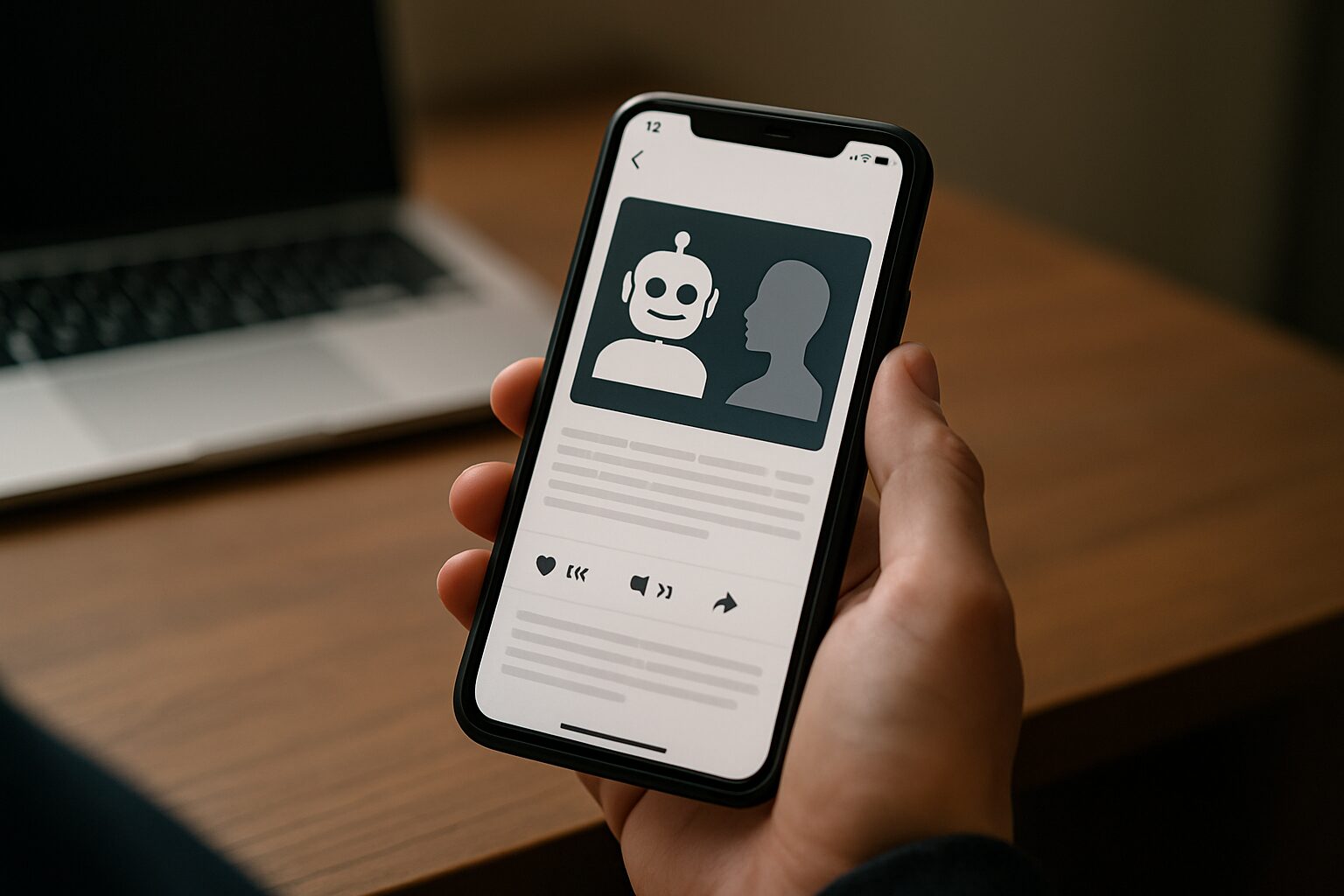
Balancing AI Nudges: Legal Boundaries and Ethical Challenges
Behavioral nudging refers to subtle design choices that influence people's decisions without restricting their options. When artificial intelligence is used to automate or personalize these nudges, ethical concerns arise about transparency, consent, and unintended consequences. In legal contexts, AI-driven behavioral influence raises questions about fairness, autonomy, and the boundaries of acceptable persuasion.
Why It Matters - Real-world impact
The ethics of AI in behavioral nudging and the law matter because these technologies influence decisions that shape lives—from consumer purchases to civic participation. Governments, corporations, and platforms use AI-driven nudges to steer behavior, often without transparency, raising concerns about autonomy and consent. Vulnerable populations, such as low-income individuals or those with limited digital literacy, are disproportionately affected by manipulative designs that exploit cognitive biases. If left unchecked, unchecked AI nudging could erode trust in institutions, deepen inequalities, and undermine democratic processes. Regular people should care because these tools operate subtly, shaping choices about health, finance, and even voting—often without their awareness or meaningful recourse.
Ethical Concerns - What’s wrong or risky?
Navigating the Ethical Landscape of AI-Driven Behavioral Nudging
AI-powered behavioral nudging—using algorithms to subtly influence human decisions—raises profound ethical questions when integrated into legal systems. While proponents argue it can promote beneficial outcomes like public health or compliance, critics highlight risks of manipulation and erosion of autonomy.
Key Ethical Risks
One major concern is fairness, as AI systems may embed biases that lead to unequal treatment under the law. For example, nudges based on historical data could perpetuate systemic inequalities, disadvantaging certain groups.
Linked to this is the risk of discrimination, where algorithms might target or exclude individuals based on protected characteristics like race or socioeconomic status, even unintentionally.
Transparency is another critical issue: when AI systems operate as "black boxes," it becomes difficult for individuals to understand why they are being nudged or to challenge these influences, undermining accountability in legal contexts.
There are also worries about economic impacts, such as nudges that steer consumer behavior in ways that benefit corporations over public welfare, or that could contribute to job loss if automation replaces human decision-makers in legal or advisory roles.
Additionally, the use of AI in nudging could infringe on worker rights, for instance if employers use nudges to maximize productivity at the expense of well-being or work-life balance.
Differing Perspectives
Some argue that AI nudging, if designed ethically, can enhance efficiency and promote socially desirable outcomes without coercion. Others contend that any form of algorithmic influence in legal matters risks undermining human dignity and democratic values, regardless of intent.
Balancing innovation with ethical safeguards remains a contentious but necessary endeavor as AI continues to reshape behavioral interventions in law and society.
Solutions - What’s being done or proposed?
Transparency and Disclosure Requirements
One proposed solution is implementing strict transparency and disclosure requirements for AI systems used in behavioral nudging. This would mandate that organizations clearly inform users when AI is influencing their decisions, the purpose of the nudging, and the data being used. Legal frameworks like the GDPR in Europe have started incorporating such measures, requiring explicit consent and clear explanations of automated decision-making processes.
Ethical AI Design Guidelines
Technical solutions include developing and adhering to ethical AI design guidelines that prioritize user autonomy and minimize manipulative practices. Organizations like the IEEE and the AI Ethics Initiative have published frameworks that encourage designers to avoid dark patterns, ensure fairness, and allow users to opt out of nudging features. These guidelines aim to embed ethical considerations into the development process itself.
Independent Oversight Committees
Institutional solutions involve establishing independent oversight committees to monitor AI-driven behavioral nudging. These committees, composed of ethicists, legal experts, and technologists, would audit AI systems for compliance with ethical standards and legal requirements. Similar to institutional review boards in research, they could provide accountability and ensure that nudging practices do not overstep ethical boundaries.
User Empowerment Tools
Social and technical solutions include creating tools that empower users to recognize and resist unwanted nudging. Browser extensions, apps, or platform features could alert users to manipulative design elements or provide options to disable nudging altogether. Educating users about how AI influences behavior can also help them make more informed choices, fostering a culture of digital literacy.
Legal Limits on Nudging in Critical Areas
Legal solutions propose setting boundaries on where and how AI can be used for behavioral nudging, especially in sensitive areas like healthcare, finance, and voting. Laws could prohibit manipulative nudging in contexts where autonomy is paramount, or require higher thresholds of consent. For example, some jurisdictions are exploring bans on microtargeted political ads to prevent undue influence.
Public Awareness Campaigns
Social solutions include launching public awareness campaigns to educate people about the ethical implications of AI-driven nudging. By increasing understanding of how these systems work and their potential harms, society can demand better practices from corporations and policymakers. Campaigns could leverage media, schools, and community organizations to spread information and foster critical discussion.
Algorithmic Impact Assessments
Institutional and legal solutions suggest requiring algorithmic impact assessments before deploying AI nudging systems. These assessments would evaluate potential risks, biases, and societal impacts, similar to environmental impact reports. Governments or regulatory bodies could mandate such assessments to ensure that nudging aligns with public interest and ethical standards.
Examples and Real Cases
Facebook's Emotional Contagion Study (2014)
In 2014, Facebook conducted an experiment on 689,000 users without explicit consent, manipulating their news feeds to show more positive or negative content. The study demonstrated that emotional states could be influenced by algorithmic nudging, raising ethical concerns about psychological manipulation.
Cambridge Analytica and Political Nudging (2016)
Cambridge Analytica used AI-driven behavioral data from millions of Facebook users to create targeted political ads during the 2016 U.S. elections. The firm exploited psychological profiling to nudge voters, sparking debates on the ethics of AI-driven influence in democratic processes.
China's Social Credit System (Ongoing)
China's Social Credit System uses AI to nudge citizens toward 'desirable' behaviors by rewarding or penalizing actions like jaywalking or charitable donations. Critics argue it creates a surveillance-driven society where autonomy is compromised by algorithmic governance.
Hypothetical: AI-Powered Sentencing Recommendations
In a hypothetical scenario, a court uses an AI system to recommend lighter sentences for defendants who express remorse, nudging them toward specific behaviors for favorable outcomes. This raises ethical questions about coercion and fairness in judicial processes.
Uber's Surge Pricing and Behavioral Nudging (2017)
Uber has used dynamic pricing algorithms to nudge drivers toward high-demand areas by offering financial incentives. While framed as efficiency, critics argue it exploits behavioral economics to manipulate gig workers' decisions without transparency.
Frequently Asked Questions
What is AI behavioral nudging?
AI behavioral nudging uses artificial intelligence to subtly influence people's decisions and actions, often without them realizing it. It's like digital suggestions designed to steer choices in certain directions, such as encouraging healthier habits or more purchases.
Why is AI nudging controversial?
AI nudging is controversial because it can manipulate choices without transparency. Critics argue it may exploit psychological biases, limit free will, or prioritize corporate/government goals over individual well-being, raising ethical concerns about consent and autonomy.
How does AI nudging relate to laws and regulations?
Laws like GDPR (in the EU) address AI nudging by requiring transparency in data use and user consent. However, many regions lack specific rules, creating gray areas where nudges might cross into unethical manipulation without legal consequences.
Can AI nudging be used for good?
Yesu2014AI nudging can promote positive behaviors like saving energy, voting, or quitting smoking. Ethical use depends on intent, transparency, and user benefit. For example, health apps use nudges to encourage exercise without deceptive tactics.
How do I recognize AI nudges in everyday apps?
Look for subtle design choices: default settings favoring certain actions (e.g., opt-out vs. opt-in), highlighted 'recommended' options, or urgency cues ('Only 2 left!'). Social media algorithms are common nudgers, shaping what content you see to influence engagement.