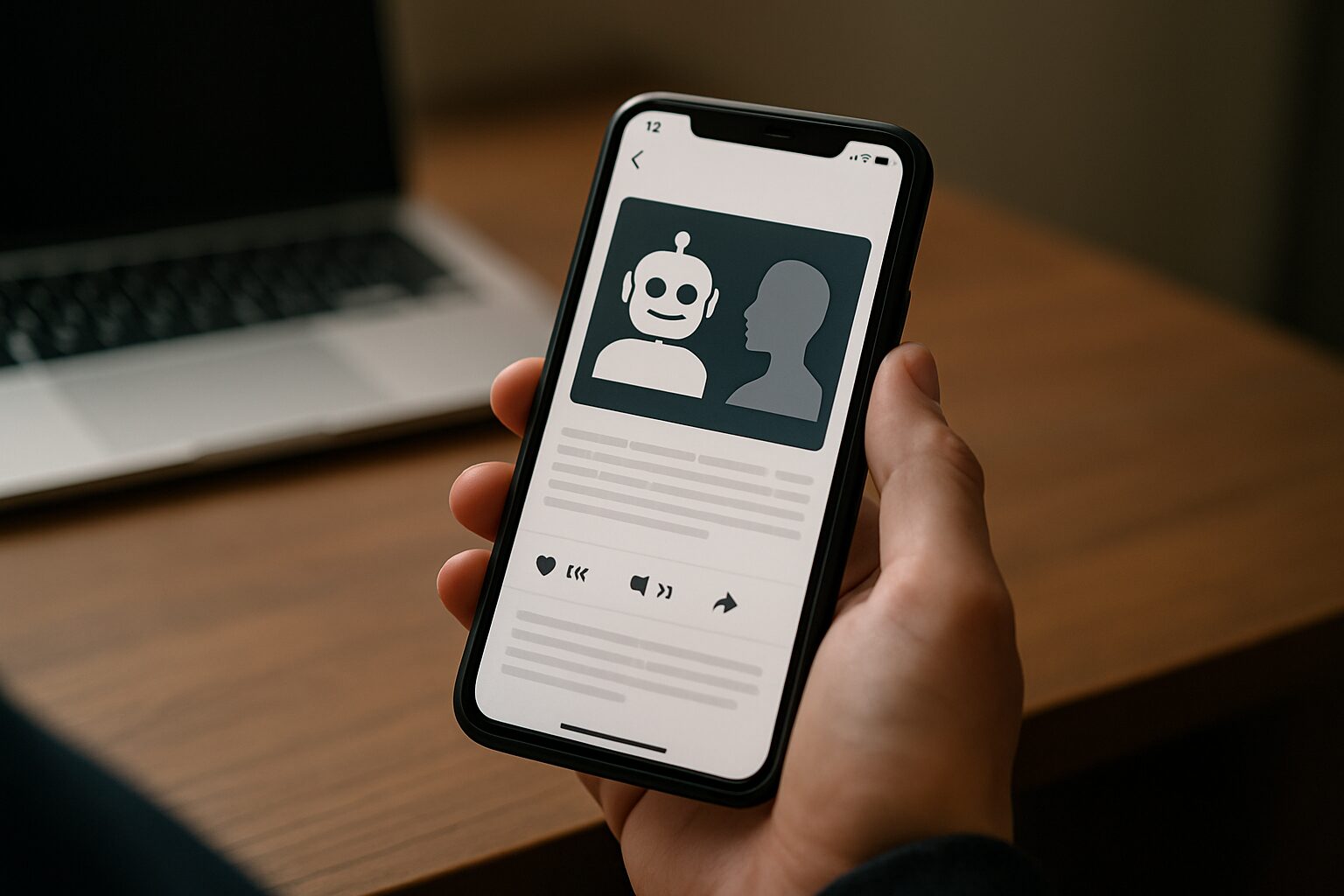
The Hidden Power of AI Nudges: Balancing Influence and Responsibility
Behavioral nudging refers to subtle design choices that influence people's decisions without restricting their options. When AI systems automate or personalize these nudges, ethical concerns arise about manipulation, transparency, and user autonomy. The challenge lies in balancing effective choice architecture with respect for individual agency, particularly when AI-driven nudges operate at scale or without explicit consent.
Why It Matters - Real-world impact
The ethics of AI-driven behavioral nudging matters because these systems increasingly influence everyday decisions—from what we buy to how we vote—often without transparent disclosure. Vulnerable groups, including children, the elderly, and those with limited digital literacy, are disproportionately affected by manipulative designs that exploit cognitive biases. If left unchecked, such technologies could erode autonomy, amplify misinformation, or reinforce harmful stereotypes under the guise of personalization. Regular people should care because these nudges shape behaviors in subtle yet pervasive ways, potentially compromising privacy, freedom of choice, and even democratic processes. The stakes are high: unchecked AI influence risks normalizing manipulation as a default feature of human-technology interaction.
Ethical Concerns - What’s wrong or risky?
Navigating the Ethical Minefield of AI Behavioral Nudging
AI-driven behavioral nudging presents a complex web of ethical challenges, particularly as these systems increasingly influence human decision-making in subtle yet powerful ways. One primary concern is fairness, as algorithms may prioritize outcomes beneficial to organizations over the genuine welfare of individuals, potentially exploiting cognitive biases without equitable consideration.
Discrimination and Hidden Biases
Another significant risk lies in discrimination, where AI systems might inadvertently or systematically nudge different demographic groups in divergent ways, reinforcing existing societal inequalities. For instance, nudges in financial apps could vary based on user profiles, leading to unequal access to opportunities.
The Transparency Dilemma
A lack of transparency compounds these issues, as users are often unaware when and how they are being nudged, undermining autonomy and informed consent. When AI operates as a "black box," it becomes nearly impossible to scrutinize the intent or fairness behind specific nudges.
Economic and Employment Implications
From an economic impact perspective, nudging can steer consumer behavior in ways that concentrate market power or encourage unsustainable consumption, while fears of job loss arise if AI nudges automate roles traditionally requiring human empathy and judgment, such as in coaching or counseling.
Worker Rights in an Automated World
Additionally, the rise of AI nudging in workplace management tools sparks concerns over worker rights, where constant, algorithmically-driven prompts could erode privacy, increase surveillance, and pressure employees into conforming to productivity metrics that may not align with their well-being.
Diverse Perspectives on Ethical Acceptability
Not all experts agree on the severity of these risks. Some argue that nudging, when designed ethically, can promote positive behaviors like health or sustainability, viewing it as a tool for social good. Others caution that even well-intentioned nudges can slip into manipulation, emphasizing the need for strict regulatory frameworks and ongoing public dialogue to balance innovation with ethical safeguards.
Solutions - What’s being done or proposed?
Transparency and Disclosure Requirements
One approach is implementing legal mandates that require AI systems to disclose when they are using behavioral nudging techniques. This includes clear notifications to users about the intent and mechanisms of the nudges. For example, platforms could be required to label content that has been algorithmically adjusted to influence behavior, similar to how advertisements are marked. This transparency aims to empower users to make more informed decisions.
Ethical Design Frameworks
Developers and organizations have proposed ethical design frameworks that prioritize user autonomy and well-being. These frameworks often include principles like 'beneficence' (doing good) and 'non-maleficence' (avoiding harm). For instance, AI systems could be designed to avoid exploitative nudges, such as those that target vulnerabilities like addiction or impulsivity. Ethical review boards for AI projects are also suggested to ensure compliance with these principles.
User Control and Customization
Giving users more control over how they are nudged is another solution. This could involve customizable settings where users can opt out of certain types of behavioral nudges or adjust the intensity of the nudges they receive. For example, a fitness app might allow users to choose between gentle reminders or more persistent prompts, aligning the nudge with their personal preferences and tolerance levels.
Algorithmic Audits and Accountability
Regular audits of AI systems by independent third parties can help identify unethical nudging practices. These audits would assess whether the algorithms comply with ethical guidelines and legal standards. Additionally, establishing accountability mechanisms, such as penalties for misuse, can deter organizations from deploying harmful nudges. This approach combines technical scrutiny with institutional oversight.
Public Education and Awareness Campaigns
Educating the public about how AI-driven behavioral nudging works can mitigate its manipulative potential. Awareness campaigns could teach users to recognize when they are being nudged and how to critically evaluate the choices presented to them. Schools and media literacy programs might incorporate lessons on digital influence tactics, equipping individuals with the skills to navigate AI-driven environments more safely.
Regulatory Limits on Nudge Types
Some advocates suggest banning or restricting certain types of nudges that are deemed inherently manipulative or harmful. For example, nudges that exploit cognitive biases to encourage excessive spending or unhealthy behaviors could be prohibited. Regulatory bodies would define and enforce these limits, balancing innovation with protection against abuse.
Collaborative Industry Standards
Industry-wide collaborations to establish standards for ethical nudging have been proposed. Tech companies, academic institutions, and advocacy groups could work together to create best practices and certification programs. These standards would aim to harmonize ethical considerations across the sector, reducing the risk of a 'race to the bottom' where companies compete by using increasingly aggressive nudges.
Examples and Real Cases
Facebook's Emotional Contagion Experiment (2014)
In 2014, Facebook conducted a study where it manipulated the news feeds of 689,003 users to show either more positive or negative content. The study aimed to test if emotional states could be transferred to others via emotional contagion, raising ethical concerns about consent and psychological impact.
Cambridge Analytica and Political Nudging (2016)
Cambridge Analytica harvested data from millions of Facebook users without consent to create psychographic profiles. These profiles were used to deliver targeted political ads during the 2016 US election, demonstrating how AI-driven nudging can undermine democratic processes.
Uber's Surge Pricing Notifications (Hypothetical)
A hypothetical scenario involves Uber using AI to send surge pricing notifications during emergencies, nudging users to pay higher fares out of fear or urgency. While not confirmed, this highlights potential ethical dilemmas in exploiting behavioral nudges during crises.
Google's Search Autocomplete Biases (Ongoing)
Google's AI-driven search autocomplete has been criticized for reinforcing stereotypes or biases, such as suggesting negative completions for certain demographics. This showcases how algorithmic nudging can perpetuate harmful societal norms without explicit intent.
China's Social Credit System (Ongoing)
China's Social Credit System uses AI to nudge citizens toward 'desirable' behaviors by rewarding or penalizing actions like jaywalking or charitable donations. The system raises ethical questions about mass surveillance and behavioral control by the state.
Frequently Asked Questions
What is AI behavioral nudging?
AI behavioral nudging is when artificial intelligence subtly influences people's decisions or behaviors, often without them realizing it. It uses small prompts, design choices, or personalized suggestions to guide users toward certain actions, like buying a product or changing a habit.
Why is AI nudging considered controversial?
AI nudging is controversial because it can manipulate people's choices without their full awareness. While it can encourage positive behaviors (like saving money), critics argue it may cross ethical lines by exploiting psychological biases or limiting free will, especially when used for profit or control.
How does AI nudging differ from regular advertising?
Unlike traditional ads, AI nudging uses personalized data and algorithms to target individuals in subtle ways, such as changing button colors, timing notifications, or framing choices to steer decisions. Itu2019s often more effective because it feels natural rather than overtly persuasive.
Can AI nudging be used for good?
Yes, AI nudging can promote positive behaviors like healthier habits, energy conservation, or financial responsibility. For example, apps might nudge users to drink water or take breaks. The key is transparency and ensuring nudges align with users' best interests, not just corporate goals.
What are examples of AI nudging in everyday life?
Common examples include social media algorithms showing 'you might like' posts to keep you engaged, fitness apps sending reminders to move, or shopping sites displaying 'only 2 left!' to create urgency. Even default settings (like opt-in organ donation) are a form of nudging.