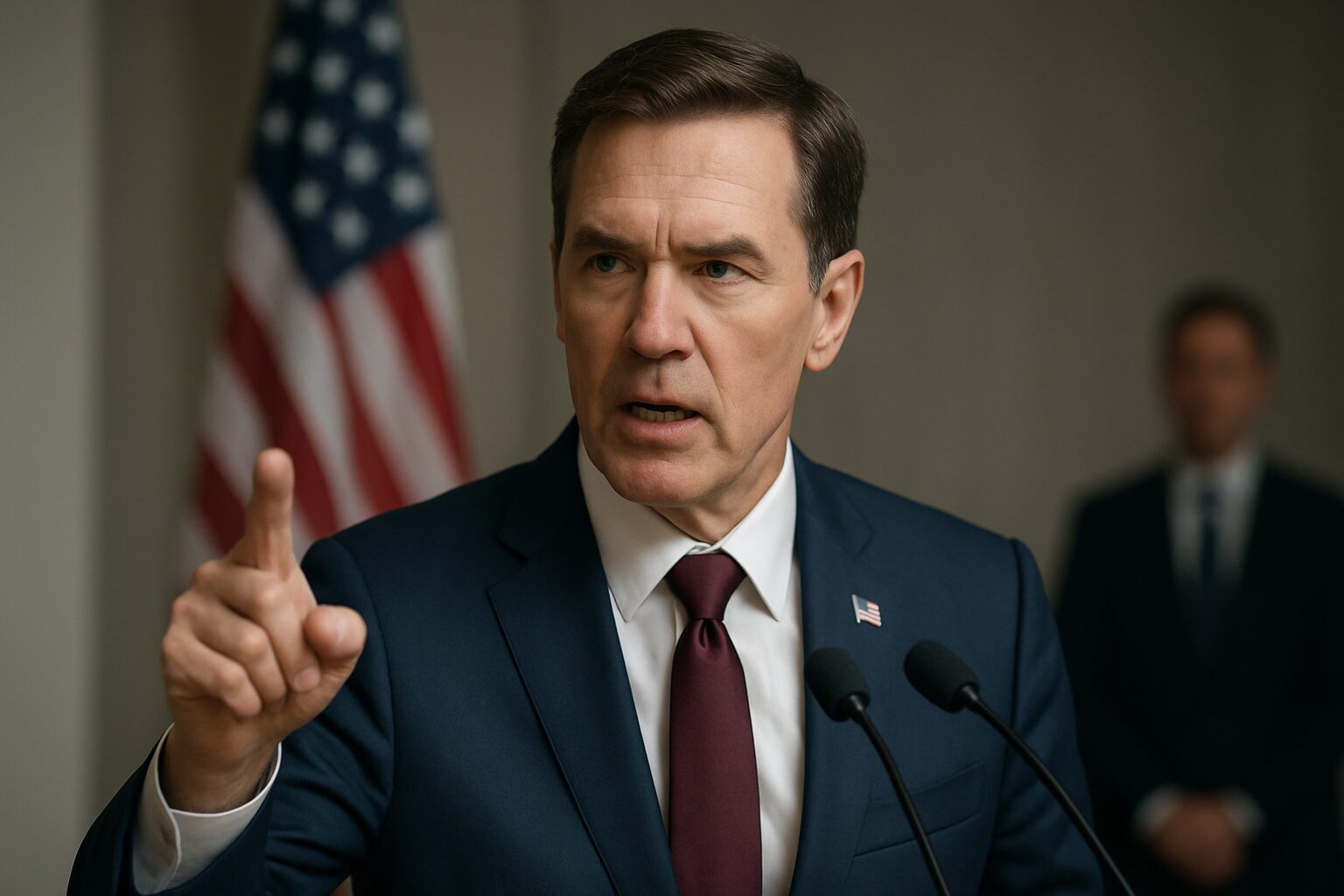
AI-Generated Lies: How Fake Media Shapes Democracy
Deepfakes in election campaigns refer to the use of AI-generated synthetic media, such as manipulated videos or audio, to misrepresent candidates or spread false information. These technologies can create realistic but fabricated content, making it difficult for voters to distinguish between genuine and altered material. The issue raises concerns about voter deception, the integrity of democratic processes, and the potential for widespread misinformation.
Why It Matters - Real-world impact
Deepfakes in election campaigns pose a serious threat to democratic processes by distorting reality and manipulating public perception. Voters, candidates, and entire societies are affected, as fabricated videos or audio can spread misinformation, smear reputations, and undermine trust in institutions. If unchecked, deepfakes could sway election outcomes, fuel social divisions, and erode the foundation of informed decision-making. Regular people should care because their votes—and thus their voices—may be influenced by deceptive content designed to exploit emotions rather than facts. The consequences extend beyond politics, normalizing a world where truth becomes harder to discern, leaving everyone vulnerable to manipulation.
Ethical Concerns - What’s wrong or risky?
Deepfakes in Election Campaigns: An Ethical Minefield
The rise of deepfake technology in election campaigns introduces profound ethical risks that threaten democratic integrity. These risks span multiple dimensions, including fairness, discrimination, and transparency.
Fairness
Deepfakes can create an uneven playing field by allowing malicious actors to fabricate convincing yet false narratives about candidates. This undermines fairness in elections, as voters may base decisions on manipulated information rather than genuine policy positions or character.
Discrimination
Targeted deepfake campaigns can exacerbate existing societal biases. For example, deepfakes might be used to spread stereotypes or false accusations against candidates from marginalized groups, reinforcing discrimination and deterring diverse participation in politics.
Transparency
The covert nature of deepfakes challenges electoral transparency. Voters often cannot distinguish real from synthetic media, eroding trust in information sources. Ensuring transparency requires clear labeling of synthetic content and accountability for creators.
Other Ethical Concerns
Beyond these, deepfakes risk voter manipulation on a massive scale, potentially swaying elections through deception. Some argue that deepfakes are simply a modern extension of political satire or misinformation, protected under free speech. Others contend that the scale and believability of deepfakes demand strict regulation to preserve democratic processes.
There is also concern about the psychological impact on candidates and voters, as well as the potential for deepfakes to incite violence or social unrest based on fabricated events.
Solutions - What’s being done or proposed?
Legislative Bans and Regulations
Several countries have introduced or proposed laws to ban or regulate the use of deepfakes in election campaigns. For example, some jurisdictions require clear disclaimers on synthetic media, while others impose outright bans on deepfakes that could mislead voters. Enforcement remains a challenge, but these laws aim to deter malicious actors by imposing fines or criminal penalties.
Detection and Authentication Tools
Technical solutions include developing AI-powered tools to detect deepfakes and verify authentic media. Companies and researchers are creating algorithms that analyze inconsistencies in videos, such as unnatural facial movements or audio mismatches. Watermarking and blockchain-based authentication systems are also being explored to certify genuine content.
Public Awareness and Media Literacy
Educational campaigns aim to equip voters with the skills to identify deepfakes and critically evaluate media. Workshops, online resources, and school curricula teach people to spot signs of manipulation, such as odd lighting or blurred edges. By fostering skepticism and verification habits, these initiatives reduce the impact of deceptive content.
Platform Policies and Content Moderation
Social media platforms have implemented policies to label or remove deepfakes, especially during elections. Some use a combination of automated detection and human review to flag synthetic media. Partnerships with fact-checkers and transparency reports help hold platforms accountable, though balancing free speech and misinformation remains contentious.
Collaborative Industry Standards
Tech companies, NGOs, and governments are working together to establish ethical guidelines for AI-generated content. Initiatives like the Partnership on AI promote best practices for transparency and accountability. Standardized metadata for synthetic media could help platforms and users distinguish between legitimate and malicious uses.
Rapid Response Teams
Some electoral commissions and civil society groups have formed teams to quickly debunk deepfakes during campaigns. These teams monitor social media, analyze suspicious content, and disseminate corrections through trusted channels. Speed is critical to limit the spread and influence of false information.
Examples and Real Cases
2018 Gabon Presidential Election Deepfake
In 2018, a deepfake video of Gabon's President Ali Bongo was circulated, appearing to show him in good health despite his prolonged absence. The video raised suspicions of manipulation, as it was released just before the election to counter rumors of his incapacity.
2020 US Election: Deepfake of Nancy Pelosi
A manipulated video of US House Speaker Nancy Pelosi surfaced in May 2020, making her appear slurred and incoherent. Though not a sophisticated deepfake, it spread widely on social media, demonstrating how even crude manipulations can influence public perception during elections.
2022 Ukraine War: Deepfake of President Zelenskyy
In March 2022, a deepfake video supposedly showing Ukrainian President Volodymyr Zelenskyy telling his troops to surrender was broadcast on hacked Ukrainian TV channels. The video was quickly debunked but showed how deepfakes could be weaponized during geopolitical crises that overlap with elections.
Hypothetical: 2024 UK Election Deepfake Audio
In a plausible scenario, a deepfake audio recording of a UK party leader making racist remarks could be released days before the 2024 general election. Even if quickly debunked, the audio might sway undecided voters and dominate news cycles at a critical moment.
2019 Indian Election: Modi Deepfake Concerns
While no confirmed deepfakes were verified, concerns arose during India's 2019 election about potential manipulated media of Prime Minister Narendra Modi. Experts warned that the technology could be used to create false endorsements or inflammatory statements attributed to candidates.
Frequently Asked Questions
What are deepfakes in election campaigns?
Deepfakes are AI-generated fake videos or audio clips that make it seem like a politician or public figure is saying or doing something they never did. In election campaigns, they can be used to spread false information or manipulate voters.
Why are deepfakes a problem in elections?
Deepfakes can mislead voters by creating fake speeches, scandals, or endorsements, which may influence election outcomes unfairly. They undermine trust in media and democratic processes.
How can deepfakes manipulate public opinion?
Deepfakes can spread quickly on social media, making false claims seem real. People might believe a fabricated video of a candidate, changing their votes based on lies.
Are there real examples of deepfakes in elections?
Yes, deepfakes have been used in some elections, like fake videos of candidates making controversial statements. While not always widespread, the risk is growing as AI technology improves.
How can people spot deepfakes in campaigns?
Look for odd facial movements, unnatural voice tones, or check reliable sources to verify the content. Fact-checking websites and critical thinking are key to identifying deepfakes.