The Rise of AI-Generated Deception: How to Regulate Digital Trust
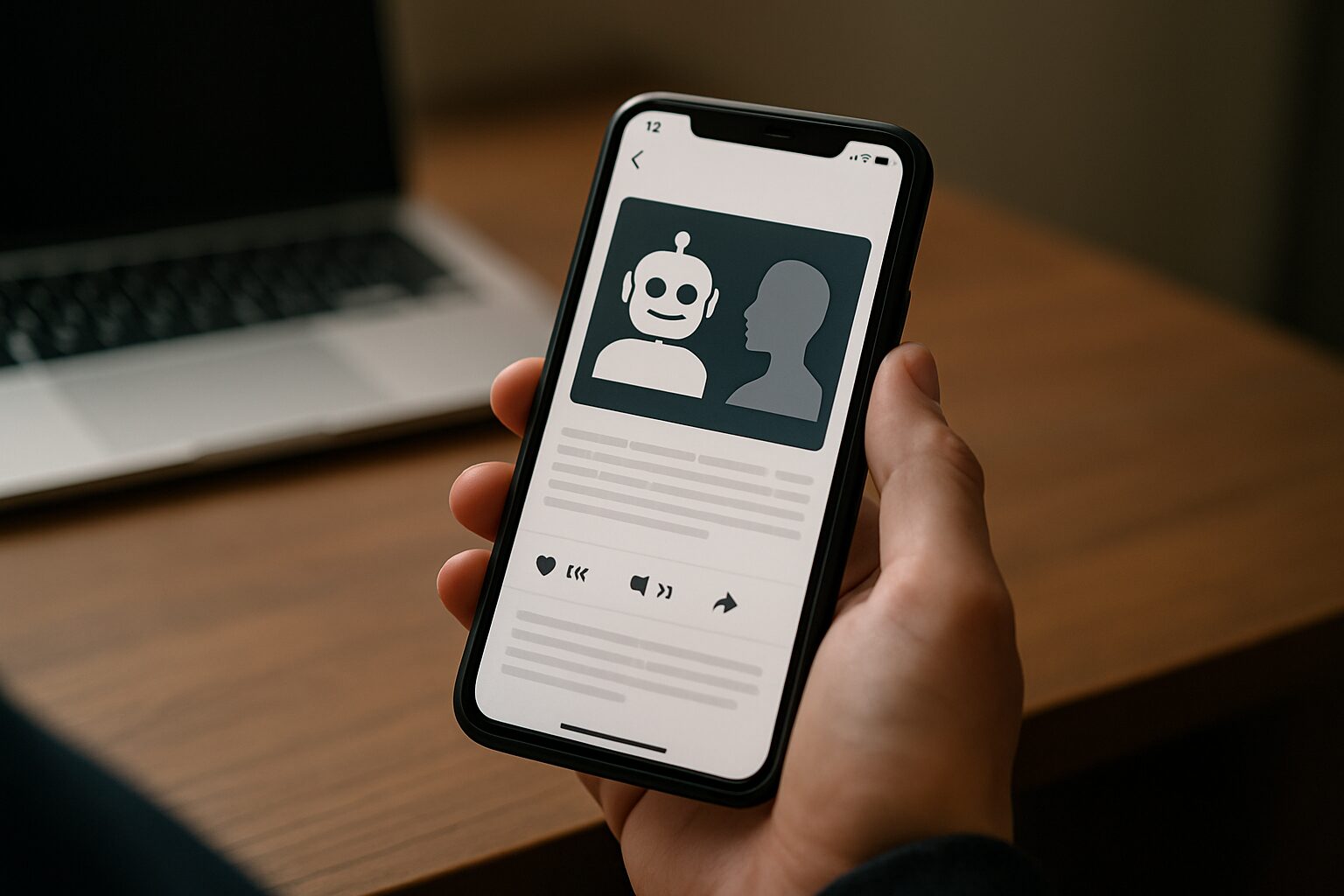
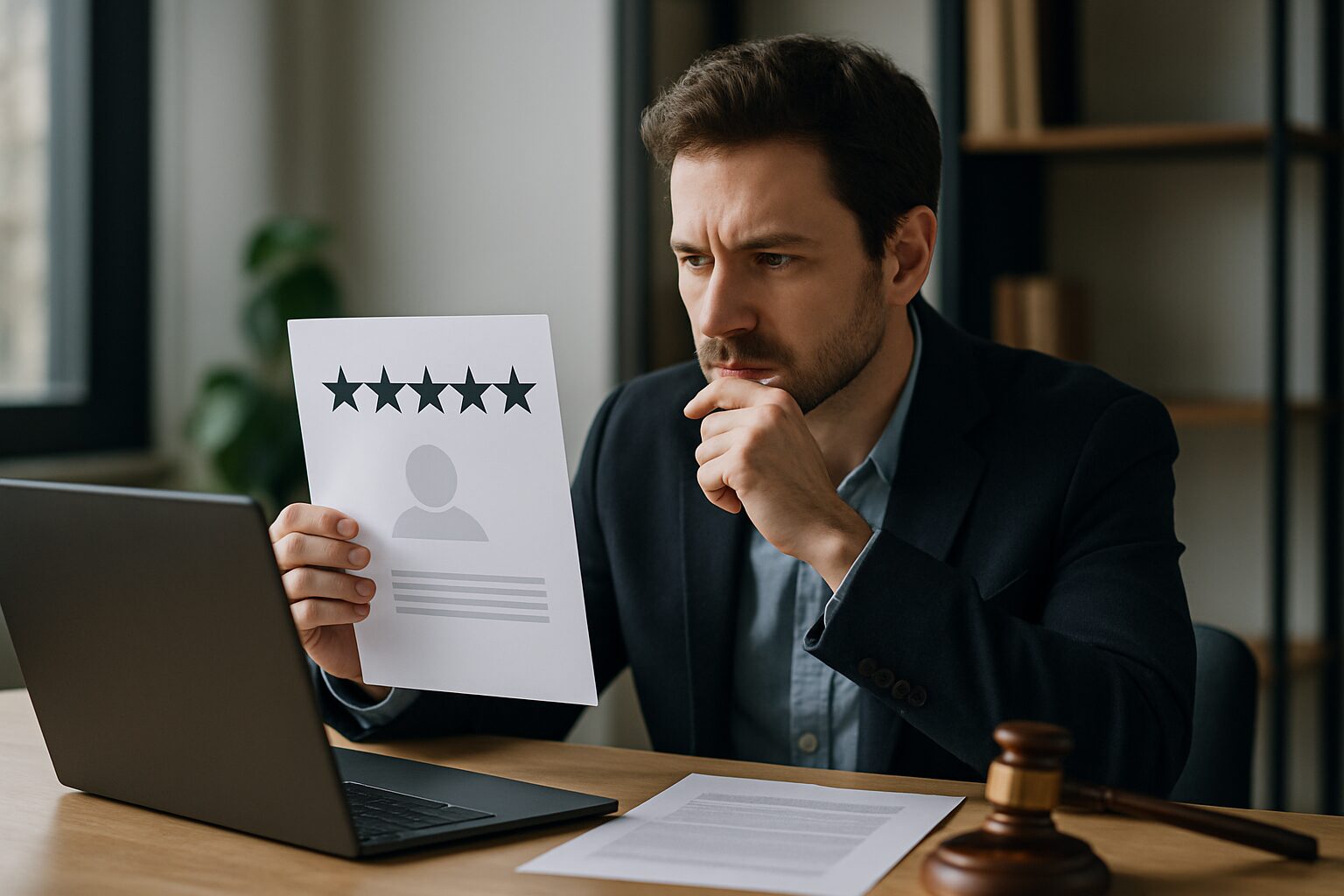
Generative AI can create realistic fake reviews that mimic human writing, making it difficult to distinguish genuine feedback from fabricated content. This raises ethical concerns about deception, consumer trust, and unfair manipulation of purchasing decisions. The lack of clear regulation allows such practices to spread, posing challenges for businesses, platforms, and policymakers.
Why It Matters - Real-world impact
Fake reviews generated by AI pose a tangible threat to consumers, businesses, and market integrity. Misleading endorsements can distort purchasing decisions, leading individuals to buy inferior products or services while undermining honest competitors who rely on genuine feedback. Small businesses, in particular, suffer when fraudulent reviews drown out authentic customer voices, eroding trust in online platforms. For regulators, the proliferation of AI-generated deception complicates enforcement, demanding updated policies to preserve transparency. Everyday consumers should care because their choices—and wallets—are at stake, as manipulated reviews exploit trust for profit. Left unchecked, this practice could degrade the reliability of digital marketplaces altogether, leaving everyone vulnerable to systemic deception.
Ethical Concerns - What’s wrong or risky?
Generative AI and the Proliferation of Fake Reviews
Generative AI has made it alarmingly easy to produce convincing fake reviews at scale, posing significant ethical risks. These risks span multiple domains, from consumer trust to market integrity.
Economic Impact
Fake reviews can distort market competition, unfairly benefiting or harming businesses. When AI-generated reviews mislead consumers, they may make purchasing decisions based on false information, leading to financial losses for both consumers and honest businesses. This manipulation undermines the principles of a free and fair market. For more on this, see our page on Economic Impact.
Fairness
Businesses that refrain from using fake reviews may find themselves at a competitive disadvantage, as those deploying AI-generated content can artificially boost their reputation. This creates an uneven playing field, where success is determined not by quality but by deceptive practices. Learn more about the implications for Fairness.
Discrimination
AI systems trained on biased data may produce fake reviews that disproportionately target or favor certain groups, products, or services based on demographics, location, or other factors. This can reinforce existing prejudices and inequities in the marketplace. Explore related issues in our section on Discrimination.
Transparency
Consumers often assume reviews are genuine, but AI-generated content blurs the line between human and machine authorship. Lack of transparency about the origin of reviews erodes trust and makes it difficult for users to assess credibility. Delve into the importance of Transparency.
Worker Rights
The use of AI to generate fake reviews may reduce demand for legitimate review platforms and content creators, potentially impacting jobs in marketing and consumer feedback sectors. This raises concerns about how automation affects employment in these fields. For further reading, visit our page on Worker Rights.
Job Loss
As AI takes over tasks like review generation, roles traditionally filled by human writers, editors, and moderators could diminish, contributing to workforce displacement. This technological shift necessitates discussions on retraining and economic adaptation. More on this can be found in our coverage of Job Loss.
Differing Perspectives
Not everyone views these risks uniformly. Some argue that AI can enhance efficiency and provide businesses with tools to compete in crowded markets, suggesting that regulation should focus on disclosure rather than prohibition. Others believe that any use of fake reviews is inherently unethical and call for strict bans and penalties.
Other Moral Concerns
Beyond the linked categories, issues like consumer autonomy, informed consent, and the erosion of social trust are also at stake. When people cannot rely on reviews to make decisions, it diminishes the overall integrity of public discourse and shared information sources.
Solutions - What’s being done or proposed?
Legal Regulations and Penalties
Governments and regulatory bodies have proposed or implemented laws that penalize the creation and dissemination of fake reviews generated by AI. For example, the U.S. Federal Trade Commission (FTC) has guidelines that treat fake reviews as deceptive practices, subject to fines. The EU's Digital Services Act (DSA) also includes provisions to combat fraudulent content, requiring platforms to take proactive measures. Legal frameworks aim to deter bad actors by imposing financial and legal consequences.
Platform-Level Detection and Removal
Online platforms like Amazon, Yelp, and Google have invested in AI-driven tools to detect and remove fake reviews. These systems analyze patterns such as sudden spikes in reviews, repetitive language, or suspicious account behavior. Some platforms also use human moderators to verify flagged content. While not foolproof, these measures reduce the volume of fake reviews and improve trust in online feedback systems.
Watermarking and Provenance Tracking
Technical solutions like digital watermarking or cryptographic provenance tracking have been suggested to identify AI-generated content. For instance, AI models could embed invisible markers in text to flag synthetic reviews. Platforms could then filter or label such content. However, this requires industry-wide cooperation and may be circumvented by sophisticated bad actors.
Consumer Education and Awareness
Organizations and advocacy groups promote media literacy to help consumers spot fake reviews. Campaigns teach users to look for red flags like overly generic language, excessive positivity, or lack of detail. While education alone cannot stop fake reviews, it empowers users to make informed decisions and reduces the effectiveness of manipulation attempts.
Third-Party Verification and Auditing
Independent organizations and auditors have been proposed to verify the authenticity of reviews. For example, a trusted third party could certify that reviews come from verified purchasers or real users. This approach relies on transparency and cooperation from platforms, but it could add a layer of accountability to the review ecosystem.
Incentivizing Authentic Reviews
Some platforms encourage genuine feedback by offering incentives like loyalty points or discounts for verified purchases. By making it more rewarding to leave honest reviews, businesses can reduce the temptation to generate or solicit fake ones. However, this must be carefully managed to avoid unintentionally biasing reviews.
Collaborative Industry Standards
Industry coalitions, such as the Coalition for Trusted Reviews, have formed to establish best practices for combating fake reviews. These groups work on shared detection tools, data-sharing agreements, and ethical guidelines. While voluntary, such efforts can create a unified front against manipulation and improve trust across sectors.
Examples and Real Cases
Amazon's Fake Review Problem (2021)
In 2021, Amazon reported it blocked more than 200 million suspected fake reviews before they were seen by customers. Investigations revealed some sellers were using generative AI to create realistic-looking positive reviews for their products while generating negative reviews for competitors.
TripAdvisor AI-Generated Hotel Reviews (2020)
In 2020, researchers found evidence of AI-generated fake reviews on TripAdvisor, with some hotel chains using language models to create hundreds of positive reviews. The platform removed over 2.6 million fake reviews that year, though many likely slipped through.
Fiverr's AI Review Services (Hypothetical Scenario)
A hypothetical scenario shows how platforms like Fiverr could be exploited, where freelancers might offer 'AI-powered review generation services' that create hundreds of human-like product reviews for e-commerce sites. While no major cases have been confirmed yet, the capability clearly exists with current technology.
Facebook Marketplace Review Manipulation (2022)
In 2022, researchers uncovered networks of Facebook Marketplace sellers using AI tools to generate fake positive reviews. Some sellers were found to have created dozens of fake accounts that left AI-generated 5-star reviews on their own listings.
Yelp's AI Detection Efforts (2023)
Yelp reported in 2023 that its AI detection systems flagged 16% of submitted reviews as potentially fake, with many showing hallmarks of AI generation. The company noted an increasing sophistication in fake review generation that matches patterns of large language model outputs.
Frequently Asked Questions
What is generative AI and how can it create fake reviews?
Generative AI is a type of artificial intelligence that can create text, images, or other content based on patterns it learns from data. It can generate fake reviews by mimicking human writing styles, making them seem real to trick consumers into trusting products or services.
Why are fake reviews created by AI a problem?
Fake reviews manipulate consumer decisions, leading to unfair advantages for businesses that use them. They erode trust in online platforms and can harm honest businesses while misleading shoppers into buying low-quality or unsafe products.
How can regulators stop AI-generated fake reviews?
Regulators can enforce stricter laws requiring platforms to detect and remove fake reviews, impose penalties on businesses using them, and mandate transparency about AI-generated content. Some platforms are also using AI-detection tools to flag suspicious reviews.
Can consumers spot AI-generated fake reviews?
Sometimes. AI-generated reviews may seem overly generic, lack personal details, or use repetitive phrases. However, as AI improves, they become harder to detect, which is why regulation and platform safeguards are important.
How does AI-generated content influence online trust?
When AI is used unethically, like in fake reviews, it undermines trust in online recommendations. People may doubt real reviews too, making it harder for businesses and consumers to connect honestly.