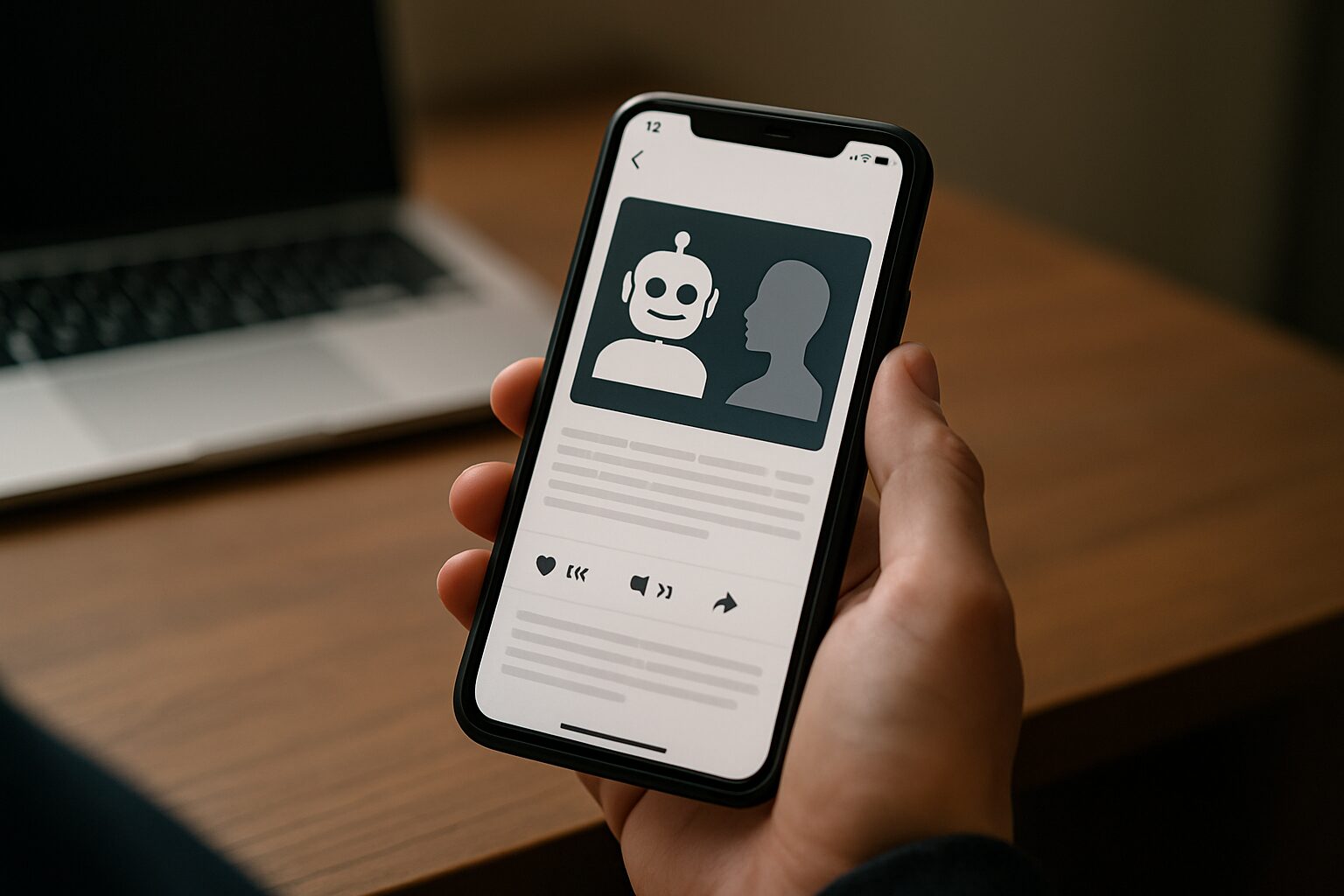
Unmasking Deceptive Feedback: How AI Shapes Online Trust
Generative AI can create realistic fake reviews that mimic human writing, making it difficult to distinguish genuine feedback from fabricated content. This raises ethical concerns about manipulation, as fake reviews can influence consumer decisions and damage trust in online platforms. The issue highlights the need for transparency and detection methods to maintain integrity in digital spaces.
Why It Matters - Real-world impact
The proliferation of AI-generated fake reviews undermines trust in online platforms, distorting consumer decisions and harming businesses that rely on genuine feedback. Consumers may waste money on inferior products or services, while honest businesses lose revenue to competitors gaming the system with fabricated endorsements. Platforms like Amazon, Yelp, or TripAdvisor face reputational damage as their review systems become less credible. For regular people, this manipulation erodes confidence in digital marketplaces, making it harder to discern truth from deception. Left unchecked, such practices could destabilize entire industries built on user trust, turning online commerce into a battleground of synthetic persuasion rather than authentic experiences.
Ethical Concerns - What’s wrong or risky?
Generative AI and the Proliferation of Fake Reviews
Generative AI has made it alarmingly easy to produce convincing fake reviews at scale, posing significant ethical risks. One major concern is fairness, as authentic businesses and creators may be unfairly overshadowed by competitors using AI-generated praise or criticism. This distorts market competition and misleads consumers, undermining trust in review systems.
Discrimination and Economic Harm
Fake reviews can also perpetuate discrimination, as AI might be prompted to generate biased content targeting businesses based on ownership demographics, such as race or gender. Additionally, there is a clear economic impact, as small businesses without resources to combat fake reviews or invest in AI countermeasures may suffer revenue losses or even closure.
Transparency and Accountability
A lack of transparency in how AI systems generate and disseminate reviews makes it difficult to hold bad actors accountable. Consumers and regulators cannot easily discern human-written from AI-generated content, eroding informed decision-making.
Divergent Perspectives
Not everyone views these risks uniformly. Some argue that generative AI can be harnessed to detect fake reviews, improving overall system integrity. Others contend that responsibility lies with platforms to implement stricter verification, rather than curtailing AI innovation. There are also concerns about job loss for human content moderators and reviewers, as AI both creates and potentially identifies fake content, shifting labor demands. Questions about worker rights arise if AI is used to manipulate gig economy review systems, affecting livelihoods.
Other moral concerns include the erosion of societal trust and the potential for AI to be used in manipulative campaigns beyond commerce, such as in politics or social issues.
Solutions - What’s being done or proposed?
Legal Regulations and Penalties
Governments and regulatory bodies have proposed stricter laws to penalize the creation and dissemination of fake reviews generated by AI. These laws would hold both the creators of such content and the platforms hosting them accountable. For example, the EU's Digital Services Act includes provisions to combat deceptive practices, including fake reviews. Penalties could range from hefty fines to criminal charges, depending on the severity of the offense.
AI Detection Tools
Technical solutions include the development of AI-powered detection tools that can identify fake reviews by analyzing patterns, language use, and metadata. Companies like Yelp and Amazon have implemented algorithms to flag suspicious reviews. These tools often use machine learning to adapt to new tactics employed by generative AI, though the arms race between detection and generation continues to evolve.
Platform Accountability and Transparency
Some advocates argue that online platforms should take greater responsibility for verifying reviews. This could involve requiring identity verification for reviewers, disclosing how reviews are moderated, or providing transparency reports. Platforms might also be encouraged to label AI-generated content or disclose when reviews are filtered or removed, helping users make informed decisions.
Consumer Education and Awareness
Educational campaigns aim to help consumers recognize the signs of fake reviews, such as overly generic language, repetitive phrasing, or sudden spikes in ratings. Organizations and watchdogs publish guidelines to teach users how to critically evaluate reviews and cross-check information. Increased awareness can reduce the effectiveness of AI-generated fake reviews.
Ethical AI Development Standards
Industry groups and researchers have called for ethical guidelines in AI development to prevent misuse for generating fake content. These standards would encourage developers to implement safeguards, such as watermarking AI-generated text or restricting access to models capable of producing deceptive content. While voluntary, such measures could mitigate harm if widely adopted.
Collaborative Industry Efforts
Some propose collaborative efforts among businesses, tech companies, and review platforms to share data and best practices for combating fake reviews. Initiatives like the Coalition for Trusted Reviews bring stakeholders together to develop shared tools and policies. Such cooperation could lead to more robust defenses against AI-generated manipulation.
Examples and Real Cases
Amazon's Fake Review Problem (2021)
In 2021, Amazon faced widespread criticism for fake reviews generated by AI tools. Investigations revealed that sellers were using generative AI to create thousands of positive reviews, artificially inflating product ratings. The issue became so severe that Amazon had to remove over 200 million suspected fake reviews that year.
TripAdvisor's AI-Generated Hotel Reviews (2020)
TripAdvisor identified and removed a network of AI-generated fake reviews in 2020 targeting boutique hotels in Italy. The reviews used sophisticated language patterns that initially bypassed detection systems, showing how generative AI can mimic human writing styles convincingly.
Hypothetical: AI-Generated Political Bias in Restaurant Reviews
A realistic concern would be political groups using generative AI to mass-produce negative reviews for restaurants owned by individuals of certain political affiliations. This could artificially damage reputations while maintaining plausible deniability about the source of the reviews.
Fiverr's Fake Review Services (2019-2022)
Fiverr marketplace was found to host numerous services offering AI-generated fake reviews between 2019-2022. Some sellers advertised the ability to generate 'human-like' reviews at scale, with prices as low as $5 for 10 reviews, demonstrating how accessible this manipulation has become.
Hypothetical: Pharmaceutical Review Manipulation
A concerning hypothetical would be pharmaceutical companies using generative AI to create fake patient testimonials for medications. This could lead to dangerous situations where consumers make health decisions based on fabricated positive experiences with drugs or treatments.
Frequently Asked Questions
What is generative AI and how can it create fake reviews?
Generative AI refers to artificial intelligence systems that can generate text, images, or other content. For fake reviews, AI can analyze patterns in real reviews and then create convincing but completely fake positive or negative reviews that appear authentic.
Why is analyzing fake reviews important for consumers?
Analyzing fake reviews helps consumers make informed decisions by identifying manipulated opinions. Fake reviews can artificially inflate product ratings or damage competitors' reputations, leading to poor purchasing choices.
How can you spot AI-generated fake reviews?
Common signs include overly generic language, repetitive phrases, extreme emotions (all positive or all negative), lack of specific details, and multiple similar reviews posted around the same time.
What impact do AI-generated fake reviews have on businesses?
They create unfair competition where businesses with fake positive reviews outperform honest ones, while fake negative reviews can unjustly damage reputations. This manipulation undermines trust in online marketplaces.
How are companies fighting against AI-generated fake reviews?
Companies use AI detection tools to analyze review patterns, verify purchases, track unusual posting behavior, and employ human moderators. Some platforms also implement verified purchaser systems and reporting features.