AI Blunders: Who Takes the Fall When Ethics Fail?
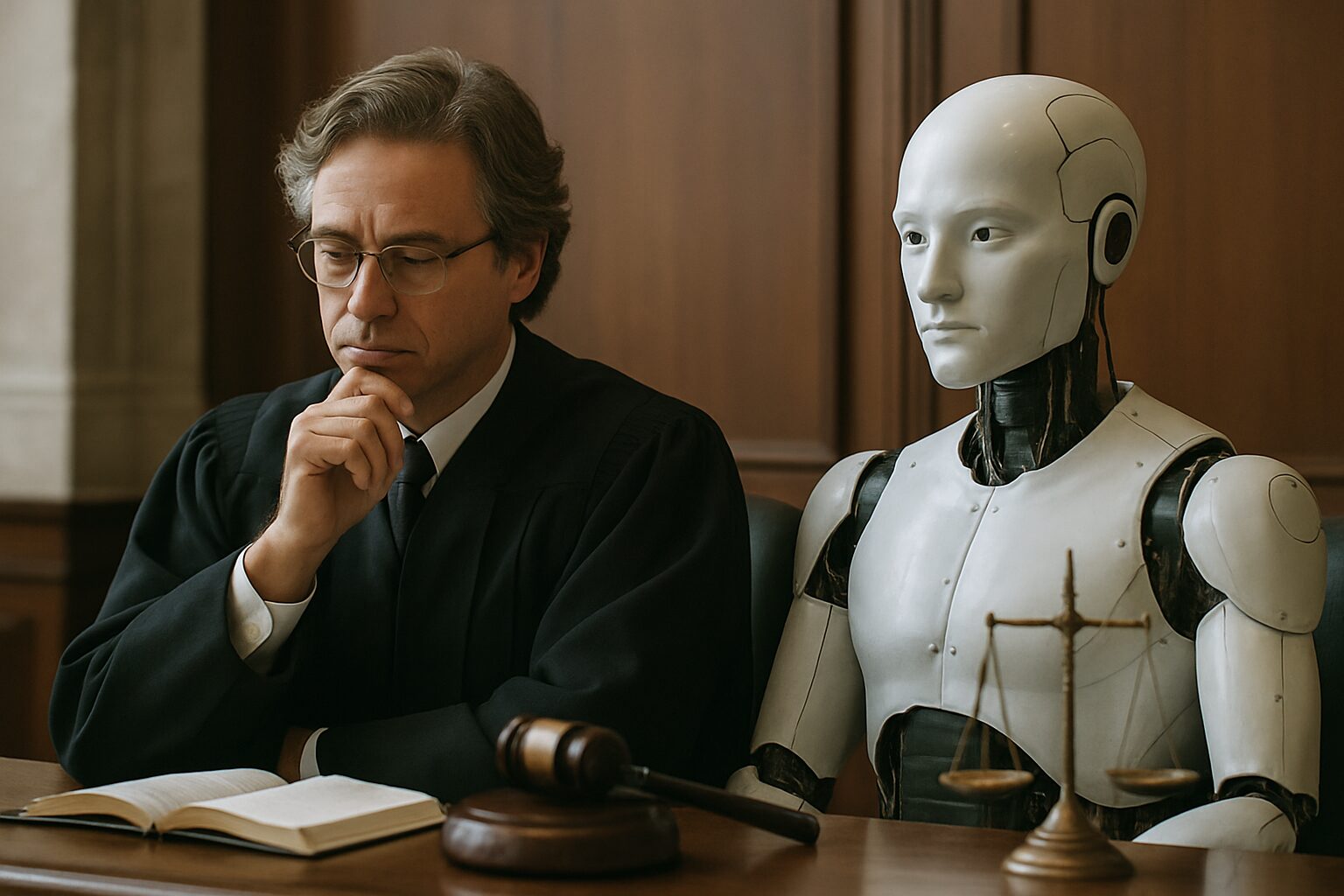
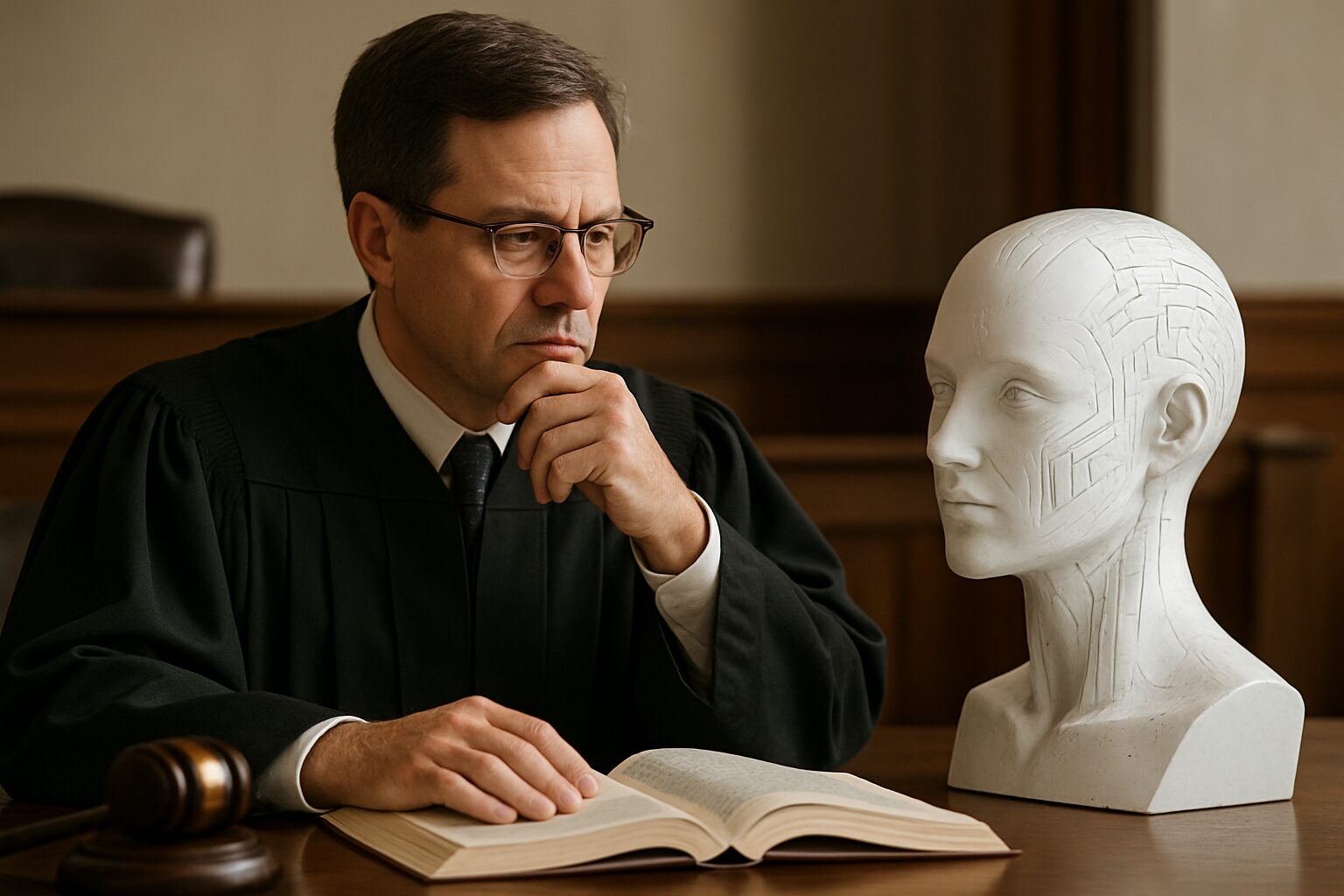
As artificial intelligence systems become more autonomous, questions arise about who bears responsibility when they make mistakes. Unlike traditional software, AI can learn and act in ways not fully predictable by its creators, complicating accountability. This raises ethical concerns about assigning blame—whether it lies with developers, users, organizations deploying the technology, or the AI itself.
Why It Matters - Real-world impact
The question of responsibility in AI mistakes has profound real-world implications, affecting individuals, businesses, and society at large. When AI systems err—whether in healthcare diagnostics, financial decisions, or autonomous vehicles—the consequences can range from financial loss to physical harm or even loss of life. Vulnerable populations, such as marginalized communities or those with limited access to legal recourse, are often disproportionately impacted. Regular people should care because these technologies increasingly mediate critical aspects of daily life, from job applications to loan approvals, often without transparency or accountability. Without clear ethical frameworks and legal accountability, the risks of unchecked AI could undermine trust in institutions and exacerbate societal inequalities.
Ethical Concerns - What’s wrong or risky?
Who Bears Responsibility for AI Mistakes?
When AI systems make errors, determining accountability is a complex ethical puzzle. Responsibility may lie with developers, organizations deploying the technology, regulatory bodies, or even society at large. Each stakeholder brings a different perspective to the debate.
Ethical Risks and Concerns
AI systems can perpetuate or amplify existing societal biases, leading to discrimination against marginalized groups. For example, biased training data may result in unfair hiring or loan approval algorithms.
Closely related is the issue of fairness, where AI outcomes might systematically favor certain demographics, raising questions about equitable treatment and access to opportunities.
Another critical concern is transparency. Many AI models, especially deep learning systems, operate as "black boxes," making it difficult to understand or contest their decisions, which complicates accountability.
On the socio-economic front, AI-driven automation poses risks of significant job loss in certain sectors, potentially widening economic inequality and displacing workers without adequate support systems.
The economic impact of AI extends beyond job displacement, influencing market dynamics, wealth distribution, and even global economic stability, often concentrating power and resources in the hands of a few corporations.
Additionally, the integration of AI in workplaces raises issues around worker rights, including surveillance, consent, and the potential erosion of labor protections as automation changes the nature of work.
Differing Viewpoints
Some argue that primary responsibility rests with developers and companies for designing and deploying ethical AI. Others believe regulators should enforce standards, while a third perspective emphasizes shared societal responsibility to demand and shape ethical AI use.
There is also debate over whether AI itself could ever be "responsible," or if accountability must always remain with human actors guiding its development and application.
Solutions - What’s being done or proposed?
Implementing Clear Legal Frameworks
Governments and regulatory bodies have proposed creating specific laws to address AI accountability. These frameworks aim to define who is legally responsible when AI systems cause harm, whether it's the developers, users, or the organizations deploying the technology. For example, the EU's AI Act categorizes AI systems by risk levels and imposes stricter obligations on high-risk applications. Such legal measures seek to ensure transparency and accountability while encouraging responsible AI development.
Developing Explainable AI (XAI)
Technical solutions like Explainable AI (XAI) aim to make AI decision-making processes more transparent. By designing algorithms that provide clear, interpretable outputs, developers can help users understand how decisions are made. This reduces the 'black box' problem and allows for better oversight. Companies like IBM and Google have invested in XAI tools to improve accountability in sectors like healthcare and finance.
Establishing Ethics Review Boards
Institutions and corporations have formed ethics review boards to oversee AI projects. These boards evaluate the potential societal impact of AI systems before deployment, ensuring alignment with ethical guidelines. For instance, universities and tech firms often require AI research to undergo ethics reviews. Such boards can mitigate risks by identifying biases, privacy concerns, or unintended consequences early in development.
Adopting Industry-Wide Standards
Professional organizations and consortiums have proposed industry-wide standards for AI development and deployment. Standards like IEEE's Ethically Aligned Design provide guidelines for fairness, transparency, and accountability. By adopting these best practices, companies can self-regulate and build trust with users. Certification programs for compliant AI systems are also being explored to ensure adherence to ethical principles.
Encouraging Public Participation
Some advocates suggest involving the public in AI governance through consultations and participatory design. By gathering diverse perspectives, policymakers and developers can address societal concerns more effectively. Initiatives like citizen juries or public forums on AI ethics have been tested in cities like Barcelona and Toronto. This approach aims to democratize AI decision-making and ensure systems reflect collective values.
Creating Liability Insurance for AI
Insurance models tailored to AI risks have been proposed to distribute liability fairly. Similar to malpractice insurance in healthcare, AI liability insurance could cover damages caused by system failures. This shifts some financial responsibility to insurers while incentivizing developers to follow safety protocols. Companies like AXA and Swiss Re are exploring such products to address emerging risks in AI deployment.
Examples and Real Cases
Tesla Autopilot Fatal Crash (2016)
In May 2016, Joshua Brown died when his Tesla Model S, operating on Autopilot, crashed into a tractor-trailer in Florida. The incident raised questions about whether Tesla or the driver bore responsibility for failing to recognize the system's limitations.
Microsoft's Tay AI Chatbot (2016)
In March 2016, Microsoft's AI chatbot Tay was manipulated by users on Twitter to post offensive and racist remarks within 24 hours of its launch. Microsoft faced criticism for not anticipating and preventing such misuse, highlighting gaps in ethical oversight.
Amazon's Biased Hiring Algorithm (2018)
In 2018, Reuters reported that Amazon scrapped an AI recruiting tool that showed bias against women, downgrading resumes containing words like 'womenu2019s' or graduates of all-womenu2019s colleges. The case underscored the responsibility of companies to audit AI systems for fairness.
Uber's Self-Driving Car Fatality (2018)
In March 2018, an Uber autonomous vehicle struck and killed Elaine Herzberg in Arizona. Investigations revealed the safety driver was distracted, and the AI failed to correctly identify Herzberg as a pedestrian, leading to debates about liability between Uber and human operators.
Hypothetical: AI-Powered Medical Misdiagnosis
In a hypothetical scenario, an AI diagnostic tool incorrectly labels a malignant tumor as benign, leading to delayed treatment. The hospital, AI developers, and physicians could face ethical and legal scrutiny over who is accountable for the error.
Facebook's Algorithmic Amplification (2021)
In 2021, Frances Haugen, a Facebook whistleblower, revealed that the company's algorithms prioritized divisive content, contributing to real-world harm. This raised ethical concerns about Facebook's responsibility for the societal impact of its AI systems.
Frequently Asked Questions
Who is responsible when an AI makes a mistake?
Responsibility depends on the situation. It could be the developers, the company using the AI, or even the user, depending on how the AI was designed, deployed, and used. Laws and ethics are still evolving in this area.
Why is it important to discuss AI mistakes and ethics?
Because AI affects real peopleu2014mistakes can lead to harm, bias, or unfair decisions. Discussing ethics helps ensure AI is used responsibly and fairly, protecting users and society.
Can AI be held legally responsible for its actions?
No, AI itself cannot be held legally responsible because it lacks consciousness. Instead, accountability falls on the humans or organizations that create, deploy, or manage the AI systems.
How do companies prevent AI mistakes?
Companies use testing, transparency, and ethical guidelines to reduce errors. They also monitor AI performance and update systems to fix biases or flaws as they are discovered.
What can we learn from past AI mistakes?
Past mistakes show the risks of bias, lack of oversight, and poor design. They teach us to prioritize fairness, accountability, and transparency when developing and using AI.