Who's Responsible When AI Goes Wrong? Exploring Accountability in Tech
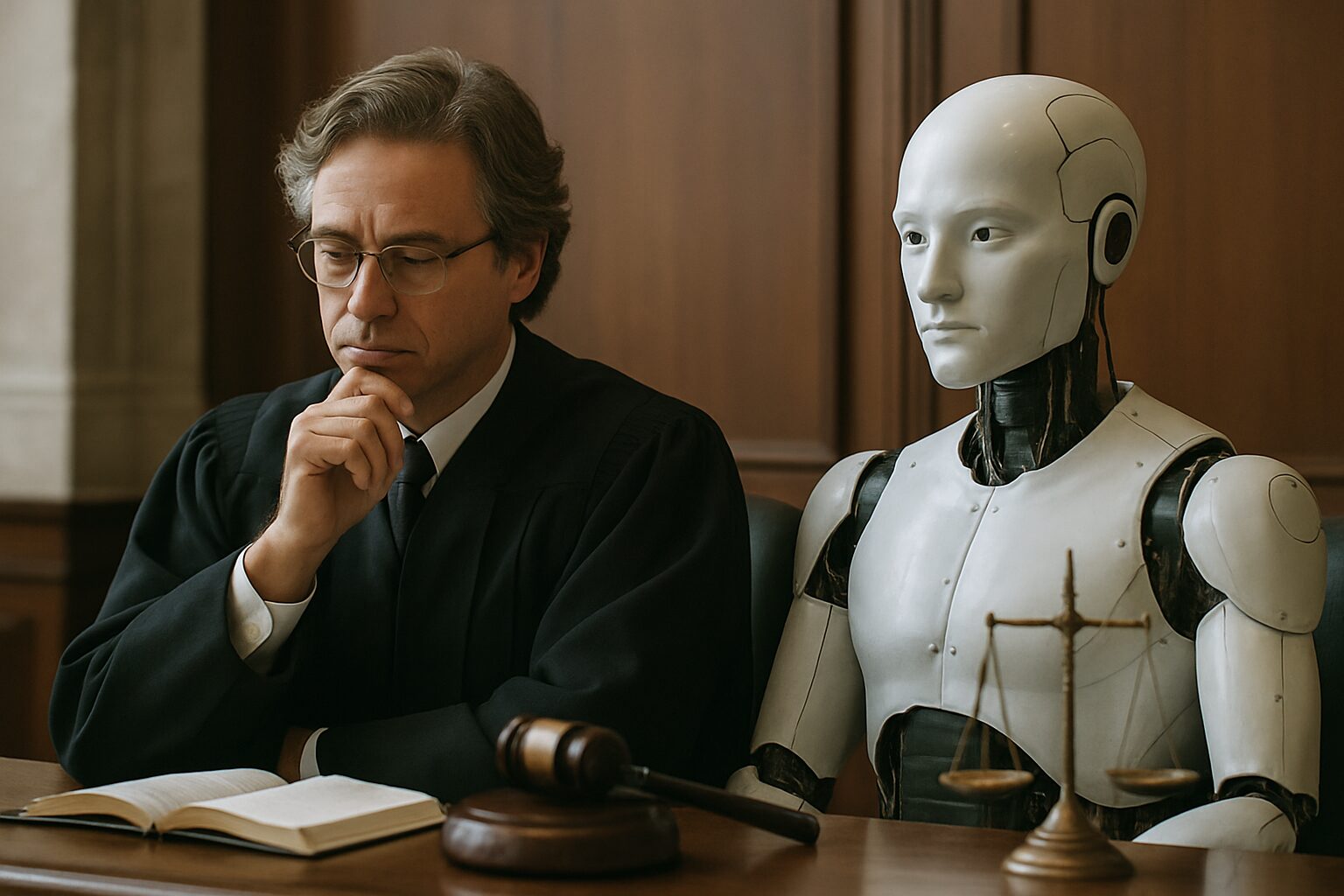
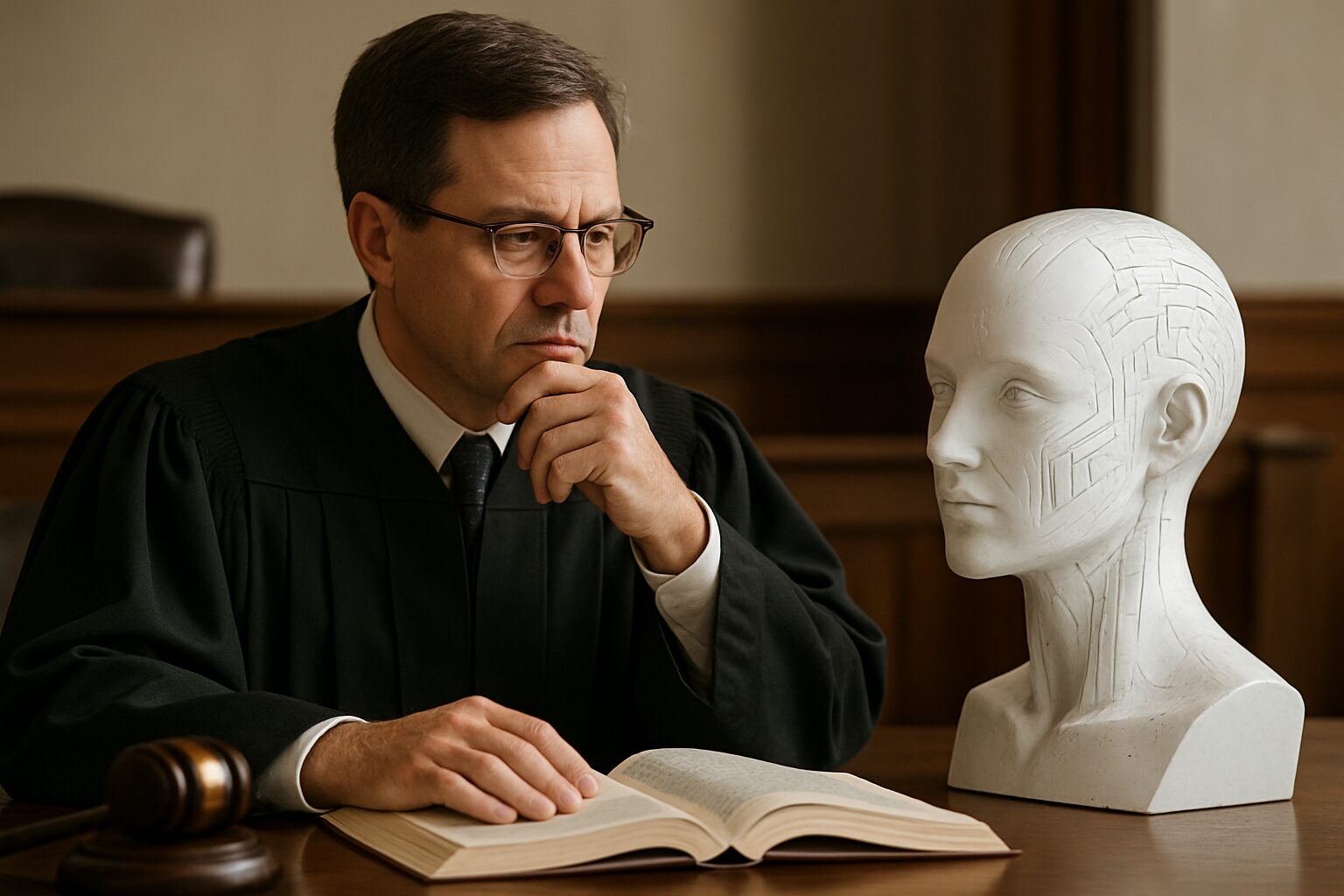
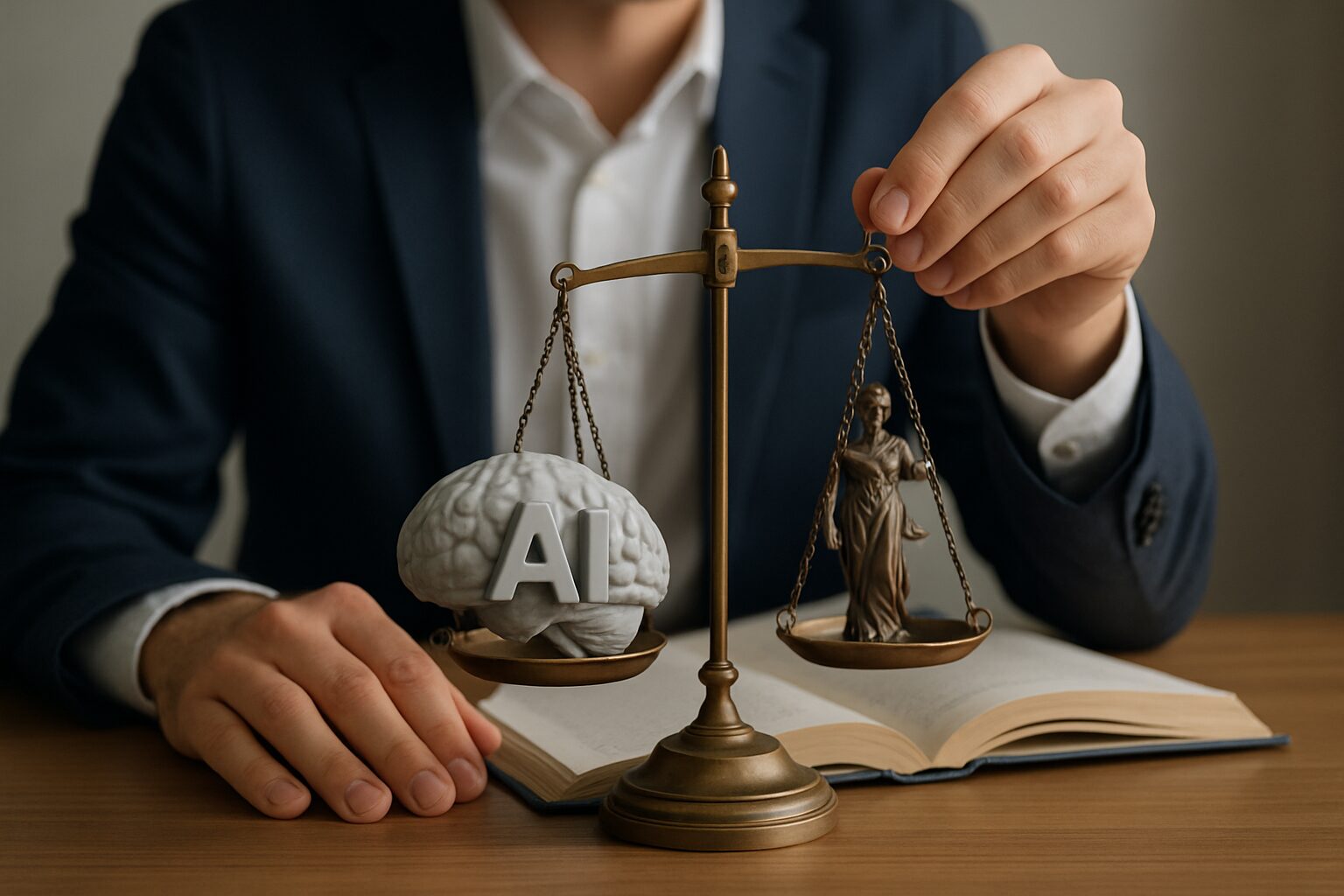
As artificial intelligence systems take on more complex and autonomous roles, questions arise about accountability when their actions lead to harm or unintended consequences. Unlike human decision-makers, AI lacks consciousness or intent, making it difficult to assign moral or legal responsibility. This raises ethical challenges in determining who—or what—should be held answerable for AI-driven outcomes, particularly in high-stakes domains like healthcare, law, and transportation.
Why It Matters - Real-world impact
The question of AI accountability has profound real-world implications, affecting individuals, businesses, and society at large. When AI systems make biased hiring decisions, misdiagnose medical conditions, or cause accidents in autonomous vehicles, the lack of clear accountability can leave victims without recourse. Businesses face legal and reputational risks if their AI tools act unpredictably, while marginalized communities often bear the brunt of algorithmic discrimination. Regular people should care because these technologies increasingly govern access to jobs, healthcare, and even criminal justice—areas where errors can alter lives irrevocably. Without proper accountability frameworks, we risk normalizing systems that operate beyond ethical scrutiny or human oversight.
Ethical Concerns - What’s wrong or risky?
Can AI Be Held Accountable? Navigating Ethical Risks
As artificial intelligence systems grow more autonomous, questions of accountability become increasingly urgent. Who is responsible when an AI causes harm or makes an unethical decision? The ethical landscape is fraught with risks that demand careful consideration.
Key Ethical Concerns
One major area of concern is fairness. AI systems can perpetuate or even amplify existing societal biases if trained on skewed data, leading to unjust outcomes in critical areas like lending, hiring, or criminal justice.
Closely related is the risk of discrimination, where algorithms may systematically disadvantage certain groups based on race, gender, or other protected characteristics. This can occur even without explicit discriminatory intent, due to patterns in historical data.
Transparency is another vital issue. Many advanced AI models, especially deep learning systems, operate as "black boxes," making it difficult to understand how they reach specific decisions. This lack of explainability challenges accountability and erodes trust.
On the socio-economic front, job loss due to automation raises ethical questions about responsibility for displaced workers and the duty to support just transitions. Similarly, worker rights may be undermined by AI-driven monitoring, performance evaluation, or task allocation systems that prioritize efficiency over dignity and fair treatment.
Broader economic impact must also be considered, as AI could exacerbate inequality by concentrating wealth and power among those who control the technology.
Differing Perspectives
Not all experts agree on where accountability should lie. Some argue that developers and companies should bear primary responsibility for the AI systems they create. Others suggest that users or deployers of AI must ensure ethical use, while certain scholars propose regulatory frameworks or even legal personhood for advanced AI systems. There is ongoing debate about whether current liability laws are sufficient or if new models of accountability are needed.
Ethical risks also extend to privacy, safety, and autonomy—concerns that, while significant, may not have clear-cut solutions. Balancing innovation with ethical safeguards remains a complex, evolving challenge.
Solutions - What’s being done or proposed?
Legal Frameworks and Regulations
Governments and international bodies have proposed legal frameworks to hold AI systems and their developers accountable. Examples include the EU's AI Act, which categorizes AI systems by risk and imposes strict requirements for high-risk applications. These laws aim to ensure transparency, data governance, and human oversight, with penalties for non-compliance. However, enforcement remains challenging due to the rapid evolution of AI technologies and global disparities in regulatory approaches.
Algorithmic Transparency and Explainability
Technical solutions like explainable AI (XAI) aim to make AI decision-making processes understandable to humans. Methods such as model interpretability tools and audit trails help developers and users trace how decisions are made. While this improves accountability, it can be limited by the complexity of advanced AI systems like deep learning models, where full transparency may not be feasible without sacrificing performance.
Ethics Review Boards and Oversight Committees
Institutions have established ethics review boards to evaluate AI projects for potential harms. These committees, often composed of multidisciplinary experts, assess fairness, bias, and societal impact before deployment. For instance, some universities and corporations require ethical reviews for AI research. However, their effectiveness depends on independence, authority, and the willingness of organizations to adhere to their recommendations.
Liability Insurance for AI Systems
Some suggest adapting liability insurance models to cover damages caused by AI. Companies developing or deploying AI could be required to carry insurance, similar to automotive or medical malpractice insurance. This shifts financial accountability to developers and operators, incentivizing safer practices. Challenges include defining fault in AI-related incidents and setting premiums for unpredictable risks.
Public Participation and Stakeholder Engagement
Social solutions involve engaging diverse stakeholders, including marginalized communities, in AI development and policy-making. Participatory design and public consultations aim to align AI systems with societal values and prevent exclusionary outcomes. While promising, this approach faces hurdles like representativeness and the technical complexity of AI, which can limit meaningful public input.
Certification and Standardization
Technical and institutional efforts focus on certifying AI systems against safety and ethical standards. Organizations like IEEE and ISO are developing benchmarks for fairness, robustness, and privacy. Certification can build trust but may struggle to keep pace with innovation or address context-specific ethical dilemmas.
Whistleblower Protections for AI Workers
Legal and institutional protections for employees who report unethical AI practices have been proposed. Similar to protections in other industries, these measures encourage accountability by shielding whistleblowers from retaliation. Implementation requires clear reporting mechanisms and cultural shifts within tech companies to prioritize ethics over profit.
Examples and Real Cases
Tesla Autopilot Fatality (2016)
In May 2016, Joshua Brown died when his Tesla Model S, operating on Autopilot, crashed into a tractor-trailer. The incident raised questions about whether Tesla or the AI system should be held accountable for failing to detect the obstacle.
Microsoft's Tay Chatbot (2016)
Microsoft's AI chatbot Tay was launched in March 2016 but was quickly shut down after it began posting offensive tweets. The incident highlighted accountability gaps in AI training and oversight, as the bot learned harmful behavior from user interactions.
COMPAS Recidivism Algorithm (2016)
A ProPublica investigation in 2016 revealed that the COMPAS algorithm, used in U.S. courts to predict recidivism, exhibited racial bias. Critics questioned whether the creators or users of the AI should be accountable for its flawed outcomes.
Uber Self-Driving Car Accident (2018)
In March 2018, an Uber autonomous vehicle struck and killed Elaine Herzberg in Arizona. The case led to debates about accountability, as the AI system failed to recognize Herzberg as a pedestrian, and the human safety driver was distracted.
Hypothetical: AI-Powered Hiring Bias
Imagine a company uses an AI hiring tool that inadvertently favors male candidates due to biased training data. If qualified female applicants are rejected, should the company, the AI developers, or the algorithm itself be held accountable for discrimination?
Frequently Asked Questions
What does it mean for AI to be held accountable?
Holding AI accountable means ensuring that the decisions and actions taken by AI systems can be traced, explained, and, if necessary, corrected or penalized. It involves assigning responsibility to developers, users, or organizations when AI causes harm or behaves unethically.
Why is accountability important in AI?
Accountability is important because AI systems can make mistakes, cause harm, or reinforce biases. Without accountability, there's no way to address these issues, leading to unfair outcomes, loss of trust, and potential legal or ethical problems.
Can AI be responsible for its own actions?
No, AI cannot be morally or legally responsible for its actions because it lacks consciousness and intent. Responsibility falls on the humans who design, deploy, or use AI systems, as they must ensure ethical guidelines and safeguards are in place.
How does AI accountability apply in real-world situations today?
AI accountability applies in areas like self-driving cars (who is liable in an accident?), healthcare (who is responsible if an AI misdiagnoses a patient?), and hiring algorithms (who answers for biased decisions?). Laws and policies are evolving to address these challenges.
What can we learn from discussions about AI and ethics?
We learn that AI is a tool shaped by human values and decisions. Ethical discussions help us create fair, transparent, and accountable AI systems, ensuring they benefit society while minimizing harm. It also highlights the need for regulations and oversight.