The Rise of AI-Generated Fake Media in Modern Politics: Real-World Impacts
Deepfakes in election campaigns refer to the use of AI-generated synthetic media, such as manipulated videos or audio, to misrepresent candidates or spread false information. These technologies can create realistic but fabricated content, making it difficult for voters to distinguish between genuine and altered material. The issue raises concerns about the potential for deception, erosion of trust, and the distortion of democratic processes.
Why It Matters - Real-world impact
Deepfakes in election campaigns pose a serious threat to democratic processes by distorting reality and manipulating public perception. Voters, candidates, and entire political systems are affected, as fabricated videos or audio can spread misinformation, erode trust in institutions, and sway election outcomes. When people can no longer distinguish between genuine and synthetic content, informed decision-making becomes impossible, undermining the foundation of fair elections. Regular citizens should care because their votes—and thus their voices—may be influenced by deceptive tactics rather than facts. The consequences extend beyond individual races, potentially destabilizing societies and fueling polarization. Addressing this issue is critical to preserving the integrity of democracy itself.
Ethical Concerns - What’s wrong or risky?
Deepfakes in Election Campaigns: Unpacking the Ethical Risks
Deepfakes—highly realistic, AI-generated media—are increasingly being deployed in election campaigns, raising profound ethical questions. While some argue they are simply a new form of political messaging, others see them as a dangerous tool that undermines democratic integrity. Below, we explore key ethical risks tied to their use.
Threats to Fairness
Deepfakes can distort the level playing field essential to fair elections. By fabricating events or statements, they may unfairly damage a candidate’s reputation or artificially boost another’s standing. This manipulation skews voter perception and can tip electoral outcomes, violating principles of fairness in democratic processes.
Amplifying Discrimination
These technologies can be weaponized to target individuals or groups based on race, gender, or other characteristics. For example, a deepfake might portray a candidate making bigoted remarks, exploiting societal biases and deepening divisions. Such tactics not only harm individuals but also perpetuate systemic discrimination.
Erosion of Transparency
Deepfakes thrive in obscurity; their very design is to deceive. When voters cannot distinguish real from synthetic content, trust in information and institutions erodes. This lack of transparency challenges the informed consent of the electorate and muddles accountability for malicious actors.
Economic and Social Ramifications
Beyond immediate electoral harm, deepfakes can have broader economic consequences. For instance, manipulated media might falsely implicate a candidate in financial misconduct, affecting markets or public confidence. The economic impact of such disinformation can be far-reaching, destabilizing industries and public trust.
Divergent Perspectives
Not all observers view deepfakes as uniformly negative. Some argue that, like other campaign tools, they are protected under free speech and innovation. Others contend that their potential for harm outweighs any benefits, calling for strict regulation. This tension highlights the complexity of balancing technological advancement with ethical safeguards.
Additional concerns include the psychological toll on targeted individuals and the risk of normalizing deception in politics. As deepfake technology evolves, so too must our ethical and legal frameworks to protect democratic values.
Solutions - What’s being done or proposed?
Legal Regulations and Penalties
Several countries have introduced or proposed laws specifically targeting the creation and distribution of deepfakes, especially during election campaigns. These laws often impose heavy penalties for malicious use, including fines and imprisonment. For example, some jurisdictions require clear labeling of synthetic media and mandate disclosure of deepfake origins. Enforcement remains a challenge, but legal frameworks aim to deter bad actors by holding them accountable.
Detection and Authentication Technologies
Tech companies and researchers are developing tools to detect deepfakes using AI and machine learning. These tools analyze inconsistencies in videos, such as unnatural facial movements or audio mismatches. Some platforms are also experimenting with digital watermarking and blockchain to verify the authenticity of media. While these technologies show promise, they often engage in a cat-and-mouse game with increasingly sophisticated deepfake creators.
Media Literacy and Public Awareness Campaigns
Educational initiatives aim to equip the public with skills to identify deepfakes and critically evaluate media. Workshops, online courses, and awareness campaigns teach people to spot telltale signs of manipulation, such as odd lighting or blurred edges. By fostering skepticism and verification habits, these programs hope to reduce the impact of deceptive content. However, the effectiveness depends on widespread participation and ongoing updates to address new techniques.
Platform Policies and Content Moderation
Social media platforms have implemented policies to remove or label deepfake content, especially during elections. Some use a combination of automated systems and human reviewers to flag suspicious media. Partnerships with fact-checkers and transparency reports are also common. Challenges include balancing free speech with harm prevention and avoiding over-censorship. Rapid response mechanisms are critical but often struggle with scale and speed.
Collaborative Efforts and Industry Standards
Cross-industry collaborations, such as the Partnership on AI, bring together tech companies, governments, and NGOs to establish best practices for handling deepfakes. These efforts focus on shared databases of known deepfakes, standardized detection tools, and coordinated responses. While collaboration improves resource pooling, differing priorities and competitive interests can slow progress. Establishing global standards remains a complex but necessary goal.
Ethical AI Development Guidelines
Some organizations advocate for ethical guidelines in AI development to prevent misuse. These guidelines encourage transparency in AI training data, limitations on synthetic media creation, and accountability measures for developers. While voluntary, they aim to foster responsible innovation. Adoption is uneven, and enforcement relies on industry self-regulation, which can be inconsistent without external oversight.
Examples and Real Cases
2018 Gabon Coup Attempt
In 2018, a deepfake video of Gabon's President Ali Bongo was circulated, appearing to show him delivering a New Year's address. The video raised suspicions about his health and ability to govern, contributing to political instability and a failed coup attempt.
2020 US Election: Fake Biden Video
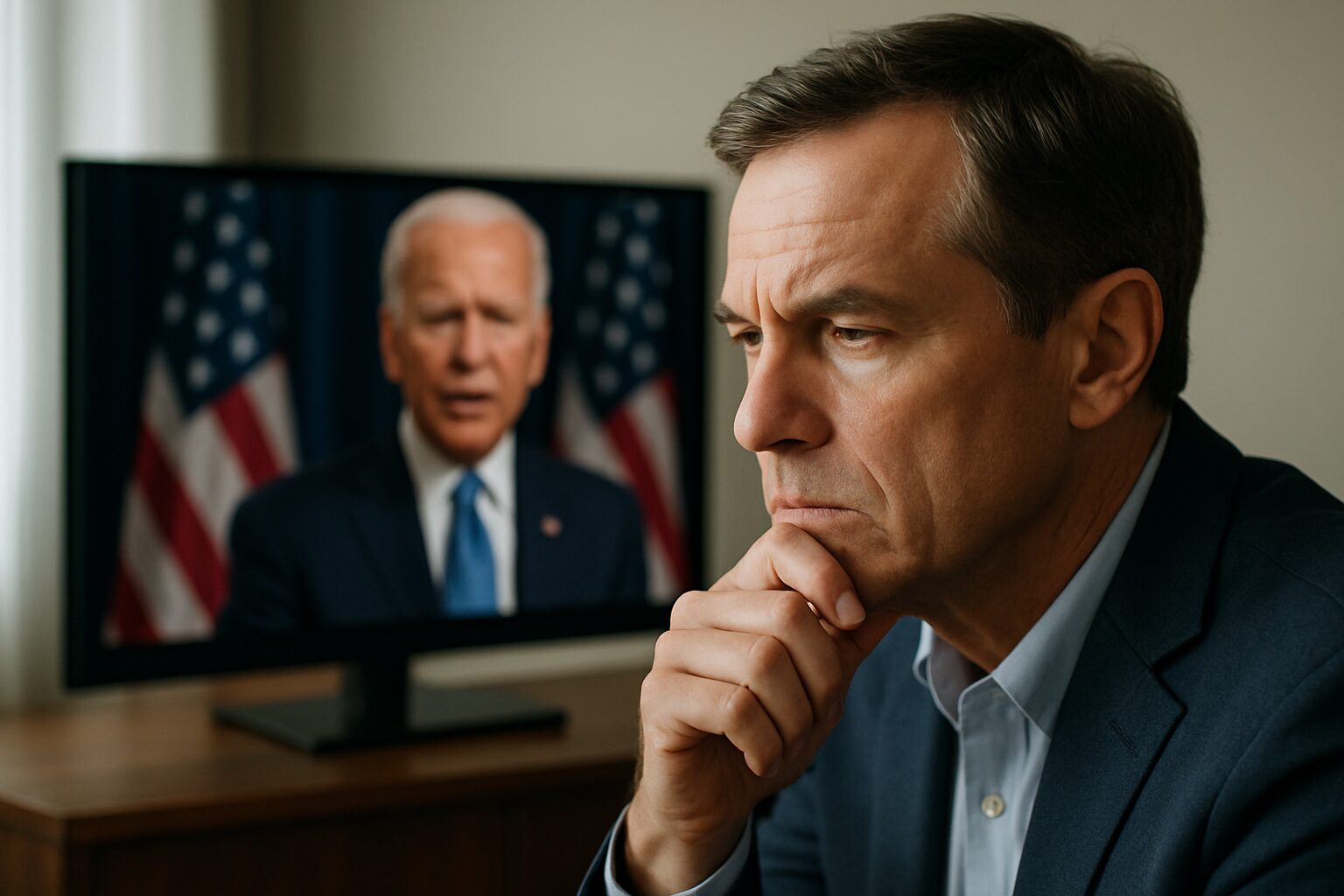
During the 2020 US presidential election, a manipulated video of Joe Biden circulated on social media, making it appear as though he was endorsing voting twice. The video was debunked, but it highlighted the potential for deepfakes to spread misinformation during elections.
2022 Ukraine War: Zelenskyy Deepfake
In March 2022, a deepfake video of Ukrainian President Volodymyr Zelenskyy surfaced, falsely showing him telling soldiers to surrender to Russian forces. The video was quickly identified as fake, but it demonstrated how deepfakes could be weaponized in geopolitical conflicts.
Hypothetical: 2024 UK Election Scandal
In a hypothetical scenario, a deepfake audio recording of a UK political leader admitting to corruption is leaked weeks before the 2024 general election. Despite being debunked, the audio spreads rapidly, influencing voter perceptions and election outcomes.
2019 Indian Election: Modi Deepfake
A deepfake video of Indian Prime Minister Narendra Modi singing a popular song went viral during the 2019 election campaign. While seemingly harmless, it raised concerns about the potential for more malicious deepfakes to manipulate voter sentiment.
Frequently Asked Questions
What are deepfakes in election campaigns?
Deepfakes are AI-generated fake videos or audio clips that make it seem like a person (e.g., a politician) is saying or doing something they never did. In election campaigns, they can be used to spread false information or manipulate public opinion.
Why are deepfakes a problem in elections?
Deepfakes can mislead voters by creating fake speeches, scandals, or statements, which may influence election outcomes unfairly. They erode trust in media and make it harder to distinguish real facts from manipulated content.
How can deepfakes influence voters?
Deepfakes can sway voters by spreading false narratives, damaging a candidate's reputation, or creating fake endorsements. People may believe the manipulated content and vote based on lies instead of facts.
Are there real examples of deepfakes in elections?
Yes, deepfakes have been used in elections worldwide, such as fake videos of candidates making controversial statements. While not always widespread, the threat is growing as AI technology becomes more accessible.
How can people spot deepfakes during elections?
Look for inconsistencies like unnatural facial movements, odd voice tones, or mismatched lip-syncing. Verify suspicious content through trusted news sources or fact-checking websites before sharing.