The Rise of Digital Deception: How Fake Media Threatens Democracy
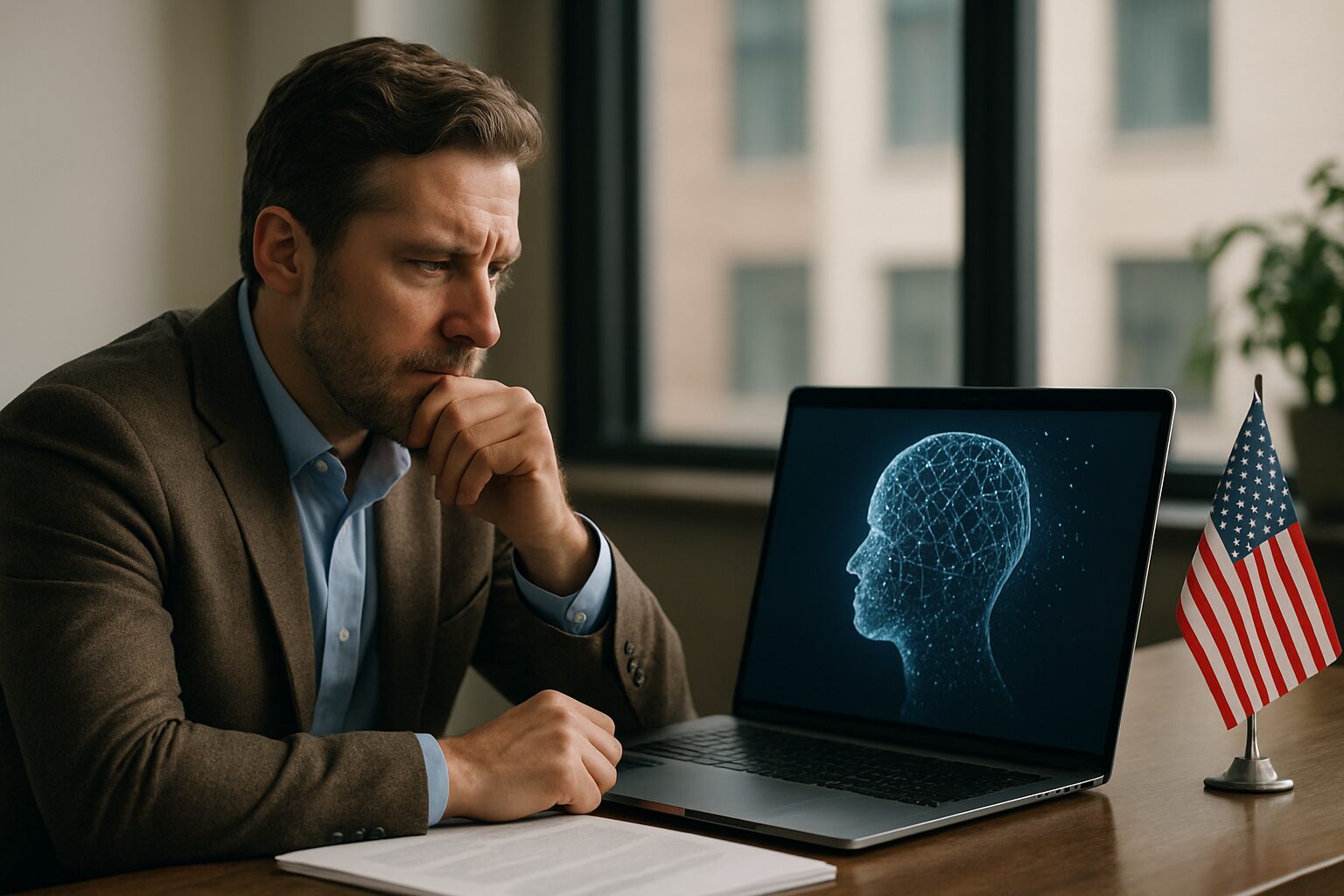
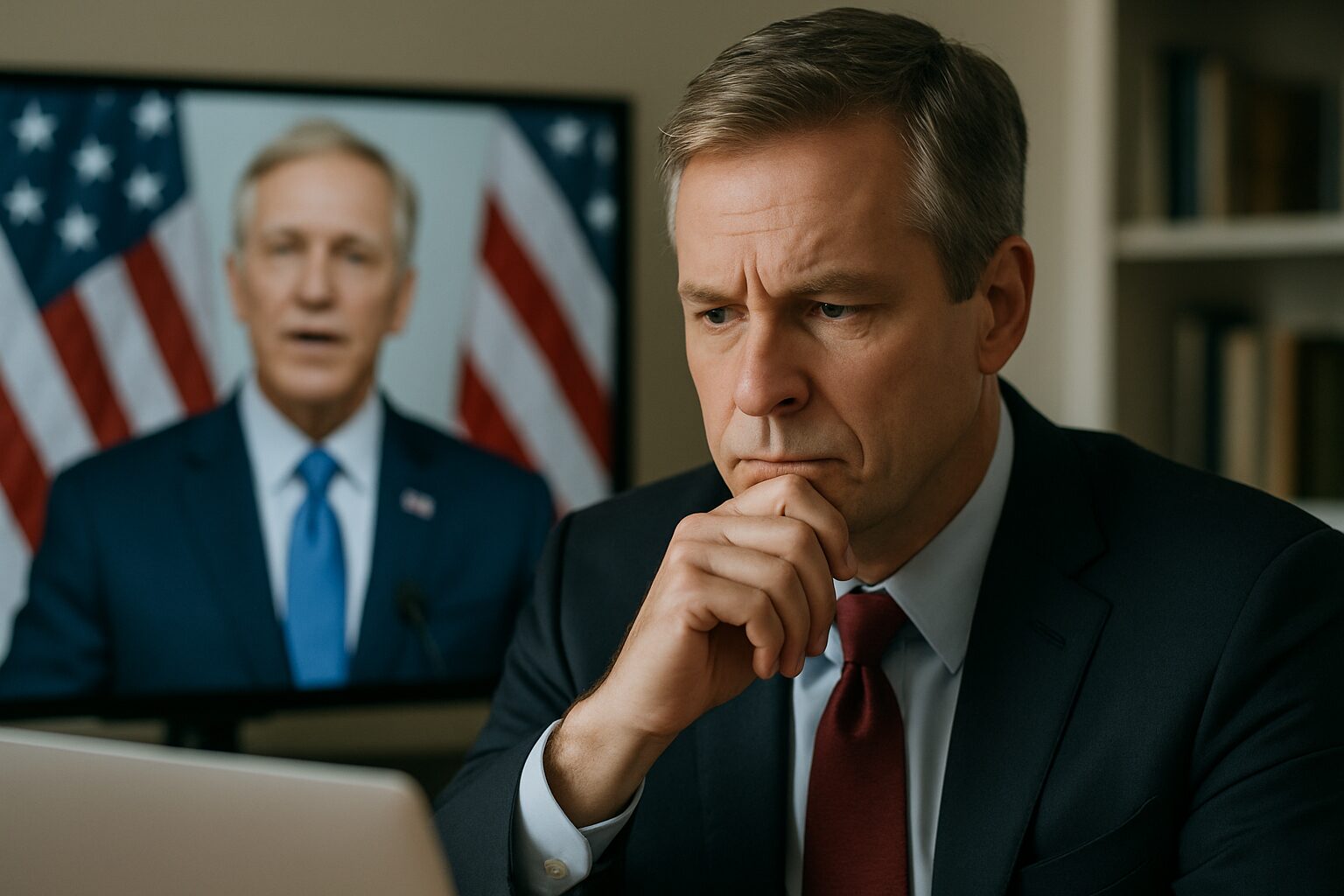
Deepfakes in election campaigns refer to the use of AI-generated synthetic media, such as manipulated videos or audio, to misrepresent candidates or spread false information. These technologies pose significant ethical challenges by blurring the line between reality and fabrication, potentially undermining public trust in democratic processes. The issue raises concerns about manipulation, voter deception, and the difficulty of detecting and regulating such content in fast-paced political environments.
Why It Matters - Real-world impact
Deepfakes in election campaigns pose a serious threat to democratic processes by eroding public trust in information. Voters, candidates, and entire electoral systems are affected, as manipulated videos or audio can spread false narratives, distort candidates' positions, or fabricate scandalous behavior. If left unchecked, deepfakes could sway election outcomes, suppress voter turnout, or incite social unrest by fueling polarization. Regular people should care because their votes—and by extension, their rights and freedoms—depend on access to truthful information. The weaponization of AI-generated content undermines informed decision-making, turning elections into battles of deception rather than debates of substance.
Ethical Concerns - What’s wrong or risky?
Deepfakes and the Erosion of Fairness in Elections
Deepfakes in election campaigns pose a severe threat to fairness by enabling the creation of fabricated evidence that can unfairly damage a candidate's reputation or misrepresent their positions. This undermines the principle of a level playing field, where elections should be decided on genuine merit and informed voter choice rather than technologically manufactured falsehoods.
Discrimination Through Targeted Disinformation
These AI-generated media can be used to perpetuate discrimination by targeting specific demographic groups with tailored deceptive content. For example, deepfakes might spread false narratives about a candidate's views on racial or social issues, aiming to suppress turnout or manipulate voting behavior in marginalized communities, exacerbating existing societal divides.
Lack of Transparency in Political Messaging
A critical ethical issue is the erosion of transparency. When voters cannot distinguish real from synthetic media, the very foundation of informed democratic participation is compromised. Without clear labeling or detection mechanisms, deepfakes deceive the public, making it impossible to hold creators accountable and undermining trust in electoral processes.
Economic and Broader Societal Harms
Beyond immediate electoral impact, deepfakes can cause significant economic impact, such as market instability triggered by fake announcements from political figures. They may also contribute to job loss in journalism and fact-checking sectors, as the volume of misinformation overwhelms traditional verification processes. Additionally, the spread of deepfakes could infringe on worker rights if used to create false representations of union leaders or activists, sabotaging labor movements.
Differing Perspectives on Regulation and Free Speech
Not all stakeholders view deepfake regulation similarly. Some argue that restricting deepfakes infringes on free speech and artistic expression, while others emphasize the urgent need for legal frameworks to prevent malicious use. There is also debate over whether technology companies or governments should lead in developing detection tools and policies.
Other Moral Concerns: Privacy and Autonomy
Deepfakes raise additional ethical issues, such as violations of personal privacy—using someone's likeness without consent—and impairing individual autonomy by manipulating voters' decisions through deception. These concerns highlight the broader implications for human dignity and trust in the digital age.
Solutions - What’s being done or proposed?
Legislative Bans and Regulations
Several countries have introduced or proposed laws specifically targeting the creation and distribution of deepfakes, especially during election periods. These laws often require clear labeling of synthetic media and impose penalties for malicious use. For example, some U.S. states have passed legislation making it illegal to distribute deepfakes intended to influence elections within a certain timeframe before voting. However, enforcement remains challenging due to the rapid evolution of technology and jurisdictional issues.
Detection and Authentication Tools
Researchers and tech companies are developing advanced detection tools to identify deepfakes through inconsistencies in facial movements, audio syncing, or digital artifacts. Some platforms are also experimenting with watermarking and blockchain-based authentication to verify the origin of media content. While these tools show promise, they often lag behind the sophistication of deepfake creation techniques, leading to an ongoing arms race between creators and detectors.
Public Awareness and Media Literacy Campaigns
Educational initiatives aim to equip voters with the skills to critically evaluate media content. These campaigns teach people to spot signs of manipulation, verify sources, and cross-check information before sharing. Organizations like universities and NGOs often lead these efforts, sometimes partnering with social media platforms to amplify their reach. While effective in the long term, these programs require sustained investment and may not immediately counteract the viral spread of misinformation.
Platform Policies and Content Moderation
Social media platforms have implemented policies to remove or label suspected deepfakes, especially those with potential to mislead voters. Some use a combination of automated systems and human reviewers to flag content. However, these measures face criticism for either being too aggressive (risking censorship) or too lenient (allowing harmful content to spread). Transparency in moderation decisions remains a key challenge.
Collaborative Industry Standards
Tech companies, academia, and civil society groups are working together to establish shared standards for handling synthetic media. Initiatives like the Partnership on AI bring stakeholders together to develop best practices for detection, labeling, and response protocols. These efforts aim to create a unified front against election-related deepfakes, though achieving global consensus is difficult due to differing legal and cultural contexts.
Rapid Response Teams
Some governments and NGOs have formed specialized teams to quickly debunk deepfakes during elections. These teams monitor social media, analyze suspicious content, and disseminate corrections through trusted channels. While effective in mitigating damage, their impact depends on public trust in the responding institutions and the speed of their reaction compared to the spread of misinformation.
Examples and Real Cases
2018 Gabon Presidential Election Deepfake
In 2018, a deepfake video of Gabon's President Ali Bongo was circulated, appearing to show him in good health despite his actual absence from public view. The video raised concerns about its potential to manipulate public perception during a tense political period.
2020 US Election: Fake Biden Video
During the 2020 US presidential campaign, a manipulated video of Joe Biden surfaced, making it seem as though he endorsed voting twice. Fact-checkers quickly debunked it, but the clip spread widely on social media, highlighting the risks of AI-generated disinformation.
Hypothetical: UK General Election Deepfake Scandal
In a hypothetical scenario, a deepfake audio clip of a UK political leader admitting to election fraud could be released days before a general election. Despite being fake, the clip might sway undecided voters and disrupt the democratic process.
2019 Indian Election: Modi Deepfake Speeches
In 2019, AI-generated videos of Indian Prime Minister Narendra Modi delivering speeches in regional dialects he doesnu2019t speak went viral. These deepfakes aimed to appeal to local voters, blurring the line between genuine outreach and manipulation.
2022 Slovak Election: Fake Audio of Candidate
Before the 2022 Slovak elections, a fabricated audio clip allegedly featured a liberal candidate discussing vote rigging. Though debunked, the clip fueled division and distrust, demonstrating how deepfakes can destabilize elections.
Frequently Asked Questions
What are deepfakes in election campaigns?
Deepfakes are AI-generated fake videos or audio clips that make it seem like a person is saying or doing something they never did. In election campaigns, they can be used to spread false information or manipulate public opinion about candidates.
Why are deepfakes a problem in elections?
Deepfakes can mislead voters by creating fake speeches, scandals, or statements from candidates, which can influence election outcomes unfairly. This undermines trust in democracy and makes it harder to know whatu2019s real.
How can deepfakes manipulate voters?
Deepfakes can spread false narratives quickly, making voters believe fabricated events or statements. For example, a fake video of a candidate admitting to corruption could sway opinions even if itu2019s completely untrue.
What can be done to stop deepfake misuse in elections?
Solutions include better detection tools, laws against malicious deepfakes, media literacy programs to help voters spot fakes, and social media platforms removing harmful content faster.
Have deepfakes been used in real elections?
Yes, there have been cases where deepfakes or manipulated media were used to spread misinformation in elections, though major incidents are still rare. However, the risk is growing as AI technology improves.