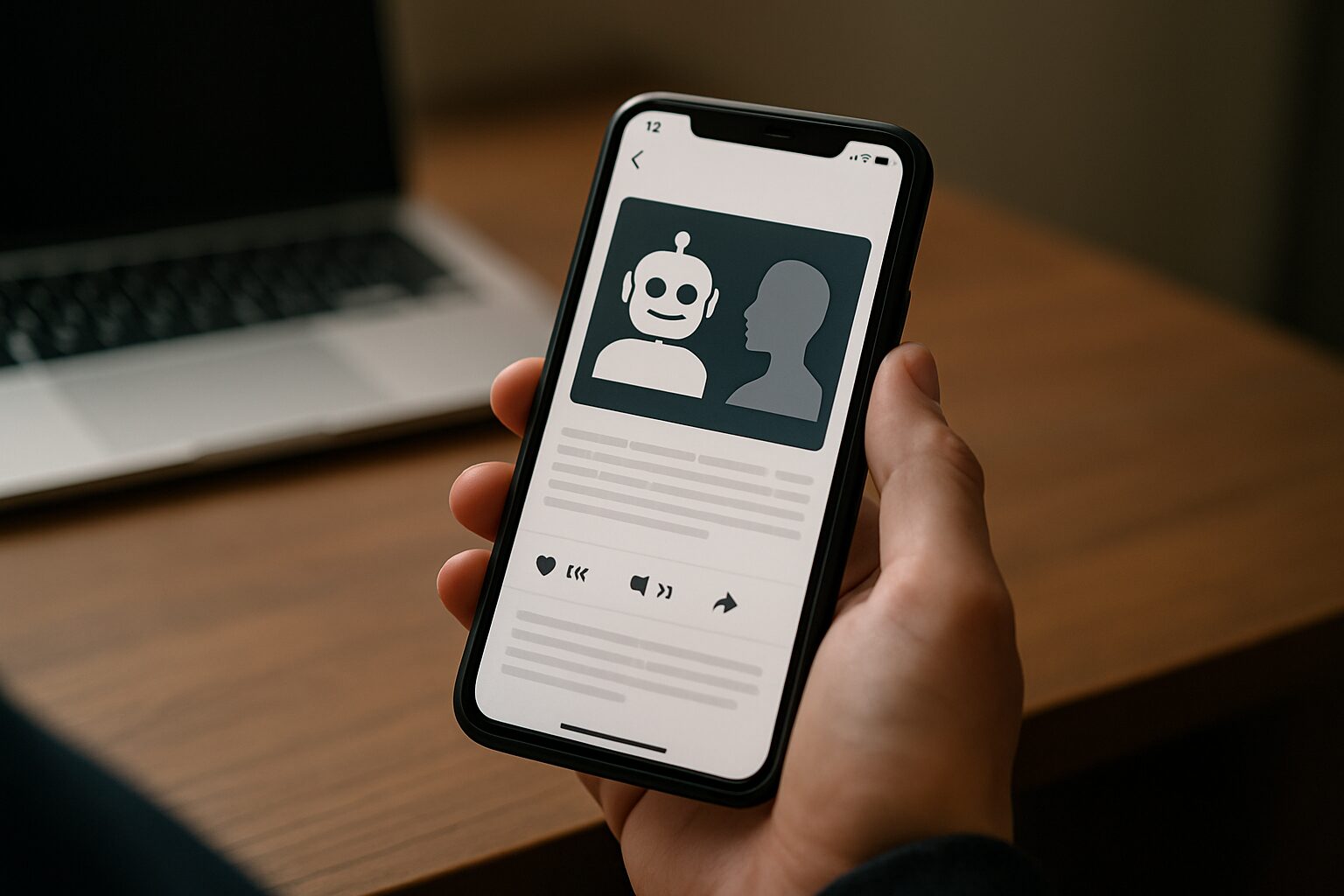
The Hidden Risks of AI-Driven Behavioral Nudges: What You Need to Know
Behavioral nudging refers to the use of subtle design choices or prompts to influence human decisions, often without explicit awareness. When powered by AI, these nudges can become highly personalized and pervasive, raising ethical concerns about autonomy and manipulation. The core issue lies in balancing the benefits of guiding positive behavior against the risks of undermining free will or exploiting vulnerabilities.
Why It Matters - Real-world impact
The ethics of AI in behavioral nudging matters because it directly impacts individual autonomy and societal trust. From consumers facing personalized ads to employees subjected to productivity algorithms, nearly everyone interacts with AI-driven influence systems, often without full awareness. When these systems prioritize corporate or political goals over user well-being, they can manipulate choices, reinforce biases, or exploit vulnerabilities—such as pushing unhealthy habits or misleading financial decisions. Regular people should care because unchecked nudging risks eroding free will, deepening inequalities, and normalizing covert manipulation in daily life. Without transparency and accountability, AI-driven influence could reshape behavior in ways that benefit few at the expense of many.
Ethical Concerns - What’s wrong or risky?
What is Behavioral Nudging in AI?
AI-driven behavioral nudging uses algorithms to subtly influence user decisions, often to promote beneficial outcomes like healthier habits or increased savings. However, this practice raises significant ethical questions, particularly when the line between guidance and manipulation blurs.
Key Ethical Risks
One major concern is fairness. AI systems may nudge users based on biased data or flawed models, leading to unequal treatment. For example, a financial app might encourage riskier investments for certain demographics without transparent justification.
Another critical issue is discrimination. Nudges can perpetuate or amplify societal biases, such as steering users from marginalized groups toward less favorable options in hiring, lending, or healthcare based on historical data patterns.
Transparency is also a core ethical challenge. Many AI nudges operate in the background, making it difficult for users to understand when and how they are being influenced. This lack of clarity undermines autonomy and informed consent.
Some argue that nudging can have a negative economic impact, such as by encouraging consumer spending in ways that benefit corporations over individuals' long-term financial health.
Differing Perspectives
Proponents of AI nudging emphasize its potential for social good, such as reducing energy consumption or improving public health. They argue that as long as nudges are designed with user welfare in mind, the benefits outweigh the risks.
Critics, however, warn that even well-intentioned nudges can erode personal agency and create dependencies on opaque systems. They stress the importance of regulatory frameworks to ensure ethical deployment.
There is also debate around the role of worker rights in environments where AI nudges manage employee behavior, potentially leading to increased surveillance or pressure without adequate safeguards.
Additionally, concerns about job loss arise if AI-driven nudging automates roles traditionally held by humans in marketing, counseling, or advisory services, though this is often a secondary consideration compared to immediate ethical risks.
Solutions - What’s being done or proposed?
Transparency and Disclosure Requirements
One proposed solution is implementing strict transparency and disclosure requirements for AI systems used in behavioral nudging. This would mandate that companies clearly inform users when AI is being used to influence their behavior, including the purpose and methods of nudging. For example, platforms could be required to provide accessible explanations of how algorithms personalize content or suggestions. This approach aims to empower users with knowledge, allowing them to make more informed decisions about their interactions with AI-driven systems.
Ethical AI Design Frameworks
Developers and organizations have suggested adopting ethical AI design frameworks that prioritize user autonomy and well-being. These frameworks often include principles such as fairness, accountability, and respect for user consent. By integrating these principles into the development process, AI systems can be designed to avoid manipulative practices. For instance, frameworks might recommend limiting the frequency or intensity of nudges or providing users with easy opt-out options.
Regulatory Oversight and Compliance
Governments and regulatory bodies have explored creating laws and regulations specifically targeting AI-driven behavioral nudging. These regulations could set boundaries on how AI can be used to influence behavior, particularly in sensitive areas like healthcare, finance, or politics. Compliance mechanisms, such as audits or certifications, could ensure that AI systems adhere to ethical standards. For example, the EU's General Data Protection Regulation (GDPR) includes provisions that could be extended to cover AI nudging practices.
User Empowerment Tools
Another solution focuses on developing tools that empower users to control or resist AI-driven nudges. This could include browser extensions or platform settings that allow users to see and adjust how their data is used for personalization. Some advocates have also proposed digital literacy programs to educate users about how AI influences their behavior, equipping them with the skills to recognize and respond to nudges effectively.
Multi-Stakeholder Collaboration
Addressing the ethical concerns of AI in behavioral nudging may require collaboration among diverse stakeholders, including tech companies, policymakers, ethicists, and civil society groups. Multi-stakeholder initiatives can foster dialogue and create shared standards or best practices. For example, industry consortia might develop voluntary guidelines for ethical nudging, while academic institutions could research the societal impacts and propose evidence-based solutions.
Examples and Real Cases
Facebook's Emotional Contagion Study (2014)
In 2014, Facebook conducted a study where it manipulated the news feeds of 689,003 users to show either more positive or negative content. The study aimed to test emotional contagion, raising ethical concerns about uninformed consent and psychological impact.
Cambridge Analytica and Political Nudging (2016)
Cambridge Analytica used AI-driven behavioral data from millions of Facebook users to create targeted political ads during the 2016 U.S. elections. This raised ethical questions about manipulation and lack of transparency in influencing voter behavior.
YouTube's Recommendation Algorithm and Radicalization
YouTube's AI-driven recommendation system has been criticized for nudging users toward extremist content by prioritizing engagement. Reports in 2018-2019 showed how this led to unintended behavioral shifts, including radicalization.
Hypothetical: AI-Powered Shopping Nudges
A retail app uses AI to analyze user stress levels via facial recognition and nudges them toward impulse purchases during vulnerable moments. While not yet documented, this scenario highlights potential ethical concerns around exploitation.
China's Social Credit System
China's AI-driven Social Credit System, implemented in 2014, nudges citizens toward 'desirable' behavior by rewarding or penalizing actions. Critics argue it crosses ethical boundaries by enforcing conformity through surveillance and manipulation.
Frequently Asked Questions
What is AI behavioral nudging?
AI behavioral nudging is when artificial intelligence systems subtly influence people's decisions or behaviors, often without them realizing it. It uses data and algorithms to guide choices, like suggesting certain products or content based on your past behavior.
Why is AI nudging considered unethical sometimes?
AI nudging can be unethical when it manipulates people into making choices that aren't in their best interest, exploits vulnerabilities, or happens without their knowledge or consent. It raises concerns about privacy, autonomy, and fairness in decision-making.
How does AI nudging affect people's daily lives?
AI nudging affects daily life through personalized ads, social media feeds, recommendation systems, and even health apps. It shapes what we see, buy, and believe, often without us noticing the subtle influence behind these suggestions.
What's the difference between helpful nudging and manipulation?
Helpful nudging supports better decisions (like reminders to save money), while manipulation pushes people toward choices benefiting the nudger more than the user. The key difference is transparency, intent, and whether it respects the person's best interests.
Can AI nudging be used for good purposes?
Yes, ethical AI nudging can encourage positive behaviors like healthy habits, energy savings, or financial planning when designed with transparency and user well-being as the priority. The key is using it responsibly with clear user consent.