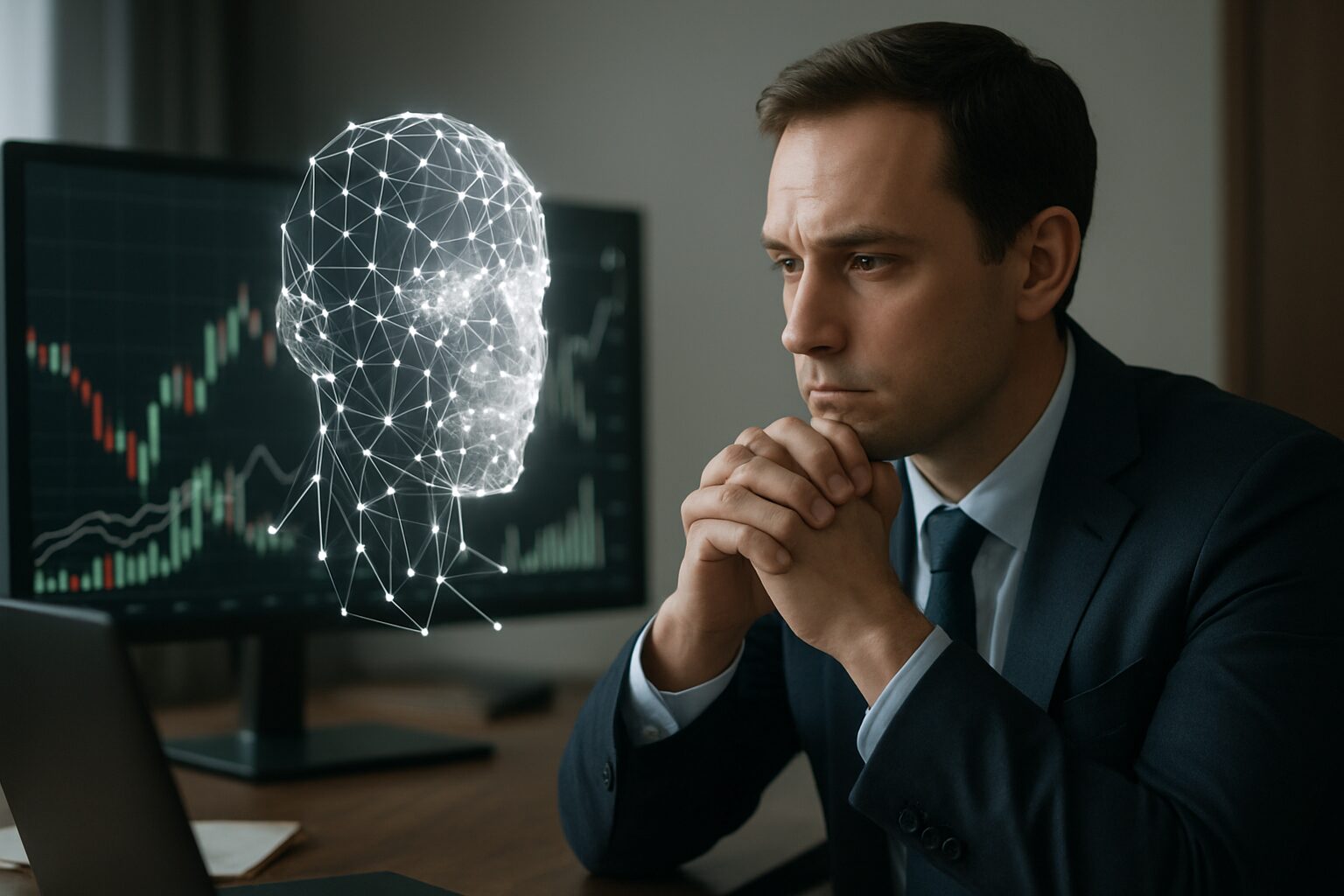
How AI is Reshaping Finance and Regulatory Compliance
The use of artificial intelligence in financial markets raises ethical concerns about manipulation and influence. AI-driven algorithms can analyze vast amounts of data, execute trades at high speeds, and predict market movements, potentially creating unfair advantages or distorting market behavior. Regulators face challenges in ensuring transparency, accountability, and fairness as these technologies evolve.
Why It Matters - Real-world impact
The influence of AI in financial markets and regulation matters because it directly impacts economic stability, fairness, and public trust. AI-driven algorithms can manipulate stock prices, exploit market inefficiencies, or even amplify systemic risks, affecting everyone from retail investors to large institutions. If left unchecked, these technologies could deepen inequalities, erode transparency, and lead to catastrophic market failures—such as flash crashes or fraudulent schemes—that harm everyday savers and retirees. Regular people should care because their pensions, investments, and the broader economy are at stake; unchecked AI could distort markets in ways that favor a select few while leaving others vulnerable. Without robust ethical frameworks and oversight, the financial system risks becoming a playground for manipulation rather than a fair platform for growth.
Ethical Concerns - What’s wrong or risky?
AI's Growing Role in Financial Markets
Artificial intelligence is increasingly embedded in financial systems, from high-frequency trading algorithms to credit scoring models and fraud detection. While these tools offer efficiency and insights, they also introduce significant ethical risks that demand regulatory attention.
Fairness in Algorithmic Decision-Making
AI systems used for loan approvals or investment opportunities may inadvertently perpetuate or amplify biases present in historical data. This raises concerns about fairness, as algorithms might systematically disadvantage certain demographic groups, even without explicit discriminatory intent.
Discrimination Through Data Patterns
Machine learning models can identify correlations that lead to discriminatory outcomes, such as denying services based on zip codes correlated with race or socioeconomic status. These practices highlight urgent discrimination risks, where AI reinforces existing inequalities under the guise of objectivity.
Transparency and the "Black Box" Problem
Many advanced AI models, particularly deep learning systems, operate as "black boxes," making it difficult to understand how decisions are reached. This lack of transparency challenges regulators' ability to audit for compliance or fairness and leaves consumers in the dark about why financial decisions affecting them are made.
Economic Impact and Market Stability
The proliferation of AI-driven trading can lead to flash crashes or herd behavior, where algorithms react in unison to market signals. This poses a substantial economic impact risk, potentially destabilizing markets and harming investors who lack access to similar technology.
Worker Rights in an Automated Industry
As AI automates roles in analysis, trading, and customer service, financial sector employees face displacement. This shift implicates worker rights, including questions about retraining, equitable transition, and the moral responsibility of firms toward their workforce.
Job Loss and Structural Changes
Beyond immediate displacement, AI may reshape the finance labor market, reducing demand for certain skills while creating new roles. This contributes to broader job loss anxieties and requires societal dialogue about supporting affected workers.
Differing Perspectives on AI Regulation
Some argue that AI's efficiency benefits outweigh its risks, advocating for light-touch regulation to foster innovation. Others emphasize precaution, calling for strict oversight to prevent harm. There is also debate over whether existing regulatory frameworks are sufficient or if new, AI-specific laws are needed.
Additional Ethical Considerations
Beyond the linked categories, concerns include accountability (who is responsible when an AI causes harm), privacy (how financial data is used and shared), and the concentration of power among firms with advanced AI capabilities, potentially reducing market competition.
Solutions - What’s being done or proposed?
Enhanced Regulatory Oversight
Governments and financial regulators have proposed stricter oversight of AI systems used in financial markets. This includes mandatory audits of AI algorithms to ensure they comply with ethical standards and do not engage in market manipulation. Regulatory bodies are also exploring the creation of specialized units to monitor AI-driven trading activities and enforce penalties for unethical practices.
Transparency in AI Algorithms
To mitigate the risks of AI manipulation, there have been calls for greater transparency in how AI algorithms operate. Financial institutions are encouragedu2014or in some cases requiredu2014to disclose the logic and data sources behind their AI systems. This transparency allows regulators and the public to scrutinize potential biases or unethical behaviors embedded in the algorithms.
Ethical AI Design Frameworks
Industry groups and academic institutions have developed ethical frameworks for designing AI systems in finance. These frameworks emphasize principles like fairness, accountability, and avoidance of harm. By integrating these guidelines into the development process, organizations aim to prevent AI from being used for exploitative or manipulative purposes in financial markets.
Human Oversight and Control
One proposed solution is maintaining human oversight over AI-driven financial decisions. This involves setting up 'human-in-the-loop' systems where critical AI actions must be reviewed and approved by human experts. Such measures ensure that AI does not operate autonomously in ways that could destabilize markets or harm investors.
Public and Stakeholder Engagement
Engaging the public and stakeholders in discussions about AI's role in finance has been suggested as a way to build trust and accountability. Forums, hearings, and consultations allow diverse perspectives to shape policies and practices, ensuring that AI applications align with societal values and do not disproportionately benefit certain groups at the expense of others.
International Collaboration on Standards
Given the global nature of financial markets, international cooperation is essential. Countries and organizations are working together to establish unified standards for AI in finance. These standards aim to prevent regulatory arbitrage, where firms exploit lax regulations in certain jurisdictions, and to promote ethical AI use worldwide.
Real-Time Monitoring and Anomaly Detection
Technical solutions like real-time monitoring systems have been deployed to detect anomalous behaviors in AI-driven trading. These systems use advanced analytics to identify patterns indicative of manipulation or unethical practices, enabling swift intervention by regulators or market operators.
Whistleblower Protections and Incentives
To uncover unethical AI practices, protections and incentives for whistleblowers have been proposed. Safeguarding individuals who report misconduct encourages transparency and accountability within organizations, helping to identify and address AI-related abuses in financial markets.
Examples and Real Cases
Flash Crash of 2010
On May 6, 2010, the U.S. stock market experienced the 'Flash Crash,' where the Dow Jones Industrial Average dropped nearly 1,000 points in minutes before recovering. High-frequency trading algorithms exacerbated the sell-off, highlighting how AI-driven trading can amplify market volatility.
GameStop Short Squeeze (2021)
In January 2021, retail investors on Reddit's WallStreetBets forum coordinated to drive up GameStop's stock price, countering hedge funds' short positions. AI-powered trading algorithms used by hedge funds initially accelerated losses, demonstrating how AI can be manipulated by collective human action.
Hypothetical: AI-Generated Fake News Impacting Markets
In a hypothetical scenario, an AI generates fake news about a major company's CEO resigning, causing automated trading systems to sell shares rapidly. Before the truth is verified, the market experiences significant disruption, showcasing the risks of AI-driven misinformation in financial systems.
Knight Capital Group Algorithmic Trading Glitch (2012)
On August 1, 2012, Knight Capital Group's faulty trading algorithm executed millions of unintended trades in 45 minutes, losing $440 million. This incident underscored the dangers of unregulated AI systems in high-frequency trading and led to stricter oversight.
Hypothetical: AI-Powered 'Spoofing' in Cryptocurrency
A realistic hypothetical involves AI systems placing large fake orders in cryptocurrency markets to manipulate prices (spoofing). These AI-driven tactics could deceive traders and algorithms into making unfavorable trades before the fake orders are canceled.
Frequently Asked Questions
What is the influence of AI in financial markets?
AI influences financial markets by analyzing vast amounts of data quickly, predicting trends, automating trades, and detecting fraud. It helps investors and regulators make faster, data-driven decisions but can also be used for manipulation if not properly monitored.
How can AI be used to manipulate financial markets?
AI can manipulate markets through algorithmic trading strategies that create fake trends (like spoofing or pump-and-dump schemes), spreading misinformation via deepfake news, or exploiting regulatory loopholes. These actions can mislead investors and distort prices.
Why is regulating AI in finance important?
Regulating AI in finance is crucial to prevent market manipulation, ensure fairness, and protect investors. Without oversight, AI-driven tools could amplify risks, create unfair advantages, or cause large-scale financial instability due to unchecked automated decisions.
What are some real-world examples of AI impacting financial markets today?
Examples include high-frequency trading (HFT) firms using AI to execute trades in milliseconds, AI-powered robo-advisors managing portfolios, and regulators employing AI to detect insider trading or suspicious market activities in real time.
How can beginners learn about AI's role in financial markets?
Beginners can start by reading articles on algorithmic trading, following news on AI regulation (like SEC guidelines), and exploring free courses on fintech or AI in finance. Understanding basic market principles and AI ethics is also helpful.