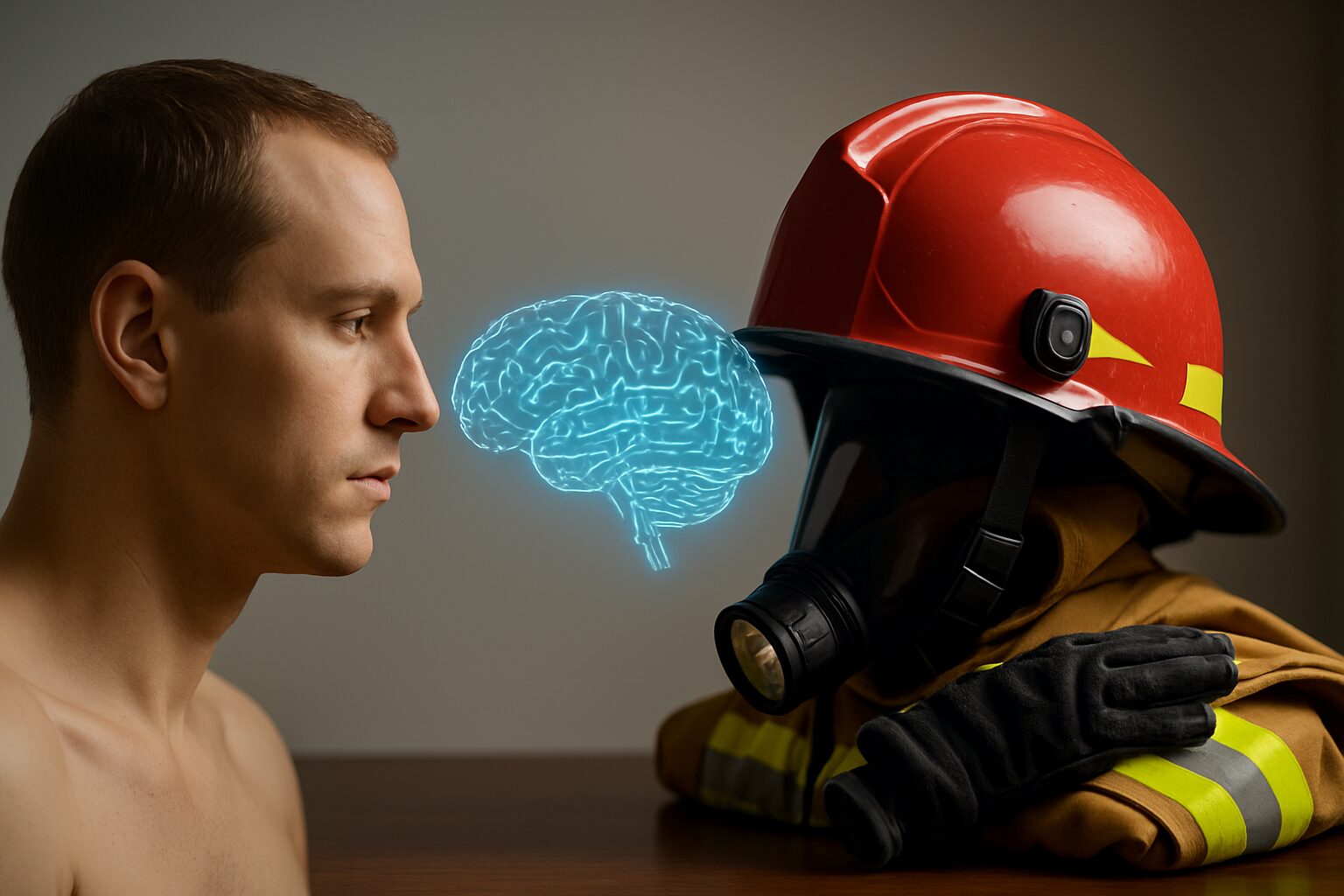
Automated Lifesavers: Navigating Responsibility in Crisis Tech
AI is increasingly used in emergency response systems to assist with decision-making, resource allocation, and crisis prediction. While these technologies can improve speed and efficiency, they also raise concerns about accountability when errors or unintended harm occurs. Determining responsibility—whether it lies with developers, operators, or the AI itself—becomes complex in high-stakes scenarios. This issue highlights the need for clear frameworks to ensure transparency and accountability in AI-driven emergency systems.
Why It Matters - Real-world impact
The integration of AI into emergency response systems carries life-or-death consequences, making accountability a critical concern. When AI dispatches first responders, prioritizes calls, or allocates resources, errors or biases in its decision-making can delay aid to vulnerable populations—disproportionately affecting marginalized communities or those in high-risk situations. Missteps could stem from flawed data, algorithmic biases, or unforeseen technical failures, exacerbating crises rather than mitigating them. Regular people should care because these systems directly impact public safety, and without transparency, those harmed may have no recourse. The stakes are too high to leave accountability to chance; lives depend on it.
Ethical Concerns - What’s wrong or risky?
AI in Emergency Response: Navigating Accountability and Ethical Risks
As artificial intelligence becomes integrated into emergency response systems—from dispatching ambulances to allocating disaster relief—it raises profound ethical questions about accountability when things go wrong. Who is responsible if an AI system fails to prioritize a life-threatening situation, or if it directs resources in a way that worsens outcomes? These systems operate with significant autonomy, making it challenging to assign blame, whether to developers, operators, or the algorithms themselves.
Key Ethical Risks
One major concern is discrimination, where AI might perpetuate biases in data, leading to unequal emergency service responses for marginalized communities. Similarly, issues of fairness arise if systems favor certain demographics or regions over others, potentially exacerbating existing social inequities during crises.
Transparency is another critical issue, as the "black box" nature of some AI models makes it difficult to understand why certain decisions are made, hindering accountability and public trust. Additionally, the economic impact of deploying AI in emergency services could divert funding from human responders or community-based initiatives, though this is debated.
Differing Perspectives
Some argue that AI can enhance response times and resource allocation objectively, reducing human error and bias. Others caution that over-reliance on algorithms might dehumanize emergency care and create new vulnerabilities, such as algorithmic errors or cybersecurity threats. There is also disagreement on whether existing legal frameworks are sufficient to address liability when AI systems fail.
Worker rights may be affected if AI integration leads to reduced roles for human dispatchers or responders, though proponents highlight the potential for AI to support rather than replace human judgment. Ultimately, balancing innovation with ethical safeguards is essential to ensure that AI serves the public good without compromising accountability or equity.
Solutions - What’s being done or proposed?
Regulatory Frameworks for AI Accountability
Governments and international bodies have proposed regulatory frameworks to ensure accountability in AI-driven emergency response systems. These frameworks mandate transparency in AI decision-making processes, require audits for bias and accuracy, and establish clear lines of responsibility between developers, operators, and emergency services. For example, the EU's AI Act classifies emergency response AI as high-risk, imposing strict compliance requirements.
Explainable AI (XAI) for Transparency
Technical solutions like Explainable AI (XAI) aim to make AI decision-making processes understandable to human operators. In emergency response, XAI can provide real-time explanations for AI recommendations, such as why a specific route was chosen for ambulances or why certain resources were allocated. This transparency helps build trust and allows human operators to intervene when necessary.
Human-in-the-Loop Systems
Many organizations advocate for human-in-the-loop systems, where AI provides recommendations but final decisions are made by human operators. This approach balances the speed and efficiency of AI with human judgment, especially in high-stakes emergency scenarios. For instance, dispatchers using AI-assisted systems can override algorithmic suggestions based on contextual knowledge.
Bias Mitigation Techniques
To address biases in AI emergency systems, developers employ techniques like diverse training datasets, fairness algorithms, and continuous monitoring. For example, some cities have revised their AI-powered dispatch systems to ensure equitable resource distribution across neighborhoods, correcting for historical data biases that disadvantaged certain communities.
Public Oversight and Community Engagement
Social solutions include involving the public and affected communities in the design and oversight of AI emergency systems. Town halls, citizen advisory boards, and transparency reports help ensure these systems align with public values and needs. In some regions, community feedback has led to adjustments in AI prioritization algorithms for emergency calls.
Liability Insurance for AI Systems
Institutional solutions like liability insurance for AI systems have been proposed to manage risks. Insurance providers work with AI developers and emergency services to assess potential failures and create financial safeguards. This encourages responsible AI deployment while ensuring victims of AI errors have recourse for compensation.
Real-Time Performance Monitoring
Technical teams have implemented real-time monitoring tools to track AI system performance during emergencies. Dashboards display metrics like response times, error rates, and decision accuracy, allowing for immediate corrections. For example, some fire departments use live feedback systems to adjust AI resource allocation during large-scale incidents.
Ethics Review Boards for Emergency AI
Hospitals and emergency services are forming ethics review boards to evaluate AI systems before deployment. These multidisciplinary teams assess potential harms, ethical implications, and contingency plans. Their approvals are often required before integrating new AI tools into critical response workflows.
Examples and Real Cases
COMPAS Algorithm in Criminal Sentencing
In 2016, the COMPAS algorithm used in US courts was found to be biased against African-American defendants, labeling them as higher risk at twice the rate of white defendants. This raised ethical concerns about AI's role in life-altering decisions and accountability for flawed outcomes (ProPublica investigation, May 2016).
London Ambulance Service AI Dispatch Failure
In 2022, London's ambulance service faced criticism when its AI dispatch system prioritized calls based on flawed severity predictions, causing delayed responses to genuine emergencies. The lack of human oversight in critical moments highlighted accountability gaps in life-or-death AI systems (BBC report, March 2022).
Hypothetical: Earthquake Response AI Malfunction
In a realistic scenario, an AI-powered earthquake early warning system could fail to alert certain neighborhoods due to biased sensor placement in affluent areas. This would raise ethical questions about equitable protection and who bears responsibility when vulnerable populations are disproportionately affected.
Australian Robodebt Scandal
From 2016-2019, Australia's automated welfare compliance system wrongly accused 470,000 people of owing debts, causing severe distress. The system's flawed algorithms lacked proper accountability measures, leading to a class action lawsuit and eventual government apology (The Guardian, November 2020).
Hypothetical: Pandemic Vaccine Distribution AI
An AI system prioritizing COVID-19 vaccines might inadvertently deprioritize rural communities if trained mostly on urban data patterns. This demonstrates how emergency response algorithms require rigorous ethical testing to prevent systemic discrimination in critical resource allocation.
Frequently Asked Questions
What is AI in emergency response systems?
AI in emergency response systems refers to the use of artificial intelligence technologies to improve how emergencies are detected, managed, and responded to. This can include predicting disasters, optimizing resource allocation, and automating alerts to save lives faster.
Why is accountability important in AI-driven emergency systems?
Accountability ensures that AI systems are transparent, fair, and responsible in their decisions. In emergencies, mistakes can cost lives, so it's critical to know who or what is responsible for errors or biases in AI-driven responses.
How does AI improve safety in emergency situations?
AI improves safety by analyzing large amounts of data quickly, predicting risks, and providing real-time recommendations. For example, it can help dispatch first responders faster or identify high-risk areas during a natural disaster.
What are the risks of using AI in emergency response?
Risks include reliance on flawed data, algorithmic biases, or system failures. If AI makes incorrect decisions, it could delay help or misallocate resources, worsening emergencies instead of solving them.
Can AI replace human responders in emergencies?
No, AI is a tool to assist, not replace, human responders. While it can process data and suggest actions, human judgment, empathy, and adaptability are irreplaceable in complex emergency scenarios.