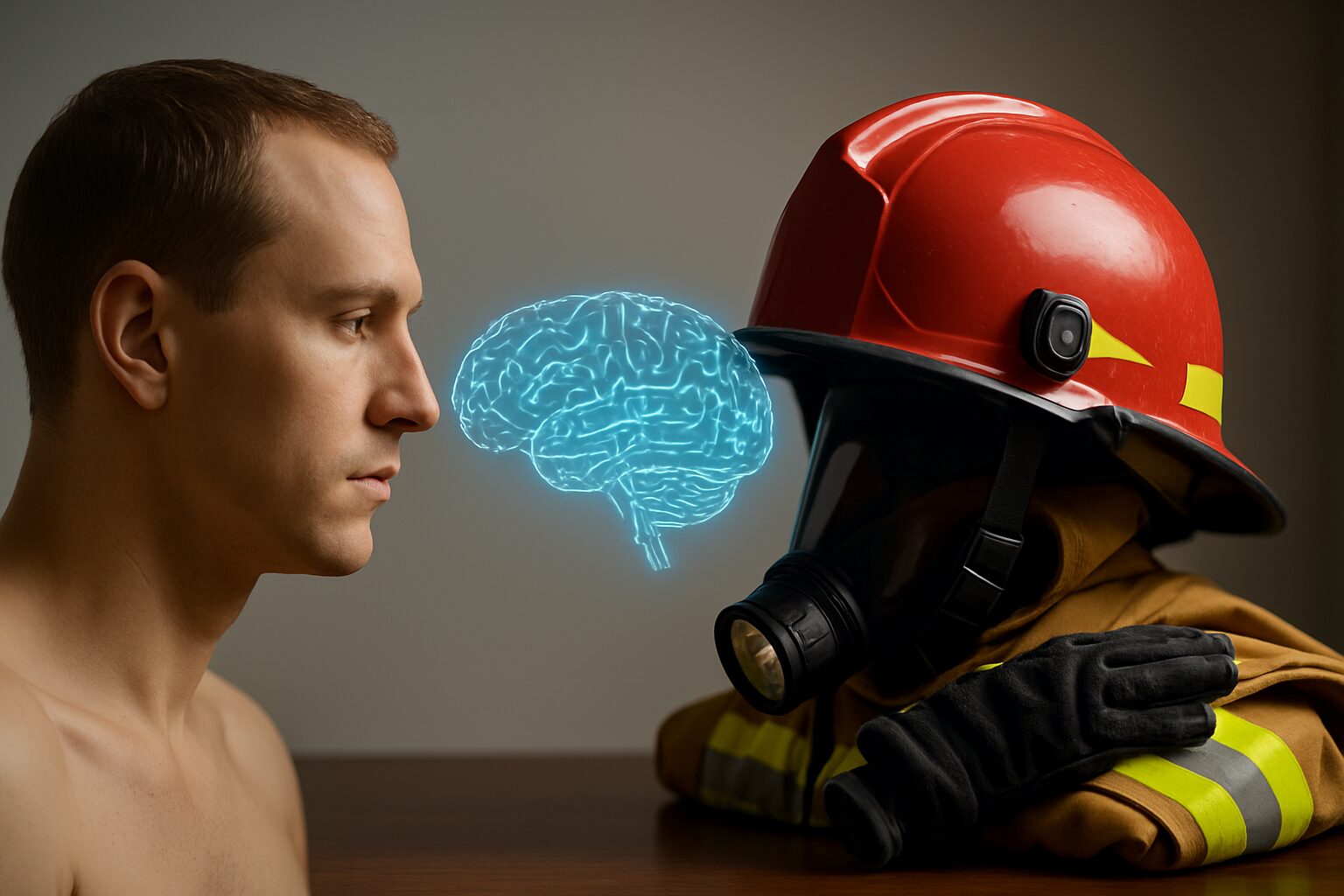
Revolutionizing Crisis Management: How Smart Tech Ensures Openness and Efficiency
AI is increasingly used in emergency response systems to assist with decision-making, resource allocation, and crisis prediction. However, the lack of transparency in how these systems operate raises ethical concerns about accountability and trust. When AI influences life-or-death situations, understanding its processes becomes critical to ensure safety and mitigate risks. This issue examines the balance between efficient emergency response and the need for clear, explainable AI systems.
Why It Matters - Real-world impact
The integration of AI into emergency response systems carries life-or-death consequences, making transparency a critical ethical concern. When AI prioritizes 911 calls, dispatches resources, or predicts disaster impacts, opaque algorithms risk misallocating aid, disproportionately harming vulnerable communities, or delaying responses due to biased training data. First responders, marginalized populations, and anyone relying on emergency services are directly affected by these systems. Without accountability, errors or biases in AI could erode public trust in critical services during crises. Regular people should care because these systems—often invisible until failure—shape who receives help and when, with lasting societal repercussions.
Ethical Concerns - What’s wrong or risky?
AI in Emergency Response: A Transparency Crisis
As AI systems become integral to emergency response, from dispatching ambulances to allocating disaster relief, the ethical stakes are immense. The lack of transparency in how these systems operate can obscure critical biases and decision-making flaws, raising profound moral concerns.
Key Ethical Risks
One major risk involves discrimination, where AI might prioritize emergencies in wealthier neighborhoods over marginalized communities due to biased training data. Similarly, issues of fairness arise if algorithms inconsistently apply triage protocols, leading to unequal access to urgent care.
Transparency itself is a core concern; when AI models are "black boxes," it becomes nearly impossible to audit decisions or hold anyone accountable for errors. This links directly to transparency deficits, eroding public trust and complicating regulatory oversight.
Other risks include potential economic impact, such as diverting public funds from human responders to costly, unproven AI systems, and threats to worker rights if AI oversight undermines the autonomy and expertise of first responders.
Differing Perspectives
Proponents argue that AI can enhance response times and resource allocation, saving more lives overall, even if imperfect. Critics caution that without rigorous transparency and fairness safeguards, these systems risk perpetuating systemic inequities and reducing accountability in life-or-death situations.
Solutions - What’s being done or proposed?
Mandatory Transparency Laws for AI Systems
Some governments and advocacy groups have proposed or enacted laws requiring AI systems used in emergency response to disclose their decision-making processes. These laws often mandate that developers provide clear documentation on how the AI operates, including data sources, algorithms, and potential biases. For example, the EU's AI Act includes provisions for high-risk AI systems, which would cover many emergency response applications, to ensure transparency and accountability.
Open-Source AI Frameworks for Emergency Systems
Technical experts have suggested using open-source AI frameworks for emergency response to improve transparency. By making the code publicly accessible, independent researchers and the public can audit the system for biases, errors, or inefficiencies. Projects like OpenAI's efforts to release certain models have inspired similar approaches in emergency AI, though challenges remain in balancing transparency with security and proprietary concerns.
Independent Oversight Committees
Institutional solutions include forming independent oversight committees to monitor AI systems in emergency response. These committees, composed of ethicists, technologists, and community representatives, would review AI decisions, investigate complaints, and recommend improvements. For instance, some cities have experimented with civilian oversight boards for predictive policing algorithms, a model that could be adapted for emergency AI systems.
Public Participation in AI Design
Social solutions emphasize involving the public in the design and deployment of emergency AI systems. Town halls, surveys, and participatory design workshops allow community members to voice concerns and preferences. This approach ensures the AI aligns with public values and needs, as seen in some community-driven disaster response initiatives where locals help shape the technology used in crises.
Real-Time Decision Logging and Explainability Tools
Technical teams have developed real-time logging and explainability tools to make AI decisions more transparent during emergencies. These tools record the AI's reasoning process and provide human-readable explanations for its actions. For example, some emergency dispatch systems now include features that explain why certain resources are allocated to specific incidents, helping operators and responders trust and verify the AI's recommendations.
Ethical AI Certification Programs
Professional and academic institutions have proposed certification programs for ethical AI in emergency response. These programs would set standards for transparency, fairness, and accountability, with systems needing to meet these criteria before deployment. Similar to how medical devices undergo rigorous testing, emergency AI systems could be certified by recognized bodies to ensure they meet ethical and operational benchmarks.
Examples and Real Cases
COMPAS Algorithm in US Courts
In 2016, the COMPAS algorithm used by US courts to assess the risk of recidivism was found to be biased against African American defendants. A ProPublica investigation revealed that the algorithm falsely labeled Black defendants as future criminals at twice the rate of white defendants, raising concerns about transparency and fairness in AI-driven judicial decisions.
Flood Risk Prediction in Houston (Hypothetical)
In a hypothetical scenario, an AI system used by Houston's emergency services in 2023 disproportionately directed flood rescue resources to affluent neighborhoods due to biased training data. The lack of transparency in the algorithm's decision-making process delayed aid to marginalized communities, exacerbating the crisis.
COVID-19 Vaccine Distribution in the UK
During the UK's COVID-19 vaccine rollout in early 2021, an AI system prioritized neighborhoods based on health data but failed to account for transportation barriers in low-income areas. The lack of transparency in the algorithm's criteria led to delays in vaccine access for vulnerable populations.
Wildfire Evacuation Routes in California
In 2020, California's AI-powered wildfire evacuation system routed residents through paths that were already congested or unsafe due to a lack of real-time data integration. The opaque nature of the algorithm's decision-making process hindered emergency responders' ability to override flawed recommendations.
Ambulance Dispatch in New York (Hypothetical)
In a realistic hypothetical case, a New York City ambulance dispatch AI in 2022 prioritized calls based on historical response times, inadvertently deprioritizing underserved neighborhoods with historically slower emergency services. The algorithm's lack of explainability delayed critical medical care for these communities.
Frequently Asked Questions
What is AI in emergency response systems?
AI in emergency response systems refers to the use of artificial intelligence technologies like machine learning and data analysis to improve how emergencies are detected, managed, and responded to. It helps predict disasters, optimize resource allocation, and provide real-time guidance during crises.
Why is transparency important in AI emergency systems?
Transparency is crucial because it ensures that decisions made by AI systems are understandable and accountable. In emergencies, people need to trust the system's recommendations (e.g., evacuation routes or alerts), and transparency helps prevent biases or errors that could put lives at risk.
How does AI improve safety in emergency situations?
AI improves safety by analyzing vast amounts of data quickly, such as weather patterns or traffic conditions, to predict risks and suggest faster, more accurate responses. For example, it can identify the best evacuation routes or prioritize rescue efforts based on real-time data.
What are the risks of using AI in emergency response?
Risks include reliance on inaccurate data, algorithmic biases that may favor certain groups, or system failures during critical moments. Without proper oversight, these issues could delay responses or worsen outcomes, highlighting the need for human oversight and testing.
Can AI in emergency systems be trusted?
AI can be trusted if it is developed with transparency, tested rigorously, and regularly audited. Public trust also depends on clear communication about how the AI works and failsafes to ensure human experts can override decisions when needed.