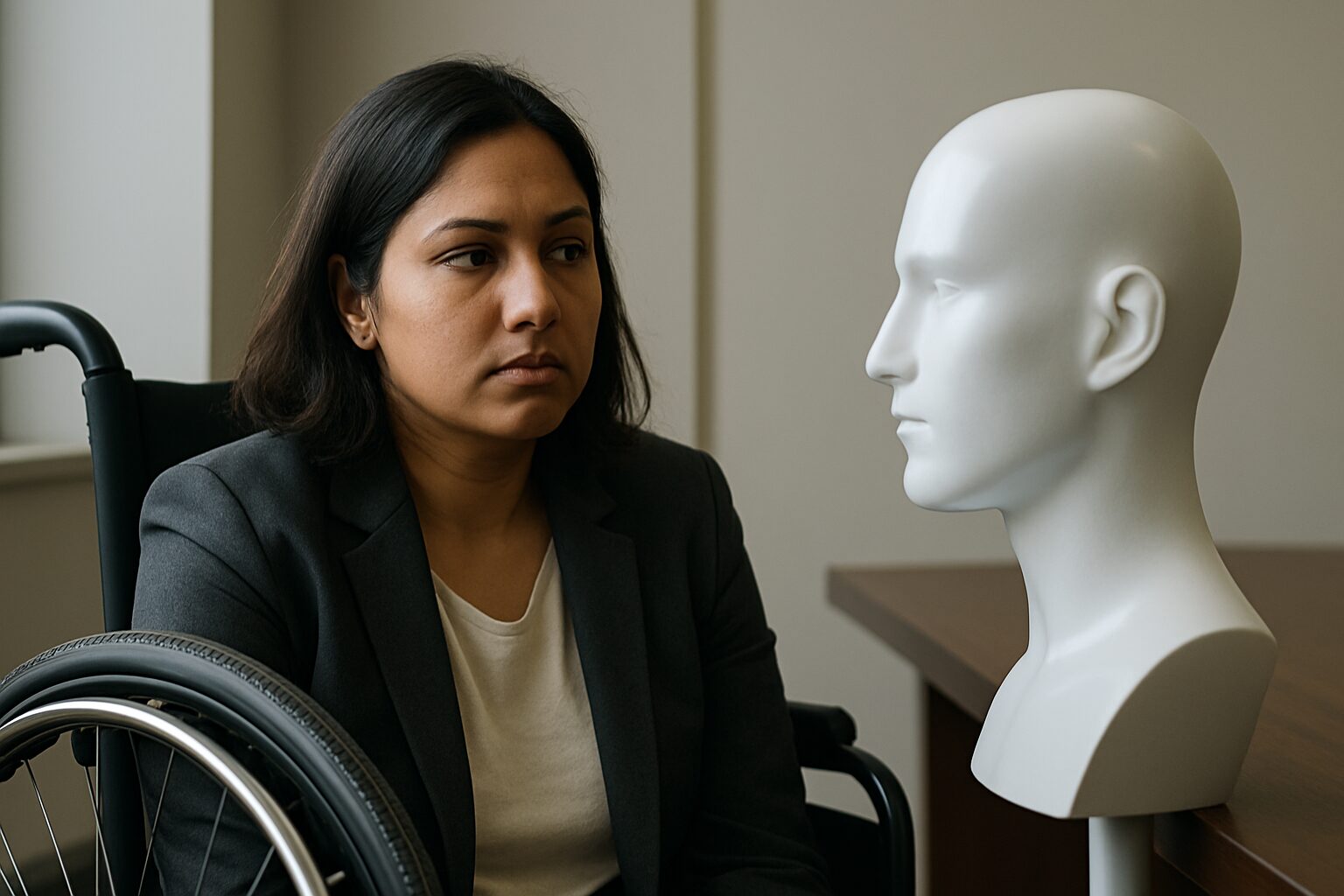
Bias in AI Voices: Legal Challenges and Gender Inequality in Tech
AI voice assistants, such as those in smartphones and smart speakers, are predominantly designed with female-sounding voices by default. This raises ethical concerns about reinforcing gender stereotypes and the potential for bias in human-machine interactions. Legal frameworks have yet to fully address whether such design choices constitute discrimination or require regulation to ensure fairness in AI development and deployment.
Why It Matters - Real-world impact
The gender disparities in AI voice assistants have real-world consequences, reinforcing harmful stereotypes and perpetuating systemic biases. By defaulting to female-sounding voices for subservient roles (e.g., assistants, customer service bots), these technologies condition users to associate femininity with compliance and availability, while male voices are often reserved for authority figures. This affects everyone—women face diminished professional perceptions, men encounter reinforced expectations of dominance, and nonbinary individuals are further marginalized by binary voice options. Worse, these design choices influence children's perceptions of gender roles from an early age. If left unchecked, such biases in AI could deepen societal inequities, making it critical for users to demand more ethical, inclusive designs from tech companies.
Ethical Concerns - What’s wrong or risky?
Gender Disparities in AI Voice Assistants and Legal Implications
AI voice assistants, such as Siri, Alexa, and Google Assistant, are predominantly designed with female-sounding voices, raising significant ethical concerns. This design choice perpetuates and reinforces gender stereotypes, associating servitude and submissiveness with femininity. Such biases can normalize discriminatory attitudes in society and influence how users, especially children, perceive gender roles.
Fairness and Representation
The lack of diversity in voice options fails to represent all users fairly. By defaulting to female voices, developers overlook the importance of inclusive design, which should cater to varied user preferences and cultural contexts. This raises issues of fairness, as it marginalizes non-female and non-binary identities, limiting equitable access and representation in technology.
Discrimination and Societal Harm
Persistent use of gendered voices can contribute to systemic discrimination, subtly embedding biased norms into everyday interactions. For example, when voice assistants respond obligingly to abusive or derogatory commands, it implicitly condones such behavior toward real women, exacerbating societal inequalities.
Transparency in Design Choices
Many companies do not transparently disclose the reasoning behind gender-based voice assignments, obscuring potential biases in their design processes. A lack of transparency makes it difficult to hold developers accountable and to ensure that ethical considerations, such as avoiding harmful stereotypes, are prioritized during development.
Economic and Labor Implications
The reinforcement of gender roles through technology may also have broader economic repercussions. By associating certain traits—like helpfulness or emotional labor—with femininity, these systems could indirectly affect economic opportunities and valuations of care work, which is historically undercompensated and gendered.
Alternative Perspectives
Not all stakeholders view this issue uniformly. Some argue that female voices are simply preferred by users due to perceived warmth and clarity, suggesting market demand rather than intentional bias drives these choices. Others contend that focusing on voice gender detracts from more pressing technical or functional improvements in AI.
Legal and Regulatory Considerations
From a legal standpoint, existing anti-discrimination laws may not directly address AI voice gender disparities, creating a regulatory gap. However, as these technologies become more integrated into daily life, lawmakers might need to consider guidelines that enforce diversity and prohibit reinforcing harmful stereotypes, similar to protections in other media forms.
Solutions - What’s being done or proposed?
Implementing Gender-Neutral Voice Options
One technical solution proposed is the development and default use of gender-neutral voice assistants. Companies like Google and Microsoft have experimented with less gendered voices, offering users a range of options that do not conform to traditional gender binaries. This approach aims to reduce stereotyping and provide more inclusive user experiences.
Legal Regulations on Gender Representation
Some advocates have called for legal measures to mandate balanced gender representation in AI voice assistants. This could involve laws requiring companies to offer an equal number of male, female, and gender-neutral voices, or to avoid defaulting to female voices for subservient roles. Such regulations would aim to address systemic biases at a structural level.
Public Awareness Campaigns
Social solutions include launching public awareness campaigns to highlight the ethical implications of gendered AI voices. These campaigns could educate users and developers about the reinforcement of stereotypes and encourage demand for more diverse and equitable AI representations. Public pressure has historically driven corporate changes in other sectors.
Diversity in AI Development Teams
Institutional changes, such as increasing diversity within AI development teams, have been suggested to mitigate gender biases. By including more women and non-binary individuals in the design and decision-making processes, companies may be more likely to create products that reflect a broader range of perspectives and avoid perpetuating stereotypes.
Ethical Guidelines for AI Development
Professional organizations and academic institutions have proposed ethical guidelines specifically addressing gender bias in AI. These guidelines would provide frameworks for developers to evaluate and mitigate biases during the creation of voice assistants, promoting fairness and inclusivity from the outset of product development.
User Customization and Control
Another technical solution is enhancing user customization, allowing individuals to tailor voice assistants to their preferences without defaulting to gendered options. This could involve advanced voice modulation tools or the ability to upload custom voices, giving users greater control and reducing reliance on stereotypical representations.
Examples and Real Cases
UNESCO's 2019 Report on Gender Bias in AI Assistants
In 2019, UNESCO published a report titled 'I'd Blush If I Could,' highlighting how AI voice assistants like Apple's Siri, Amazon's Alexa, and Microsoft's Cortana were programmed with predominantly female voices and submissive responses. The report criticized how these assistants reinforced gender stereotypes by responding politely even to sexual harassment.
Q, the First Genderless Voice Assistant (2019)
In response to gender bias concerns, Copenhagen Pride, Virtue, and EqualAI launched 'Q' in 2019, the first gender-neutral voice assistant. Designed to challenge the default female-gendered AI voices, Q was created using recordings from non-binary individuals to avoid reinforcing stereotypes.
EU's Proposed AI Act Addressing Gender Bias (2021)
The European Union's proposed AI Act (2021) included provisions to mitigate gender bias in AI systems, including voice assistants. While not yet law, it highlighted concerns about AI perpetuating harmful stereotypes, pushing companies to reconsider default female voices and passive responses.
Hypothetical: Legal Challenge Against Gendered AI in Hiring Tools
A hypothetical scenario could involve a company using a female-voiced AI assistant in recruitment software, leading to discrimination claims. If candidates perceived the AI as favoring traditionally 'feminine' traits, a lawsuit might argue the tool reinforced biased workplace norms.
Frequently Asked Questions
What are gender disparities in AI voice assistants?
Gender disparities in AI voice assistants refer to the tendency for most virtual assistants (like Siri, Alexa, or Google Assistant) to have default female voices, reinforcing stereotypes that women are more helpful or subservient, while male voices are often used for authoritative roles.
Why is gender bias in AI voice assistants a legal concern?
Gender bias in AI voice assistants can perpetuate harmful stereotypes, which may lead to discrimination or unequal treatment in society. Laws and regulations around fairness and non-discrimination in AI are being discussed to ensure technology does not reinforce biases.
How does gender bias in AI affect people today?
Gender bias in AI voice assistants can shape societal perceptions by reinforcing outdated gender roles. For example, people may unconsciously associate women with service roles and men with leadership, which can influence hiring, promotions, and everyday interactions.
What can we learn from gender disparities in AI voice technology?
We can learn that AI reflects human biases present in data and design choices. Addressing these disparities helps create fairer technology that doesn't reinforce stereotypes, leading to more inclusive digital experiences.
Are there laws addressing gender bias in AI voice assistants?
While there are no specific laws yet, discussions are growing around AI fairness regulations. Some countries are exploring guidelines to prevent gender bias in AI, ensuring technology aligns with equality and anti-discrimination principles.