Breaking Barriers: How Tech Can Combat Bias for Inclusive Futures
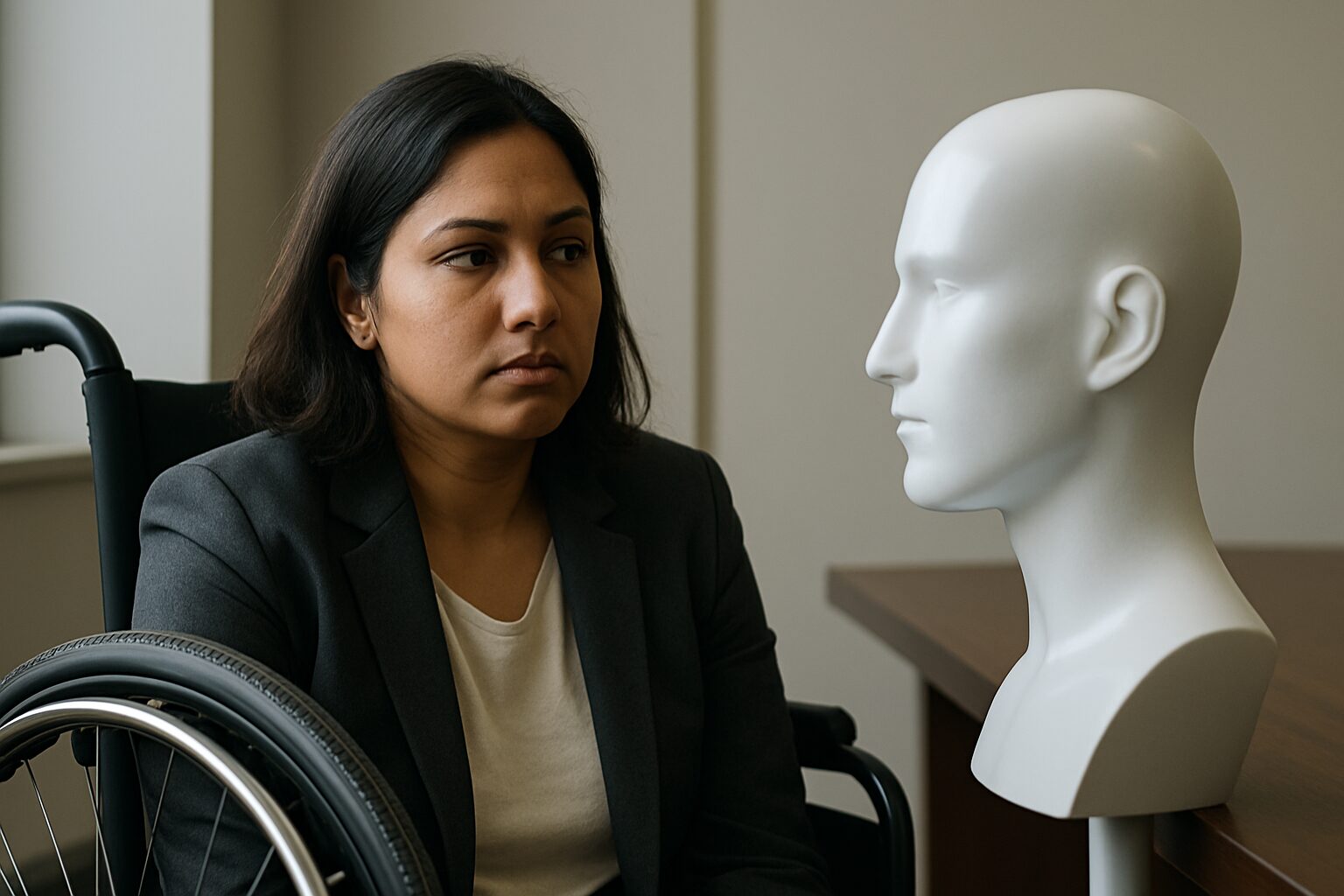
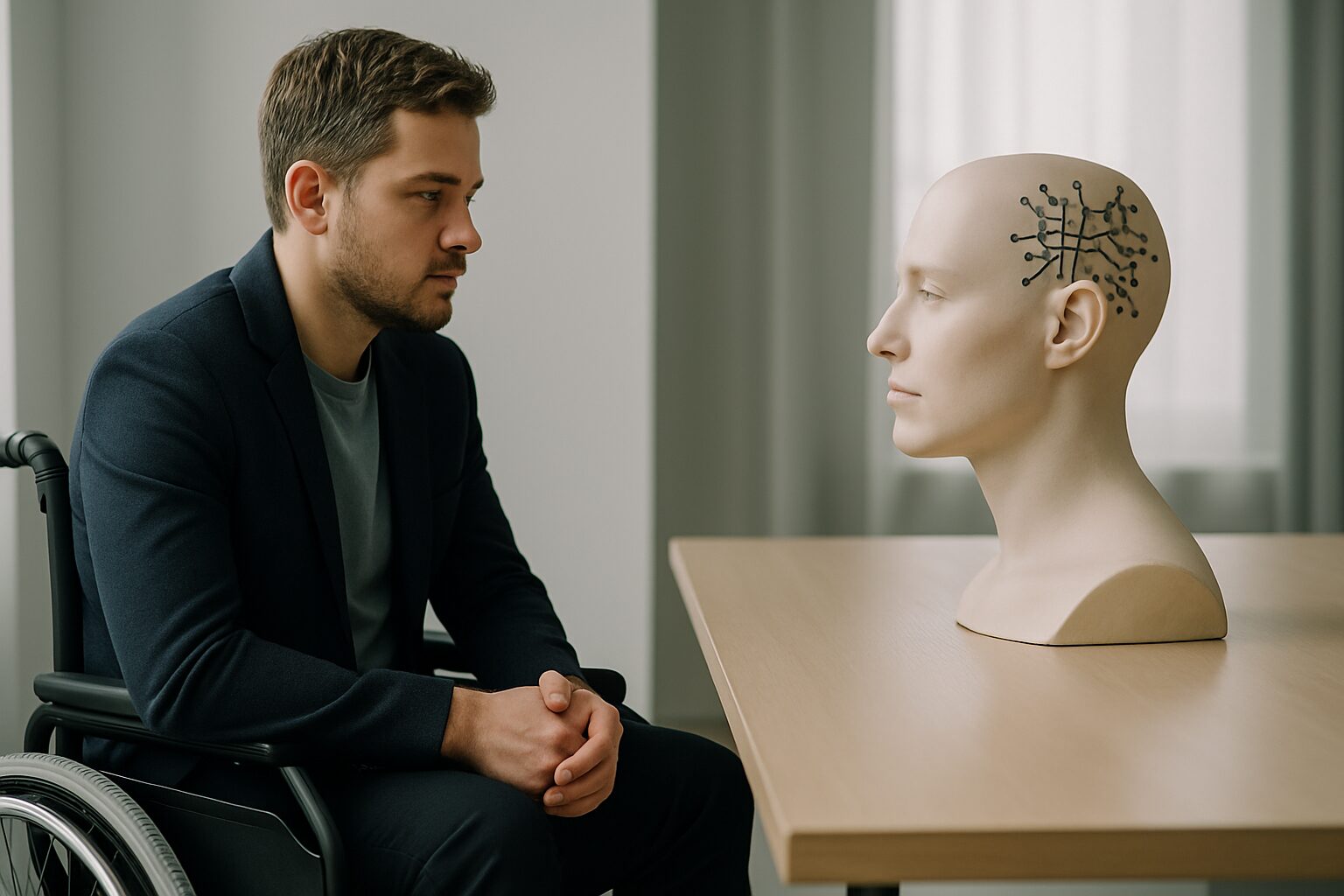
AI systems can unintentionally discriminate against people with disabilities if their design or training data fails to account for diverse needs. This may occur when algorithms overlook assistive technologies, misinterpret atypical inputs, or rely on biased datasets that exclude disabled individuals. Such limitations can create barriers to access, employment, or services, reinforcing existing inequalities.
Why It Matters - Real-world impact
AI systems increasingly influence critical areas like hiring, healthcare, and accessibility services, making disability discrimination a pressing ethical concern. When AI models are trained on biased or incomplete data, they may overlook the needs of people with disabilities—for instance, by filtering out qualified job applicants who use assistive technologies or misdiagnosing conditions due to inaccessible medical datasets. This not only perpetuates systemic exclusion but also deepens societal inequities for an already marginalized group. Regular people should care because unchecked AI bias risks creating a world where technology, rather than bridging gaps, reinforces barriers for millions. The consequences—lost opportunities, inadequate care, or denied autonomy—are not abstract; they directly impact real lives and undermine collective progress toward inclusivity.
Ethical Concerns - What’s wrong or risky?
AI and Disability Discrimination: Unpacking Ethical Risks
Artificial intelligence systems, while promising efficiency and innovation, can inadvertently perpetuate or even exacerbate disability discrimination. This raises profound ethical questions that demand attention.
Fairness Concerns
AI algorithms may be trained on datasets that underrepresent people with disabilities, leading to biased outcomes. For instance, facial recognition systems often fail to accurately identify individuals with certain physical disabilities, denying them access to services. This violates principles of fairness, as the technology does not equitably serve all user groups.
Discrimination Risks
AI-driven hiring tools might screen out candidates with disabilities based on metrics that do not account for reasonable accommodations, effectively engaging in digital discrimination. This reinforces existing societal biases and marginalizes disabled individuals, highlighting critical discrimination issues that must be addressed through inclusive design and testing.
Transparency Issues
Many AI systems operate as "black boxes," making it difficult to understand how decisions affecting people with disabilities are made. Without transparency, it is challenging to identify and rectify discriminatory patterns, leaving affected individuals without recourse or explanation.
Economic and Employment Impacts
AI automation could disproportionately affect job sectors where people with disabilities are employed, risking increased economic vulnerability. While some argue AI creates new opportunities, others worry about significant job loss and broader economic impact without adequate safeguards and retraining programs.
Worker Rights Considerations
The deployment of AI in workplaces may monitor productivity in ways that disadvantage employees with disabilities, who might require flexible arrangements. Protecting worker rights involves ensuring that AI tools support, rather than undermine, equitable treatment and reasonable accommodations.
Differing Perspectives
Not all stakeholders view these risks uniformly. Some technologists argue that AI can be a great equalizer if designed inclusively, pointing to assistive technologies as examples. Critics, however, emphasize that without proactive measures, AI is more likely to entrench existing inequalities. Disability advocates stress the need for co-design with disabled communities, while businesses may prioritize cost and efficiency, leading to tensions in ethical priorities.
Solutions - What’s being done or proposed?
Inclusive Design and Development Practices
One approach to mitigating AI-driven disability discrimination is incorporating inclusive design principles from the outset. This involves actively engaging people with disabilities in the development process, conducting accessibility audits, and testing AI systems with diverse user groups. Companies like Microsoft have pioneered inclusive design frameworks that prioritize accessibility features and consider a wide range of human abilities. Technical teams are also adopting WCAG (Web Content Accessibility Guidelines) standards for AI interfaces and ensuring datasets include representative samples of people with disabilities.
Legal Frameworks and Policy Interventions
Governments and regulatory bodies are beginning to address AI disability discrimination through legislation. The European Union's proposed AI Act includes provisions to classify high-risk AI systems that could harm fundamental rights, including those affecting people with disabilities. In the US, advocates are pushing for updates to the Americans with Disabilities Act (ADA) to explicitly cover algorithmic discrimination. Some jurisdictions now require accessibility impact assessments for AI systems used in critical areas like employment, healthcare, and public services.
Bias Detection and Mitigation Tools
Researchers are developing specialized tools to detect and correct disability-related biases in AI systems. These include fairness metrics that specifically measure performance disparities for users with disabilities, and algorithmic auditing frameworks that examine how systems respond to assistive technologies. Some organizations now employ 'bias bounty' programs where ethical hackers identify accessibility flaws. Techniques like adversarial debiasing and synthetic data generation are being used to improve representation in training datasets without compromising privacy.
Accessibility Certification Programs
Industry groups and disability organizations are creating certification programs for AI accessibility. Similar to LEED certification in architecture, these programs set standards for how AI products should serve users with different disabilities. Companies can earn certifications by demonstrating their systems work effectively with screen readers, voice control systems, and other assistive technologies. Some procurement processes now prioritize certified AI solutions, creating market incentives for accessibility.
Disability Awareness Training for AI Teams
Many organizations are implementing mandatory disability awareness training for AI developers and product teams. These programs educate technical staff about various disabilities, assistive technologies, and the lived experiences of disabled users. Some companies have established partnerships with disability advocacy groups to provide ongoing consultation. Training often includes practical exercises where developers use their products with accessibility features enabled, such as navigating interfaces with screen readers or voice commands.
Transparency and User Control Mechanisms
To empower users with disabilities, some AI systems now incorporate transparency features that explain how decisions affecting them are made. This includes clear documentation of accessibility features, options to adjust algorithmic behavior, and straightforward ways to appeal automated decisions. For example, some hiring platforms allow candidates to disclose disabilities and request human review of AI assessments. User-controlled preference centers let individuals customize how AI interacts with their assistive technologies.
Examples and Real Cases
Facial Recognition Fails to Recognize People with Down Syndrome
In 2019, researchers found that facial recognition systems from major tech companies like IBM and Microsoft had error rates up to 34.7% for people with Down Syndrome, compared to just 0.8% for those without disabilities. This disparity was highlighted in a study by the University of Cambridge, showing how AI can exclude individuals with certain disabilities.
AI Hiring Tools Discriminate Against Applicants with Disabilities
In 2018, Reuters reported that Amazon scrapped an AI recruiting tool after discovering it discriminated against candidates with disabilities. The system downgraded resumes that mentioned terms like 'disabled veterans' or 'DEAF,' effectively filtering out qualified applicants with disabilities.
Voice Assistants Struggle with Speech Impairments
A 2020 study by the University of Washington found that voice assistants like Siri and Alexa misunderstood people with speech impairments 35% more often than those without. This creates barriers for users who rely on these tools for accessibility.
Hypothetical: Autonomous Vehicles Fail to Accommodate Wheelchair Users
If self-driving cars are designed without considering wheelchair accessibility, they could exclude disabled passengers. For example, a hypothetical AI-driven ride-hailing service might not account for ramps or securement systems, leaving wheelchair users without reliable transportation options.
AI-Powered Credit Scoring Biases Against Mental Health Conditions
In 2021, a report by the Brookings Institution warned that AI credit scoring systems might unfairly penalize applicants with mental health conditions. For instance, erratic spending patterns linked to bipolar disorder could be misclassified as financial irresponsibility by algorithms.
Frequently Asked Questions
What is AI disability discrimination?
AI disability discrimination occurs when artificial intelligence systems unfairly treat people with disabilities, often due to biased data or design that doesn't account for diverse needs. This can happen in areas like hiring algorithms, facial recognition, or accessibility tools.
Why is fairness in AI important for people with disabilities?
Fair AI is crucial for people with disabilities because biased systems can create barriers in employment, healthcare, and daily life. Without proper design, AI might exclude or disadvantage disabled individuals instead of helping them.
How can AI be biased against people with disabilities?
AI can be biased against disabilities by: 1) Not including enough disability data in training, 2) Failing to recognize diverse physical/cognitive differences, 3) Making assumptions based on 'typical' abilities, and 4) Not being tested with disabled users during development.
What are some real-world examples of AI disability discrimination?
Examples include: job application algorithms rejecting resumes that mention disability accommodations, facial recognition failing to identify people with facial differences, and voice assistants not understanding speech patterns of people with certain disabilities.
How can we make AI more inclusive for people with disabilities?
We can improve AI by: 1) Including diverse disability data in training sets, 2) Involving disabled people in development, 3) Testing for accessibility, 4) Creating flexible systems that adapt to different needs, and 5) Regularly auditing for bias.