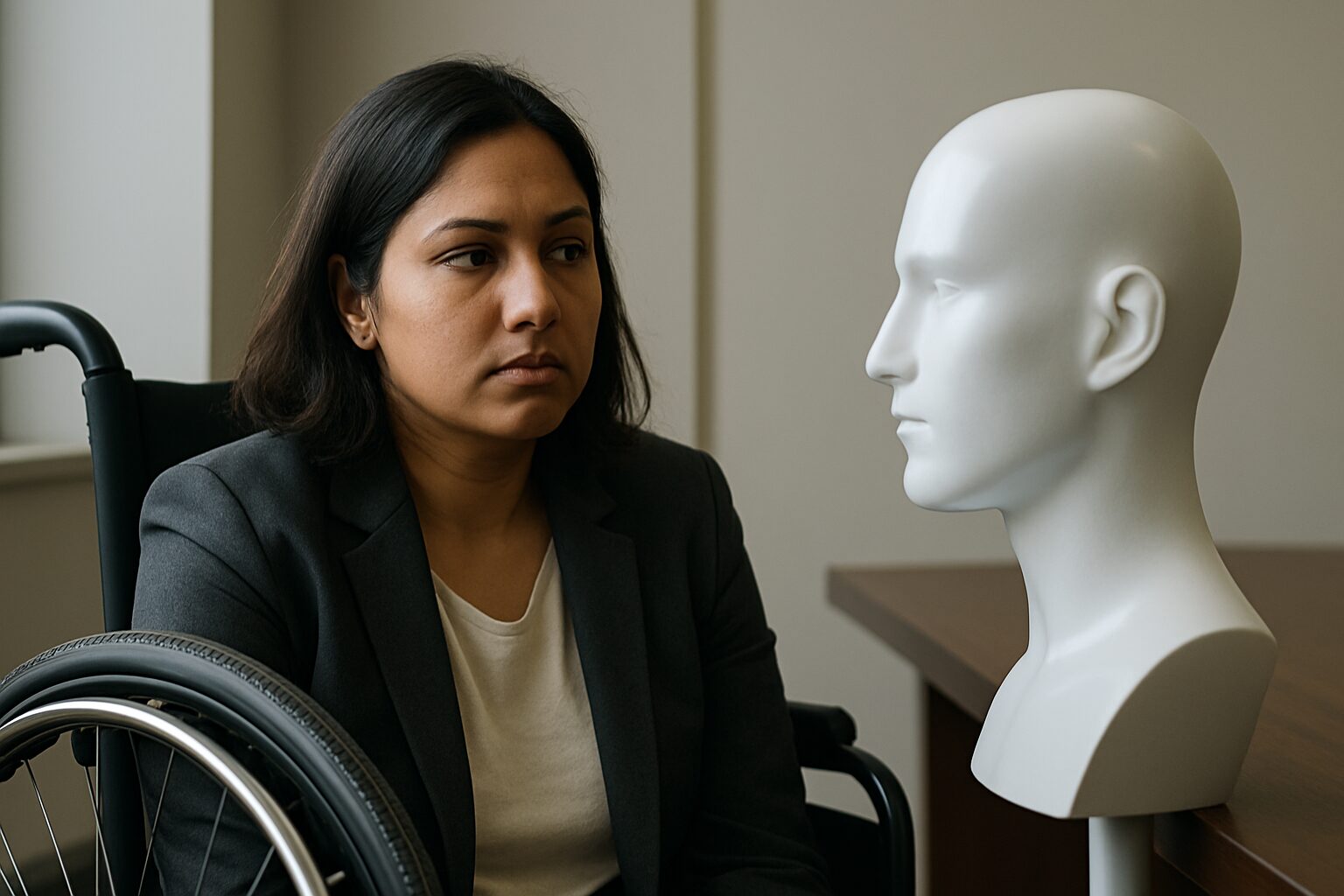
How AI Can Unintentionally Exclude People With Disabilities
AI systems can unintentionally discriminate against people with disabilities due to biased data, design choices, or lack of accessibility considerations. This occurs when algorithms fail to account for diverse needs, leading to exclusion or unfair treatment in areas like hiring, healthcare, or access to services. The issue raises ethical concerns about equity and the responsibility of developers to mitigate such biases.
Why It Matters - Real-world impact
AI-driven systems increasingly influence critical aspects of life, from hiring decisions to healthcare access, yet many fail to account for disabilities, exacerbating existing inequalities. People with visual, auditory, motor, or cognitive impairments may face exclusion when AI-powered tools—like resume screeners, diagnostic algorithms, or voice assistants—are trained on non-representative data or lack accessibility features. Misinterpretations, false denials of services, or inaccessible interfaces can have severe consequences, such as lost job opportunities or inadequate medical care. Beyond direct harm, unchecked bias perpetuates societal marginalization, reinforcing stereotypes that disabled individuals are "outliers" rather than valued participants. Regular people should care because these systems shape collective opportunities—what starts as a technical flaw can escalate into systemic discrimination, affecting us all as we age or encounter temporary disabilities. Addressing these biases isn't just ethical; it's a necessity for building equitable technology.
Ethical Concerns - What’s wrong or risky?
Understanding AI and Disability Discrimination
Artificial intelligence systems, while transformative, can perpetuate or even exacerbate disability discrimination. These systems often rely on datasets that underrepresent or misrepresent people with disabilities, leading to biased outcomes in critical areas like hiring, healthcare, and accessibility services.
Ethical Risks and Concerns
One primary concern is fairness, as AI may fail to equitably serve individuals with diverse abilities. For example, facial recognition software might not accurately identify people with certain physical disabilities, denying them access to secure systems or services.
This ties directly into issues of discrimination, where algorithmic decisions in areas like loan approvals or job applications systematically disadvantage people with disabilities, reinforcing existing societal biases.
Lack of transparency in how these AI models operate makes it difficult to identify and rectify discriminatory patterns, leaving affected individuals without recourse or understanding of why decisions were made against them.
Other moral concerns include privacy violations, as AI might infer sensitive health information without consent, and autonomy, where automated systems override individual choices or needs in the name of efficiency.
Differing Perspectives
Some argue that AI can reduce discrimination by removing human bias from decision-making, provided systems are carefully designed and audited. Others contend that without inclusive design and diverse data, AI will inevitably reflect and amplify the prejudices present in society.
There is also debate around responsibility: whether developers, companies, or regulators should bear the primary duty for preventing AI-driven disability discrimination, highlighting tensions between innovation and ethical safeguards.
Solutions - What’s being done or proposed?
Implementing Inclusive Design Principles
One approach to reducing AI-driven disability discrimination is incorporating inclusive design principles from the outset. This involves actively involving people with disabilities in the development process, ensuring datasets represent diverse abilities, and designing interfaces that accommodate various needs. Companies like Microsoft have pioneered this approach with tools like Seeing AI for the visually impaired and adaptive controllers for gamers with limited mobility.
Developing Bias Auditing Frameworks
Technical teams are creating specialized auditing frameworks to detect disability-related biases in AI systems. These tools analyze training data, model outputs, and decision patterns to identify where systems might disadvantage people with disabilities. The Algorithmic Justice League has developed open-source tools that help organizations audit their systems for various biases, including those affecting disabled communities.
Legal Protections and Compliance Standards
Governments are expanding existing anti-discrimination laws like the ADA to explicitly cover AI systems. Some jurisdictions now require accessibility impact assessments for AI deployments in hiring, healthcare, and public services. The European Union's proposed AI Act includes specific provisions regarding disability discrimination, potentially setting a global standard for compliance.
Disability-Focused AI Ethics Boards
Organizations are forming advisory boards composed of disability advocates and experts to review AI systems. These boards provide guidance during development and assess deployed systems for potential harms. For example, some major tech companies now include disability rights organizations in their AI ethics review processes, ensuring perspectives from the disabled community are represented.
Accessibility-First Certification Programs
Independent certification programs are emerging to evaluate and label AI systems that meet high accessibility standards. Similar to LEED certification in architecture, these programs would help consumers and businesses identify AI tools designed with disability inclusion in mind. The International Association of Accessibility Professionals has begun developing such standards for AI applications.
Improved Data Collection Practices
Addressing the root cause of many biases, researchers are developing ethical protocols for collecting disability-related data. This includes obtaining proper consent, ensuring representation across disability types, and creating anonymization techniques that preserve privacy while maintaining dataset usefulness. The Partnership on AI has published guidelines for inclusive data collection that many organizations are adopting.
Public Awareness Campaigns
Advocacy groups are running education initiatives to inform both developers and the public about AI disability discrimination. These campaigns highlight real-world cases, explain technical concepts in accessible ways, and provide resources for affected individuals. The AI Now Institute has produced accessible explainer materials specifically about how AI systems can impact people with disabilities.
Examples and Real Cases
Facial Recognition Fails to Recognize Disabled Faces
In 2019, researchers at the University of Cambridge found that facial recognition systems had significantly higher error rates for people with Down syndrome. The study showed error rates up to 34% for individuals with Down syndrome compared to just 0.5% for non-disabled individuals.
AI Hiring Tools Discriminate Against Applicants with Disabilities
In 2022, the U.S. Equal Employment Opportunity Commission (EEOC) investigated a case where an AI hiring tool used by a major corporation automatically rejected applicants who disclosed disabilities. The tool was trained on data from past hires, which disproportionately excluded people with disabilities.
Voice Assistants Struggle with Speech Impairments
A 2020 study by the American Speech-Language-Hearing Association found that voice assistants like Siri and Alexa misunderstood people with speech impairments 70% more often than those without. This creates barriers for users who rely on these tools for accessibility.
Hypothetical: Autonomous Vehicles Unable to Accommodate Wheelchair Users
If an autonomous vehicle's AI system is not trained to recognize or accommodate wheelchair users, it could lead to discrimination. For example, the vehicle might not stop for someone using a wheelchair or fail to deploy a ramp, effectively excluding them from using the service.
AI-Powered Credit Scoring Biases Against Mental Health Conditions
In 2021, a UK-based disability rights group reported that some AI credit scoring systems unfairly penalized applicants with histories of mental health conditions. The algorithms associated certain conditions with higher risk, despite no evidence linking them to financial behavior.
Frequently Asked Questions
What is AI disability discrimination?
AI disability discrimination happens when artificial intelligence systems unfairly treat people with disabilities, often due to biased data or design that doesn't account for diverse needs.
Why is fairness in AI important for people with disabilities?
Fair AI ensures equal opportunities for people with disabilities in areas like hiring, healthcare, and services, preventing technology from creating new barriers instead of removing them.
How can AI be biased against people with disabilities?
AI can be biased if it's trained on data that excludes people with disabilities, or if it can't properly interpret assistive technologies like screen readers or speech patterns.
What are real-world examples of AI discriminating against disabilities?
Examples include job application systems rejecting resumes that mention disabilities, or facial recognition failing to identify people with certain physical characteristics.
How can we make AI more inclusive for people with disabilities?
By involving people with disabilities in development, using diverse training data, testing with assistive technologies, and following accessibility guidelines in AI design.