
How AI Shapes Our News Feeds: The Echo Chamber Effect Explained
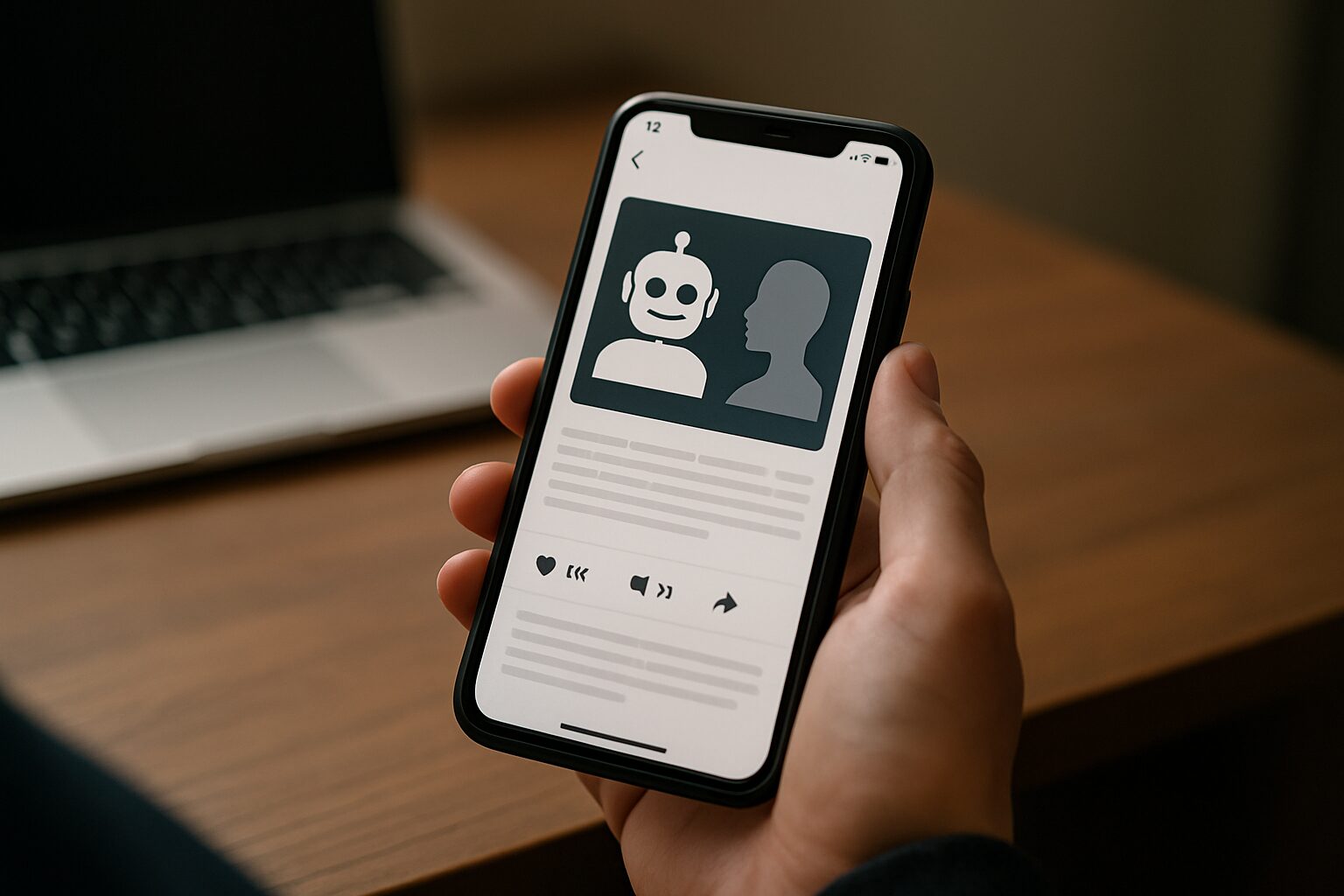
AI-curated news platforms use algorithms to personalize content based on user preferences, potentially reinforcing existing beliefs by filtering out opposing viewpoints. This selective exposure can contribute to the formation of echo chambers, where individuals are exposed only to information that aligns with their perspectives. The ethical concern arises when such systems amplify polarization or limit access to diverse viewpoints without transparency.
Why It Matters - Real-world impact
The issue of AI-curated news and echo chambers has profound real-world implications, affecting individuals, communities, and democratic societies at large. When algorithms prioritize engaging or divisive content, they can amplify polarization, reinforce biases, and limit exposure to diverse perspectives, leaving users isolated in ideological bubbles. This dynamic undermines informed public discourse, making it harder to address societal challenges collaboratively. Vulnerable groups, such as those already marginalized or prone to radicalization, are particularly at risk of manipulation. For regular people, this means a distorted perception of reality, eroded trust in institutions, and a fractured social fabric. The consequences—misinformation, societal division, and weakened democracy—are too significant to ignore.
Ethical Concerns - What’s wrong or risky?
The Ethical Landscape of AI-Curated News
AI-curated news platforms, while efficient, present significant ethical risks. One primary concern is the reinforcement of echo chambers, where algorithms prioritize content that aligns with users' existing beliefs, limiting exposure to diverse perspectives and polarizing public discourse.
Fairness in Content Distribution
Fairness is compromised when AI systems disproportionately amplify certain voices or topics, potentially marginalizing minority viewpoints or underreported issues. This can skew public awareness and debate, undermining democratic processes. More on this can be explored under Ethical Concerns: Fairness.
Discrimination Through Algorithmic Bias
If training data reflects societal biases, AI may discriminate by favoring news from or about certain demographics, exacerbating inequalities. This ties into broader issues detailed at Ethical Concerns: Discrimination.
Transparency and Accountability
The opacity of AI decision-making processes makes it difficult for users to understand why certain news is highlighted, reducing accountability and trust. Insights into this are available at Ethical Concerns: Transparency.
Economic and Social Ramifications
Beyond echo chambers, AI curation can impact media economics, potentially diverting revenue from traditional outlets and affecting jobs in journalism. Related economic issues are discussed at Ethical Concern: Economic Impact and Ethical Concerns: Job Loss.
Worker Rights in the AI Era
The shift toward automation in news curation raises concerns about the rights and roles of journalists and content moderators, as highlighted in Ethical Concerns: Worker Rights.
Differing Perspectives
Not all agree on the severity of these risks. Some argue that AI curation enhances personalization and efficiency, helping users manage information overload. Others believe that with robust ethical guidelines and algorithmic adjustments, these systems can mitigate harm and promote diverse content exposure.
Solutions - What’s being done or proposed?
Algorithmic Transparency Requirements
Some governments and organizations have proposed or implemented regulations requiring AI news curation algorithms to be more transparent. This includes disclosing key factors that influence content prioritization, such as user engagement metrics or political leanings. The goal is to allow users and auditors to understand how their news feeds are shaped, reducing hidden manipulation.
Diverse Source Promotion Features
Technical solutions have been developed to intentionally expose users to news from diverse perspectives. Some platforms now include 'opposing viewpoint' buttons or alternate news source suggestions alongside articles. These features aim to break echo chambers by algorithmically counterbalancing a user's typical consumption patterns with contrasting content.
Media Literacy Education Programs
Educational institutions and nonprofits have launched media literacy initiatives specifically addressing AI-curated content. These programs teach critical thinking skills for evaluating news sources, recognizing algorithmic bias, and understanding how personalization affects information diets. Some are being incorporated into school curricula and workplace training.
Independent Oversight Boards
Some social media platforms have established independent oversight boards to evaluate AI news curation practices. These boards, composed of journalists, ethicists and community representatives, review algorithms for fairness and potential societal harm. While limited in enforcement power, they provide external accountability and public reporting.
User-Controlled Personalization Settings
Several platforms now offer more granular user controls over news feed personalization. Users can adjust sliders for political leaning diversity, see why specific content was recommended, or temporarily disable algorithmic curation entirely. This shifts some agency back to users while maintaining personalization benefits for those who want them.
Cross-Platform Data Sharing Limitations
Legal measures like the EU's Digital Services Act limit how user data can be shared between platforms for ad targeting and content recommendation. By restricting the creation of comprehensive user profiles across services, these rules aim to prevent hyper-personalized echo chambers that follow users everywhere online.
Public Interest Algorithm Alternatives
Some researchers and media organizations have developed alternative recommendation algorithms that prioritize public interest factors over engagement metrics. These systems might surface content based on informational value rather than predicted clicks, though adoption remains limited due to typically lower user engagement rates.
Examples and Real Cases
Facebook's News Feed Algorithm (2016)
During the 2016 U.S. presidential election, Facebook's algorithm was found to prioritize sensational and divisive content, reinforcing users' existing beliefs. This created echo chambers where conservative users saw predominantly right-leaning news, while liberal users saw left-leaning content, deepening political polarization.
YouTube's Recommendation System (2018)
A 2018 study by Mozilla and the Guardian revealed that YouTube's recommendation algorithm often pushed users toward extremist content after they watched politically charged videos. For example, users who viewed anti-immigration content were frequently directed to far-right conspiracy theories, amplifying echo chambers.
Twitter's Trending Topics (2020)
In 2020, Twitter's trending algorithm was criticized for amplifying misleading or partisan news during the U.S. election. For instance, false claims about voter fraud trended prominently in conservative circles, while progressive users saw opposing narratives, reinforcing division.
Hypothetical: AI-Powered Local News Aggregation
Imagine a local news app using AI to curate stories based on user engagement. If the algorithm prioritizes crime reports in low-income neighborhoods, it could create a feedback loop where users perceive these areas as more dangerous than they are, skewing public perception and policy debates.
China's Douyin (TikTok) Curation (2021)
In 2021, researchers found that Douyin, China's version of TikTok, heavily curated news to align with government narratives. Users were funneled into pro-state content, while dissenting views were suppressed, creating a tightly controlled echo chamber.
Frequently Asked Questions
What is AI-curated news?
AI-curated news refers to news content that is selected, sorted, and sometimes even generated by artificial intelligence algorithms. These algorithms analyze user preferences, engagement patterns, and other data to deliver personalized news feeds, which can sometimes create echo chambers by reinforcing existing beliefs.
Why are echo chambers a problem in news consumption?
Echo chambers are problematic because they limit exposure to diverse perspectives, reinforcing existing biases and making it harder for people to consider alternative viewpoints. This can lead to polarization, misinformation, and a less informed public.
How does AI contribute to echo chambers?
AI contributes to echo chambers by using algorithms that prioritize content based on what users have previously engaged with. This creates a feedback loop where users only see news that aligns with their existing views, further isolating them from opposing or diverse opinions.
Can AI-curated news be manipulated?
Yes, AI-curated news can be manipulated. Bad actors can exploit algorithms by spreading sensational or misleading content designed to go viral, or by targeting specific groups with tailored misinformation to influence opinions or behaviors.
What can we do to avoid falling into an echo chamber?
To avoid echo chambers, actively seek out diverse news sources, follow accounts with differing viewpoints, and be mindful of how algorithms shape your feed. Critical thinking and fact-checking are also essential to ensure a well-rounded understanding of issues.