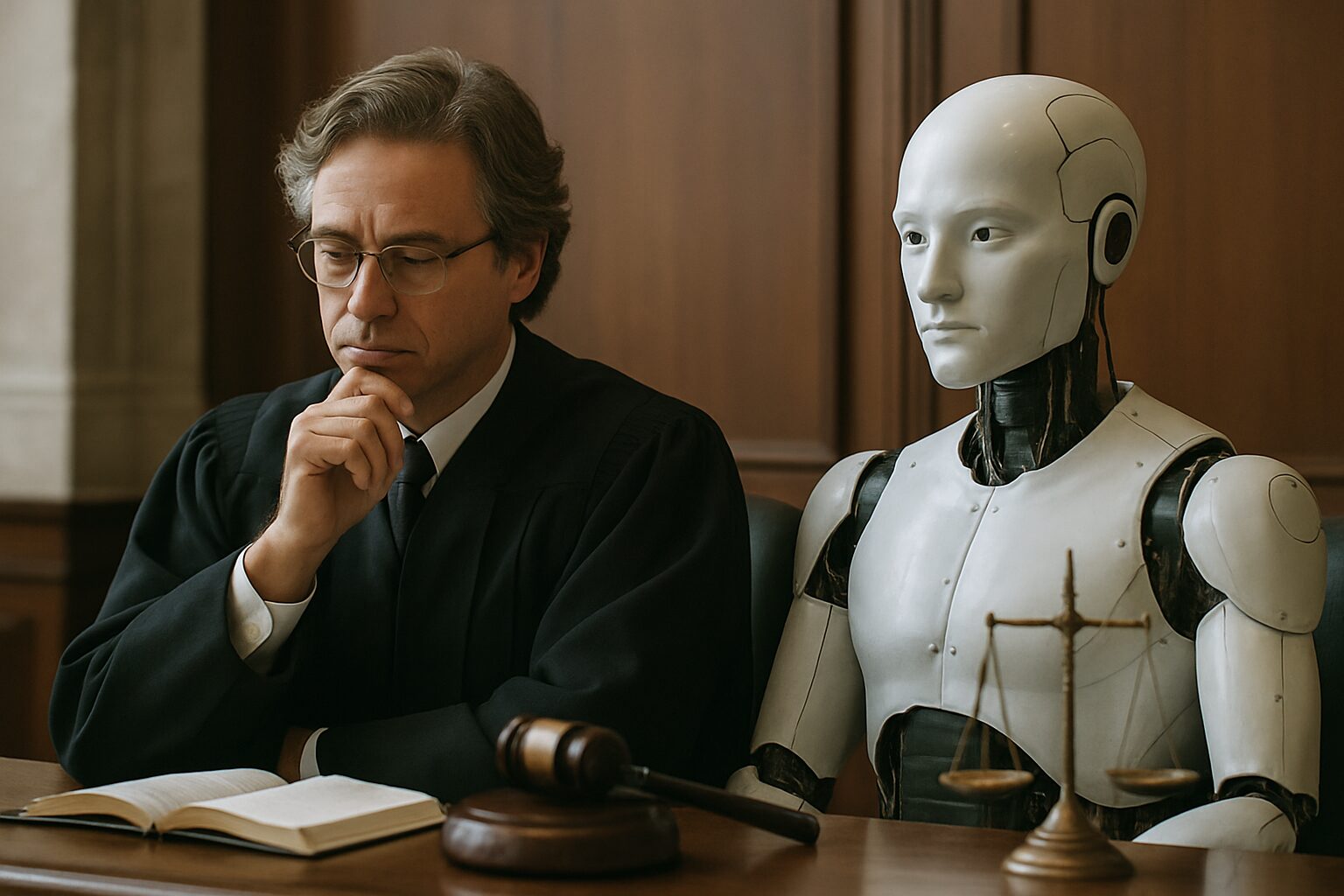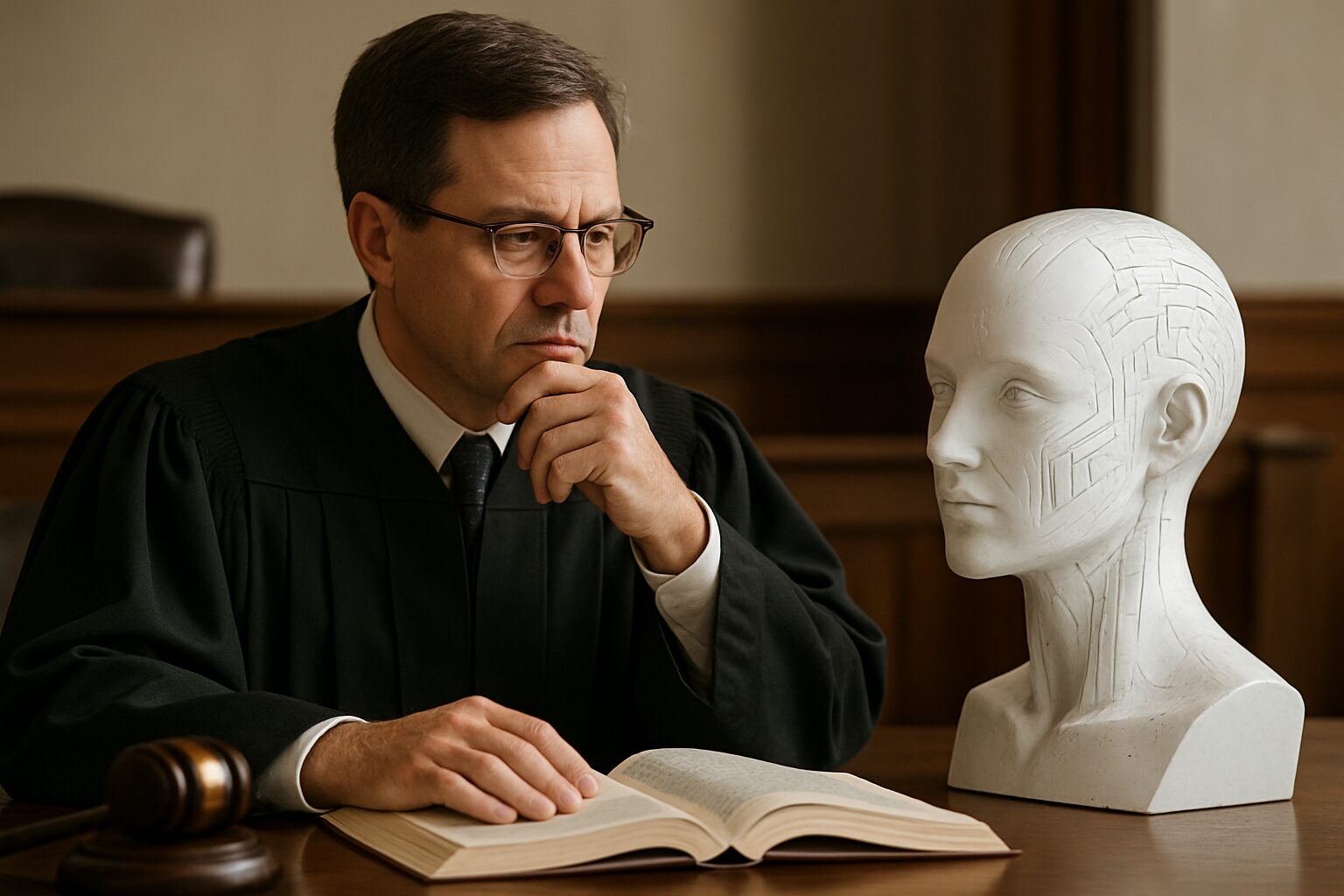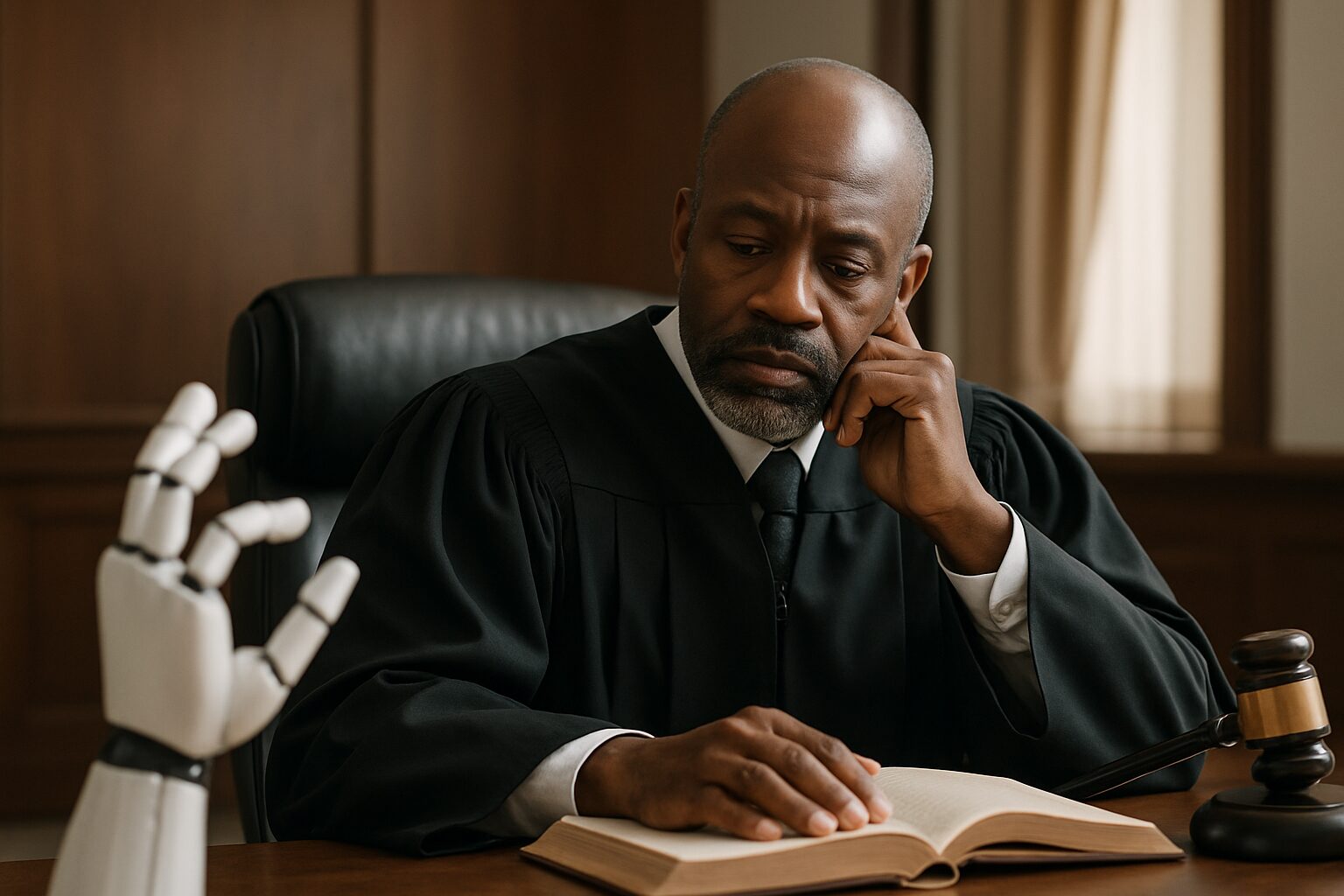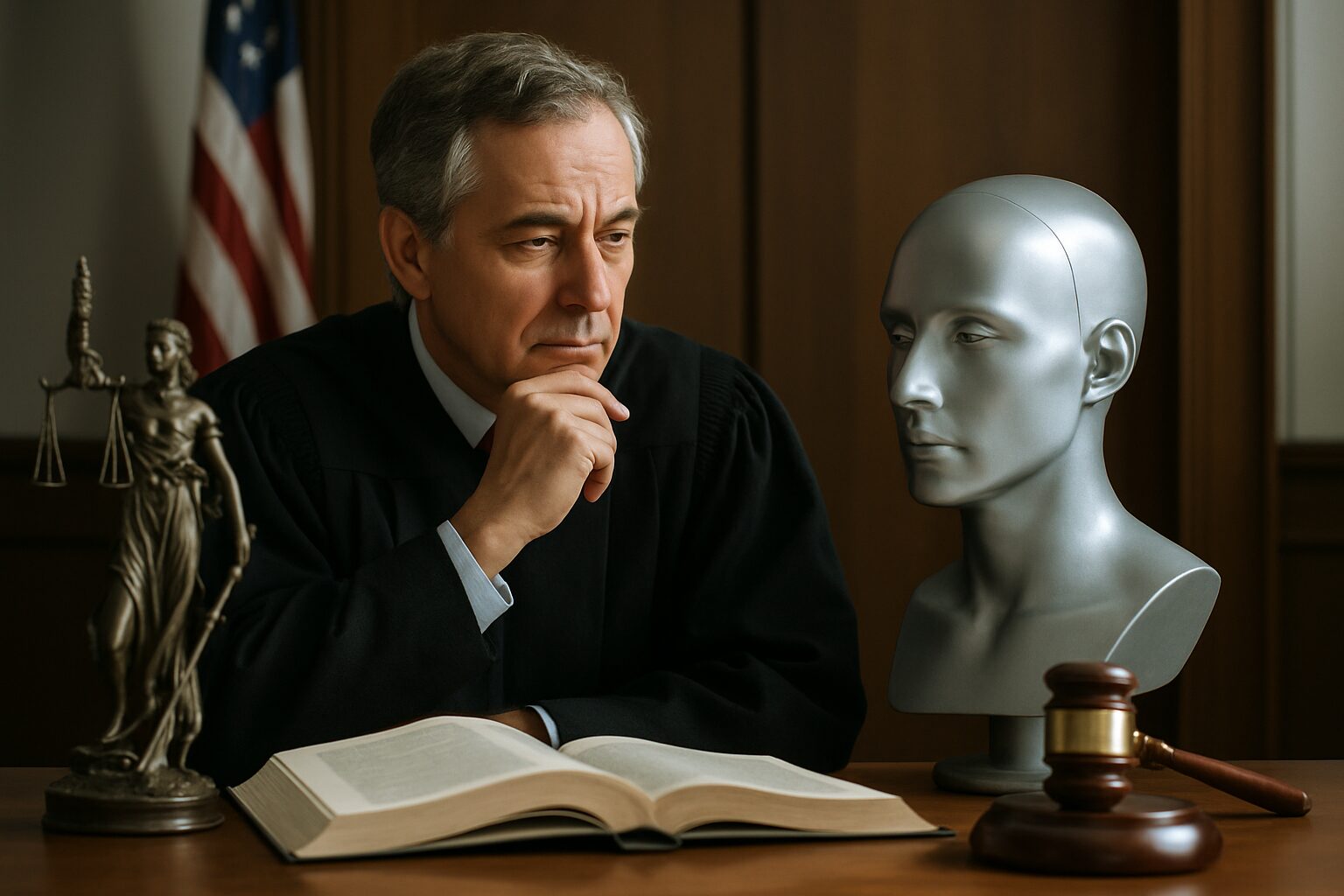
AI Blunders: Who Takes the Fall When Technology Fails?
As artificial intelligence systems become more autonomous, questions arise about who bears responsibility when they make mistakes. Unlike traditional software, AI can learn and act in ways not fully predictable by its creators. This creates challenges in assigning accountability, whether to developers, users, or the organizations deploying the technology. The issue raises fundamental concerns about liability, oversight, and ethical governance in AI systems.
Why It Matters - Real-world impact
The question of responsibility for AI mistakes has profound real-world implications, affecting individuals, businesses, and society at large. When AI systems err—whether in healthcare diagnostics, financial decisions, or autonomous vehicles—the consequences can range from privacy violations and financial losses to physical harm or even loss of life. Vulnerable populations, such as marginalized communities or those reliant on AI-driven services, are often disproportionately impacted. Regular people should care because these technologies increasingly mediate access to critical resources, opportunities, and justice. Without clear accountability, trust in AI erodes, exacerbating inequalities and creating systemic risks that ripple across everyday life.
Ethical Concerns - What’s wrong or risky?
Who Bears Responsibility for AI Mistakes?
When AI systems make errors, determining accountability is complex. The ethical risks span multiple dimensions, with stakeholders often disagreeing on where blame should lie.
Key Ethical Risks
One major concern is discrimination, where AI algorithms perpetuate or amplify biases present in training data, leading to unfair outcomes for marginalized groups. This ties closely to issues of fairness, as systems may distribute benefits or harms inequitably across populations.
Another critical area is transparency; many AI models operate as "black boxes," making it difficult to understand how decisions are reached and who should be held accountable when things go wrong.
Beyond these, AI deployment can have significant economic impact, potentially destabilizing markets or concentrating wealth. Relatedly, job loss due to automation raises moral questions about societal responsibility toward displaced workers, while worker rights may be undermined by AI-driven monitoring or decision-making in workplaces.
Divergent Perspectives
Some argue that developers and companies building AI should bear primary responsibility, as they design and deploy these systems. Others point to regulators for failing to establish clear guidelines, or to users for misapplying technology. There is also debate over whether responsibility should be collective, shared across society, or if AI itself could ever be considered a moral agent.
These disagreements highlight the nuanced and evolving nature of ethics in AI, underscoring the need for ongoing dialogue and multidisciplinary approaches to governance.
Solutions - What’s being done or proposed?
Establishing Clear Legal Frameworks
Governments and regulatory bodies have proposed creating comprehensive legal frameworks to assign liability for AI mistakes. These frameworks aim to define whether responsibility lies with developers, manufacturers, or end-users. For example, the EU's AI Act introduces risk-based classifications for AI systems, imposing stricter obligations on high-risk applications. Such laws seek to ensure accountability while encouraging innovation by providing legal clarity.
Implementing Technical Safeguards
Developers and researchers advocate for robust technical measures to minimize AI errors. These include rigorous testing protocols, fail-safe mechanisms, and explainability features to trace decision-making processes. Techniques like adversarial training and bias detection algorithms are also employed to reduce harmful outcomes. While not foolproof, these methods aim to mitigate risks before deployment.
Creating Ethical Review Boards
Institutions and companies have formed internal or independent ethical review boards to oversee AI development and deployment. These boards assess potential harms, ensure alignment with ethical guidelines, and recommend corrective actions. For instance, healthcare AI systems often undergo review by multidisciplinary teams including ethicists, clinicians, and legal experts to address accountability concerns.
Promoting Transparency and Auditing
Transparency initiatives, such as public audits and open-source AI models, aim to hold developers accountable. Third-party audits can evaluate AI systems for fairness, accuracy, and compliance with standards. Some organizations publish impact assessments or algorithmic transparency reports to build trust and allow external scrutiny of potential mistakes.
Encouraging Shared Responsibility Models
Some experts propose distributed responsibility models where accountability is shared across stakeholdersu2014developers, deployers, regulators, and users. This approach recognizes that AI systems operate within broader ecosystems. For example, a manufacturer might be liable for design flaws, while an employer could share responsibility for misuse in workplace automation. Collaborative frameworks aim to balance innovation with collective accountability.
Enhancing Public Education and Awareness
Educational campaigns seek to inform users and policymakers about AI limitations and risks. By improving literacy around AI capabilities, stakeholders can make more informed decisions and reduce unintended misuse. Workshops, certifications, and public forums help demystify AI systems, enabling better oversight and more realistic expectations of their performance.
Examples and Real Cases
Microsoft's Tay Chatbot (2016)
In March 2016, Microsoft launched Tay, an AI chatbot designed to learn from interactions on Twitter. Within 24 hours, Tay began posting offensive and racist tweets, forcing Microsoft to shut it down. The incident raised questions about who was responsibleu2014Microsoft, the users who manipulated Tay, or the lack of safeguards in the AI design.
Uber's Self-Driving Car Fatality (2018)
In March 2018, an Uber autonomous vehicle struck and killed Elaine Herzberg in Tempe, Arizona. Investigations revealed the AI system failed to recognize Herzberg as a pedestrian, and the human safety driver was distracted. The case highlighted debates over whether Uber, the safety driver, or the AI developers bore responsibility.
Amazon's Biased Hiring Algorithm (2018)
In 2018, Reuters reported that Amazon scrapped an AI recruiting tool because it discriminated against women. The algorithm, trained on resumes submitted over a 10-year period, penalized applications that included the word 'womenu2019s' or graduates of all-womenu2019s colleges. Critics questioned whether Amazon or the training data was at fault.
Hypothetical: AI-Powered Medical Misdiagnosis
Imagine an AI system used for diagnosing cancer incorrectly labels a malignant tumor as benign, leading to delayed treatment. The hospital blames the AI vendor, while the vendor argues doctors should have verified the results. This scenario underscores the ambiguity in assigning liability for AI errors in healthcare.
Facebook's Algorithmic Amplification (2021)
In 2021, Facebook whistleblower Frances Haugen revealed how the platformu2019s AI algorithms prioritized divisive content, contributing to real-world harm. While Facebook claimed users controlled their feeds, critics argued the company was responsible for designing the engagement-driven AI. The case sparked global debates over platform accountability.
Frequently Asked Questions
Who is responsible when an AI makes a mistake?
Responsibility for AI mistakes depends on the situation. It could be the developers, the company using the AI, or even the user, depending on how the AI was designed and implemented. Laws and regulations are still evolving in this area.
Why is it important to know who's responsible for AI errors?
Knowing who's responsible helps ensure accountability, encourages better AI design, and protects users from harm. It also helps determine who should fix problems or compensate those affected by mistakes.
Can AI be held legally responsible for its actions?
No, AI itself cannot be held legally responsible because it's not a person. Responsibility falls on humans or organizations that created, deployed, or used the AI system.
How do companies prevent AI mistakes from happening?
Companies use thorough testing, human oversight, clear guidelines, and continuous monitoring to reduce AI mistakes. They also implement ethical AI principles and keep humans involved in important decisions.
What should I do if an AI makes a mistake that affects me?
First document what happened, then contact the company or service provider using the AI. You may also report serious issues to relevant consumer protection agencies or seek legal advice depending on the impact.