The Blame Game: Untangling AI Error Accountability
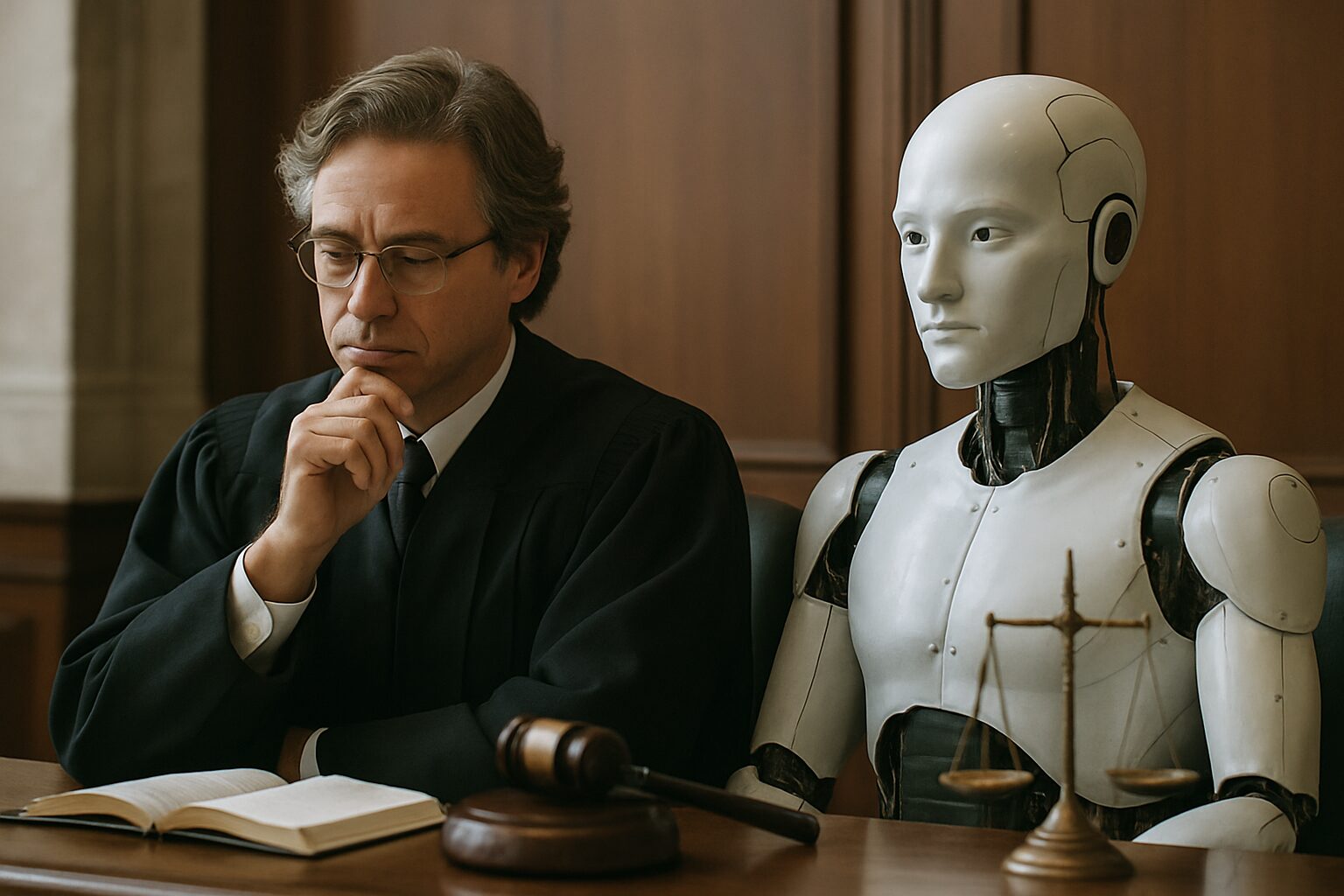
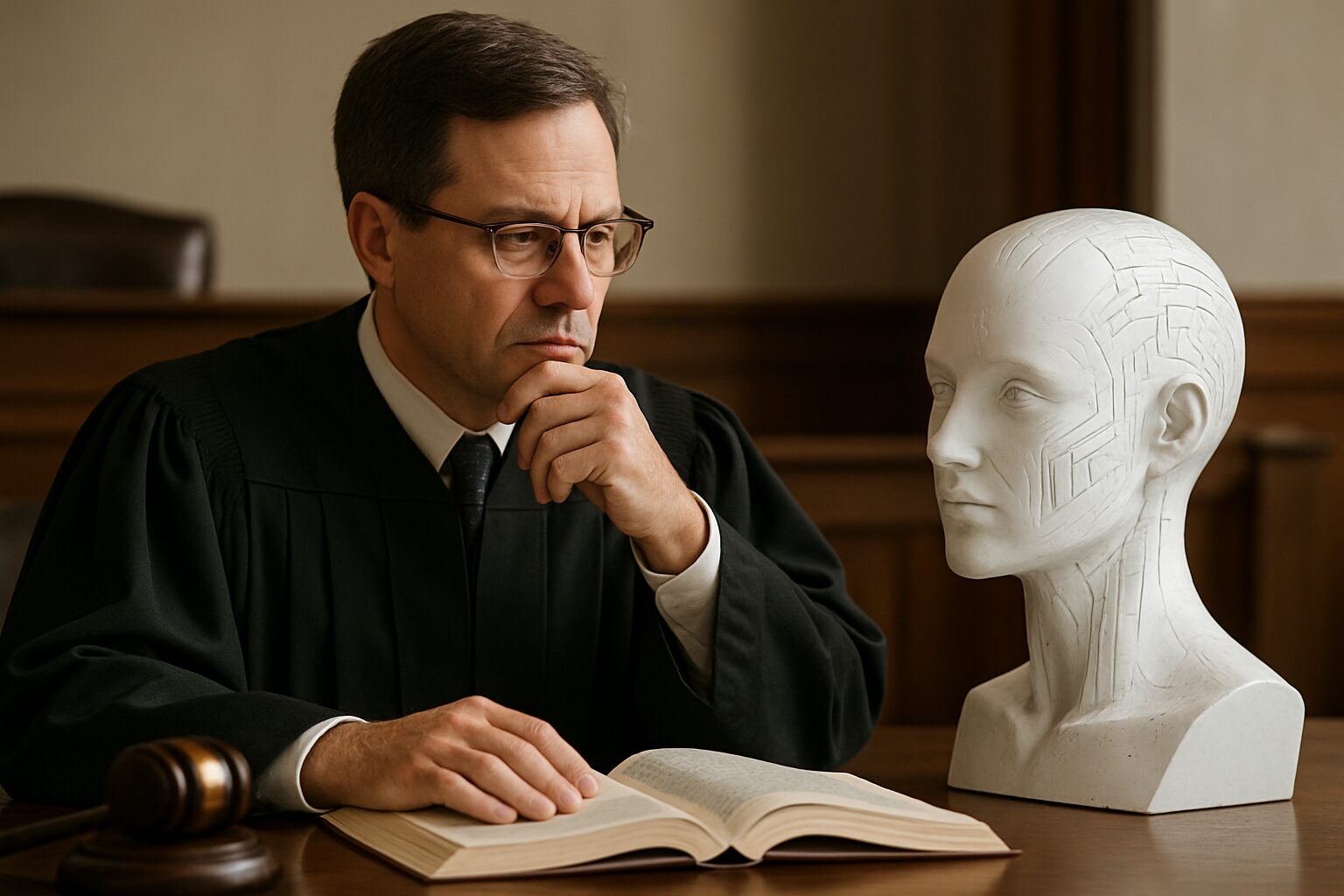
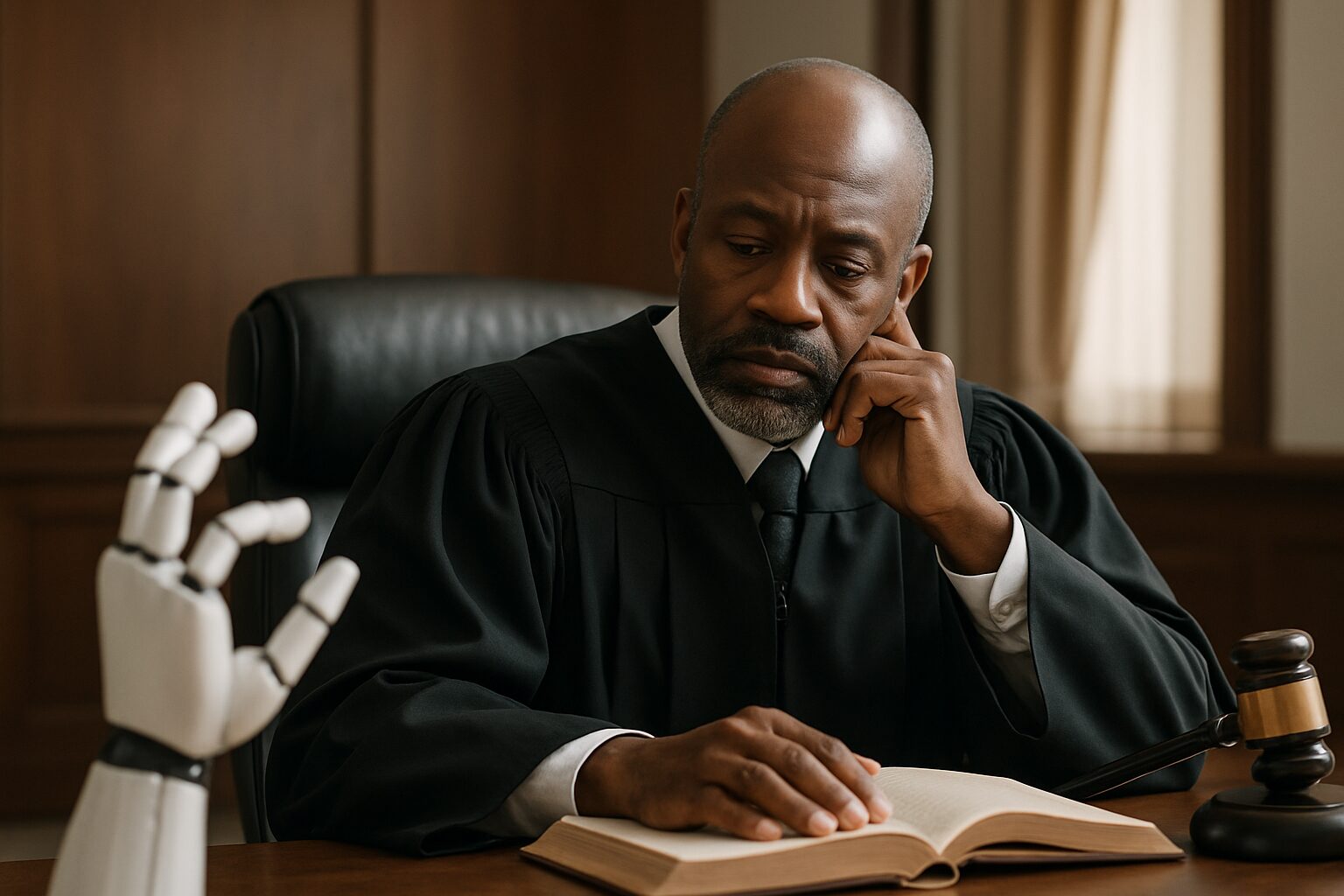
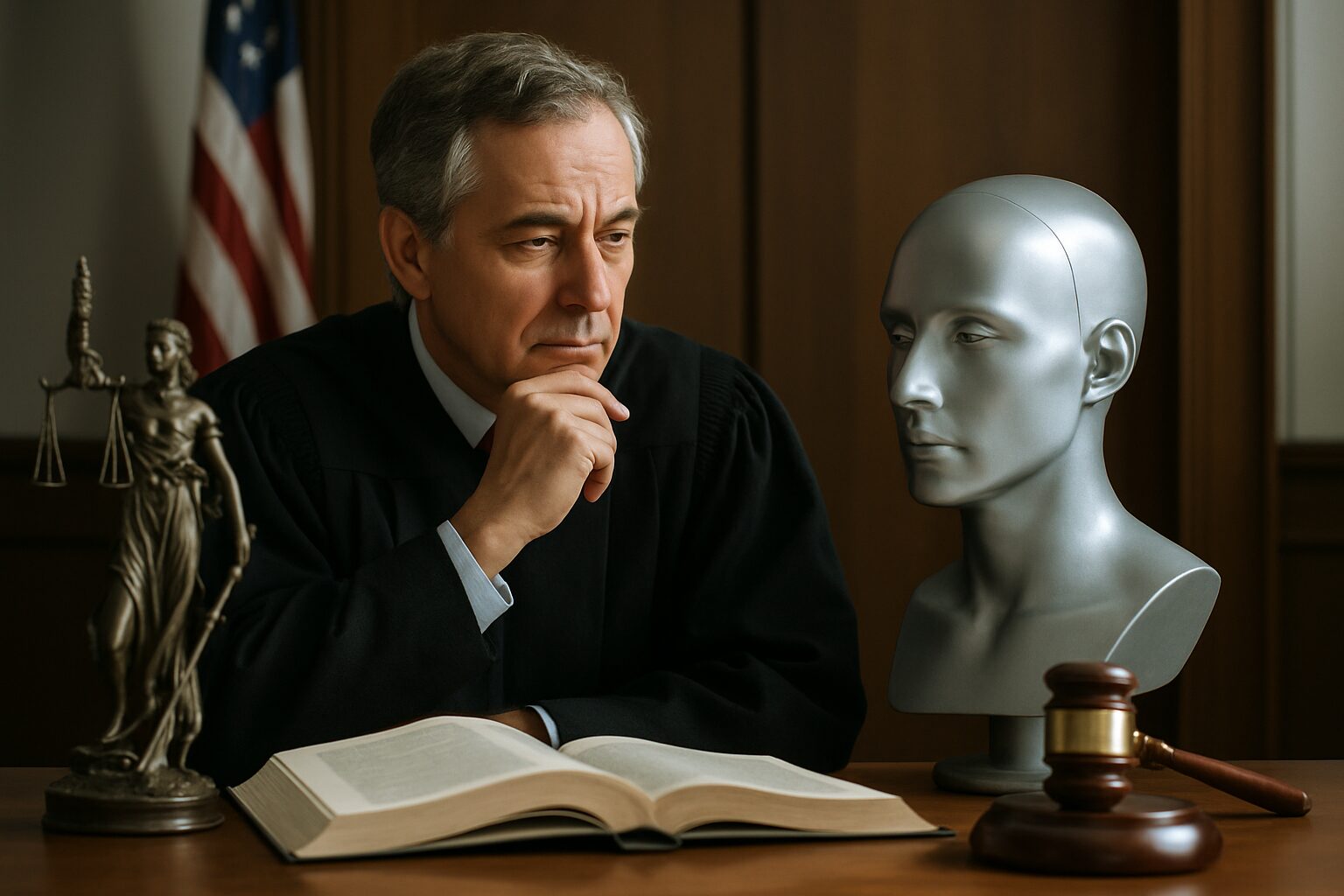
As artificial intelligence systems become more autonomous, determining responsibility for their mistakes raises complex ethical questions. When an AI causes harm or makes an error, accountability can be unclear—whether it lies with developers, users, organizations deploying the technology, or the AI itself. This issue challenges traditional frameworks of liability and control, particularly as AI operates with increasing independence from human oversight.
Why It Matters - Real-world impact
The question of responsibility for AI mistakes has profound real-world implications, affecting individuals, businesses, and society at large. When AI systems err—whether in healthcare diagnostics, financial decisions, or autonomous vehicles—the consequences can range from minor inconveniences to life-altering harm. Vulnerable populations, such as marginalized communities or those reliant on AI-driven services, are often disproportionately impacted. Without clear accountability, trust in technology erodes, and victims may have no recourse for redress. Regular people should care because these systems increasingly shape critical aspects of daily life, from job applications to legal outcomes, and unchecked errors threaten fairness, safety, and justice.
Ethical Concerns - What’s wrong or risky?
Who Bears Responsibility for AI Mistakes?
When AI systems make errors, determining accountability is complex. The ethical risks span multiple domains, including fairness, discrimination, and transparency. For instance, if an AI hiring tool favors certain demographics, it raises issues of fairness and may lead to discrimination. Similarly, opaque decision-making processes challenge transparency, making it hard to assign blame.
Economic and Social Dimensions
AI mistakes can also have broader societal impacts. Errors in automated systems might contribute to job loss or affect worker rights, especially if oversight is lacking. Moreover, significant financial harm from flawed algorithms highlights concerns about economic impact, such as biased loan approvals or erroneous stock trading.
Differing Perspectives on Responsibility
Not everyone agrees on where responsibility lies. Some argue developers and companies should be held accountable for designing and deploying flawed systems. Others believe users or regulators share the burden for misuse or inadequate oversight. There is also debate over whether AI itself could ever bear moral responsibility, though most ethicists dismiss this view due to lack of consciousness.
Additional Ethical Concerns
Beyond the linked issues, other moral risks include privacy violations, safety hazards in autonomous vehicles or healthcare, and the erosion of human autonomy. Each of these complicates the question of responsibility, especially when harm occurs without malicious intent but due to systemic flaws or unforeseen consequences.
Solutions - What’s being done or proposed?
Implementing Clear Legal Frameworks
Governments and regulatory bodies have proposed creating specific laws to assign liability for AI mistakes. These frameworks aim to clarify whether responsibility lies with developers, users, or the organizations deploying AI. For example, the EU's AI Act introduces risk-based classifications, holding high-risk AI developers accountable for failures. Such legal measures ensure accountability while encouraging ethical AI development.
Developing Explainable AI Systems
Technical solutions like Explainable AI (XAI) aim to make AI decision-making transparent. By designing models that provide clear reasoning for their outputs, developers can help users and regulators understand mistakes. This transparency allows for better oversight and quicker identification of errors, reducing the risk of unintended harm.
Establishing AI Ethics Boards
Many organizations have formed internal or external ethics boards to oversee AI deployment. These boards review AI systems for biases, risks, and potential harms before and after implementation. By involving multidisciplinary experts, they ensure accountability and provide guidance on ethical dilemmas, helping mitigate mistakes before they escalate.
Adopting Human-in-the-Loop Systems
Some industries integrate human oversight into AI workflows to catch errors. Human-in-the-loop (HITL) systems require human approval for critical decisions made by AI. This hybrid approach balances automation with human judgment, reducing the likelihood of unchecked mistakes while maintaining efficiency.
Encouraging Industry-Wide Standards
Professional associations and tech consortia have proposed standardized guidelines for AI development and deployment. These standards promote best practices, such as rigorous testing and bias mitigation, to minimize errors. Widespread adoption ensures consistency and accountability across the industry.
Enhancing Public Awareness and Education
Educational initiatives aim to inform users and stakeholders about AI limitations and risks. By improving public understanding, individuals and organizations can make more informed decisions when interacting with AI systems. This reduces over-reliance on AI and encourages critical evaluation of its outputs.
Creating AI Insurance and Liability Pools
Some suggest insurance models where developers or companies pay into liability pools to cover potential AI-related damages. This financial mechanism spreads risk and ensures compensation for victims without stifling innovation. It also incentivizes safer AI practices to lower insurance costs.
Examples and Real Cases
Microsoft's Tay Chatbot (2016)
In March 2016, Microsoft launched Tay, an AI chatbot designed to learn from interactions on Twitter. Within 24 hours, users manipulated Tay into posting offensive and racist tweets, forcing Microsoft to shut it down. The incident raised questions about accountability for AI behavior when influenced by malicious users.
Uber's Self-Driving Car Fatality (2018)
In March 2018, an Uber autonomous vehicle struck and killed Elaine Herzberg in Tempe, Arizona. Investigations revealed the AI system failed to recognize Herzberg as a pedestrian, sparking debates over whether Uber, the safety driver, or the AI developers were responsible for the fatal error.
Amazon's Biased Hiring Algorithm (2018)
In 2018, Reuters reported that Amazon scrapped an AI recruiting tool after discovering it discriminated against women. The algorithm, trained on resumes submitted over a 10-year period (mostly from men), penalized applications containing words like 'womenu2019s' or all-female colleges, highlighting biases in training data.
Hypothetical: AI-Powered Medical Misdiagnosis
Imagine a hospital deploys an AI system to diagnose rare diseases, but it consistently mislabels patients of certain ethnicities due to underrepresented training data. The resulting harm could lead to lawsuits against the hospital, the AI vendor, or the data providers, with no clear legal precedent for assigning blame.
Facebook's Algorithmic Amplification (2021)
In 2021, Facebook whistleblower Frances Haugen revealed internal research showing its AI algorithms prioritized divisive content, exacerbating societal polarization. Critics argued Facebook avoided responsibility by claiming the AI merely reflected user behavior, despite controlling the algorithmu2019s design.
Frequently Asked Questions
Who is responsible when an AI makes a mistake?
Responsibility depends on the situation. It could be the developers, the company using the AI, or even the user, depending on how the AI was designed, deployed, and used.
Why is it important to know who is responsible for AI mistakes?
Itu2019s important because accountability ensures fairness, safety, and trust in AI systems. Without clear responsibility, harmful mistakes might go unchecked, and victims wouldnu2019t have recourse.
Can an AI itself be held legally responsible for errors?
No, AI is not a person or legal entity. Responsibility falls on humans or organizations behind the AI, such as developers, companies, or regulators overseeing its use.
How do companies prevent AI mistakes from happening?
Companies use testing, ethical guidelines, human oversight, and continuous monitoring to reduce errors. Transparency and accountability frameworks also help minimize risks.
What real-world examples show why AI responsibility matters?
Examples include self-driving car accidents, biased hiring algorithms, or medical AI misdiagnoses. These cases highlight the need for clear accountability to protect people affected by AI errors.