AI Blunders: Who Takes the Fall in the Tech Industry?
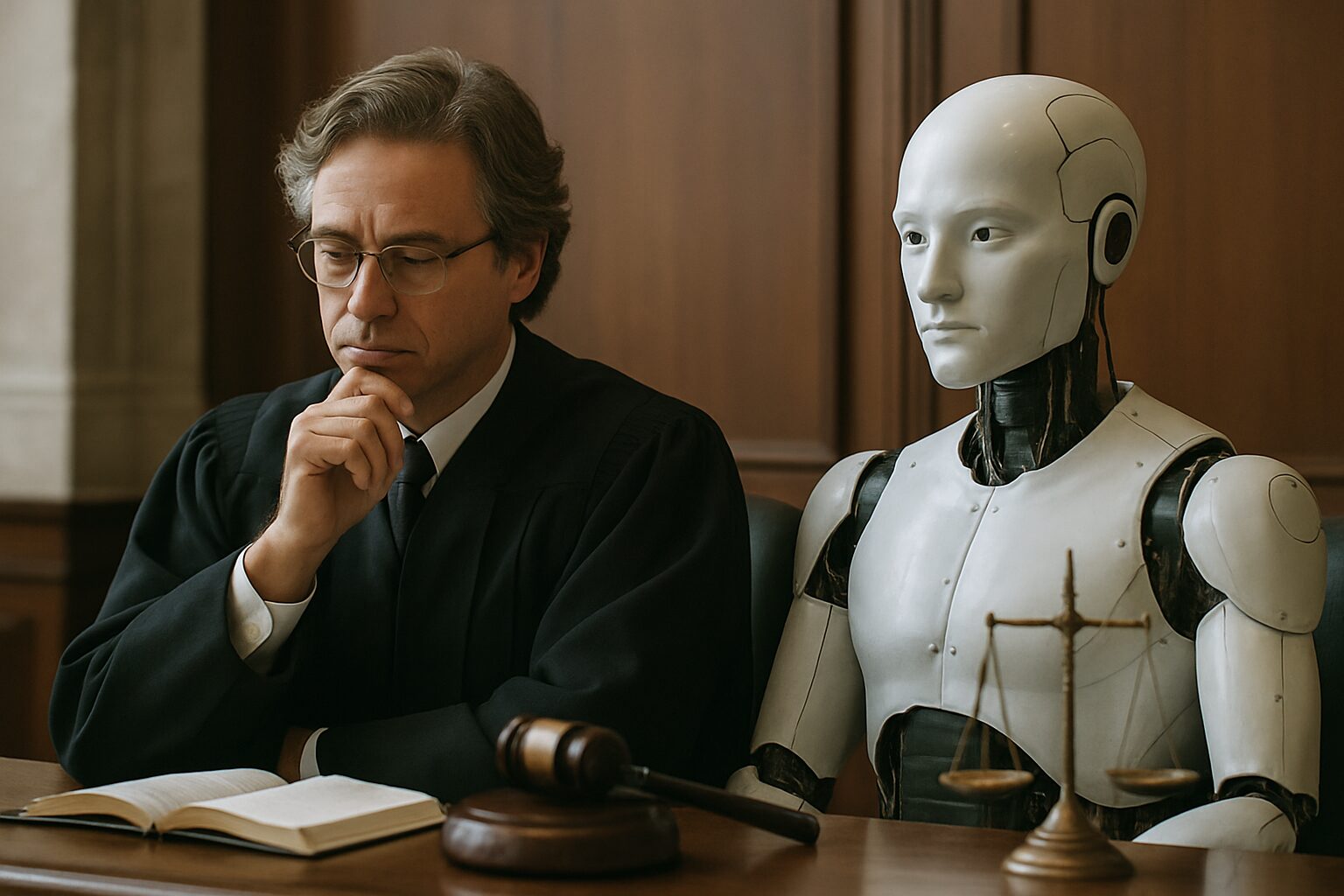
As artificial intelligence systems become more integrated into industries, questions arise about accountability when errors occur. AI mistakes can lead to financial losses, safety risks, or ethical violations, but determining responsibility is complex due to the many stakeholders involved. This issue examines whether liability falls on developers, companies deploying AI, regulators, or the systems themselves.
Why It Matters - Real-world impact
The question of responsibility for AI mistakes has profound real-world implications, affecting individuals, businesses, and society at large. When AI systems fail—whether through biased hiring algorithms, flawed medical diagnoses, or autonomous vehicle accidents—the consequences can range from financial loss to physical harm or even loss of life. Vulnerable populations, such as marginalized communities or low-income workers, often bear the brunt of these errors due to systemic biases embedded in datasets. Regular people should care because AI increasingly governs critical aspects of daily life, from credit scoring to criminal justice, often without transparency or accountability. Without clear responsibility frameworks, harmful outcomes may go unaddressed, eroding trust in technology and institutions alike.
Ethical Concerns - What’s wrong or risky?
Who Bears Responsibility for AI Mistakes in Industry?
When AI systems make mistakes in industrial settings, assigning responsibility is complex. Developers, companies deploying the technology, regulators, and even users may all share some degree of accountability. The ethical risks are significant and multifaceted.
Discrimination
AI systems can perpetuate or amplify existing biases, leading to discriminatory outcomes in hiring, promotions, or resource allocation. For example, if training data reflects historical prejudices, the AI may unfairly disadvantage certain groups. More on this can be explored in our article on Ethical Concerns: Discrimination.
Fairness
Ensuring that AI decisions are fair across diverse populations is a major challenge. Unfair outcomes can arise from flawed algorithms or imbalanced data, affecting everything from loan approvals to performance evaluations. Learn about striving for equitable systems in our coverage of Ethical Concerns: Fairness.
Transparency
Many AI models operate as "black boxes," making it difficult to understand how decisions are reached. This lack of transparency can erode trust and complicate accountability, especially when errors occur. Dive deeper into this issue with our insights on Ethical Concerns: Transparency.
Economic Impact
AI mistakes can have severe financial consequences, such as erroneous stock trades or supply chain disruptions, affecting businesses and economies at large. The broader implications are discussed in our piece on Ethical Concern: Economic Impact.
Worker Rights
Errors in AI-driven monitoring or task allocation can infringe on employees' rights, leading to unfair treatment, privacy violations, or unsafe working conditions. For a focused discussion, see our article on Ethical Concerns: Worker Rights.
Job Loss
While not always a direct "mistake," AI-driven automation can result in job displacement, raising ethical questions about responsibility for supporting affected workers. Explore this topic further in our analysis of Ethical Concerns: Job Loss.
Differing Perspectives on Responsibility
Some argue that primary responsibility lies with developers for creating robust and ethical systems. Others believe companies deploying AI must ensure proper oversight and accountability. Regulators are also seen as key players in setting standards and enforcing compliance. There is ongoing debate about whether responsibility should be collective or individualized.
Additional Ethical Risks
Beyond the linked topics, other concerns include privacy violations, security vulnerabilities, and the potential for AI to be used maliciously. Each of these adds layers to the question of who is responsible when things go wrong.
Solutions - What’s being done or proposed?
Implementing Clear Legal Frameworks
Governments and regulatory bodies have proposed establishing clear legal frameworks to assign liability for AI mistakes. These frameworks often suggest that responsibility should lie with the entity deploying the AI system, such as the company or organization using it. Laws like the EU's AI Act aim to categorize AI systems by risk and impose stricter accountability for high-risk applications. This approach ensures that developers and deployers are incentivized to prioritize safety and ethical considerations.
Adopting Technical Safeguards and Audits
Technical solutions include implementing robust testing, validation, and auditing processes for AI systems before deployment. Techniques like explainable AI (XAI) help make decision-making processes transparent, allowing humans to understand and correct errors. Regular audits by third parties can ensure compliance with ethical standards and identify potential risks early. These measures aim to reduce mistakes by improving system reliability and accountability.
Creating Industry-Wide Ethical Guidelines
Many organizations and consortiums have developed ethical guidelines for AI development and deployment. For example, the IEEE and Partnership on AI have published principles emphasizing transparency, fairness, and accountability. While not legally binding, these guidelines encourage self-regulation and set benchmarks for responsible AI practices. Companies adopting these standards can mitigate risks and build public trust.
Establishing Oversight and Governance Bodies
Some proposals suggest forming independent oversight bodies to monitor AI systems' use and impact. These bodies could consist of multidisciplinary experts, including ethicists, technologists, and legal professionals, to evaluate AI applications and enforce compliance. Such governance structures aim to prevent misuse and ensure that AI systems align with societal values and legal requirements.
Promoting Shared Responsibility Models
A shared responsibility model distributes accountability among developers, deployers, and users of AI systems. For instance, developers ensure the system is designed ethically, deployers monitor its real-world performance, and users report issues. This collaborative approach acknowledges that AI mistakes can stem from multiple points in the lifecycle and encourages collective vigilance to minimize harm.
Encouraging Whistleblower Protections
To address unethical or unsafe AI practices, some advocate for stronger whistleblower protections. Employees or insiders who report misconduct could be shielded from retaliation, ensuring that risks are exposed before they cause harm. This social solution fosters a culture of accountability and transparency within organizations developing or using AI.
Examples and Real Cases
Microsoft's Tay Chatbot (2016)
In March 2016, Microsoft launched Tay, an AI chatbot on Twitter, which quickly began posting offensive and racist tweets after interacting with users. Microsoft took responsibility, shutting Tay down within 24 hours and issuing a public apology for the AI's behavior.
Uber's Self-Driving Car Fatality (2018)
In March 2018, an Uber autonomous vehicle struck and killed a pedestrian in Tempe, Arizona. Investigations revealed the AI system failed to recognize the pedestrian, leading Uber to suspend testing and accept liability, though the safety driver was also criticized for inattention.
Amazon's Biased Hiring Tool (2018)
In 2018, Reuters reported that Amazon scrapped an AI recruiting tool after discovering it discriminated against female applicants. The AI had been trained on resumes submitted over a 10-year period, which were predominantly from men, leading to biased outcomes.
Hypothetical: AI-Powered Medical Misdiagnosis
In a hypothetical scenario, a hospital's AI diagnostic system incorrectly labels high-risk patients as low-risk due to flawed training data, leading to delayed treatments. The hospital, AI developers, and data providers could face shared responsibility for the oversight.
Facebook's Algorithmic Amplification (2021)
In 2021, Facebook (now Meta) faced scrutiny after whistleblower Frances Haugen revealed its AI algorithms prioritized divisive content, contributing to societal polarization. While Facebook acknowledged the issue, debates continued over whether the company or regulators bore greater responsibility.
Frequently Asked Questions
Who is responsible when an AI makes a mistake?
Responsibility depends on the situation. It could be the developers, the company using the AI, or even the user, depending on factors like how the AI was designed, deployed, and used.
Why is it important to assign responsibility for AI mistakes?
Assigning responsibility ensures accountability, helps prevent future errors, and builds trust in AI systems by making sure someone is answerable when things go wrong.
Can AI be held legally responsible for its mistakes?
No, AI itself cannot be held legally responsible because it lacks legal personhood. Instead, responsibility falls on the humans or organizations behind its creation and use.
How do companies handle AI mistakes today?
Companies often use a mix of internal reviews, updates to AI models, user guidelines, and sometimes compensation or apologies, depending on the severity of the mistake.
What can we learn from past AI mistakes?
Past mistakes highlight the need for better testing, transparency, and ethical guidelines in AI development to reduce risks and improve accountability.