Robo-Justice: Can AI Uphold Human Rights in Court?
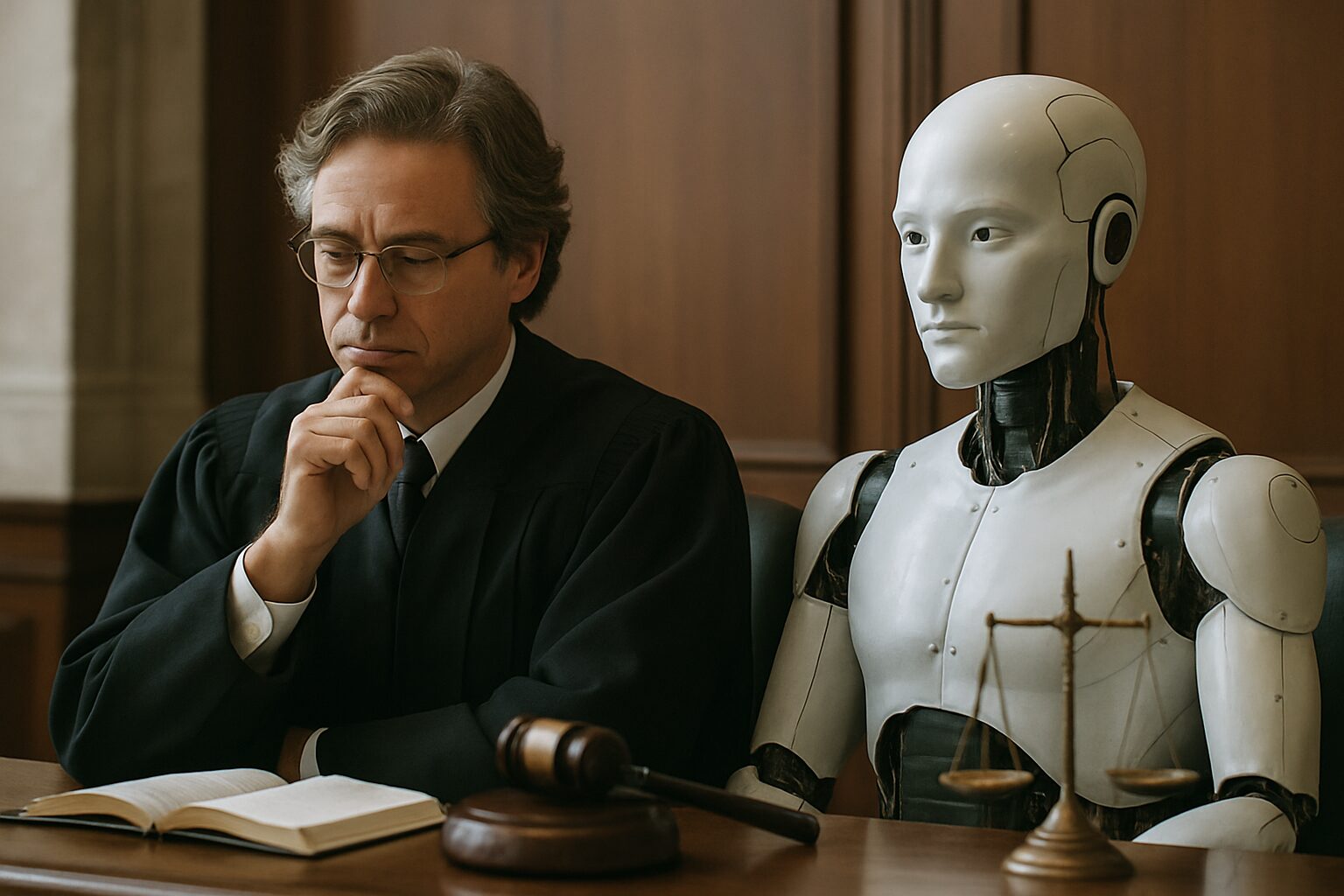
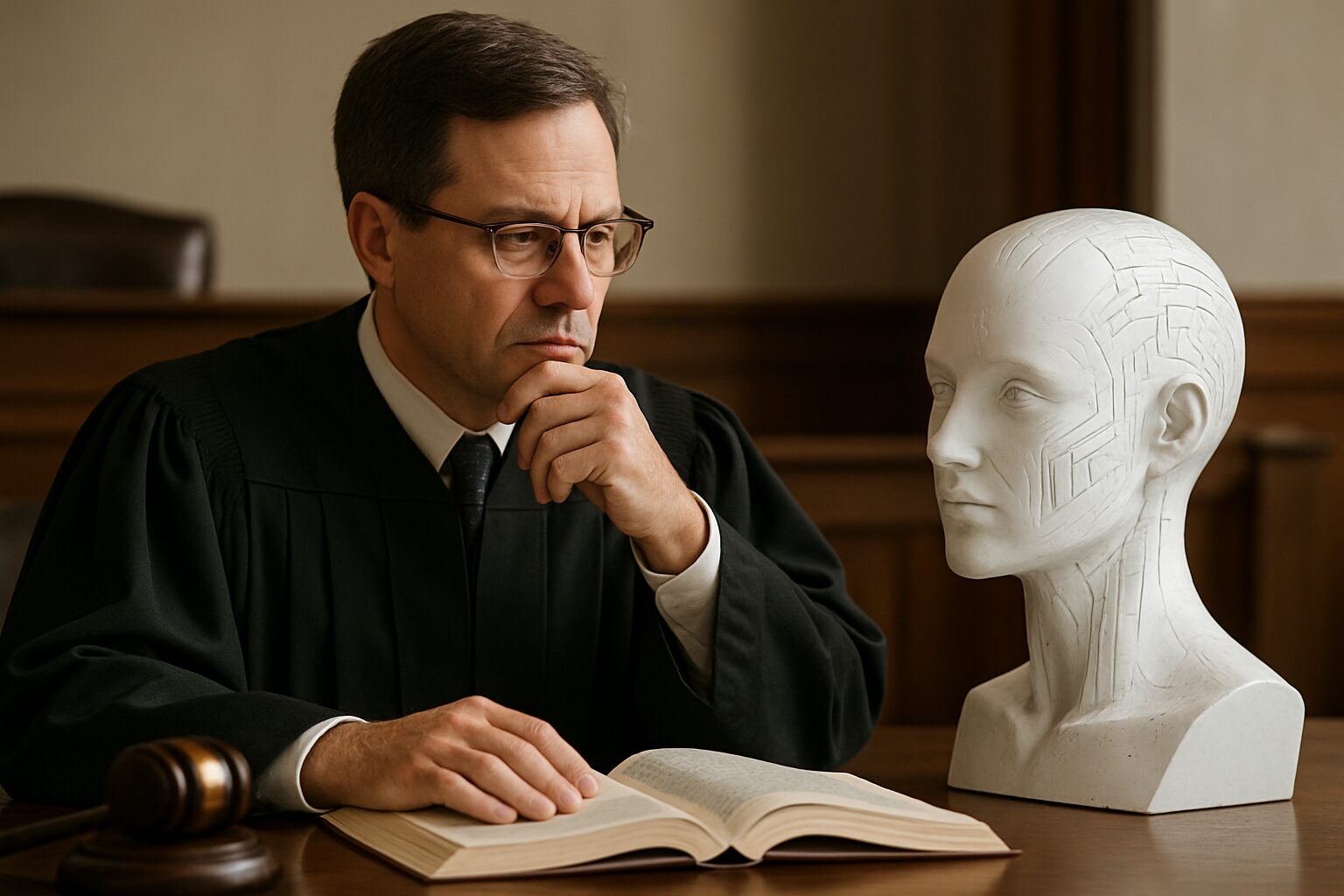
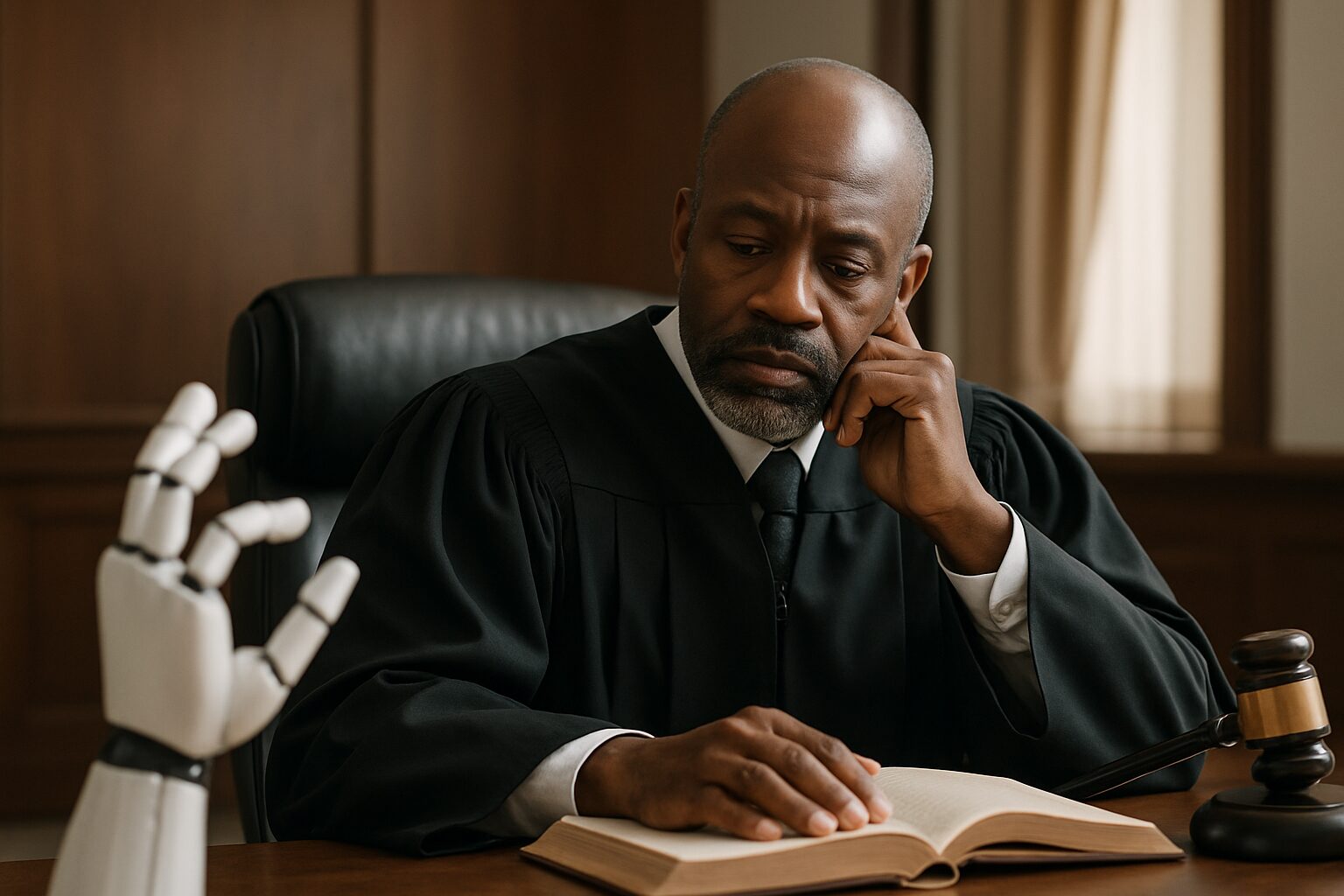
The use of artificial intelligence as decision-makers in legal systems raises ethical questions about autonomy and responsibility. AI judges, which can analyze data and render verdicts, challenge traditional notions of human oversight in justice. Concerns include transparency, bias, and the protection of fundamental human rights when legal outcomes are determined by algorithms.
Why It Matters - Real-world impact
The integration of AI judges into legal systems has profound real-world implications, affecting defendants, legal professionals, and society at large. If biased or opaque algorithms influence rulings, marginalized communities could face systemic discrimination, eroding trust in justice. Errors in AI decision-making might lead to wrongful convictions or unjust acquittals, with life-altering consequences for individuals. Regular people should care because these systems could determine their rights, freedoms, or access to reparations—without the transparency or accountability expected from human judges. The shift toward automated justice risks prioritizing efficiency over fairness, undermining the very principles of human rights law.
Ethical Concerns - What’s wrong or risky?
Economic Impact of AI Judges
The integration of AI into judicial systems raises significant economic concerns, as the high cost of developing, implementing, and maintaining these systems may divert resources from other critical areas of the justice system. This could exacerbate inequalities in access to justice, particularly for marginalized communities.
Discrimination Risks
AI judges, trained on historical data, may perpetuate or even amplify existing biases, leading to discriminatory outcomes. For instance, if past court decisions reflect societal prejudices, the AI could learn to associate certain demographics with higher risk, violating principles of equal treatment. More on this can be found under discrimination concerns.
Fairness in Decision-Making
Ensuring that AI judges operate fairly is a major ethical challenge. Algorithms might prioritize efficiency over nuanced, context-sensitive judgments, potentially resulting in unjust rulings. Critics argue that fairness requires human empathy and moral reasoning, which AI currently lacks. Explore related issues in our section on fairness.
Transparency and Accountability
Many AI systems, especially those using deep learning, operate as "black boxes," making it difficult to understand how decisions are reached. This lack of transparency undermines accountability, as defendants and the public cannot scrutinize the reasoning behind verdicts, eroding trust in the legal system.
Job Loss in the Legal Profession
The automation of judicial functions could lead to significant job displacement for legal professionals, including judges, clerks, and paralegals. While some argue this may increase efficiency, others worry about the devaluation of human expertise and the social impact of widespread unemployment in the sector.
Worker Rights and Ethical Labor Practices
The development and maintenance of AI judges involve complex supply chains and labor practices. Ensuring that those who build and manage these systems have their rights protected is crucial, as exploitative conditions could indirectly affect the ethics of the AI's deployment in justice systems.
Additional Moral Concerns
Beyond the linked categories, other ethical risks include the potential erosion of human dignity when justice is meted out by machines, and the risk of over-reliance on technology reducing societal capacity for moral deliberation. Some also fear that AI judges could be manipulated or hacked, leading to catastrophic failures in justice.
Differing Perspectives
Proponents of AI judges argue that they can reduce human error, bias, and inconsistency, leading to more objective and efficient legal outcomes. They believe that with proper safeguards, AI can enhance fairness. Opponents, however, emphasize that justice is inherently human and requires compassion, intuition, and moral responsibility—qualities AI cannot replicate. There is also debate over whether AI should assist human judges rather than replace them entirely.
Solutions - What’s being done or proposed?
Hybrid Decision-Making Systems
One proposed solution is the implementation of hybrid decision-making systems where AI assists human judges rather than replacing them entirely. In this model, AI tools analyze legal precedents, statutes, and case details to provide recommendations, while human judges retain final authority over rulings. This approach aims to combine the efficiency and data-processing capabilities of AI with the nuanced judgment and ethical reasoning of humans. Countries like Estonia have experimented with AI-assisted legal tools to streamline court processes while maintaining human oversight.
Transparency and Explainability Requirements
To address concerns about opaque AI decision-making, some jurisdictions have proposed or enacted laws requiring AI systems used in legal contexts to be transparent and explainable. For instance, the EU's proposed AI Act includes provisions mandating that high-risk AI systems provide clear explanations for their outputs. Technical solutions like interpretable machine learning models and decision logs aim to make AI judgments auditable. However, challenges remain in balancing transparency with proprietary algorithms and the complexity of some AI systems.
Bias Mitigation Frameworks
Recognizing that AI systems can perpetuate or amplify human biases, researchers and policymakers have developed bias mitigation frameworks. These include technical approaches like debiasing algorithms during training, using diverse datasets, and continuous bias testing. Institutionally, some courts have established review boards to assess AI tools for discriminatory impacts before deployment. The U.S. Algorithmic Accountability Act of 2022 represents one legislative attempt to address these concerns, though implementation remains challenging.
Human Rights Impact Assessments
Prior to deploying AI in judicial systems, some organizations advocate for mandatory human rights impact assessments. These evaluations would examine how AI tools might affect rights to fair trial, non-discrimination, and privacy. The assessments would involve multidisciplinary teams including legal experts, ethicists, and community representatives. While not yet widely implemented, this approach draws from existing human rights due diligence frameworks in other sectors.
Specialized Oversight Bodies
Several proposals suggest creating independent oversight bodies to regulate AI in legal systems. These entities would set standards, certify AI tools, investigate complaints, and ensure compliance with legal and ethical norms. For example, New York City's Automated Decision Systems Task Force serves as a model for local oversight. At international levels, organizations like the UN have discussed creating similar frameworks to govern AI's use in justice systems across borders.
Public Participation in AI Governance
Some solutions emphasize involving citizens in decisions about AI's role in legal systems. This includes public consultations on AI deployments, citizen review boards, and participatory design processes. Barcelona's Digital Democracy initiative demonstrates how cities can engage residents in technology governance. While time-consuming, such approaches aim to build public trust and ensure AI tools reflect community values and needs.
Liability Frameworks for AI Errors
Legal scholars have proposed clear liability frameworks to address harm caused by AI judicial systems. These frameworks would determine responsibility when AI tools make erroneous decisions - whether it lies with developers, courts, or other parties. Some suggest adapting existing product liability laws, while others propose new regulatory schemes specifically for AI. Clear liability rules could incentivize more careful development and deployment of legal AI systems.
Examples and Real Cases
COMPAS Algorithm in US Courts
The COMPAS (Correctional Offender Management Profiling for Alternative Sanctions) algorithm, used in US courts since 1998, has been criticized for racial bias. In 2016, ProPublica found that the algorithm falsely labeled Black defendants as future criminals at twice the rate of white defendants.
China's AI Judges in Internet Courts
In 2017, China launched its first 'AI judge' in Hangzhou Internet Court to handle minor cases like e-commerce disputes. While efficient, critics warn these systems lack transparency and may prioritize state interests over individual rights.
Hypothetical: AI Asylum Application Review
A hypothetical AI system deployed in 2023 to process UK asylum applications could automatically flag applicants from certain regions as 'high risk' based on historical data. This might systematically disadvantage genuine refugees from conflict zones due to algorithmic bias in risk assessment models.
ECtHR's Use of Predictive Algorithms
In 2022, the European Court of Human Rights began experimenting with AI tools to predict case outcomes and prioritize hearings. While intended to reduce backlog, legal experts raised concerns about the system potentially reinforcing existing judicial biases in human rights rulings.
Hypothetical: AI-Powered Sentencing in Drug Cases
A future AI sentencing system might recommend harsher punishments for opioid-related offenses in predominantly white neighborhoods while suggesting rehabilitation for similar cases in affluent areas, perpetuating socioeconomic disparities in drug policy enforcement.
Frequently Asked Questions
What is an AI judge in legal systems?
An AI judge is an artificial intelligence system designed to assist or make decisions in legal cases by analyzing data, laws, and precedents. It can help streamline court processes but raises questions about fairness and human oversight.
Why is using AI in legal systems important for human rights?
AI can improve access to justice by speeding up decisions and reducing costs, but it must be carefully monitored to prevent biases that could violate human rights, such as discrimination in sentencing or case outcomes.
Can AI judges be fully autonomous in making legal decisions?
Currently, most AI judges are used as tools to assist human judges, not replace them. Full autonomy raises ethical concerns about accountability, transparency, and the lack of human empathy in critical decisions affecting people's lives.
How does AI impact fairness in legal systems today?
AI can reduce human bias if trained on unbiased data, but flawed algorithms or datasets may worsen inequalities. Ongoing scrutiny is needed to ensure AI supports fair and just legal outcomes.
What can we learn from testing AI in legal systems?
Trials of AI judges highlight the need for clear regulations, human oversight, and public trust. They also show the potential for efficiency but remind us that technology must align with ethical and human rights principles.