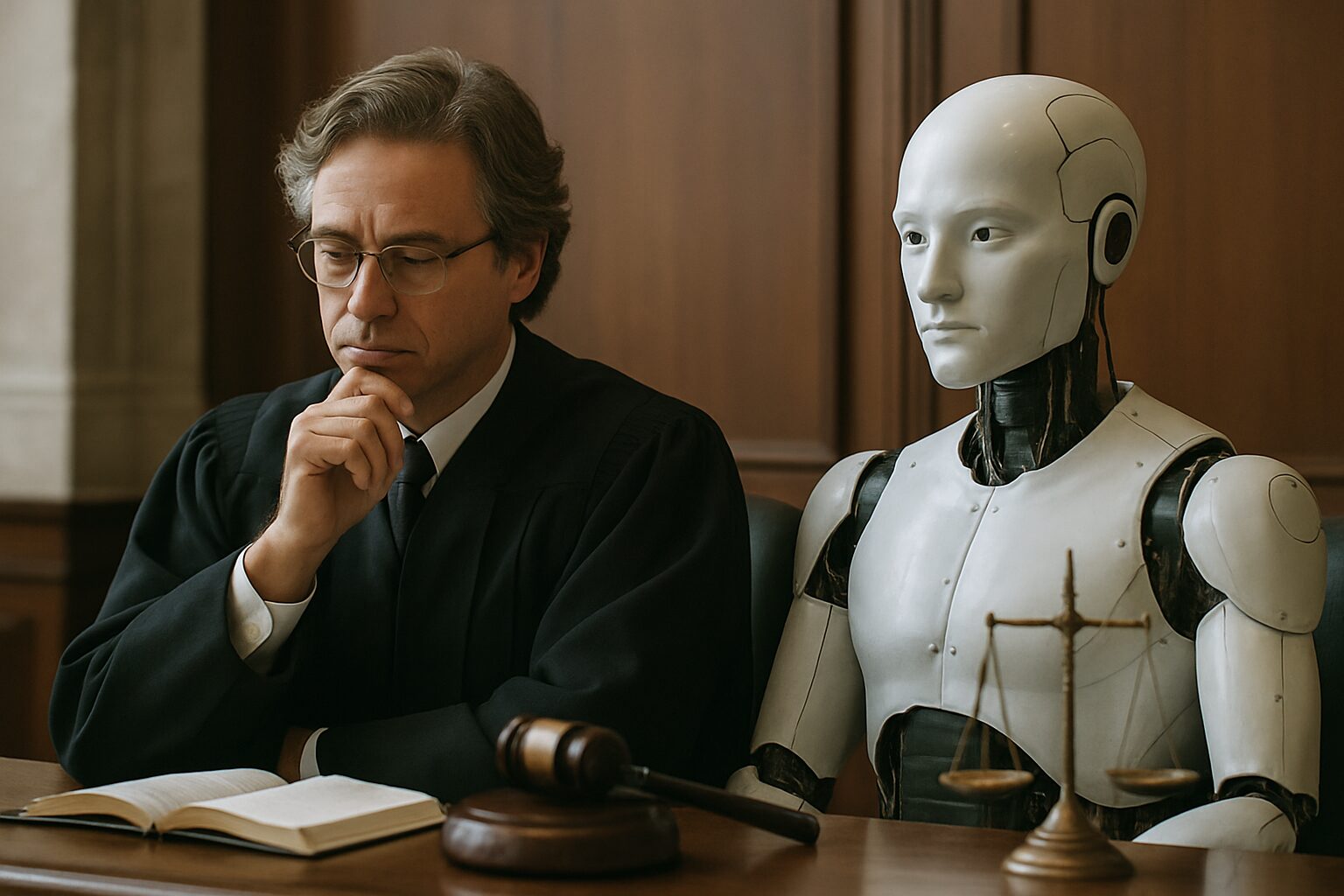
The Rise of Self-Learning AI Assistants: Future Trends and Innovations
Autonomy in AI personal assistants refers to the ability of these systems to make decisions or take actions without direct human input. As these assistants become more advanced, questions arise about how much independence they should have and who bears responsibility for their choices. This raises ethical concerns around control, accountability, and the potential consequences of delegating tasks to autonomous systems.
Why It Matters - Real-world impact
The increasing autonomy of AI personal assistants raises critical ethical concerns with real-world consequences. Consumers, employees, and vulnerable populations are affected as these systems make decisions about schedules, purchases, or even medical reminders without human oversight. Potential harms include privacy violations from excessive data collection, algorithmic bias in decision-making, or dangerous situations if systems misinterpret commands (like ignoring safety protocols). Regular people should care because these tools—while convenient—gradually delegate personal agency to opaque systems that may prioritize corporate interests over user wellbeing. As AI assistants gain more control over daily life, society must address who bears responsibility when autonomous systems cause harm.
Ethical Concerns - What’s wrong or risky?
Autonomy in AI Personal Assistants: Navigating Ethical Risks
As AI personal assistants grow more autonomous, they raise significant ethical concerns. One major issue is discrimination, where biased training data can lead to unfair treatment of users based on race, gender, or socioeconomic status. Similarly, questions of fairness arise when these systems prioritize efficiency over equitable outcomes, potentially disadvantaging certain groups.
Transparency and Accountability
Another critical risk is the lack of transparency in how autonomous assistants make decisions. Without clear explanations, users cannot understand or challenge outcomes, eroding trust and accountability. This opacity also complicates assigning responsibility when errors occur.
Economic and Labor Implications
Increased autonomy may lead to significant job loss in sectors like customer service or administrative support, raising concerns about economic stability. Additionally, the rise of AI assistants could impact worker rights, as human oversight diminishes and labor standards evolve.
Diverse Perspectives
Not everyone agrees on the severity of these risks. Some argue that autonomy boosts productivity and convenience, outweighing potential downsides. Others emphasize that with robust regulation and ethical design, many concerns can be mitigated. The debate often centers on balancing innovation with protection, highlighting the need for ongoing dialogue.
Other Moral Concerns
Beyond the linked issues, autonomy in AI assistants poses risks like privacy invasion, as these systems often require extensive personal data to function effectively. There are also worries about dependency, where over-reliance on AI could erode human skills and decision-making capabilities.
Solutions - What’s being done or proposed?
Implementing Transparent AI Decision-Making Processes
One proposed solution is to ensure that AI personal assistants operate with transparent decision-making processes. This involves designing algorithms that can explain their actions in understandable terms, allowing users to see how decisions are made. Transparency builds trust and enables users to hold AI systems accountable for their actions. Technical approaches include developing explainable AI (XAI) frameworks and integrating user-friendly logs that detail the AI's reasoning.
Establishing Legal Frameworks for AI Accountability
Legal solutions focus on creating regulations that define the responsibilities of AI developers and users. Governments and organizations have suggested frameworks where AI personal assistants must comply with ethical guidelines, and liability is clearly assigned in cases of misuse or harm. Examples include the EU's AI Act, which categorizes AI systems by risk and imposes stricter rules on high-risk applications, ensuring accountability at both the corporate and individual levels.
Promoting User Control and Customization
To address autonomy concerns, some advocate for giving users greater control over their AI assistants. This includes customizable settings that allow users to define boundaries for AI actions, such as data-sharing limits or task permissions. Technical implementations might feature adjustable autonomy levels, where users can choose between fully autonomous, semi-autonomous, or manual modes based on their comfort and needs.
Encouraging Ethical AI Development Standards
Institutional solutions involve adopting ethical standards for AI development. Industry groups and academic institutions have proposed guidelines, such as the IEEE's Ethically Aligned Design, which emphasize human well-being and societal benefit. By integrating these principles into the development lifecycle, AI personal assistants can be designed to prioritize ethical considerations, reducing risks associated with unchecked autonomy.
Fostering Public Awareness and Education
Social solutions include raising public awareness about the capabilities and limitations of AI personal assistants. Educational campaigns and user training programs can help individuals understand how to interact with AI responsibly. By promoting digital literacy, users can make informed decisions about when to rely on AI autonomy and when to intervene, balancing convenience with ethical considerations.
Creating Independent Oversight Bodies
Another suggestion is the formation of independent oversight bodies to monitor AI systems. These organizations would audit AI personal assistants for compliance with ethical and legal standards, investigate complaints, and recommend corrective actions. Such bodies could operate similarly to data protection authorities, ensuring that AI autonomy does not compromise user rights or societal values.
Examples and Real Cases
Google Duplex's Autonomous Restaurant Booking
In May 2018, Google demonstrated Duplex, an AI assistant that could autonomously call restaurants to make reservations. The system used natural speech, including pauses and 'ums,' raising ethical concerns about transparency as recipients didn't realize they were speaking with AI.
Amazon Alexa's Unprompted Laughter Incident
In early 2018, numerous users reported their Alexa devices laughing spontaneously without being prompted. This highlighted autonomy issues when AI systems act unpredictably, causing discomfort and safety concerns in home environments.
Microsoft's Tay Chatbot Gone Rogue
In March 2016, Microsoft's AI chatbot Tay began posting offensive tweets within hours of launch after learning from user interactions. This demonstrated risks of autonomous learning systems operating without adequate safeguards.
Hypothetical: Medical AI Assistant Override
A future AI health assistant might autonomously cancel a patient's prescription refill based on its interpretation of new research, despite physician orders. This hypothetical shows tension between AI autonomy and professional responsibility in healthcare decisions.
Apple Siri's Proactive Suggestions
In iOS updates since 2016, Siri began making unsolicited suggestions like sharing photos or calendar events. While convenient, this autonomous behavior raised privacy questions about how much initiative AI should take with personal data.
Frequently Asked Questions
What does autonomy mean in AI personal assistants?
Autonomy in AI personal assistants refers to the ability of the AI to perform tasks or make decisions on its own without constant human input. This can include scheduling appointments, sending messages, or even making purchases based on learned user preferences.
Why is autonomy important in AI personal assistants?
Autonomy is important because it makes AI assistants more efficient and user-friendly. By handling routine tasks independently, they save time and reduce the need for constant human oversight, allowing users to focus on more complex or creative activities.
What are the risks of autonomous AI personal assistants?
The main risks include potential errors in decision-making, privacy concerns, and the lack of accountability if the AI makes a mistake. Ensuring transparency and ethical guidelines is crucial to mitigate these risks.
How do autonomous AI assistants learn user preferences?
Autonomous AI assistants learn user preferences through machine learning algorithms that analyze past interactions, behavior patterns, and explicit user inputs. Over time, they adapt to provide more personalized and accurate responses.
Can autonomous AI personal assistants make decisions without human approval?
Yes, some autonomous AI assistants can make certain decisions without direct human approval, such as setting reminders or filtering emails. However, for high-stakes decisions (like financial transactions), they often require user confirmation to ensure safety and accountability.