AI Blunders: Who Takes the Blame and How Policy Can Help?
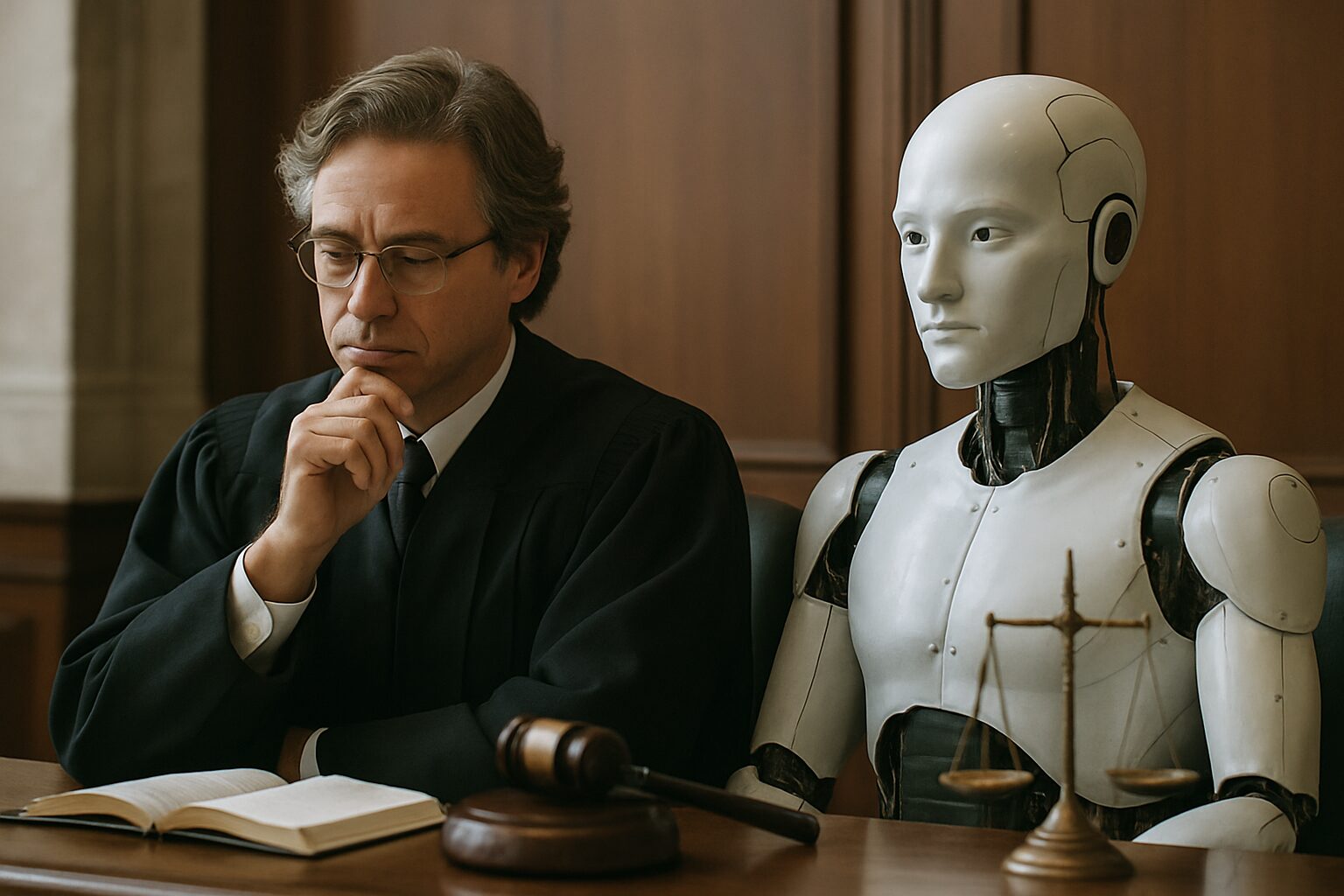
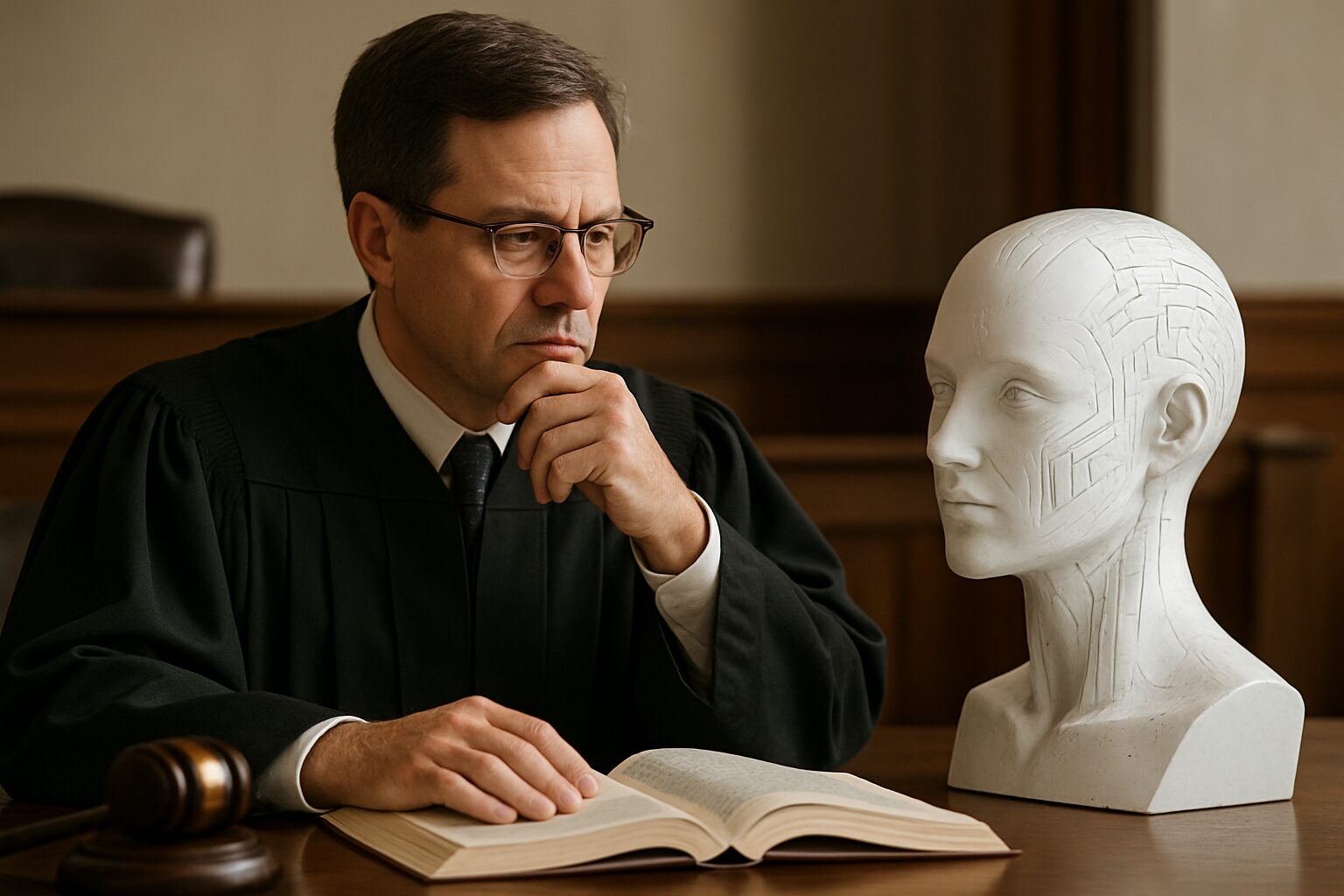
As artificial intelligence systems become more autonomous, questions arise about who should be held accountable when they make mistakes. The issue involves determining whether responsibility lies with developers, users, organizations deploying AI, or the systems themselves. Public policy plays a key role in establishing frameworks to assign liability and ensure accountability while balancing innovation and ethical concerns.
Why It Matters - Real-world impact
The question of responsibility for AI mistakes has profound real-world implications, affecting individuals, businesses, and society at large. When AI systems err—whether in healthcare diagnostics, financial lending, or autonomous vehicles—the consequences can range from financial loss to physical harm or even loss of life. Vulnerable populations, such as marginalized communities or those with limited access to legal recourse, are often disproportionately impacted by biased or flawed algorithms. Regular people should care because these technologies increasingly mediate critical aspects of daily life, from job applications to medical care, often without transparency or accountability. Without clear policies assigning responsibility, victims of AI errors may face insurmountable challenges in seeking justice, while developers and corporations may evade consequences for systemic failures.
Ethical Concerns - What’s wrong or risky?
Who Bears Responsibility for AI Mistakes?
When AI systems make errors, the question of responsibility becomes complex. Developers, organizations deploying AI, regulatory bodies, and even users may share accountability, depending on the context and the nature of the mistake.
Ethical Risks in AI
AI systems can introduce or amplify a range of ethical concerns. For example, issues of fairness arise when algorithms produce biased outcomes, even unintentionally. Similarly, discrimination can occur if AI tools are trained on data reflecting historical prejudices.
Lack of transparency in how AI reaches decisions can make it difficult to assign blame or correct errors. Economic impacts, such as job loss due to automation, also raise moral questions about who should mitigate these consequences. Additionally, the erosion of worker rights in AI-managed environments is a growing concern.
Differing Perspectives on Responsibility
Some argue that primary responsibility lies with developers and companies for creating and deploying flawed systems. Others believe regulators should enforce stricter oversight, while a third perspective emphasizes the role of users and society in demanding ethical standards.
There is no consensus, as stakeholders often disagree on where the burden should fall—whether on individuals, corporations, or governments.
Solutions - What’s being done or proposed?
Establishing Clear Legal Frameworks
Governments and regulatory bodies have proposed creating specific laws to assign liability for AI mistakes. These frameworks aim to clarify whether responsibility lies with developers, manufacturers, or users. For example, the EU's AI Act introduces risk-based classifications, imposing stricter obligations on high-risk AI systems. Such legal measures seek to ensure accountability while encouraging innovation by providing predictable rules for stakeholders.
Implementing Technical Safeguards
Developers have explored incorporating fail-safes, such as explainability features and real-time monitoring, to reduce AI errors. Techniques like adversarial testing and robustness checks are also used to identify vulnerabilities before deployment. While these methods can mitigate risks, they are not foolproof and require continuous updates to address evolving challenges in AI behavior.
Creating Ethics Review Boards
Institutions and companies have formed ethics committees to oversee AI development and deployment. These boards evaluate potential harms, biases, and societal impacts, ensuring alignment with ethical standards. For instance, some hospitals use such boards to review AI diagnostic tools. However, their effectiveness depends on diverse representation and enforcement power, which can vary widely.
Promoting Transparency and Public Engagement
Advocates suggest increasing transparency through open-source models or public audits of AI systems. Engaging communities affected by AI decisions can build trust and identify unintended consequences. Projects like Algorithmic Justice League highlight biases in facial recognition, pushing for more inclusive design. While valuable, transparency efforts often face resistance due to proprietary concerns or technical complexity.
Adopting Insurance and Compensation Models
Some propose adapting insurance schemes to cover AI-related damages, similar to product liability insurance. This would distribute risks across developers and users, ensuring victims receive compensation. For example, autonomous vehicle manufacturers are testing such models. However, pricing premiums accurately remains challenging due to the unpredictable nature of AI failures.
Strengthening Professional Standards
Professional organizations, like the IEEE, have developed guidelines for ethical AI development. Certifications or licensing for AI practitioners could enforce accountability, akin to engineering or medical fields. While this raises the bar for expertise, critics argue it may stifle innovation or exclude smaller players lacking resources for compliance.
Examples and Real Cases
Tesla Autopilot Fatal Crash (2016)
In May 2016, Joshua Brown died when his Tesla Model S, operating on Autopilot, collided with a tractor-trailer in Florida. The incident raised questions about whether Tesla or the driver bore responsibility for the failure of the semi-autonomous system.
Microsoft's Tay AI Chatbot (2016)
In March 2016, Microsoft's AI chatbot Tay was manipulated by users to post offensive tweets within hours of its launch. The incident highlighted the challenges of accountability when AI systems are influenced by external actors, with debates over whether Microsoft or the users were at fault.
COMPAS Recidivism Algorithm Bias (2016)
A 2016 ProPublica investigation revealed that the COMPAS algorithm used in U.S. courts to predict recidivism was biased against Black defendants. This sparked debates over whether the creators (Northpointe, now Equivant) or the courts using the tool should be held responsible for its flawed outcomes.
Uber Self-Driving Fatality (2018)
In March 2018, an Uber autonomous vehicle struck and killed Elaine Herzberg in Arizona. The case led to scrutiny over whether Uber, the safety driver, or the pedestrian shared responsibility, with Uber ultimately facing charges for inadequate safety measures.
Hypothetical: AI-Powered Hiring Tool Discrimination
A hypothetical AI hiring tool used by a major corporation in 2023 disproportionately rejects female applicants due to biased training data. The company blames the third-party developer, while regulators argue the company is responsible for vetting the tool's fairness before deployment.
Frequently Asked Questions
Who is responsible when an AI makes a mistake?
Responsibility depends on the situation. It could be the developers, the company using the AI, or even the user, depending on factors like negligence, intent, and how the AI was programmed or used.
Why is AI accountability important in public policy?
Clear accountability ensures fairness, safety, and trust in AI systems. Without it, harmful mistakes could go unchecked, and victims might not receive justice or compensation.
How do governments regulate AI mistakes today?
Many governments are still creating laws for AI, but some existing regulations (like product liability or data protection laws) can apply. Policies often focus on transparency, testing, and human oversight.
Can an AI be held legally responsible for errors?
No, AI itself cannot be legally responsible because it lacks legal personhood. Instead, responsibility falls on the people or organizations that develop, deploy, or use the AI system.
What can we learn from past AI mistakes in policymaking?
Past mistakes show the need for clear guidelines, ethical design, and accountability frameworks. Examples like biased algorithms or accidents in self-driving cars help shape better policies for the future.