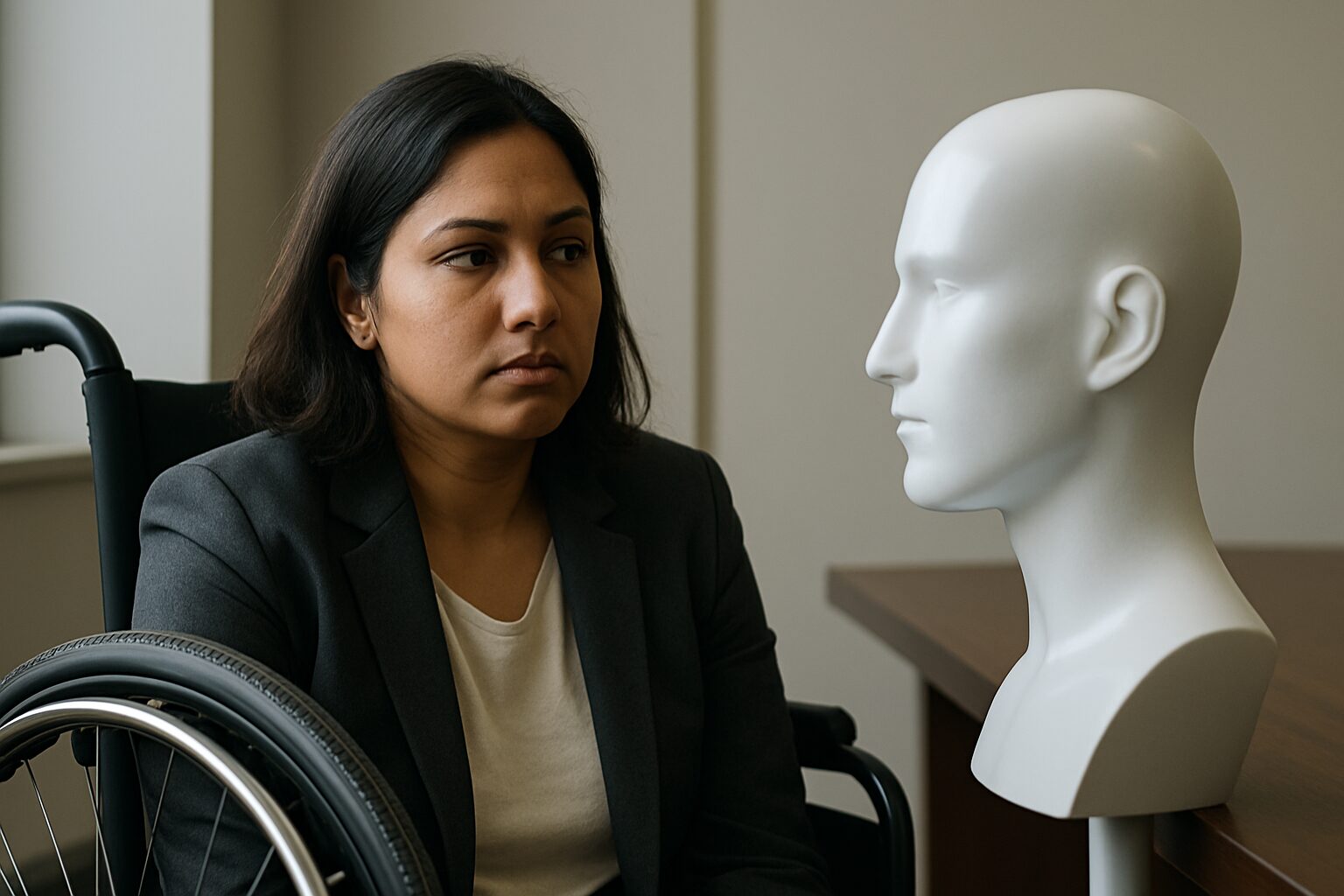
Bridging the Gap: Tackling Tech Bias in Accessibility Innovations
AI systems can unintentionally discriminate against people with disabilities due to biased data or design choices. This occurs when algorithms fail to account for accessibility needs or when training data underrepresents disabled individuals. Such biases may lead to unfair outcomes in areas like hiring, healthcare, or service access. Addressing these concerns requires careful consideration of how AI interacts with diverse abilities.
Why It Matters - Real-world impact
AI-driven systems increasingly influence critical aspects of life, from hiring algorithms to healthcare diagnostics, yet many fail to account for disabilities, exacerbating discrimination. People with visual, auditory, motor, or cognitive impairments may face exclusion when AI tools rely on inaccessible interfaces, biased datasets, or assumptions that disregard their needs. For example, facial recognition software often misidentifies individuals with atypical facial features, while automated hiring platforms may filter out resumes mentioning assistive technologies. These failures can deny opportunities, reinforce marginalization, and even endanger lives if medical or safety systems are involved. Regular people should care because unchecked AI bias erodes fairness for everyone—today’s oversight gaps could become tomorrow’s systemic barriers, affecting friends, family, or even themselves as they age or encounter temporary disabilities.
Ethical Concerns - What’s wrong or risky?
AI and Disability Discrimination: Unpacking the Ethical Risks
As artificial intelligence becomes more integrated into daily life, its potential to perpetuate or exacerbate disability discrimination raises significant ethical concerns. These systems, often trained on biased data or designed without inclusive input, can lead to exclusionary outcomes that violate fundamental rights and dignity.
Fairness in Algorithmic Decision-Making
AI systems used in hiring, healthcare, or accessibility services may inadvertently disadvantage people with disabilities due to flawed assumptions or data gaps. For example, facial recognition software often fails to recognize individuals with certain physical disabilities, while resume screening tools might penalize employment gaps related to health. Ensuring fairness requires proactive measures, such as inclusive data collection and disability-aware model design.
Discrimination Through Design and Deployment
When AI tools are not tested with diverse user groups, they can embed discriminatory practices, such as denying services or opportunities based on disability. This can occur in contexts like loan approvals, where algorithms might correlate disability with financial risk, or in education, where adaptive learning tools overlook specific needs. These outcomes highlight critical discrimination risks that demand regulatory and technical scrutiny.
Transparency and Accountability Gaps
Many AI systems operate as "black boxes," making it difficult to understand how decisions affecting disabled individuals are made. Lack of transparency can prevent people from challenging biased outcomes, such as being unfairly denied benefits or accommodations. Ensuring explainable AI and avenues for redress is essential to uphold ethical standards.
Economic and Employment Implications
AI-driven automation could disproportionately affect job opportunities for people with disabilities, especially if workplace technologies are not designed accessibly. While some argue AI can create new roles or enhance inclusivity, others warn of increased job loss or exclusion from the labor market. Balancing innovation with protections for worker rights is crucial to avoid widening economic disparities.
Differing Perspectives on AI's Role
Not all stakeholders view these risks uniformly. Some emphasize AI's potential to break down barriers—for instance, through assistive technologies that promote independence. Others caution against over-reliance on automated systems, advocating for human oversight and inclusive policymaking. These divergent views underscore the need for ongoing dialogue and ethical vigilance.
Solutions - What’s being done or proposed?
Implementing Inclusive Design Principles
One approach to mitigate disability discrimination in AI is adopting inclusive design principles during the development phase. This involves ensuring that AI systems are designed with diverse users in mind, including those with disabilities. For example, incorporating accessibility features like screen reader compatibility, voice commands, and alternative input methods can make AI tools more equitable. Companies like Microsoft have pioneered inclusive design frameworks that emphasize understanding user diversity and removing barriers from the outset.
Bias Audits and Algorithmic Transparency
Conducting regular bias audits and promoting algorithmic transparency are critical steps to address disability discrimination. Independent audits can evaluate whether AI systems disproportionately disadvantage people with disabilities. Transparency initiatives, such as disclosing data sources and decision-making processes, allow stakeholders to identify and rectify biases. For instance, researchers have proposed standardized testing protocols to assess AI fairness across different disability groups, ensuring accountability.
Legal Frameworks and Anti-Discrimination Laws
Strengthening legal protections is another solution. Governments and regulatory bodies can enforce anti-discrimination laws, such as the Americans with Disabilities Act (ADA), to cover AI-driven discrimination. Some advocates call for updating existing laws or creating new ones specifically addressing algorithmic bias against people with disabilities. Legal actions, like lawsuits against biased AI systems, have also been used to push for change, setting precedents for accountability.
Diverse Representation in AI Development
Increasing the participation of people with disabilities in AI development teams can help reduce bias. Diverse teams are more likely to recognize and address accessibility issues early in the design process. Organizations like the Partnership on AI have emphasized the importance of including disabled individuals in decision-making roles, ensuring their perspectives shape ethical guidelines and technical solutions.
Public Awareness and Advocacy Campaigns
Raising awareness about AI-related disability discrimination through advocacy campaigns can drive societal and institutional change. Nonprofits and disability rights groups have launched initiatives to educate the public, policymakers, and tech companies about the risks of biased AI. Campaigns often highlight real-world examples, such as facial recognition systems failing to recognize individuals with certain disabilities, to underscore the urgency of inclusive solutions.
User Feedback and Co-Design Processes
Incorporating feedback from disabled users throughout the AI lifecycle is essential. Co-design processes, where people with disabilities collaborate with developers, can lead to more accessible and fair systems. For example, some companies have established disability advisory boards to provide ongoing input on product development, ensuring that AI tools meet the needs of all users.
Examples and Real Cases
Facial Recognition Fails to Recognize People with Down Syndrome
In 2019, researchers found that facial recognition systems from major tech companies like IBM and Microsoft had significantly higher error rates for people with Down syndrome. The study, published in the ACM Conference on Fairness, Accountability, and Transparency, highlighted how these systems often failed to recognize facial features common in individuals with Down syndrome, leading to exclusion from services relying on such technology.
AI Hiring Tools Discriminate Against Applicants with Disabilities
In 2018, Reuters reported that Amazon scrapped an AI recruiting tool after discovering it discriminated against candidates with disabilities. The system, trained on resumes submitted over a 10-year period, penalized applications that included words like 'disabled' or mentioned disability-related organizations, effectively filtering out qualified candidates with disabilities.
Voice Assistants Struggle with Speech Impairments
A 2020 study by the University of Washington found that voice assistants like Siri, Alexa, and Google Assistant had significantly lower accuracy rates for users with speech impairments. For example, the systems misunderstood up to 35% of commands from individuals with ALS or cerebral palsy, limiting their accessibility to voice-controlled technologies.
Hypothetical: AI-Powered Wheelchair Navigation Fails in Real-World Conditions
Imagine an AI-powered wheelchair navigation system trained primarily on data from able-bodied users' movements. In real-world use, the system might fail to account for obstacles like steep ramps or narrow doorways, putting users at risk. This hypothetical scenario underscores the need for inclusive training data in assistive technologies.
Automatic Captioning Errors for Deaf and Hard-of-Hearing Users
In 2021, the National Association of the Deaf filed a complaint against YouTube, citing poor accuracy of its automatic captioning system for educational and professional content. Errors in captions, especially for technical terms or non-standard speech patterns, created barriers for deaf and hard-of-hearing users accessing critical information.
Frequently Asked Questions
What is AI disability discrimination?
AI disability discrimination occurs when artificial intelligence systems unfairly treat people with disabilities, often due to biased data or design flaws that don't account for diverse needs.
Why is fairness in AI important for people with disabilities?
Fair AI ensures equal opportunities for people with disabilities in areas like hiring, healthcare, and services. Without fairness, AI might make decisions that exclude or disadvantage disabled individuals.
How can AI be biased against people with disabilities?
AI can be biased if it's trained on data that underrepresents disabilities, can't process assistive technologies, or makes assumptions based on 'typical' abilities that don't reflect human diversity.
What are real-world examples of AI discriminating against disabled people?
Examples include facial recognition failing to identify people with facial differences, hiring algorithms filtering out resumes mentioning disabilities, or voice assistants not understanding speech impairments.
How can we make AI more inclusive for people with disabilities?
By involving disabled people in development, testing AI with diverse users, designing for accessibility from the start, and regularly auditing systems for bias against disabilities.