When Algorithms Get It Wrong: The Risks of AI in Medical Diagnoses
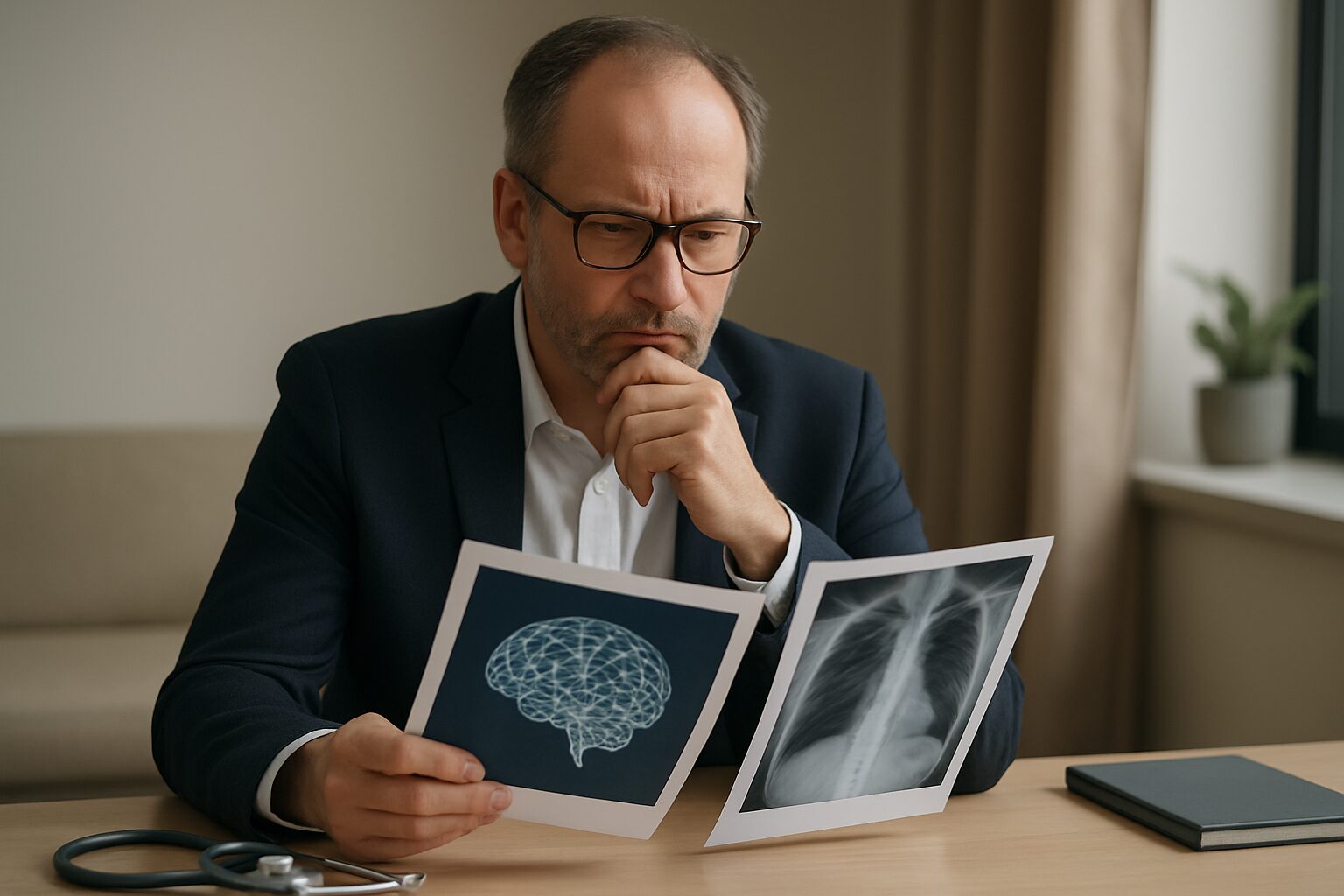
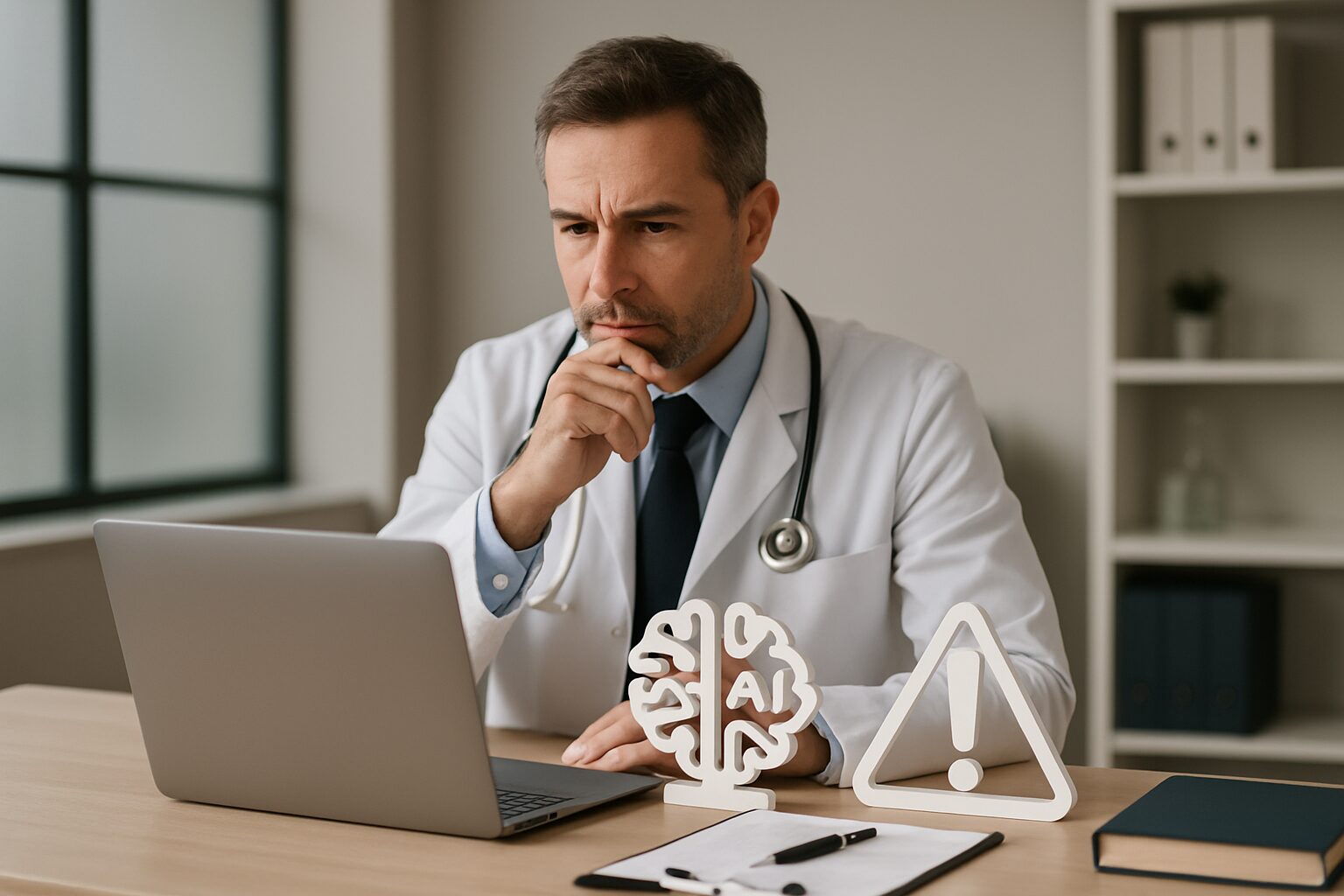
AI decision errors in healthcare occur when artificial intelligence systems provide incorrect, biased, or unsafe recommendations for patient diagnosis, treatment, or care. These errors can stem from flawed data, algorithmic limitations, or mismatches between training environments and real-world scenarios. Addressing such errors is critical because they may lead to misdiagnosis, inappropriate treatments, or other risks to patient safety.
Why It Matters - Real-world impact
AI decision errors in healthcare carry profound real-world consequences, directly impacting patients, medical professionals, and healthcare systems. When diagnostic algorithms fail or treatment recommendations err, patients may suffer misdiagnoses, delayed care, or harmful interventions—potentially exacerbating conditions or causing irreversible harm. Physicians relying on flawed AI tools face ethical dilemmas and liability risks, while hospitals may see eroded trust and increased costs from corrective treatments. For the public, these errors threaten the fundamental promise of healthcare: safe, effective treatment when most vulnerable. As AI integration accelerates, understanding these risks becomes crucial for patients advocating for their care and citizens shaping health policy.
Ethical Concerns - What’s wrong or risky?
Understanding Ethical Risks in AI Decision Errors
When AI systems make errors in healthcare decisions, the consequences can be severe, raising multiple ethical concerns. One major issue is fairness, as biased training data may lead to unequal treatment recommendations for different demographic groups. This ties closely to discrimination, where algorithms might perpetuate or even amplify existing societal biases, affecting outcomes for marginalized communities.
Transparency and Accountability
Another critical ethical risk involves transparency. Many AI models operate as "black boxes," making it difficult for clinicians and patients to understand how decisions are made. This lack of clarity can erode trust and complicate accountability when errors occur.
Economic and Social Dimensions
Errors in AI-driven healthcare tools can also have significant economic impact, such as increasing costs due to misdiagnoses or unnecessary treatments. Additionally, while not always directly linked to patient care, the integration of AI may raise concerns about job loss among healthcare workers, though some argue that AI could augment rather than replace human roles.
Differing Perspectives
Not everyone agrees on the severity or prioritization of these risks. Some experts emphasize that AI can reduce human error and improve overall care quality, arguing that ethical concerns are manageable with robust oversight. Others worry that without stringent regulations, AI could exacerbate inequalities and undermine patient autonomy.
Worker rights may also be affected if AI systems shift decision-making power away from medical professionals, potentially leading to deskilling or increased monitoring. It's essential to balance innovation with ethical safeguards to ensure AI serves all patients equitably.
Solutions - What’s being done or proposed?
Enhanced Transparency in AI Algorithms
One approach to mitigating AI decision errors in healthcare is improving the transparency of AI algorithms. This involves making the decision-making processes of AI systems more understandable to healthcare professionals and patients. By using explainable AI (XAI) techniques, developers can create models that provide clear, interpretable reasons for their outputs. This allows clinicians to verify and trust AI recommendations, reducing the risk of errors going unnoticed.
Robust Regulatory Frameworks
Governments and regulatory bodies have proposed stricter oversight of AI systems in healthcare. This includes mandatory pre-market testing, continuous monitoring, and post-deployment audits to ensure AI tools meet safety and efficacy standards. Regulations like the EU's AI Act aim to classify high-risk AI applications, such as diagnostic tools, and enforce compliance with rigorous testing and documentation requirements to minimize errors.
Human-AI Collaboration Models
To reduce reliance on AI alone, healthcare institutions are adopting human-AI collaboration models. These systems require AI outputs to be reviewed and validated by human experts before implementation. For example, AI-generated diagnoses or treatment plans are treated as secondary opinions, with final decisions resting with physicians. This hybrid approach leverages AI's efficiency while maintaining human oversight to catch potential errors.
Bias Mitigation Strategies
Addressing biases in training data is critical to preventing AI errors, especially in diverse patient populations. Solutions include auditing datasets for representational gaps, using synthetic data to balance underrepresented groups, and applying fairness-aware algorithms. Institutions like the NIH have funded initiatives to develop bias-free datasets, ensuring AI models perform equitably across demographics.
Continuous Training and Education
Healthcare providers are investing in training programs to improve AI literacy among medical staff. These programs teach clinicians how to interpret AI outputs, recognize limitations, and intervene when errors are suspected. Medical schools and hospitals are integrating AI ethics and safety modules into curricula, empowering professionals to use AI tools responsibly and effectively.
Error Reporting and Accountability Systems
Establishing clear protocols for reporting and addressing AI errors is another proposed solution. Hospitals are creating channels for clinicians and patients to flag incorrect AI recommendations, with mechanisms for investigating root causes. Legal frameworks are also evolving to define liabilityu2014whether it lies with developers, healthcare providers, or institutionsu2014when AI errors cause harm, ensuring accountability.
Real-World Performance Monitoring
Post-deployment monitoring of AI systems in real-world settings helps identify errors that may not have appeared during testing. Solutions include embedding feedback loops where AI performance is continuously evaluated against patient outcomes. Tools like dashboards track accuracy metrics, enabling rapid updates or recalls of underperforming models to prevent widespread errors.
Examples and Real Cases
IBM Watson's Incorrect Cancer Treatment Recommendations (2018)
In 2018, IBM's Watson for Oncology was found to provide incorrect and unsafe cancer treatment recommendations. Internal documents revealed that the AI system suggested giving a patient with severe bleeding a drug that could worsen the bleeding, among other errors.
Epic's Sepsis Prediction Model Underperformance (2021-2019)
Epic Systems' widely used sepsis prediction model was found to miss 67% of sepsis cases in a 2019 University of Michigan study. The AI failed to alert clinicians to life-threatening conditions in many patients across multiple hospitals from 2011-2019.
Hypothetical: AI Radiology Misdiagnosis Leading to Delayed Treatment
In a realistic hypothetical scenario, an AI radiology system could incorrectly classify a malignant tumor as benign, causing critical delays in treatment. Such errors might occur due to training data that underrepresents certain demographic groups or rare conditions.
Google Health's AI for Diabetic Retinopathy (2020)
In 2020, Google Health's AI system for detecting diabetic retinopathy showed lower accuracy in real-world deployment than in testing. The system struggled with varied image quality across different clinics, potentially missing cases of the vision-threatening condition.
Hypothetical: Medication Interaction AI Failure
A potential scenario could involve an AI pharmacy system failing to flag a dangerous drug interaction for a patient taking multiple medications. This might occur if the AI's training data didn't include rare but serious interaction cases.
Frequently Asked Questions
What are AI decision errors in healthcare?
AI decision errors in healthcare occur when artificial intelligence systems make incorrect diagnoses, treatment recommendations, or predictions about patient outcomes. These mistakes can happen due to flawed data, biased algorithms, or unexpected situations the AI wasn't trained to handle.
Why are AI mistakes in healthcare dangerous?
AI mistakes in healthcare are dangerous because they can lead to wrong treatments, delayed care, or missed diagnoses - all of which could harm patients. Since healthcare decisions directly impact people's lives, even small errors can have serious consequences.
What causes AI to make errors in medical decisions?
Common causes include: training on incomplete or biased medical data, algorithms that don't account for rare conditions, over-reliance on historical patterns that may change, and difficulty interpreting complex patient cases that require human judgment.
How can we prevent AI errors in healthcare?
Prevention methods include: using diverse and high-quality training data, regularly testing AI systems, keeping human doctors in the decision-making loop, creating clear accountability standards, and continuously monitoring AI performance in real-world settings.
Are AI systems replacing doctors because of these errors?
No, AI isn't replacing doctors. Most healthcare systems use AI as a support tool to assist human professionals, not replace them. The current approach combines AI's data processing power with doctors' experience and judgment to reduce errors and improve care.