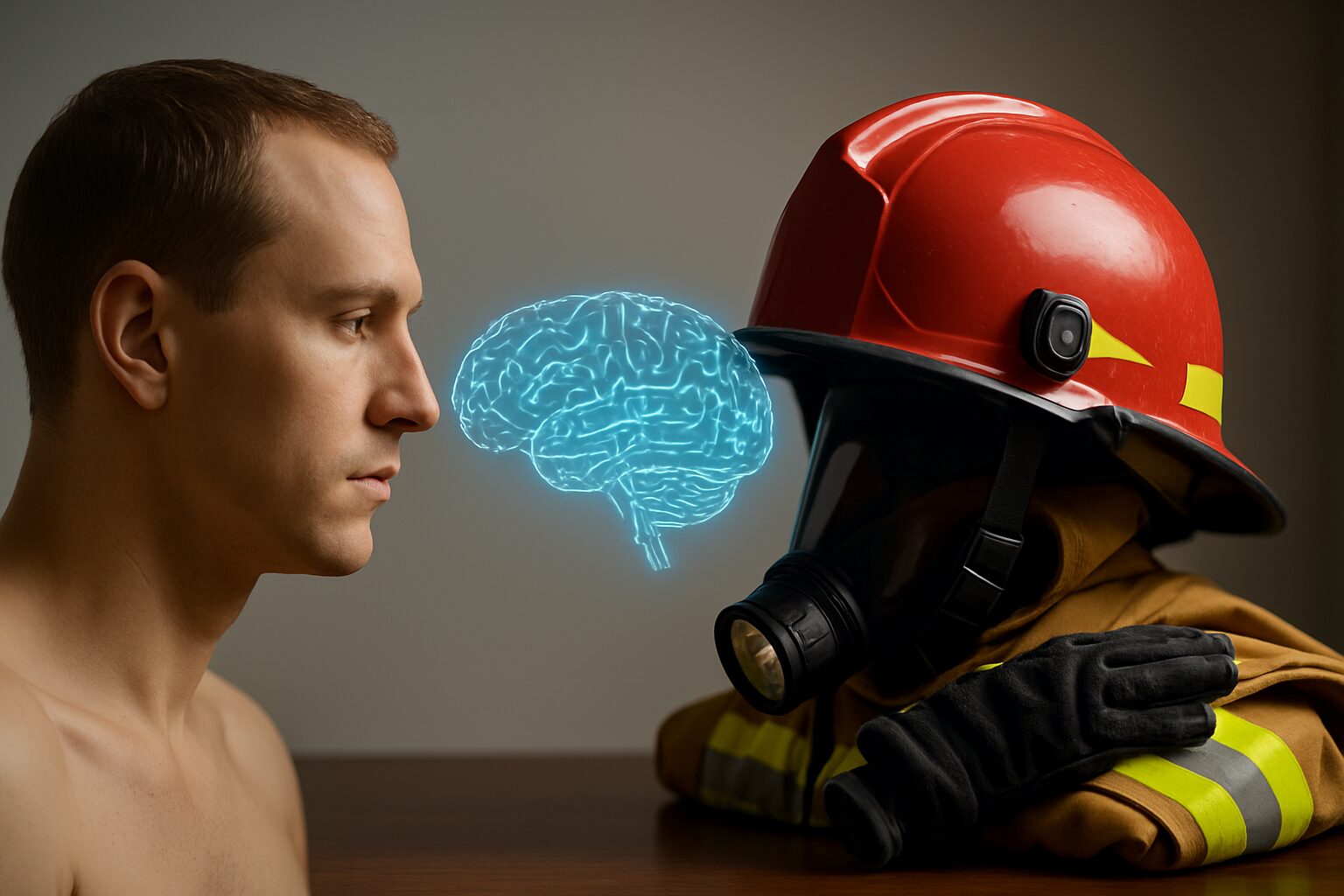
AI Cyber Threats: How Hackers Exploit Technology and Endanger Human Rights
The misuse of artificial intelligence by malicious actors poses significant risks to human rights and security. Hackers can exploit AI tools to automate cyberattacks, spread disinformation, or bypass privacy protections at scale. These actions threaten individual freedoms, democratic processes, and the safety of vulnerable populations. Addressing these risks requires understanding how AI can be weaponized and its potential consequences.
Why It Matters - Real-world impact
The misuse of AI by malicious actors poses tangible threats to individuals, organizations, and society at large. Hackers leveraging AI could automate cyberattacks at unprecedented scale, compromising personal data, financial systems, and critical infrastructure. Vulnerable populations, including marginalized communities, may face heightened risks of surveillance, discrimination, or manipulation through AI-driven disinformation. For everyday people, this could mean eroded privacy, financial loss, or even physical harm if systems like healthcare or transportation are targeted. Beyond immediate consequences, unchecked AI misuse threatens democratic processes and human rights by enabling mass deception or suppression. The societal impact is profound, making this an issue that demands urgent attention and proactive safeguards.
Ethical Concerns - What’s wrong or risky?
AI Misuse by Hackers: A Threat to Human Rights
When hackers misuse AI, they can amplify existing ethical risks in ways that directly threaten human rights. For example, AI-driven cyberattacks could target critical infrastructure, disproportionately harming vulnerable communities and raising serious fairness concerns about who bears the brunt of such attacks.
Discrimination Through Automated Targeting
Hackers could deploy AI to automate discriminatory practices, such as crafting phishing campaigns that exploit biases in language models to target specific demographics. This not only violates privacy but intensifies issues of discrimination, as algorithms might be trained on biased data to single out groups based on race, gender, or socioeconomic status.
Lack of Transparency in Malicious AI Systems
Malicious AI tools often operate as "black boxes," making it difficult to understand how decisions are made or attacks are orchestrated. This obscurity challenges accountability and underscores the importance of transparency in AI systems, even—or especially—when they are weaponized.
Economic and Social Disruption
The misuse of AI in cybercrime can lead to significant financial losses for individuals and organizations, exacerbating economic impact inequalities. Small businesses or low-income households may lack the resources to recover, widening the gap between the privileged and the marginalized.
Worker Rights in the Crosshairs
As organizations automate security responses to AI-driven threats, there may be reduced reliance on human oversight, potentially leading to job loss in cybersecurity roles. Moreover, if AI systems are used to monitor employees under the guise of security, it could infringe on worker rights, such as privacy and fair treatment.
Differing Perspectives on Regulation
Not everyone agrees on how to address these risks. Some argue for strict regulation of AI development to prevent misuse, emphasizing precautionary principles. Others caution that overregulation could stifle innovation and hinder defensive uses of AI, creating a tension between security and freedom.
Broader Moral Concerns
Beyond these categories, AI misuse by hackers raises profound moral questions about autonomy and consent. For instance, AI-generated deepfakes can manipulate public opinion or destroy reputations, challenging societal trust and individual agency in an increasingly digital world.
Solutions - What’s being done or proposed?
Strengthening Legal Frameworks
Governments and international bodies have proposed stricter regulations to curb AI misuse. Laws like the EU's AI Act aim to classify AI systems by risk levels, imposing stricter requirements on high-risk applications. These frameworks seek to hold developers and users accountable, ensuring transparency and ethical use. However, enforcement remains a challenge, especially across jurisdictions.
Ethical AI Development Guidelines
Organizations like OpenAI and the IEEE have published ethical guidelines for AI development. These include principles such as fairness, accountability, and transparency. By embedding ethical considerations into the design phase, developers can mitigate risks of misuse. While voluntary, these guidelines encourage industry-wide standards and best practices.
AI Auditing and Red Teaming
Independent audits and red teaming exercises test AI systems for vulnerabilities and biases before deployment. Companies like Google and Microsoft employ these methods to identify potential misuse scenarios. Audits help ensure systems align with safety standards, though they require ongoing updates to address evolving threats.
Public Awareness and Education
Initiatives to educate the public about AI risks and ethical use have gained traction. Workshops, online courses, and media campaigns aim to demystify AI and highlight its potential dangers. An informed public can pressure organizations to adopt responsible AI practices, though widespread engagement remains uneven.
Collaborative Threat Intelligence Sharing
Cybersecurity firms and governments are promoting shared databases of AI-related threats. By pooling knowledge on hacking techniques and vulnerabilities, stakeholders can respond faster to emerging risks. While effective, this approach requires trust and cooperation among competitors, which can be difficult to achieve.
Decentralized AI Governance
Some advocate for decentralized oversight, where multiple stakeholdersu2014governments, corporations, and civil societyu2014jointly govern AI. This model aims to prevent monopolies on AI power and distribute accountability. However, coordinating such diverse groups poses logistical and ideological challenges.
Examples and Real Cases
Deepfake Scams Targeting Businesses
In 2019, criminals used AI-generated deepfake audio to impersonate a CEO's voice, tricking a UK-based energy firm into transferring u20ac220,000 to a fraudulent account. The AI cloned the German executive's speech patterns from publicly available recordings.
AI-Powered Surveillance in Xinjiang
Chinese authorities have used AI facial recognition systems to track and detain Uyghur Muslims in Xinjiang since at least 2017. The technology analyzes biometric data from millions of surveillance cameras to target ethnic minorities.
Chatbot-Assisted Phishing Campaigns
In 2023, cybersecurity firm Darktrace reported hackers using ChatGPT to generate highly personalized phishing emails at scale. The AI helped craft convincing messages mimicking corporate communication styles while avoiding suspicious keywords.
Hypothetical: Autonomous Drone Swarm Attacks
A realistic concern involves hackers weaponizing commercial drone swarms by overriding their AI navigation systems. Such an attack could theoretically disable critical infrastructure or deliver payloads without human operators.
Predictive Policing Algorithms Amplifying Bias
The Chicago Police Department's 2013-2019 predictive policing program disproportionately targeted Black neighborhoods. The AI system reinforced existing biases by relying on historically skewed arrest data to forecast crime hotspots.
Frequently Asked Questions
What is AI misuse by hackers?
AI misuse by hackers refers to the use of artificial intelligence by cybercriminals to carry out harmful activities, such as creating deepfake scams, automating cyberattacks, or bypassing security systems. This can lead to privacy violations, financial losses, and threats to human rights.
Why is AI misuse a human rights issue?
AI misuse can violate human rights by enabling mass surveillance, spreading misinformation, or discriminating against marginalized groups. For example, biased AI systems or deepfakes can be used to manipulate public opinion or target individuals unfairly.
How can AI be used to harm people today?
Today, AI can be misused in ways like generating fake news, impersonating voices for scams, or automating phishing attacks. These threats can erode trust, spread hate speech, or even endanger lives by manipulating critical information.
What can we do to prevent AI misuse?
Preventing AI misuse requires stronger regulations, ethical AI development, and public awareness. Governments, tech companies, and users must work together to detect malicious AI use, improve cybersecurity, and promote transparency in AI systems.
How does AI misuse affect online safety?
AI misuse makes online spaces riskier by enabling sophisticated scams, automated hacking, and personalized manipulation. This can make it harder for individuals to trust digital interactions, increasing risks for privacy breaches and cyberbullying.