AI in the Crosshairs: How Hackers Are Targeting Industries with AI Tools
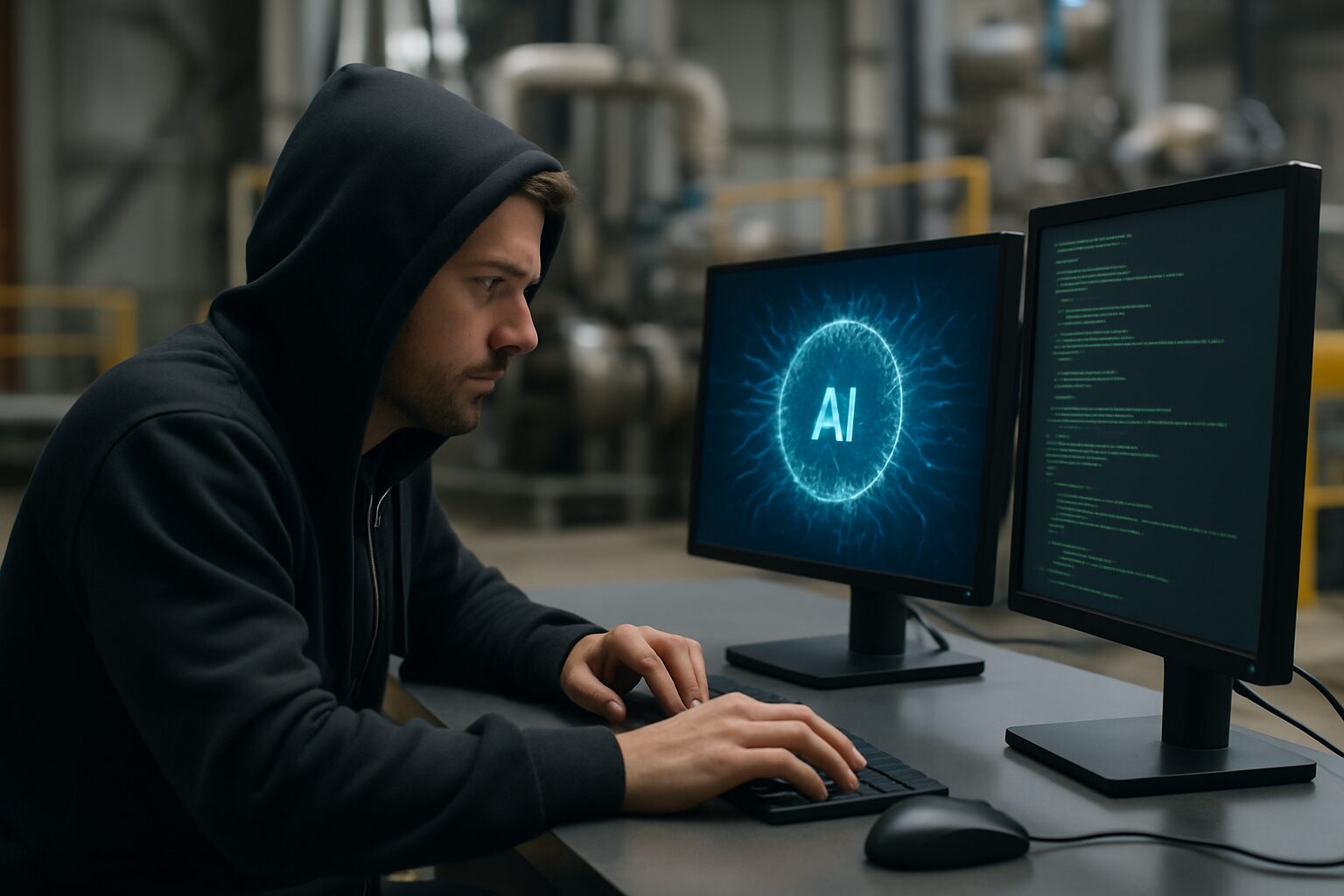
As artificial intelligence becomes more advanced and accessible, the risk of its misuse by malicious actors in industry grows. Hackers can exploit AI tools to automate attacks, bypass security measures, or manipulate systems at scale. This raises significant ethical concerns about how to prevent harm while fostering innovation.
Why It Matters - Real-world impact
The misuse of AI by hackers poses tangible threats to industries, economies, and individuals. Cybercriminals can leverage AI to automate attacks, bypass security systems, or generate convincing deepfakes for fraud, putting businesses, governments, and everyday users at risk. Critical infrastructure—such as healthcare, finance, and energy—could be disrupted, leading to financial losses, privacy breaches, or even physical harm. For regular people, this could mean stolen identities, manipulated information, or compromised services they rely on. The issue isn't abstract; it's a growing danger that demands awareness and proactive safeguards.
Ethical Concerns - What’s wrong or risky?
Economic Impact of AI Misuse
When hackers misuse AI in industrial settings, they can cause severe economic disruption. By manipulating AI-driven systems, attackers could trigger production halts, supply chain failures, or financial losses, disproportionately affecting smaller businesses and vulnerable economies. This raises concerns about economic impact, as the fallout may deepen existing inequalities and concentrate power among those who can afford advanced cybersecurity.
Discrimination Through Manipulated AI
Hackers could exploit AI algorithms to introduce or amplify biases, leading to discriminatory outcomes. For example, by poisoning training data or manipulating decision-making models, attackers might cause hiring algorithms to unfairly reject candidates from certain demographics or skew credit scoring systems. This ties directly into discrimination concerns, as such actions could systematically harm marginalized groups.
Fairness in Automated Decisions
AI systems are often designed to optimize efficiency, but when compromised, they can make deeply unfair decisions. Hackers might alter parameters to favor certain stakeholders or outcomes, undermining the fairness that these systems are meant to uphold. For instance, in automated resource allocation, manipulated AI could unjustly divert assets, creating an unlevel playing field in competitive industries.
Transparency and Accountability Gaps
AI systems, especially complex models like deep learning networks, can be "black boxes," making it difficult to understand how decisions are made. If hackers exploit these systems, the lack of transparency complicates attributing responsibility and diagnosing the extent of manipulation. This opacity can erode trust in AI-driven processes and hinder efforts to hold malicious actors accountable.
Worker Rights in the Crosshairs
AI misuse doesn’t only affect data or infrastructure—it can also jeopardize worker rights. For example, if hackers disrupt AI monitoring systems, they might fabricate performance data leading to wrongful termination or unsafe working conditions. Alternatively, compromised collaborative robots (cobots) could put physical safety at risk, highlighting how ethical concerns extend to human well-being in the workplace.
Differing Perspectives on AI Risk Priorities
Not all experts agree on which ethical risks should take precedence. Some argue that economic stability and preventing large-scale disruptions deserve the most attention, while others emphasize protecting individual rights like privacy and fairness. There is also debate over whether regulation should focus on punishing malicious actors or on designing inherently secure and ethical AI systems from the start.
Additional Moral Concerns
Beyond the linked categories, AI misuse introduces broader moral issues, such as erosion of public trust in technology and the potential for escalating cyber conflicts. If hackers use AI to launch sophisticated, hard-to-detect attacks, it could normalize digital warfare, challenging international norms and ethical boundaries in unprecedented ways.
Solutions - What’s being done or proposed?
Enhanced Cybersecurity Measures
Organizations and governments have invested in advanced cybersecurity frameworks to protect AI systems from being hacked. This includes implementing robust encryption, multi-factor authentication, and continuous monitoring for unusual activity. Ethical hackers are also employed to identify vulnerabilities before malicious actors can exploit them.
AI Ethics and Governance Frameworks
Institutions have developed ethical guidelines and governance frameworks to ensure responsible AI use. These frameworks often include principles like transparency, accountability, and fairness. Companies adopting these guidelines are required to conduct risk assessments and adhere to strict compliance standards to mitigate misuse.
Legal Regulations and Penalties
Governments worldwide are enacting laws to criminalize the misuse of AI by hackers. These regulations impose severe penalties for unauthorized access, data breaches, and malicious AI deployments. International cooperation is also being strengthened to address cross-border cybercrimes involving AI.
Public Awareness and Education
Educational campaigns aim to inform the public and industry professionals about the risks of AI misuse. Training programs teach best practices for secure AI deployment, while public awareness initiatives highlight the ethical implications of AI hacking. This fosters a culture of responsibility and vigilance.
Collaborative Industry Standards
Tech companies and industry groups collaborate to establish shared security standards for AI systems. By working together, they create unified protocols for data protection, system integrity, and threat response. These standards help prevent fragmentation and ensure consistent safeguards across the industry.
AI Red Teaming
Red teaming involves simulating attacks on AI systems to identify weaknesses before they can be exploited. Ethical hackers mimic the tactics of malicious actors to test defenses and improve resilience. This proactive approach helps organizations stay ahead of potential threats.
Examples and Real Cases
Deepfake CEO Fraud
In 2019, hackers used AI-generated deepfake audio to impersonate a CEO's voice, tricking a UK-based energy firm into transferring $243,000 to a fraudulent account. The AI cloned the executive's voice after analyzing recordings from public speeches.
AI-Powered Phishing Campaigns
In 2021, cybersecurity firm Darktrace reported detecting AI-generated phishing emails that adapted language and style in real-time based on recipient responses. These campaigns showed significantly higher success rates than traditional phishing attempts.
Automated Vulnerability Discovery
Hypothetical: In 2023, hackers could deploy AI systems that continuously scan millions of lines of code to identify zero-day vulnerabilities faster than human researchers. Such tools would dramatically increase the scale of potential attacks.
AI-Driven Social Engineering
In 2020, researchers demonstrated how AI could analyze social media profiles to generate highly personalized manipulation attempts. One test showed 60% success rates in getting targets to reveal sensitive information.
Autonomous Malware Propagation
The 2017 WannaCry ransomware attack showed early signs of AI-like behavior, though it wasn't true AI. A future version could use machine learning to adapt its propagation methods based on network defenses it encounters.
Frequently Asked Questions
What is AI misuse by hackers in industry?
AI misuse by hackers in industry refers to the malicious use of artificial intelligence by cybercriminals to exploit vulnerabilities, automate attacks, or manipulate systems in businesses and critical infrastructure, leading to data breaches, financial losses, or operational disruptions.
Why is AI misuse by hackers a growing concern?
AI misuse is a growing concern because hackers can use AI to launch faster, more sophisticated, and large-scale attacks that are harder to detect. This increases risks to industries like healthcare, finance, and manufacturing, where security breaches can have severe consequences.
How can industries protect against AI-powered cyberattacks?
Industries can protect themselves by investing in AI-driven cybersecurity tools, training employees on threat awareness, regularly updating systems, and collaborating with experts to stay ahead of evolving AI-based threats.
What are real-world examples of AI misuse by hackers?
Examples include AI-generated phishing emails that mimic human writing, deepfake scams impersonating executives, and automated malware that adapts to bypass security measures. These tactics make attacks more convincing and difficult to stop.
How does AI misuse impact everyday business operations?
AI misuse can disrupt business operations by causing downtime, stealing sensitive data, or damaging reputations. For example, a hacked AI system in manufacturing could lead to faulty products or halted production lines, costing time and money.