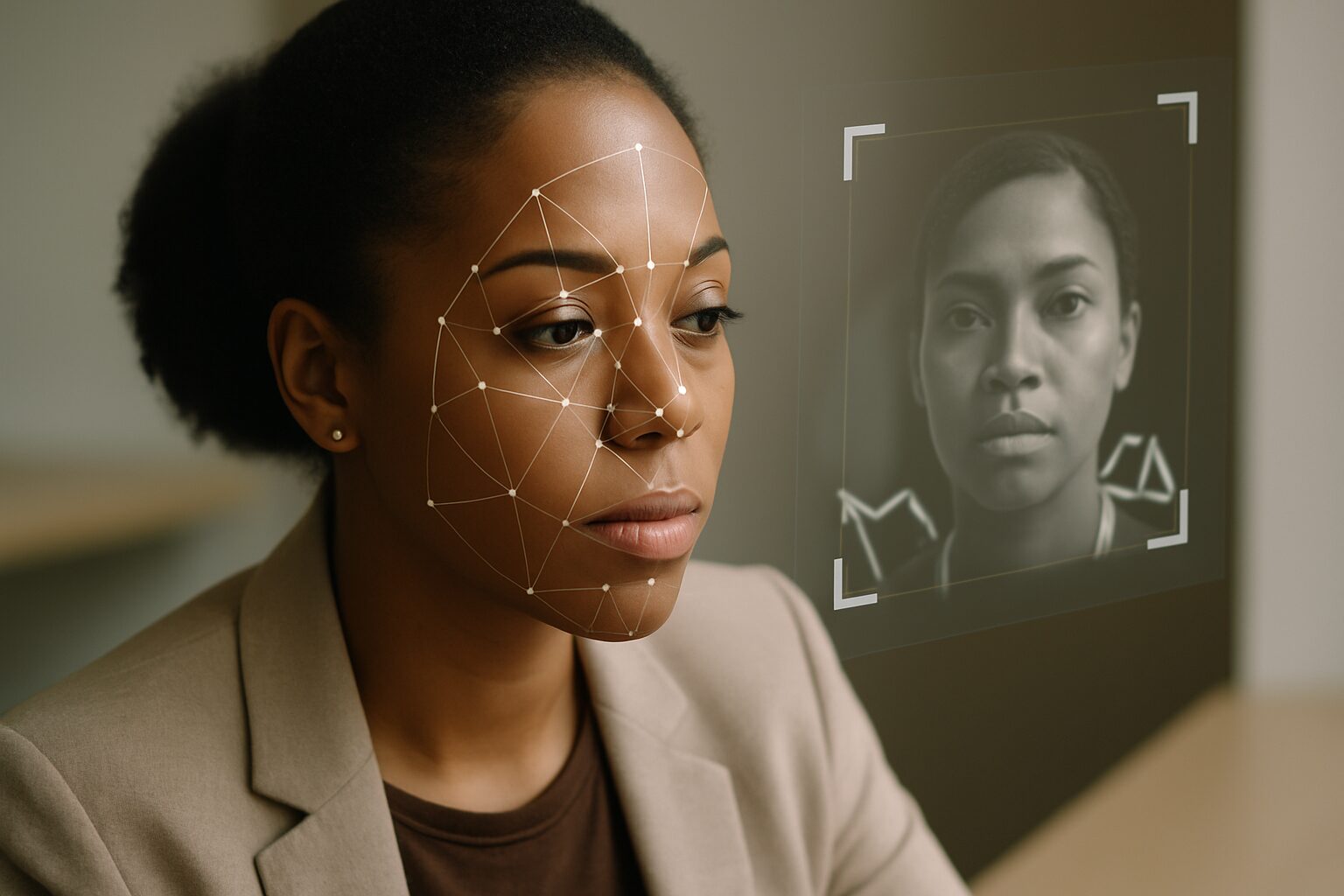
Facial Recognition Flaws: How Tech Bias Threatens Human Rights
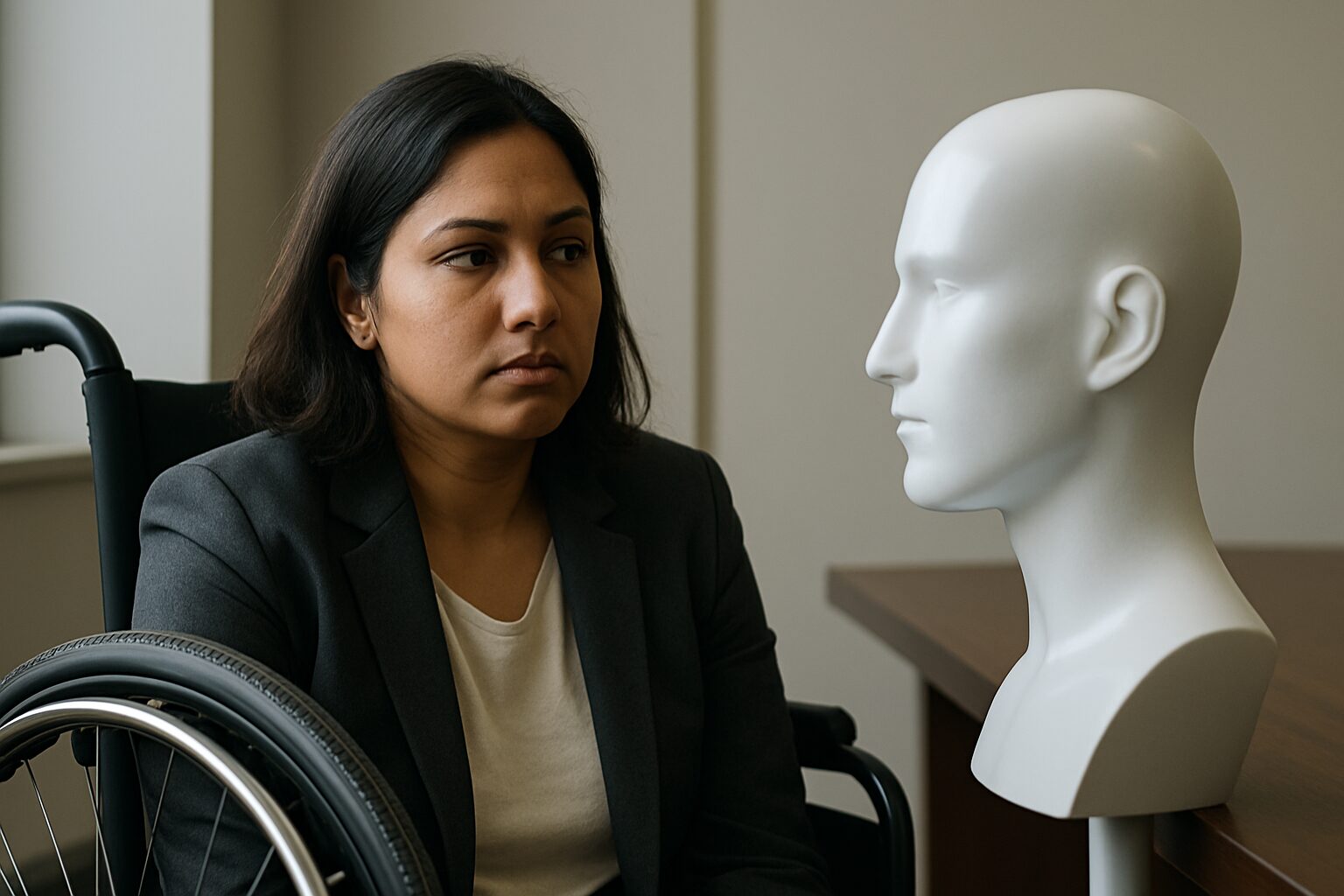
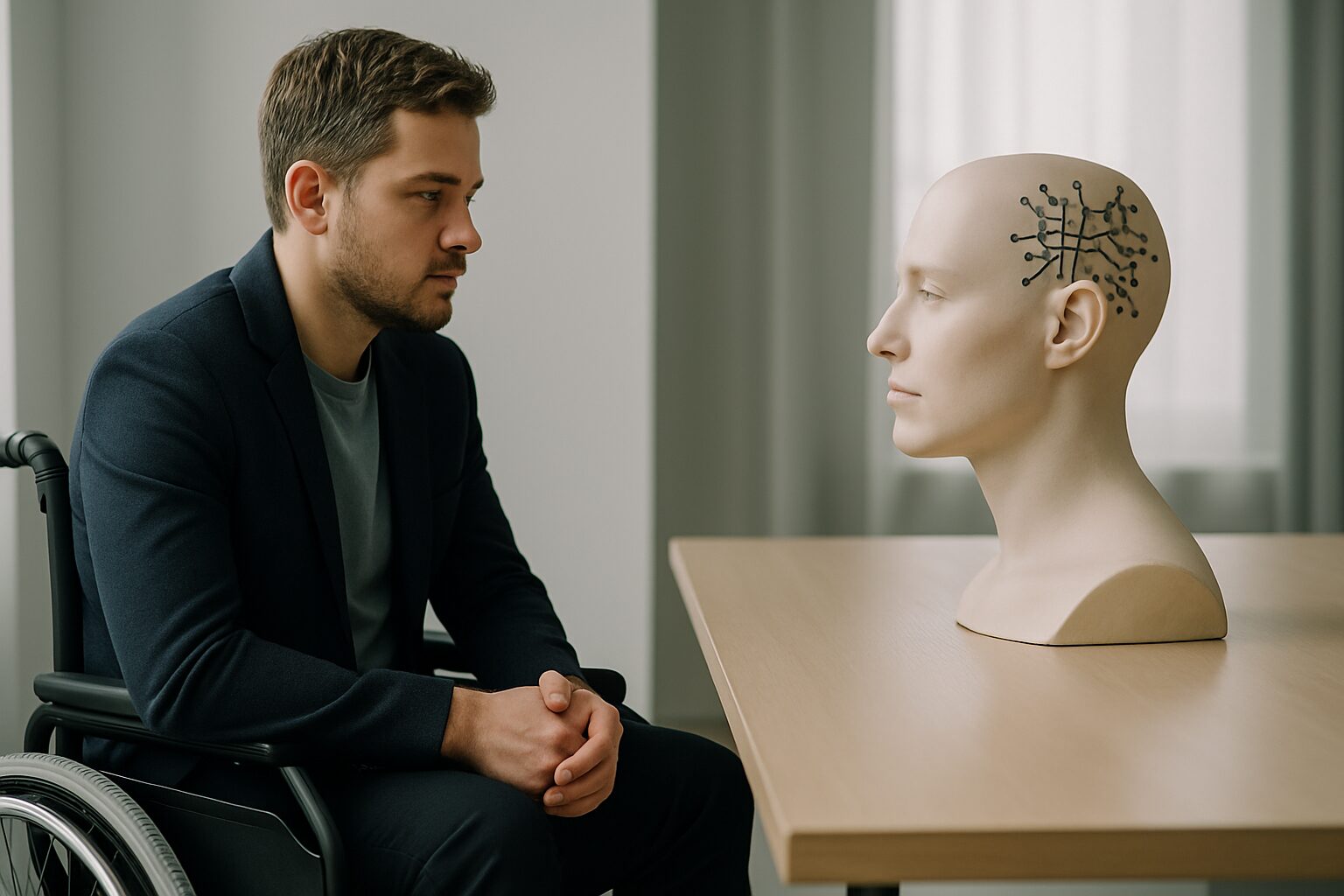
Facial recognition systems use artificial intelligence to identify or verify individuals based on facial features. These systems can exhibit bias, often performing less accurately for certain demographic groups due to imbalanced training data or flawed algorithms. When deployed in law enforcement, surveillance, or public services, such biases may lead to discrimination, raising concerns about violations of privacy and human rights.
Why It Matters - Real-world impact
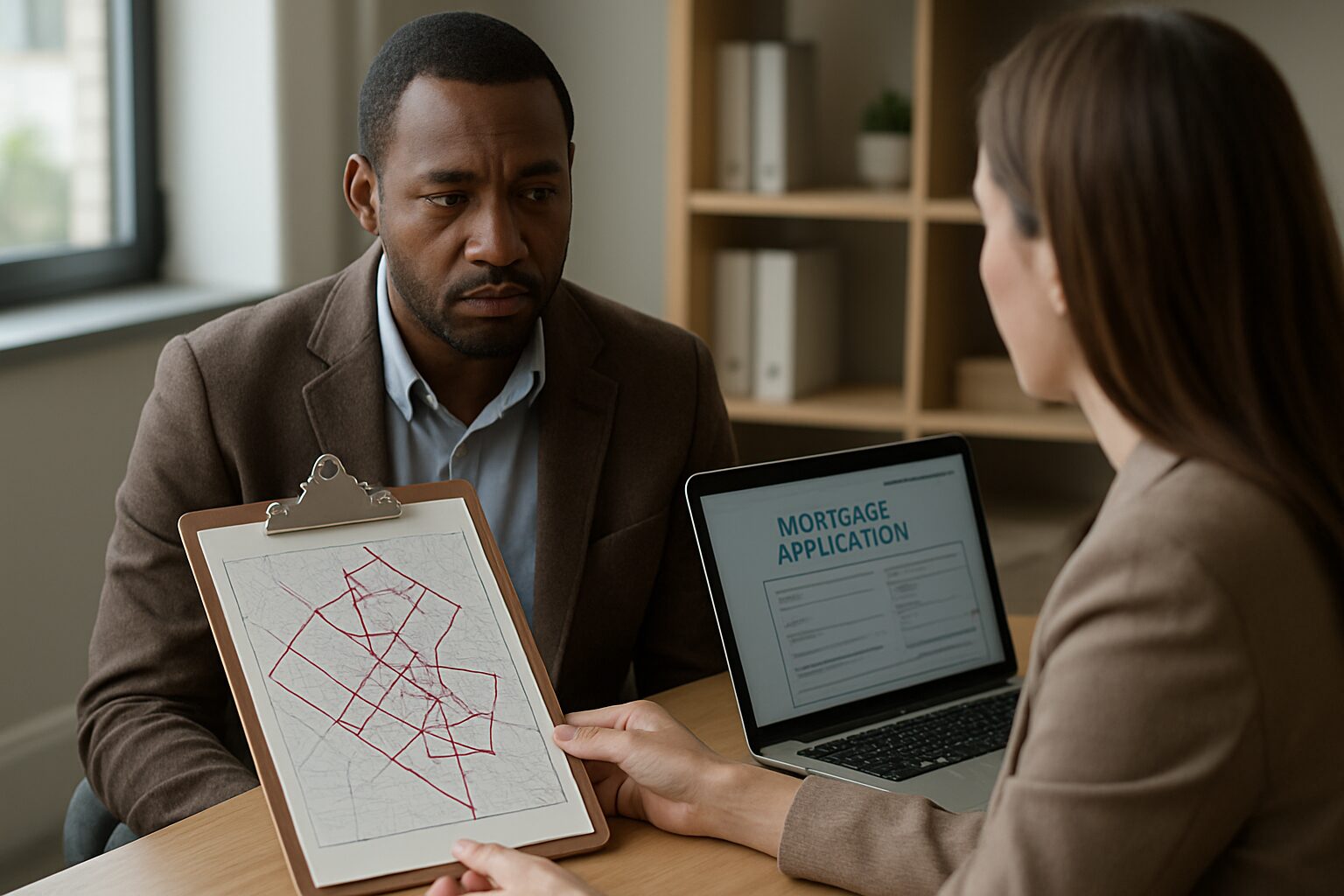
Facial recognition systems with embedded biases disproportionately misidentify or fail to recognize individuals from marginalized communities, particularly people of color, women, and non-binary individuals. These inaccuracies can lead to wrongful arrests, unjust surveillance, and systemic discrimination in law enforcement, hiring, and access to services. When deployed without accountability, such technologies reinforce existing inequalities and erode trust in institutions. Everyday people should care because these systems are increasingly used in policing, banking, and even public spaces—often without consent. The consequences extend beyond privacy violations, shaping who gets targeted, who remains invisible, and who bears the harm of flawed technology.
Ethical Concerns - What’s wrong or risky?
Bias in Facial Recognition: A Human Rights Challenge
Facial recognition systems, increasingly deployed in public and private sectors, present profound ethical risks that intersect directly with human rights. These technologies often exhibit significant performance disparities across demographic groups, raising urgent questions about their societal impact.
Discrimination Risks
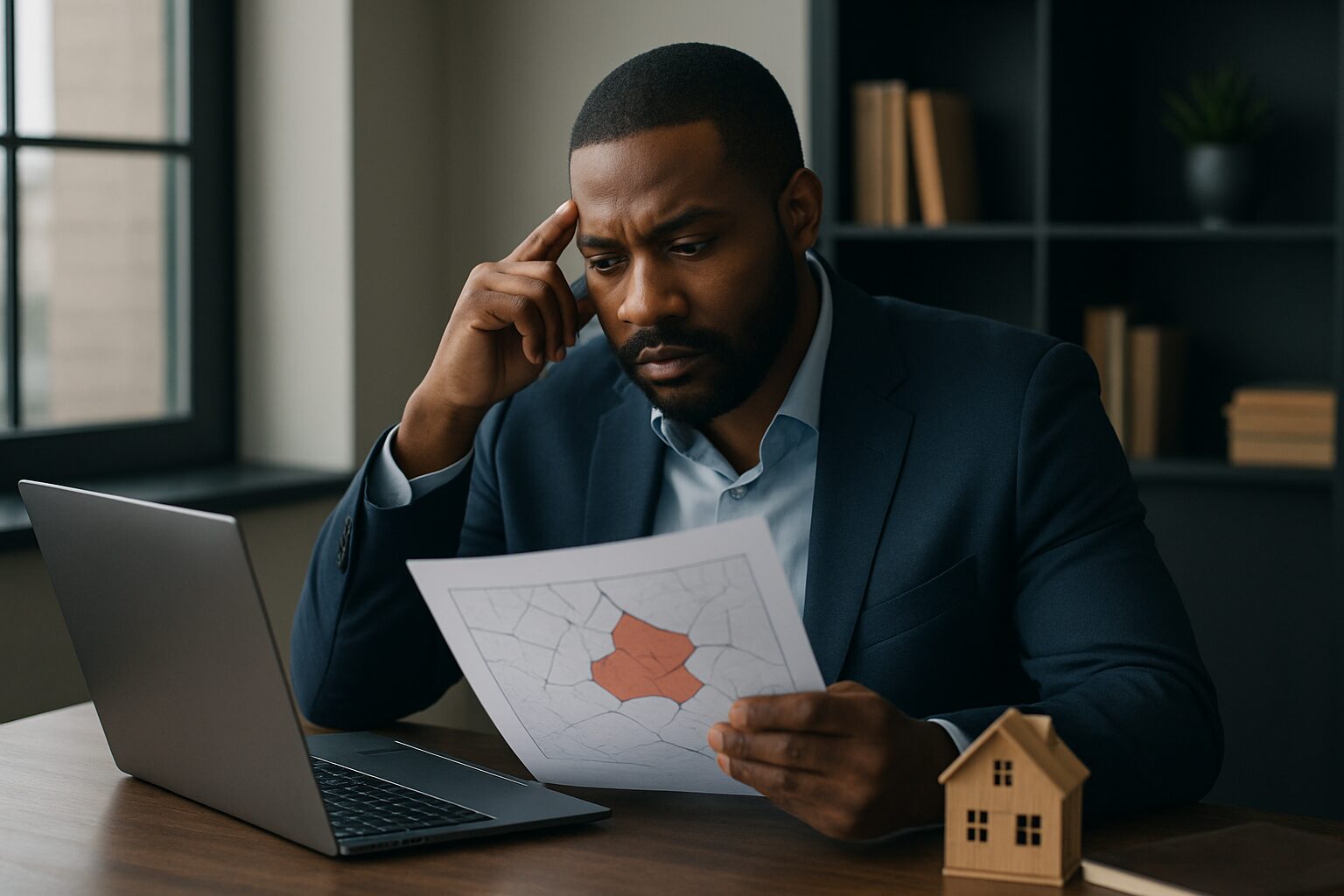
One of the most pressing concerns is systemic discrimination. Algorithms trained on unrepresentative data frequently misidentify individuals from marginalized racial and ethnic groups, leading to false arrests, heightened surveillance, and reinforced social inequities. This technical flaw translates into real-world harm, disproportionately affecting already vulnerable populations.
Fairness Implications
Linked to discrimination is the issue of fairness. When systems perform better for some groups than others, they violate principles of equitable treatment. This is not merely a technical problem but a moral one, as it undermines the right to equal protection and exacerbates existing societal biases.
Transparency Deficits
Many facial recognition systems operate as "black boxes," with little transparency regarding their design, data sources, or decision-making processes. This opacity makes it difficult to audit for bias or hold developers and deployers accountable, eroding public trust and complicating efforts to ensure ethical use.
Economic and Employment Concerns
Widespread adoption could lead to significant job loss in sectors like security and retail, where human roles are replaced by automated systems. Additionally, the economic impact may be uneven, disproportionately affecting low-income workers who rely on these jobs. There are also worries about worker rights, as surveillance technologies might be used to monitor employees excessively, infringing on privacy and autonomy.
Differing Perspectives
Not all stakeholders view these risks uniformly. Proponents argue that facial recognition enhances security and efficiency, and that technical improvements can mitigate bias. Others emphasize that the benefits outweigh the risks when systems are properly regulated. Critics, however, contend that the inherent potential for abuse and discrimination justifies stricter limits or even bans on such technology.
Additional moral concerns include privacy erosion, consent issues, and the potential for authoritarian misuse, each compounding the threat to fundamental human rights.
Solutions - What’s being done or proposed?
Diverse and Representative Training Data
One technical approach to reducing bias in facial recognition systems is ensuring that the datasets used for training are diverse and representative of the population. This includes collecting images of people from different ethnicities, genders, ages, and other demographic factors. By improving the quality and inclusivity of training data, developers can minimize disparities in accuracy across groups.
Algorithmic Audits and Transparency
Regular audits of facial recognition algorithms by independent third parties can help identify and mitigate biases. Transparency in how these systems are developed and tested is crucial. Companies and governments can be required to disclose performance metrics across different demographic groups, allowing for public scrutiny and accountability.
Legal Regulations and Bans
Some jurisdictions have implemented legal measures to address bias in facial recognition. For example, certain cities and countries have banned or restricted its use in law enforcement due to concerns about discrimination and privacy violations. Legal frameworks can mandate fairness standards and impose penalties for non-compliance, ensuring ethical deployment.
Bias Mitigation Techniques in AI Development
Researchers have proposed various technical methods to reduce bias during the development of facial recognition systems. These include adversarial debiasing, reweighting training samples, and using fairness-aware loss functions. Implementing these techniques can help balance accuracy across different groups without compromising overall performance.
Community Engagement and Public Oversight
Involving affected communities in the design and deployment of facial recognition systems can help address ethical concerns. Public oversight boards or stakeholder consultations can provide feedback on potential biases and human rights implications. This social approach ensures that the technology serves the public interest rather than perpetuating harm.
Ethical Guidelines and Industry Standards
Professional organizations and industry groups have developed ethical guidelines for AI and facial recognition. These standards encourage developers to prioritize fairness, accountability, and transparency. Adopting such frameworks can promote best practices and foster trust in the technology among users and regulators.
Examples and Real Cases
Wrongful Arrest Due to Misidentification
In 2020, Robert Williams, a Black man from Michigan, was wrongfully arrested due to a false facial recognition match by Detroit Police. The system incorrectly identified him as a suspect in a shoplifting case, highlighting racial bias in the technology.
Gender Shades Study Reveals Disparities
A 2018 study by Joy Buolamwini and Timnit Gebru, called 'Gender Shades,' found that commercial facial recognition systems had higher error rates for darker-skinned women. IBM, Microsoft, and Face++ all showed significant disparities in accuracy based on gender and skin tone.
Clearview AI and Privacy Violations
In 2021, Clearview AI faced lawsuits and bans in multiple countries for scraping billions of facial images without consent. Critics argued its use by law enforcement disproportionately targeted marginalized communities, raising human rights concerns.
Hypothetical: Bias in Hiring Algorithms
A hypothetical scenario could involve a company using facial recognition to screen job applicants, favoring candidates with certain facial features linked to biased training data. This could systematically exclude qualified individuals from underrepresented groups.
San Francisco's Facial Recognition Ban
In 2019, San Francisco became the first U.S. city to ban government use of facial recognition over concerns about racial bias and civil liberties. The decision was influenced by cases of misidentification and surveillance targeting minority communities.
Frequently Asked Questions
What is bias in facial recognition systems?
Bias in facial recognition systems refers to errors or inaccuracies that disproportionately affect certain groups of people, often based on race, gender, or age. This happens because the algorithms are trained on datasets that may not represent all groups equally.
Why is bias in facial recognition a human rights issue?
Bias in facial recognition can lead to unfair treatment, discrimination, or violations of privacy, especially for marginalized communities. This raises human rights concerns because it can reinforce systemic inequalities and limit access to justice or opportunities.
How does bias in facial recognition affect people today?
Today, biased facial recognition can lead to wrongful arrests, unfair surveillance, or exclusion from services. For example, some systems misidentify people of color more often, which can have serious real-world consequences like false accusations.
What can be done to reduce bias in facial recognition?
To reduce bias, developers can use more diverse training datasets, test systems across different demographics, and implement fairness checks. Governments and organizations can also create regulations to ensure these systems are used ethically.
Why should beginners care about fairness in facial recognition?
Fairness in facial recognition matters because these systems are increasingly used in policing, hiring, and security. Understanding bias helps people advocate for ethical technology that treats everyone equally and protects human rights.