Tech Bias and Accessibility Gaps
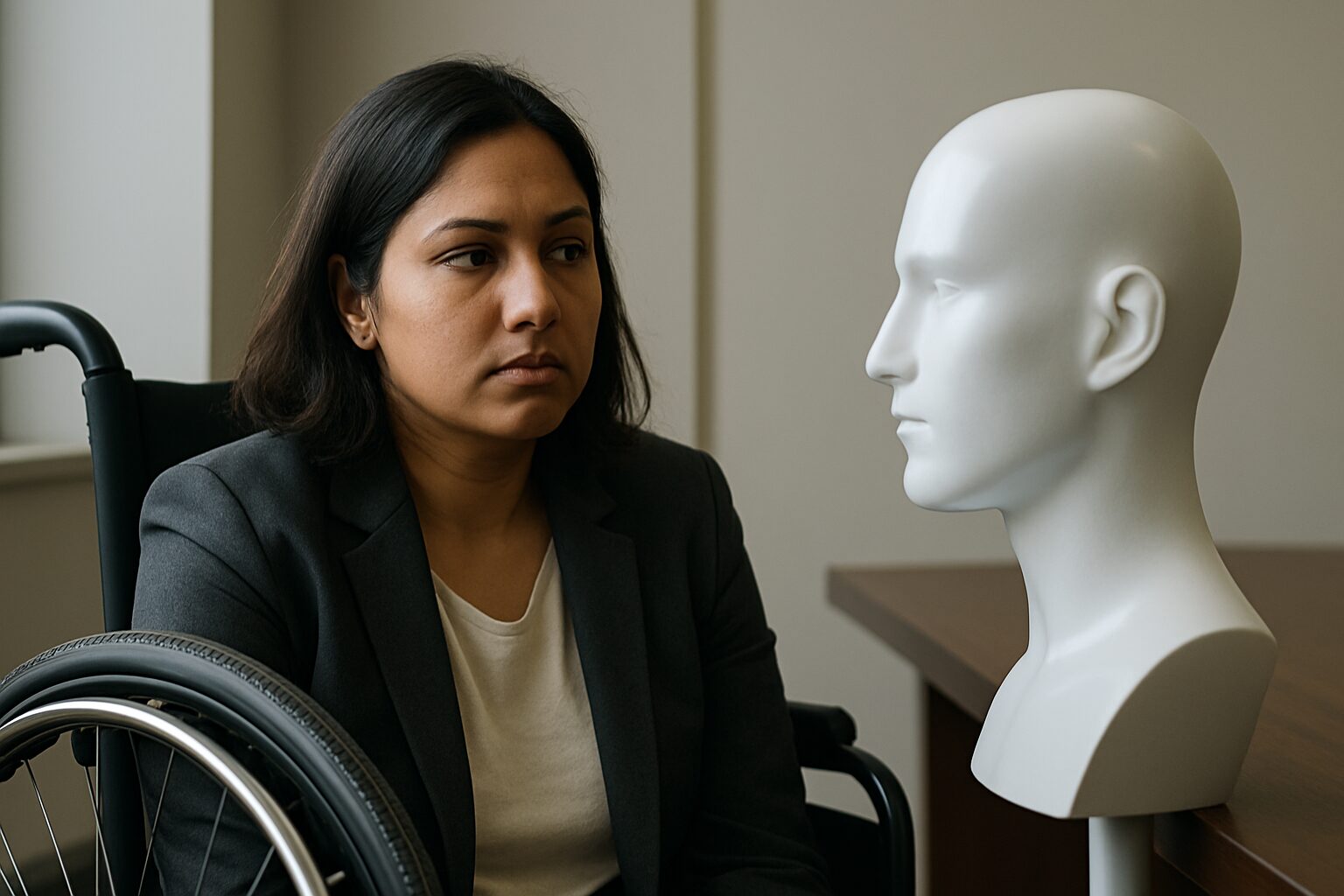
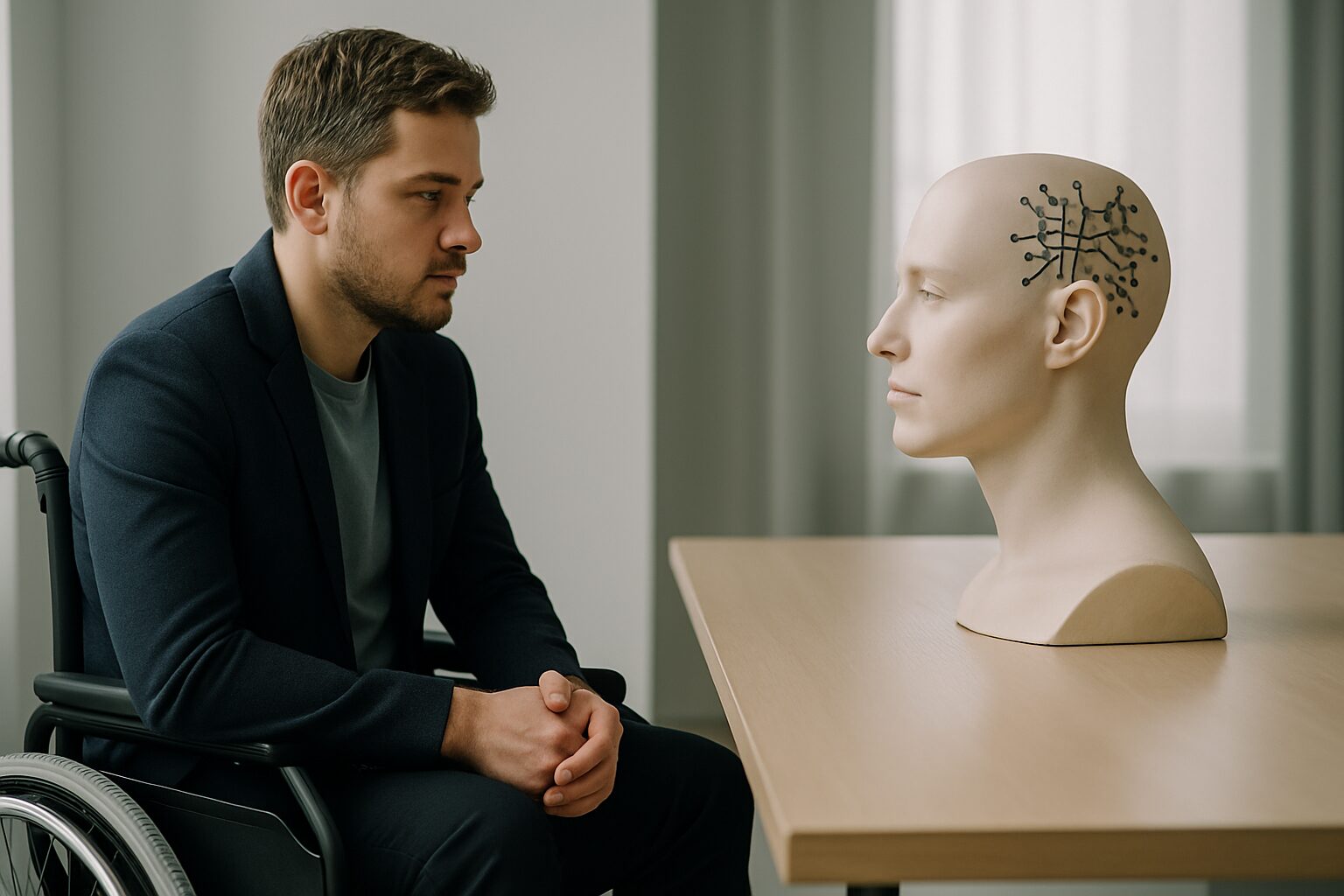
AI systems can unintentionally discriminate against people with disabilities due to biases in data, design, or implementation. This occurs when algorithms fail to account for diverse accessibility needs or reflect societal prejudices in their decision-making. Such discrimination may limit access to services, employment, or opportunities for disabled individuals. Addressing these trends requires examining how AI models are trained and deployed to ensure fairness.
Why It Matters - Real-world impact
AI-driven disability discrimination has real-world consequences, affecting millions who rely on fair access to employment, healthcare, education, and essential services. When biased algorithms screen job applications, deny medical coverage, or misinterpret assistive communication tools, they reinforce systemic barriers. For example, facial recognition systems failing to detect non-standard expressions or voice assistants excluding speech impairments can alienate users. Beyond direct harm, these flaws perpetuate societal exclusion, undermining the promise of equitable technology. Regular people should care because unchecked AI bias risks normalizing discrimination, eroding trust in institutions, and widening gaps in accessibility—problems that ultimately diminish collective progress.
Ethical Concerns - What’s wrong or risky?
AI and Disability Discrimination: Emerging Ethical Risks
As AI systems become more integrated into daily life, they risk perpetuating or even amplifying discrimination against people with disabilities. One major concern is fairness, as algorithms trained on non-representative data may fail to recognize or accommodate diverse abilities, leading to inequitable outcomes in areas like hiring or service access.
Another critical issue is discrimination, where AI tools—such as resume screeners or facial recognition—may systematically disadvantage individuals with disabilities, whether through biased data, design oversights, or a lack of inclusive testing.
Transparency is also a key ethical risk, as many AI systems operate as "black boxes," making it difficult for users to understand why a decision was made or how to appeal it. This lack of clarity can be particularly harmful for people with disabilities who may need accommodations that the system does not provide or explain.
Some argue that AI can actually reduce discrimination by removing human bias, while others caution that without careful design and regulation, these technologies may entrench existing inequalities. There is also debate over whether prioritizing accessibility in AI development is a moral imperative or an economic burden.
Additional ethical concerns include the potential for job loss if AI automation replaces roles that have been traditionally accessible to people with disabilities, as well as risks to worker rights if monitoring or productivity-tracking AI tools do not account for disability-related needs.
Economic impacts cannot be ignored; if AI systems are not designed inclusively, they may limit economic opportunities for people with disabilities, exacerbating existing disparities. However, proponents of AI highlight its potential to create new tools and assistive technologies that empower rather than exclude.
Solutions - What’s being done or proposed?
Implementing Inclusive Design Principles
One approach to mitigating AI-driven disability discrimination is incorporating inclusive design principles from the outset. This involves actively engaging people with disabilities in the development process, ensuring datasets are representative, and designing interfaces that accommodate diverse needs. Companies like Microsoft have pioneered this approach with tools like Seeing AI, which was developed with input from blind and low-vision users. Technical teams are encouraged to follow WCAG guidelines and consider a wide range of disabilities during system design.
Developing Bias Auditing Frameworks
Researchers have proposed standardized auditing frameworks to detect disability bias in AI systems. These frameworks involve testing algorithms with disability-inclusive datasets, analyzing error rates across different disability groups, and assessing whether systems perpetuate harmful stereotypes. The Algorithmic Justice League has demonstrated how such audits can reveal biases in facial recognition systems that underperform for people with facial differences or mobility impairments affecting facial expressions.
Legal Protections and Policy Interventions
Some jurisdictions are exploring updates to anti-discrimination laws to explicitly address AI bias against people with disabilities. For example, the European Union's proposed AI Act includes provisions for high-risk systems that could impact disability rights. In the U.S., advocates are pushing for the ADA to be interpreted as covering algorithmic discrimination. These legal approaches aim to hold developers accountable and provide recourse for those harmed by biased systems.
Diverse Hiring in AI Development Teams
Organizations are recognizing that teams lacking disability representation are more likely to create biased systems. Initiatives like Disability:IN are working to increase employment of people with disabilities in tech roles. Some companies now mandate that AI teams include people with lived experience of disability, while others create advisory boards of disability advocates. This helps surface accessibility issues early and challenges assumptions about 'normal' user behavior in AI hiring tools.
Transparency and Explainability Requirements
There's growing demand for AI systems affecting people with disabilities to provide clear explanations of their decision-making processes. For instance, if an AI hiring tool rejects an applicant with a disability, the system should explain which factors contributed to that decision in an accessible format. The Explainable AI movement emphasizes creating interfaces that allow users to understand and potentially challenge algorithmic decisions that may discriminate.
Community-Led Alternative Systems
Some disability communities are developing their own AI tools to counter mainstream systems that exclude them. Examples include crowdsourced captioning alternatives to automated systems that struggle with speech impairments, or navigation apps created by and for wheelchair users. These community-driven solutions often better address specific needs while demonstrating how inclusive technology should function.
Examples and Real Cases
Facial Recognition Fails to Recognize Disabled Faces
In 2019, researchers at the University of Cambridge found that facial recognition systems had significantly higher error rates for people with Down syndrome. The study showed error rates up to 34% for individuals with Down syndrome compared to just 0.5% for non-disabled individuals.
AI Hiring Tools Discriminate Against Applicants with Disabilities
In 2022, the U.S. Equal Employment Opportunity Commission (EEOC) investigated HireVue, an AI hiring platform, for potential discrimination against applicants with speech or motor disabilities. The system reportedly downgraded candidates who spoke slowly or had atypical facial movements, common traits for some disabilities.
Hypothetical: Voice Assistants Unable to Understand Speech Impairments
A realistic hypothetical example would be voice assistants like Siri or Alexa consistently failing to understand users with speech impairments such as cerebral palsy or ALS. This could prevent these individuals from accessing basic smart home controls or emergency services through voice commands.
Automatic Captioning Errors for Deaf Users
In 2021, a study by the University of Washington revealed that AI-powered automatic captioning services like YouTube's had error rates up to 80% for technical or medical terms. This made educational content inaccessible for many deaf or hard-of-hearing users who rely on accurate captions.
Hypothetical: Wheelchair Navigation Apps with Inaccessible Routes
A realistic hypothetical scenario would be AI-powered navigation apps directing wheelchair users through routes with stairs or uneven terrain. The algorithms might prioritize shortest distance over accessibility, putting disabled users in dangerous or impossible situations.
Frequently Asked Questions
What is AI disability discrimination?
AI disability discrimination occurs when artificial intelligence systems unfairly treat people with disabilities, often due to biased data or design that doesn't account for diverse needs. This can happen in hiring algorithms, facial recognition, or other AI tools that may exclude or disadvantage disabled individuals.
Why is AI bias against disabled people a problem?
AI bias against disabled people is problematic because it can limit access to jobs, services, and opportunities. As AI becomes more common in daily life, unfair systems could worsen existing inequalities and create new barriers for people with disabilities.
How does AI accidentally discriminate against disabilities?
AI often discriminates accidentally when training data lacks enough examples of people with disabilities, or when designers don't consider diverse needs. For example, facial recognition might struggle with facial differences, or voice assistants might not understand speech patterns from people with speech disabilities.
What are some real examples of AI disability discrimination?
Real examples include job application algorithms rejecting resumes that mention disability accommodations, self-driving cars not being tested with wheelchair users, or health algorithms making worse recommendations for patients with certain disabilities.
How can we make AI more fair for people with disabilities?
We can improve fairness by including disabled people in AI development, using diverse training data, testing systems with disability communities, and creating accessibility standards for AI tools. It's also important to have human oversight of automated decisions.