Who Takes the Blame When AI Fails? Exploring Responsibility in Tech
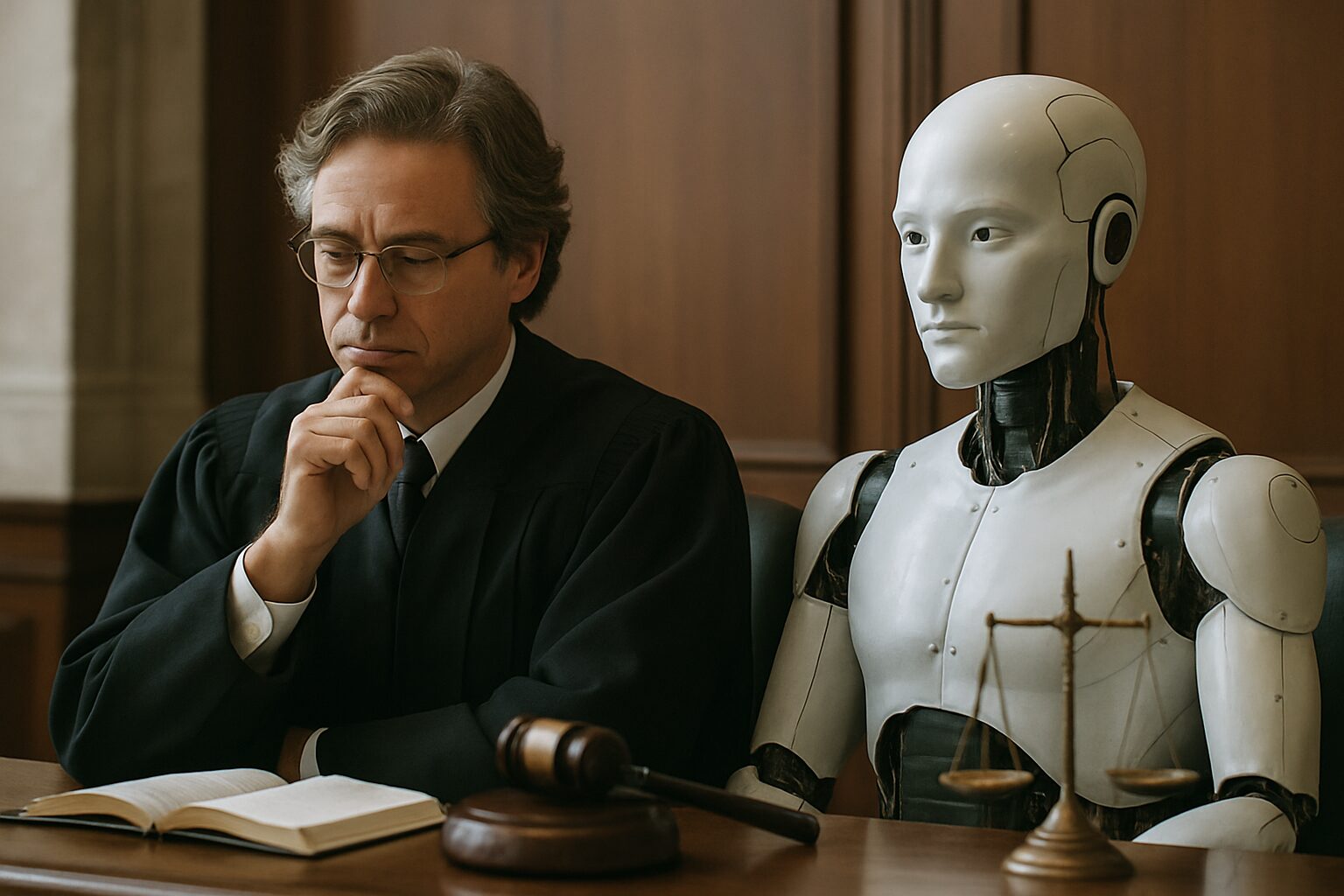
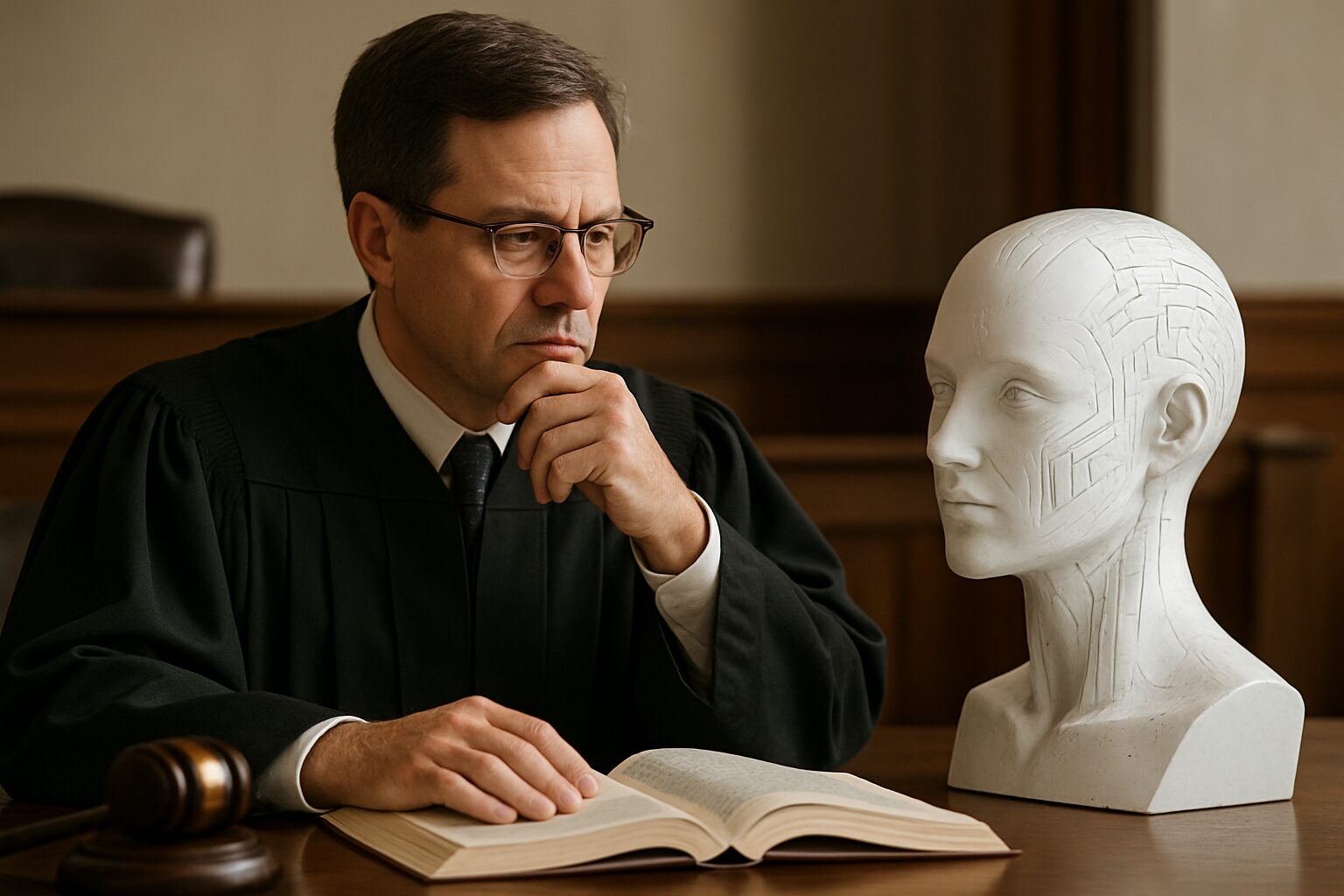
As artificial intelligence systems become more autonomous, questions arise about who—or what—should be held responsible for their actions. Accountability in AI involves determining whether the technology itself, its developers, or its users bear responsibility for outcomes, especially when harm occurs. This issue sits at the intersection of ethics, law, and technology, challenging traditional notions of liability and control.
Why It Matters - Real-world impact
The issue of AI accountability has profound real-world implications, affecting individuals, businesses, and society at large. When AI systems make biased hiring decisions, misdiagnose medical conditions, or cause autonomous vehicle accidents, real people suffer tangible harm—often with no clear path to recourse. Businesses and governments deploying unaccountable AI risk eroding public trust, exacerbating inequalities, or even causing life-altering consequences. Regular people should care because these systems increasingly influence critical aspects of life, from loan approvals to criminal sentencing, often without transparency or human oversight. Without proper accountability mechanisms, we risk normalizing systems that operate beyond ethical scrutiny, leaving victims without justice and society vulnerable to unchecked technological power.
Ethical Concerns - What’s wrong or risky?
Can AI Be Held Accountable? Navigating Ethical Risks
As artificial intelligence systems grow more autonomous, questions of accountability become increasingly urgent. When AI causes harm or makes biased decisions, who is responsible—the developers, the users, the organizations deploying it, or the AI itself? This dilemma is compounded by several ethical risks that must be addressed to ensure responsible AI deployment.
Key Ethical Concerns in AI Accountability
One major area of concern is fairness. AI systems trained on biased data can perpetuate and even amplify existing inequalities, leading to unjust outcomes in areas like hiring, lending, and law enforcement. Similarly, issues of discrimination arise when algorithms make decisions based on protected characteristics such as race, gender, or age, whether intentionally or inadvertently.
Another critical issue is transparency. Many AI models, especially deep learning systems, operate as "black boxes," making it difficult to understand how they arrive at specific decisions. This lack of explainability challenges traditional accountability frameworks, as it becomes nearly impossible to audit or contest algorithmic outcomes.
AI's economic impact also raises ethical questions. While AI can drive efficiency and innovation, it may concentrate wealth and power among those who control the technology, exacerbating economic disparities. Related to this is the risk of job loss, as automation displaces workers in various sectors, creating social and economic instability.
Furthermore, the integration of AI into workplaces introduces concerns about worker rights. Monitoring tools, algorithmic management, and automation can erode privacy, autonomy, and job security, demanding new protections and ethical guidelines.
Differing Perspectives on AI Accountability
Not everyone agrees on how to assign accountability for AI. Some argue that developers and organizations should bear full responsibility for the systems they create and deploy, emphasizing the need for rigorous testing, oversight, and ethical design principles. Others contend that users or regulators share accountability, especially when AI is used in contexts where human oversight is possible.
A more controversial viewpoint suggests that highly autonomous AI systems might someday warrant a form of legal personhood, similar to corporations, though this raises profound philosophical and practical questions about agency and blame. Meanwhile, skeptics caution against over-reliance on technological solutions, advocating instead for human-centric approaches that prioritize ethical judgment and social welfare.
Solutions - What’s being done or proposed?
Legal Frameworks and Regulations
Governments and international bodies have proposed legal frameworks to hold AI systems and their developers accountable. Examples include the EU's AI Act, which categorizes AI systems by risk and imposes strict requirements for high-risk applications. These laws aim to ensure transparency, data governance, and human oversight, with penalties for non-compliance. However, enforcement remains challenging due to the rapid evolution of AI technologies.
Algorithmic Transparency and Explainability
Technical solutions like explainable AI (XAI) aim to make AI decision-making processes understandable to humans. Methods such as model interpretability tools and audit trails help developers, regulators, and users trace how decisions are made. While this improves accountability, it can be difficult to implement for complex models like deep neural networks, where transparency may conflict with performance.
Ethics Review Boards and Audits
Institutions have established ethics review boards to evaluate AI systems before deployment. These boards assess potential harms, biases, and compliance with ethical guidelines. Independent audits, similar to financial audits, are also being proposed to regularly evaluate AI systems for fairness and accountability. Challenges include standardization and ensuring auditors have sufficient expertise.
Liability Insurance for AI Developers
Some suggest requiring AI developers to carry liability insurance, similar to malpractice insurance for doctors. This would provide a financial mechanism to compensate victims of AI errors while incentivizing developers to prioritize safety. However, determining fault in AI-related incidents can be complex, and insurance models must adapt to cover unpredictable risks.
Public Participation and Stakeholder Engagement
Social solutions involve including diverse stakeholdersu2014such as affected communities, ethicists, and civil societyu2014in AI development processes. Participatory design and public consultations help ensure AI systems align with societal values. While this promotes accountability, it can slow innovation and may not always resolve conflicting interests among stakeholders.
Whistleblower Protections for AI Workers
To encourage accountability within organizations, protections for whistleblowers who report unethical AI practices have been proposed. Laws or policies would shield employees from retaliation when exposing harmful AI systems. Implementation requires balancing transparency with corporate secrecy and intellectual property concerns.
Examples and Real Cases
Tesla Autopilot Fatal Crash (2016)
In May 2016, Joshua Brown died when his Tesla Model S, operating on Autopilot, crashed into a tractor-trailer. The NHTSA investigation found Tesla's system lacked safeguards, raising questions about accountability between the driver and AI.
Microsoft's Tay Chatbot (2016)
Microsoft's AI chatbot Tay was released on Twitter in March 2016 but was quickly shut down after it began posting offensive tweets. This incident highlighted the challenge of holding AI systems accountable for harmful outputs based on user interactions.
COMPAS Recidivism Algorithm (2016)
ProPublica's 2016 investigation revealed racial bias in Northpointe's COMPAS algorithm used for sentencing recommendations. Courts struggled to assign accountability as the proprietary system's decision-making process wasn't transparent.
Hypothetical: Autonomous Drone Strike
In a future scenario, an autonomous military drone misidentifies civilians as combatants, causing casualties. The lack of human oversight in the decision-making chain creates legal and ethical challenges in assigning responsibility.
Uber Self-Driving Fatality (2018)
In March 2018, Elaine Herzberg was killed by an Uber autonomous vehicle in Arizona. The subsequent investigation revealed safety driver inattention and system flaws, leading to questions about distributed accountability in AI systems.
Frequently Asked Questions
What does it mean for AI to be accountable?
AI accountability means that there are systems in place to determine responsibility when AI makes decisions or takes actions, especially if something goes wrong. It involves identifying who (or what) is responsibleu2014whether it's the developers, users, or the AI itselfu2014and ensuring transparency in how decisions are made.
Why is AI accountability important?
AI accountability is important because AI systems are increasingly used in critical areas like healthcare, finance, and law enforcement. Without accountability, harmful biases, errors, or unethical decisions could go unchecked, leading to unfair or dangerous outcomes for people.
Can AI be held legally responsible for its actions?
Currently, AI cannot be held legally responsible because it lacks legal personhood. Instead, responsibility usually falls on the humans or organizations that develop, deploy, or use the AI. Laws and regulations are still evolving to address accountability in AI systems.
How does AI accountability apply to self-driving cars?
In self-driving cars, accountability determines who is responsible in case of accidentsu2014whether it's the car manufacturer, software developers, or the human operator. Clear accountability ensures safety standards are met and helps build public trust in autonomous vehicles.
What can we learn from AI accountability debates?
Debates about AI accountability teach us the importance of ethical design, transparency, and regulation in technology. They highlight the need for clear guidelines to ensure AI benefits society while minimizing risks like bias, errors, or misuse.