Who Takes Responsibility When AI Fails? Exploring Accountability in Tech
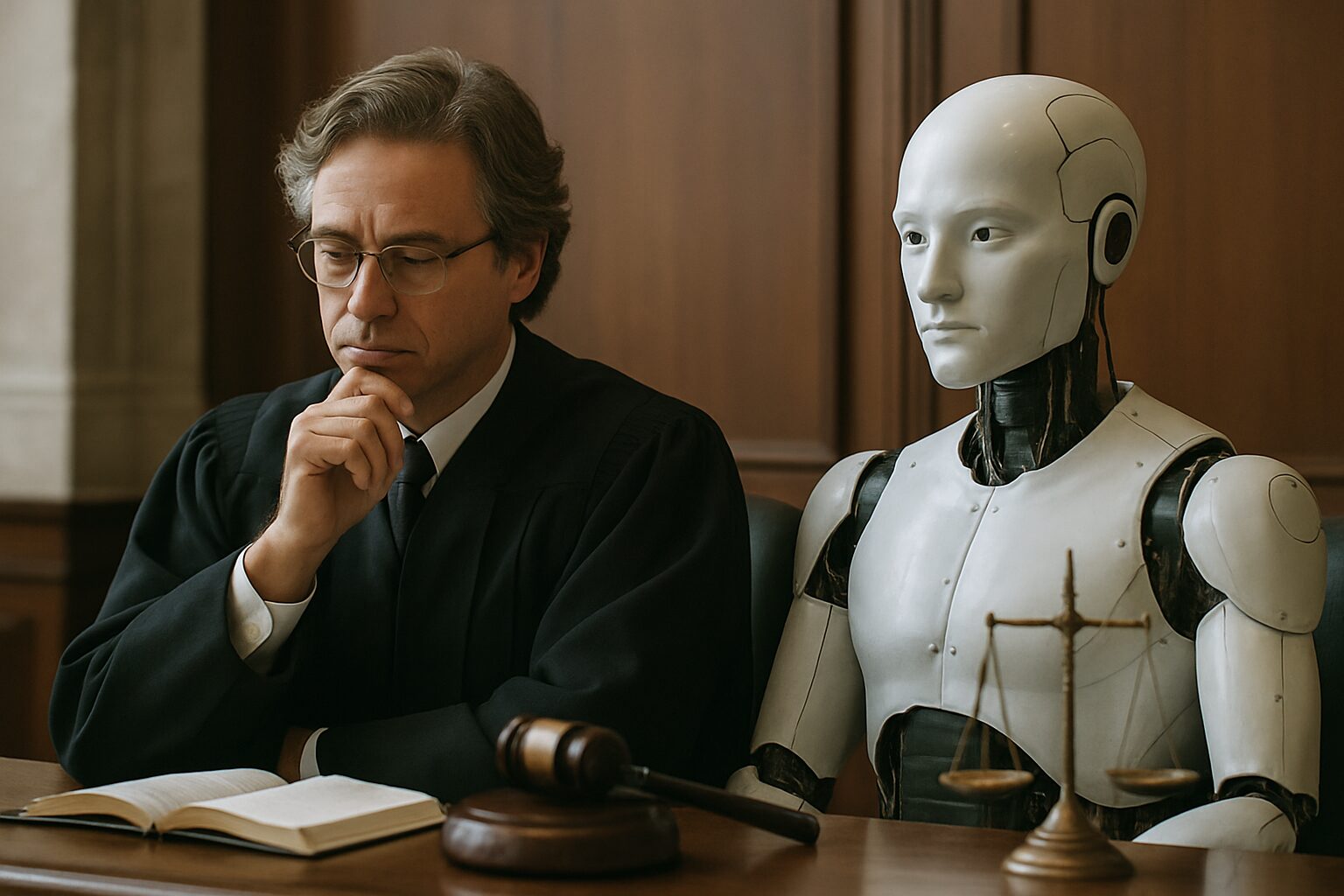
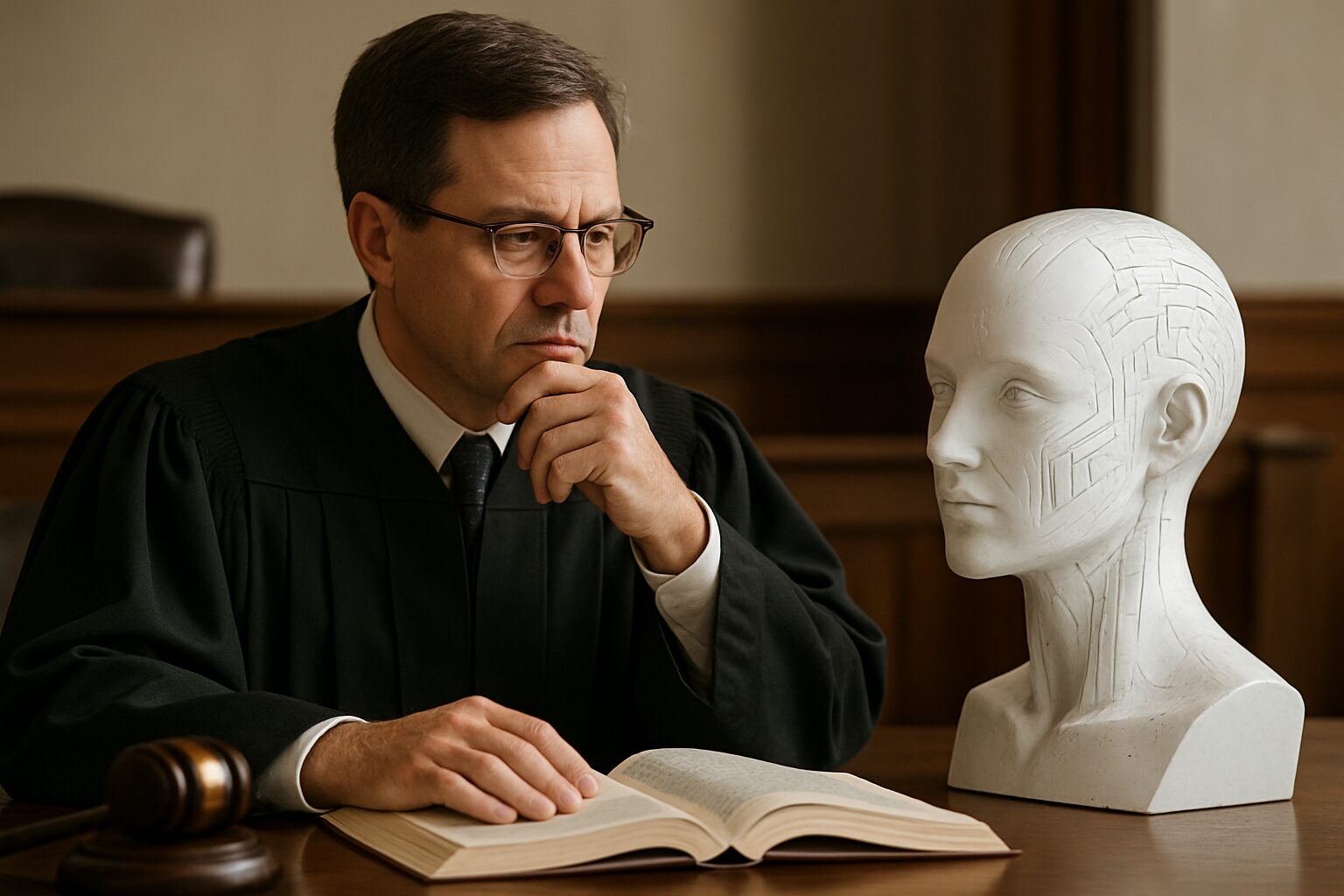
As artificial intelligence systems take on greater roles in decision-making across industries, questions arise about accountability when things go wrong. Unlike human actors, AI lacks consciousness or intent, making it difficult to assign responsibility for errors or harm caused by its actions. The challenge lies in determining who—or what—should be held accountable when AI-driven processes lead to unintended consequences.
Why It Matters - Real-world impact
The question of AI accountability has profound real-world implications, affecting industries, employees, consumers, and society at large. When AI systems make flawed decisions—such as biased hiring algorithms, faulty medical diagnoses, or autonomous vehicle accidents—the lack of clear accountability can leave victims without recourse. Businesses risk reputational damage, legal liabilities, and eroded public trust if they deploy AI irresponsibly. For regular people, this issue matters because AI increasingly governs access to jobs, loans, healthcare, and even justice. Without robust accountability frameworks, unchecked AI could perpetuate harm, deepen inequalities, and undermine faith in critical systems.
Ethical Concerns - What’s wrong or risky?
Economic Impact
AI systems can reshape markets and concentrate wealth, raising concerns about equitable distribution of benefits. Some argue that AI-driven efficiencies boost overall economic growth, while others worry about widening inequality and the potential for market monopolization. For more on this, see our post on Ethical Concern: Economic Impact.
Discrimination
AI algorithms may perpetuate or amplify biases present in training data, leading to discriminatory outcomes in hiring, lending, or law enforcement. Critics highlight cases where AI has disadvantaged marginalized groups, though proponents contend that well-designed systems can reduce human bias. Learn more about this issue at Ethical Concerns: Discrimination.
Fairness
Ensuring AI operates fairly across diverse populations is a key challenge, as systems might favor certain demographics unintentionally. Debates center on whether fairness can be mathematically defined and implemented, or if it requires broader societal input. Explore further in our discussion on Ethical Concerns: Fairness.
Job Loss
Automation through AI threatens to displace workers in various sectors, sparking ethical debates about responsibility for retraining and social safety nets. Optimists believe AI will create new job categories, while skeptics fear widespread unemployment and economic disruption. Additional insights are available at Ethical Concerns: Job Loss.
Transparency
Many AI systems operate as "black boxes," making it difficult to understand their decision-making processes. This lack of transparency can erode trust and complicate accountability, especially in critical applications like healthcare or criminal justice. For a deeper dive, visit Ethical Concerns: Transparency.
Worker Rights
AI-driven monitoring and management tools can infringe on privacy and autonomy, raising questions about the balance between efficiency and ethical treatment of employees. Some argue these technologies enhance productivity and safety, while others warn of exploitative surveillance. More details can be found at Ethical Concerns: Worker Rights.
Additional Moral Concerns
Beyond these, issues like data privacy, security vulnerabilities, and environmental impact of AI infrastructure also pose ethical risks, though consensus on accountability measures remains divided.
Differing Perspectives
Not all stakeholders agree on the severity or solutions for these risks. Industry leaders often emphasize innovation and self-regulation, while advocates call for stricter governmental oversight and ethical frameworks to ensure accountability.
Solutions - What’s being done or proposed?
Legal Frameworks and Regulations
Governments and international bodies have proposed and implemented legal frameworks to hold AI systems and their developers accountable. Examples include the EU's AI Act, which classifies AI systems by risk and imposes strict requirements for high-risk applications. These laws aim to ensure transparency, data governance, and human oversight, with penalties for non-compliance. However, enforcement remains a challenge, especially across jurisdictions.
Algorithmic Transparency and Explainability
Technical solutions like explainable AI (XAI) have been developed to make AI decision-making processes more understandable to humans. Techniques such as LIME and SHAP provide insights into how models arrive at decisions, enabling audits and accountability. While these tools improve transparency, they often struggle with highly complex models like deep neural networks, where full interpretability may not be achievable.
Ethics Review Boards and Oversight Committees
Many organizations have established internal or external ethics review boards to evaluate AI systems before deployment. These committees assess potential harms, biases, and ethical implications, similar to institutional review boards in research. While effective in theory, their impact depends on organizational commitment and independence from corporate pressures.
Liability Insurance for AI Systems
Some companies and insurers are exploring AI-specific liability insurance to cover damages caused by AI failures. This shifts financial accountability to developers and deployers, incentivizing safer practices. However, determining fault in AI-related incidents can be complex, and premiums may disproportionately burden smaller firms.
Public Participation and Stakeholder Engagement
Social solutions involve including diverse stakeholdersu2014affected communities, civil society, and domain expertsu2014in AI development and governance. Participatory design and public consultations aim to align AI systems with societal values. While promising, these approaches often face scalability issues and power imbalances between corporations and communities.
Certification and Standardization
Industry groups and standards organizations have proposed certification programs for AI systems, similar to safety certifications in other industries. These would verify compliance with ethical and technical standards. Challenges include developing universally accepted criteria and preventing certification from becoming a mere checkbox exercise.
Whistleblower Protections and Reporting Mechanisms
Institutional safeguards like anonymous reporting channels and legal protections for whistleblowers encourage accountability by allowing employees to report unethical AI practices without retaliation. While valuable, these mechanisms depend on organizational culture and may not address systemic issues in the industry.
Examples and Real Cases
Tesla Autopilot Fatal Crash (2016)
In May 2016, Joshua Brown died when his Tesla Model S, operating in Autopilot mode, crashed into a tractor-trailer. The NHTSA investigation found Tesla's system lacked safeguards, but no legal accountability was assigned to the AI or company.
Amazon's AI Recruitment Tool Bias (2018)
In 2018, Reuters reported Amazon scrapped an AI recruitment tool that systematically discriminated against women. The system learned biases from historical hiring data, but no legal consequences were imposed for the algorithmic discrimination.
Uber Autonomous Vehicle Fatality (2018)
In March 2018, Elaine Herzberg became the first pedestrian killed by an autonomous vehicle (Uber's test car). While Uber settled with the family, the safety driver was charged, raising questions about where accountability truly lies.
Facebook's Algorithmic Amplification (Hypothetical)
If Facebook's news feed algorithms were found to systematically amplify extremist content leading to violence, current laws provide no clear path to hold the AI systems or company accountable for these emergent behaviors.
Zillow's AI Home Valuation Failures (2021)
Zillow's AI-powered Zestimate tool caused massive overvaluations in 2021, leading to a $304 million inventory write-down. While the algorithm caused significant market disruption, no regulatory action was taken against the AI system.
Frequently Asked Questions
What does it mean for AI to be held accountable in industry?
Holding AI accountable in industry means ensuring that the decisions and actions of AI systems can be traced, explained, and, if necessary, corrected. It involves assigning responsibility to developers, companies, or regulators for any harm or errors caused by AI.
Why is accountability important for AI in industry?
Accountability is important because AI systems can make mistakes or cause harm, such as biased decisions or accidents in autonomous systems. Ensuring accountability helps build trust, ensures fairness, and provides a way to address negative impacts.
Can AI itself be legally responsible for its actions?
No, AI itself cannot be legally responsible because it lacks consciousness or intent. Instead, responsibility falls on the humans or organizations that design, deploy, or regulate the AI systems.
How does AI accountability apply to autonomous vehicles?
In autonomous vehicles, accountability ensures that manufacturers or operators are responsible for accidents or failures. Clear guidelines and regulations help determine who is liable when AI-driven decisions lead to harm.
What can we learn from past cases of AI accountability failures?
Past cases, like biased hiring algorithms or self-driving car accidents, teach us the importance of transparency, testing, and regulation. They highlight the need for clear accountability frameworks to prevent and address AI-related issues.