
Who's at Fault When Self-Driving Cars Crash? The Legal Breakdown
Self-driving cars raise complex questions about liability when accidents occur. Unlike traditional vehicles, where responsibility typically falls on the human driver, autonomous systems shift accountability to manufacturers, software developers, or other stakeholders. Determining fault involves assessing whether the failure resulted from human error, technical malfunction, or ethical programming decisions. This issue sits at the intersection of technology, law, and moral responsibility.
Why It Matters - Real-world impact
The issue of liability in self-driving car accidents has profound real-world implications for public safety, legal systems, and societal trust in emerging technologies. When autonomous vehicles are involved in collisions, victims—including pedestrians, passengers, and other drivers—face physical harm, emotional trauma, and financial burdens, while manufacturers, insurers, and policymakers grapple with unresolved questions of accountability. Without clear legal frameworks, victims may struggle to receive fair compensation, and companies could evade responsibility for flawed AI systems. Regular people should care because these scenarios directly impact road safety, insurance costs, and the ethical deployment of technology that could one day govern daily transportation. The stakes are high: mishandled liability could erode confidence in autonomous vehicles or, worse, leave vulnerable individuals without recourse in life-altering accidents.
Ethical Concerns - What’s wrong or risky?
Liability in Self-Driving Car Accidents: An Ethical Overview
When self-driving cars are involved in accidents, determining liability raises complex ethical questions. Traditional fault models may not apply, shifting responsibility from drivers to manufacturers, software developers, or even regulators.
Ethical Risks and Concerns
One major concern is fairness in assigning blame. Should a passenger be held responsible for a system's failure, or does accountability lie with the creators of the AI? This challenges our notions of justice and equitable treatment under the law.
Another risk involves potential discrimination. If AI algorithms are trained on biased data, self-driving cars might make decisions that disproportionately harm certain demographic groups, such as prioritizing the safety of one type of pedestrian over another.
Transparency is crucial yet often lacking. The "black box" nature of many AI systems makes it difficult to understand why a car made a specific decision during an accident, complicating liability assessments and eroding public trust.
There are also broader societal impacts, such as economic impact, where shifts in liability could lead to increased insurance costs or financial burdens on manufacturers, potentially stifling innovation or making autonomous vehicles less accessible.
Additionally, the rise of automation may contribute to job loss in driving professions, raising ethical questions about the societal responsibility to support displaced workers, though this is more indirect in the context of accident liability.
Some argue that focusing on worker rights is essential, as those designing and maintaining these systems must have protections to report ethical concerns without fear of retaliation, ensuring that safety isn't compromised for profit.
Differing Viewpoints
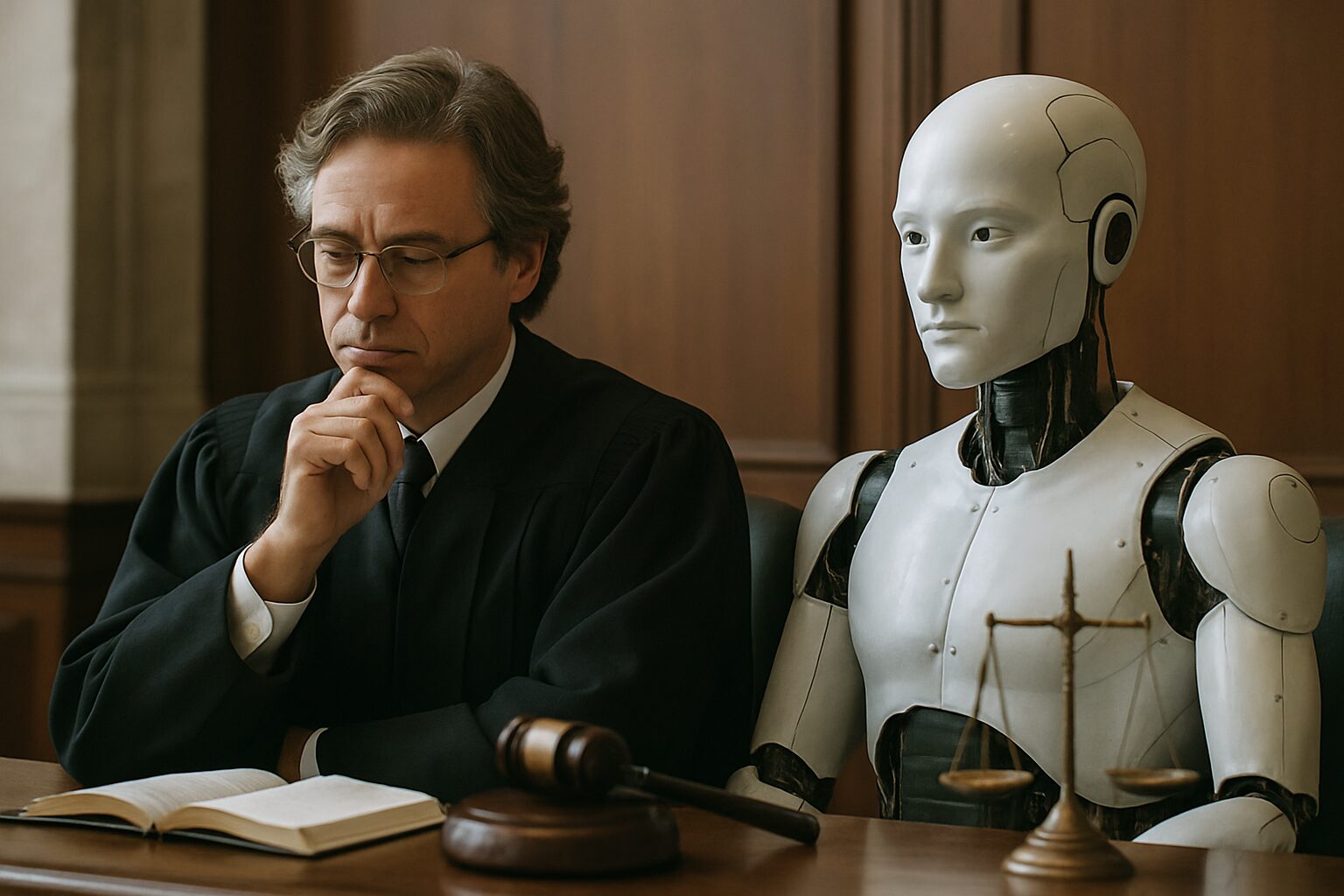
Not all experts agree on where liability should fall. Some advocate for strict manufacturer responsibility to incentivize safety, while others propose no-fault insurance models to spread risk. There are also debates about whether AI systems should have legal personhood, a controversial idea that challenges traditional ethical frameworks.
Ethical risks extend to programming dilemmas, such as how a car should prioritize lives in unavoidable accident scenarios—a modern twist on the trolley problem that involves value judgments embedded in code by developers.
Solutions - What’s being done or proposed?
Strict Liability Laws for Manufacturers
Some legal experts propose applying strict liability laws to manufacturers of self-driving cars. Under this framework, manufacturers would be held automatically responsible for any accidents caused by their vehicles, regardless of fault. This approach aims to incentivize companies to prioritize safety and ensure rigorous testing before deployment. Critics argue it could stifle innovation, but proponents believe it shifts the burden to those best equipped to mitigate risks.
Black Box Data Recorders
Technical solutions like black box data recorders have been suggested to provide clear evidence in the event of an accident. These devices would log all vehicle decisions, sensor inputs, and system states leading up to a crash. This data could help determine whether the accident resulted from a software flaw, sensor failure, or human intervention. Transparency in data collection and access protocols would be critical to address privacy concerns.
Insurance Model Overhauls
New insurance models have been proposed to address liability in self-driving car accidents. One idea is a hybrid model where manufacturers cover autonomous system failures, while human drivers remain liable when they override or misuse the system. Another approach is no-fault insurance, where all parties are compensated regardless of fault, streamlining claims but potentially raising premiums. These models require collaboration between insurers, regulators, and manufacturers.
Federal Safety Standards and Certification
Institutional solutions include establishing federal safety standards and certification processes for autonomous vehicles. Similar to aviation safety regulations, these standards would mandate rigorous testing, cybersecurity measures, and fail-safe mechanisms. A centralized certification body could ensure compliance before vehicles hit the road. However, balancing innovation with regulation remains a challenge, and global harmonization of standards may be necessary.
Public Awareness and Education Campaigns
Social solutions focus on public awareness and education to clarify the capabilities and limitations of self-driving technology. Campaigns could educate drivers on proper use (e.g., staying alert during semi-autonomous modes) and set realistic expectations. Clear labeling of vehicle autonomy levels (e.g., SAE Levels 0u20135) might help users understand their responsibilities. Misuse due to overreliance on technology is a significant risk these efforts aim to reduce.
Ethical Decision-Making Frameworks for AI
Technical and ethical frameworks for AI decision-making in unavoidable accident scenarios (e.g., the trolley problem) have been proposed. These include predefined rules prioritizing human safety, minimizing harm, or incorporating societal values. However, implementing such frameworks is contentious, as they require consensus on moral trade-offs and may not account for real-world complexity. Transparency in how these decisions are programmed is essential for public trust.
Examples and Real Cases
Uber's Fatal Crash in Arizona (2018)
In March 2018, an Uber self-driving car struck and killed Elaine Herzberg in Tempe, Arizona. The incident marked the first known pedestrian fatality involving an autonomous vehicle, raising questions about Uber's liability and the safety operator's role.
Tesla Autopilot Crash in Florida (2016)
In May 2016, Joshua Brown died when his Tesla Model S, operating in Autopilot mode, collided with a tractor-trailer in Williston, Florida. The NHTSA investigation highlighted debates over whether Tesla or the driver bore responsibility for failing to intervene.
Waymo's Minor Collision in California (2022)
In February 2022, a Waymo autonomous vehicle hit a cyclist in San Francisco, causing minor injuries. Though the cyclist was at fault for running a red light, the incident sparked discussions about how liability is assigned in mixed human-AI traffic scenarios.
Hypothetical: Autonomous Delivery Vehicle Malfunction
In a hypothetical scenario, an autonomous delivery van malfunctions due to a software glitch, causing it to swerve into oncoming traffic and damage parked cars. The lack of a human driver complicates liability, forcing courts to decide between the manufacturer, software developer, or fleet operator.
Frequently Asked Questions
Who is responsible if a self-driving car gets into an accident?
Liability depends on the situation. If the accident is caused by a malfunction or software error, the manufacturer or software developer may be responsible. If the human driver was supposed to take control but failed, they might share liability.
Why is liability in self-driving car accidents a big deal?
It's important because traditional car accidents usually blame the driver, but self-driving cars shift responsibility to manufacturers, programmers, or even the AI itself. This raises legal and ethical questions about accountability in autonomous technology.
Can a self-driving car's AI be held legally responsible for an accident?
No, AI cannot be held legally responsible because it lacks legal personhood. Instead, liability falls on the car manufacturer, software developers, or human operators, depending on the circumstances of the accident.
How do insurance companies handle self-driving car accidents?
Insurance policies are evolving to cover autonomous vehicles. Some policies may focus on product liability (covering manufacturers) rather than driver liability. The specifics depend on local laws and who is deemed at fault.
What happens if a self-driving car makes a decision that causes harm?
This is a complex ethical and legal issue. Courts and regulators must determine whether the harm resulted from a programming flaw, lack of human oversight, or unavoidable circumstances. The outcome sets precedents for future cases.